
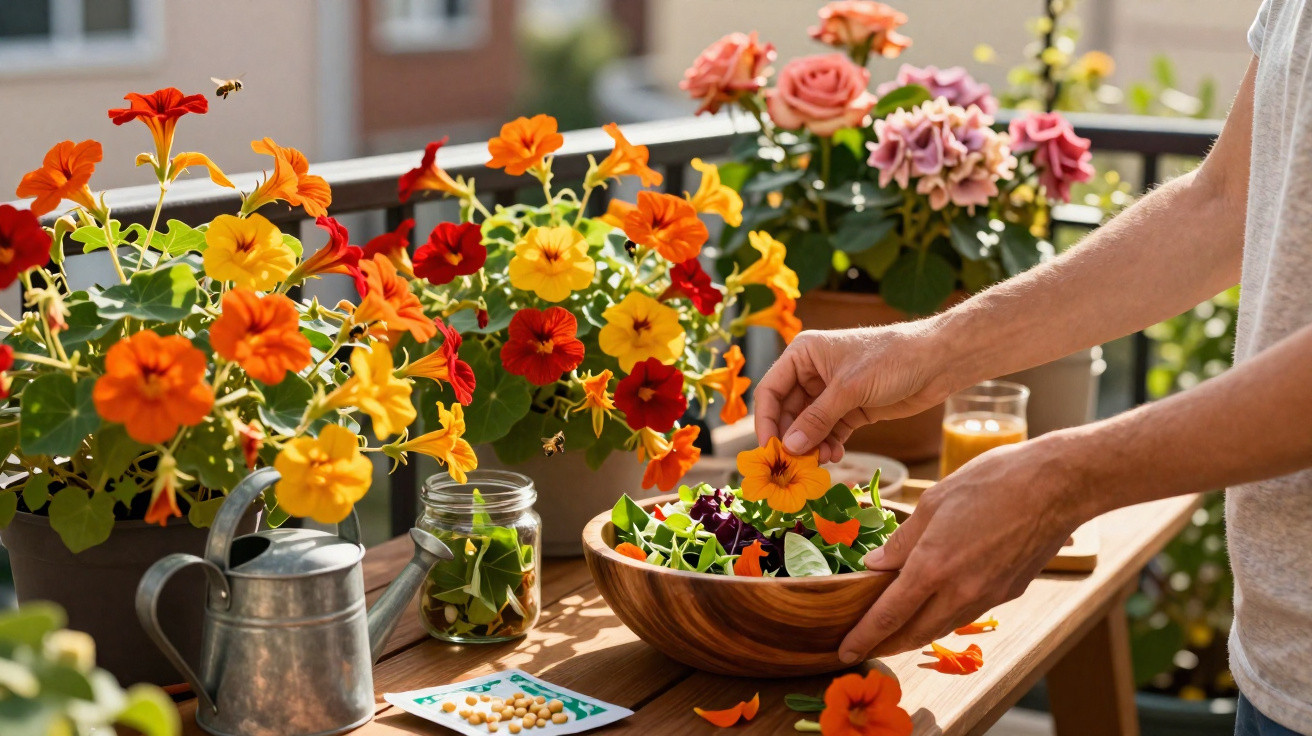
Plenty of hobby gardeners are binning their old planting plans - a long-underestimated flower is taking over beds, balconies and vegetable plots.
Roses, hydrangeas and lavender are still firm favourites. But in 2026, another bloom that nearly slipped out of sight is pushing to the front: the nasturtium. Once treated as a pleasant edging plant, it’s now the star of wildlife-friendly borders, urban balconies and modern self-sufficient gardens. And there are several very practical reasons why.
Why this “old” flower is suddenly showing up everywhere again
Nasturtium fits the new generation of gardening surprisingly well. Many people are short on time, but still want colour, insects and as little chemistry as possible. That is exactly where this plant comes into its own.
"Nasturtium brings intense colour, reseeds itself, needs hardly any care - and suits the relaxed style of gardening in 2026 perfectly."
Its flowers glow in strong orange, warm red or bright yellow. The round leaves look like little plates and create a dense, fresh carpet. Even a small handful of plants can turn a dull patch of soil into a lively splash of colour.
It also never looks stiff or overly formal. Where rose bushes can appear like carefully arranged décor, nasturtium adds something freer and more spontaneous. This kind of “orderly mess” is exactly what’s in fashion - away from the perfectly clipped stately-garden look and towards lively, semi-wild corners where things shift and grow.
Ideal for beginners: a flower that forgives almost every mistake
If you’re planting up a garden, a raised bed or simply a window box for the first time, you want quick wins. Nasturtium reliably delivers that.
- It germinates quickly and visibly.
- It grows fast - you can see progress almost daily.
- It doesn’t demand special compost or complicated care.
You sow it straight into the ground or into pots. There’s no need to start it off indoors. Ordinary, fairly lean garden soil is enough. In fact, too many nutrients can work against it: you’ll get lots of leaf growth, but fewer flowers.
A bright to sunny spot matters. That’s where it really thrives. Once established, it only needs regular watering without going overboard. It dislikes waterlogging, but copes surprisingly well with short dry spells.
Which types suit which purpose
Nasturtium comes in a range of growth habits, and you can choose them to match the space you have:
| Type | Growth habit | Best used for |
|---|---|---|
| Climbing varieties | Climb up to 2–3 m | Balcony railings, trellises, fences |
| Trailing varieties | Tumble down loosely | Hanging baskets, wall edges, raised beds |
| Bushy varieties | Wider, lower growth | Bed edging, filling gaps in perennial borders |
With a little thought, you can even shape an entire bed using nasturtiums alone - without it feeling monotonous.
How nasturtium transforms balconies, beds and vegetable plots
Its flexibility is a big part of the current buzz. Very few flowers can be used in so many different ways.
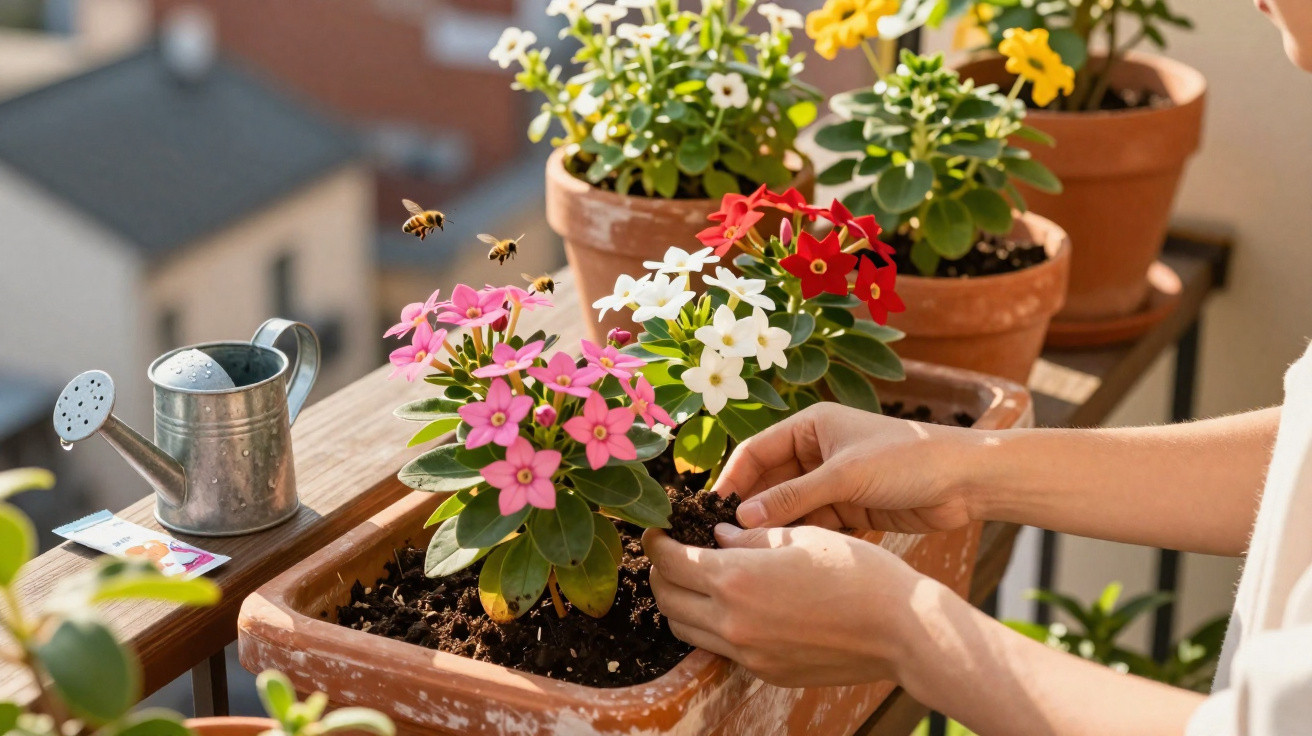
On small city balconies, a long planter can be enough. Climbing varieties grab hold of the railing, while trailing types spill outwards, forming a thick curtain of green and flowers. Behind that, you get a kind of natural privacy screen.
In the garden, it softens the strict “everything in rows” look. It threads its way through perennials, even weaving around older shrubs and disguising bare patches. At the base of a wall it blunts harsh edges, and in a raised bed it flows gently over the sides.
"With a few pounds’ worth of seed, you can improve a whole corner of the garden visually and ecologically - without any major redesign."
In the vegetable plot it does more than add colour. Between tomatoes, brassicas or beans, it brings structure and breaks up an area that might otherwise look like a block of purely productive plants. Many self-sufficient gardeners place it deliberately along bed edges and paths because it spreads quickly there and keeps producing fresh pops of colour.
More than decoration: helper, shield and salad ingredient
Nasturtium isn’t just pretty - it pulls its weight. At a time when many hobby gardeners want to manage without synthetic sprays, that’s a major advantage.
A natural “sacrificial plant” against pests
Aphids love nasturtium. At first that sounds like a downside - but in practice it can protect other plants nearby. The aphids tend to congregate on nasturtium and are more likely to leave tomatoes, beans or roses alone.
At the same time, ladybirds and other beneficial insects turn up in greater numbers because there’s plenty for them to feed on. With a bit of patience, you can build a small, balanced garden ecosystem without reaching for chemicals.
A magnet for bees and other pollinators
The open flowers offer pollen and nectar. Bees, bumblebees and hoverflies happily visit them. In densely built-up areas where there are few flowering plants, even a single box of nasturtiums on a balcony can become an important mini stopover for insects.
Edible flowers and leaves
Another benefit goes straight onto your plate. Both the leaves and flowers are edible, with a mild peppery bite, a little like cress. They can instantly lift simple meals.
- Flowers as a bright topping for potato salad or pasta salad
- Young leaves mixed through a leafy salad
- Flowers scattered over open sandwiches
If you like experimenting, you can also use the green, unripe seeds. Pickled in a vinegar brine, they taste notably like capers and work well with cold platters or mixed antipasti.
How to sow in spring without stress
The best time is after the last night frosts. The seeds aren’t extremely delicate, but they react badly to prolonged cold spells. Starting too early tends to waste time rather than gain you anything.
Practical rules of thumb:
- Sowing time: from April/May, depending on your region
- Sowing depth: press about 2 centimetres into the soil
- Spacing: around 25 to 30 centimetres between plants
- Pot size: at least 30 centimetres in diameter for strong specimens
After germination, keep the soil lightly moist. Later on, it can dry out occasionally. If you regularly pinch off faded flowers, you’ll noticeably extend the flowering period. It takes only a few minutes a week, but it keeps the colour coming for months.
Why nasturtium fits the 2026 gardening trend so well
Many people want to get outside without having to become experts. They’re looking for lively, colourful corners that hum and grow, rather than sterile lawns. Nasturtium fills exactly that gap.
"It combines easy care, ecological impact and a hint of ‘self-sufficiency’ - and hits the mood of the new gardening generation almost perfectly."
With a bit of luck it will even self-seed. In milder areas, plants may pop up again the following year in similar spots. Not in huge numbers, but often enough to reinforce the feeling that the garden is living a life of its own.
Visually, it also slips neatly into many current styles: wildlife gardens with native perennials, cottage gardens where veg and flowers mingle, and minimalist city balconies with just a few bold plants. In all of them, it adds colour without looking “too much”.
Practical tips for combinations and creative uses
To get the most from nasturtium, it’s worth pairing it with plants that complement it. These combinations work particularly well:
- Tomatoes and beans - in the veg plot for both protection and colour
- Lavender and sage - as drought-tolerant companions in borders
- Ornamental grasses - as a calm backdrop for glowing orange and red
- Marigolds - for a robust, low-maintenance cottage-style bed
If you want more decorative ideas, plant nasturtiums in zinc tubs, old wooden crates or baskets. Trailing varieties spill down dramatically from these containers. Even on a plain wooden balcony rail, a mix of climbing and trailing types can look like a flowering curtain.
One thing is worth watching: in very tight beds, it can smother weaker neighbours. In that case, trimming a few shoots now and then - or guiding them deliberately - keeps it pleasantly dominant without completely taking over.
If you start small, you quickly see how versatile this “forgotten” flower really is. Many gardeners who try it once want it in several more spots the following year. That’s exactly how a niche plant becomes the trend plant of 2026.

Comments
No comments yet. Be the first to comment!
Leave a Comment