
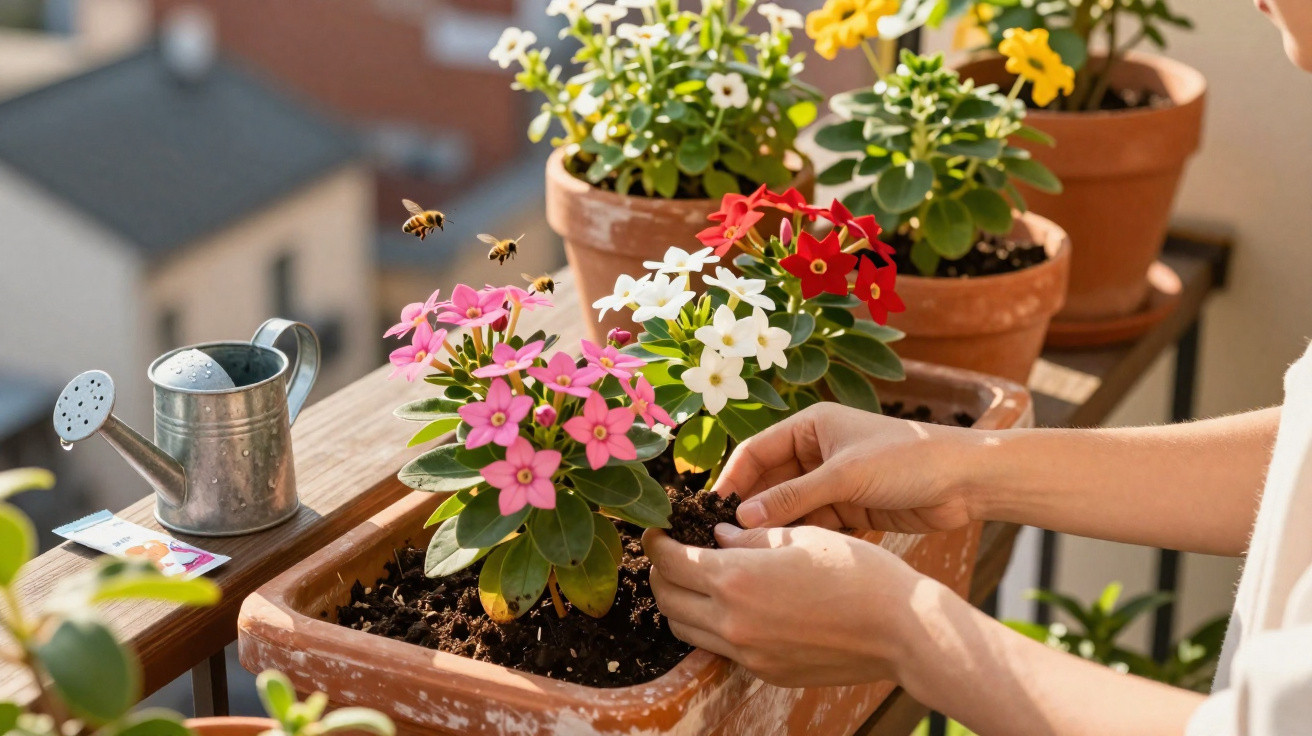
A low-key spring star: an easy-care flower brings colour to balconies and patios - and keeps pollinators happy.
Plenty of keen gardeners start spring looking for plants that offer more than good looks. The aim is usually the same: varieties that establish quickly, don’t demand much time, and still do something useful for nature. One flower ticks those boxes surprisingly well: Pentas, also known as the star flower. It’s still used far too rarely in the UK - even though it fits perfectly with what many people want right now.
Why this flower instantly makes balconies and gardens feel alive
At first glance, Pentas can seem almost understated. No oversized, showy blooms; no exotic gimmicks. But once you plant it, you quickly see what it can do. Its star-shaped flowers sit tightly packed in small clusters and produce plenty of nectar.
"Pentas are like a natural magnet for bees, bumblebees and butterflies - even in the densely built-up city."
While many classic balcony plants are chosen mainly for decoration, Pentas add movement to your outdoor space. You’ll watch insects swoop in, pause briefly, move on - and return again. On a city balcony, that can feel like a tiny nature programme right outside your door.
If you want to show children how pollinators work, this flower is an excellent ally. It doesn’t just add colour; it makes ecological connections easy to see, with very little effort.
The ideal spot: sun, warmth and a sheltered position
Pentas thrive on light and warmth. They grow most vigorously and flower for longest in a sunny to semi-shaded spot. A position out of strong wind also helps, so the delicate shoots don’t snap.
In a garden border
If you’re planting into a bed or border, choose a fully sunny corner with free-draining soil. The plant doesn’t cope well with waterlogging.
- Spacing between plants: 30–40 cm
- Position: sunny, warm, lightly sheltered
- Soil: loose, humus-rich, well drained
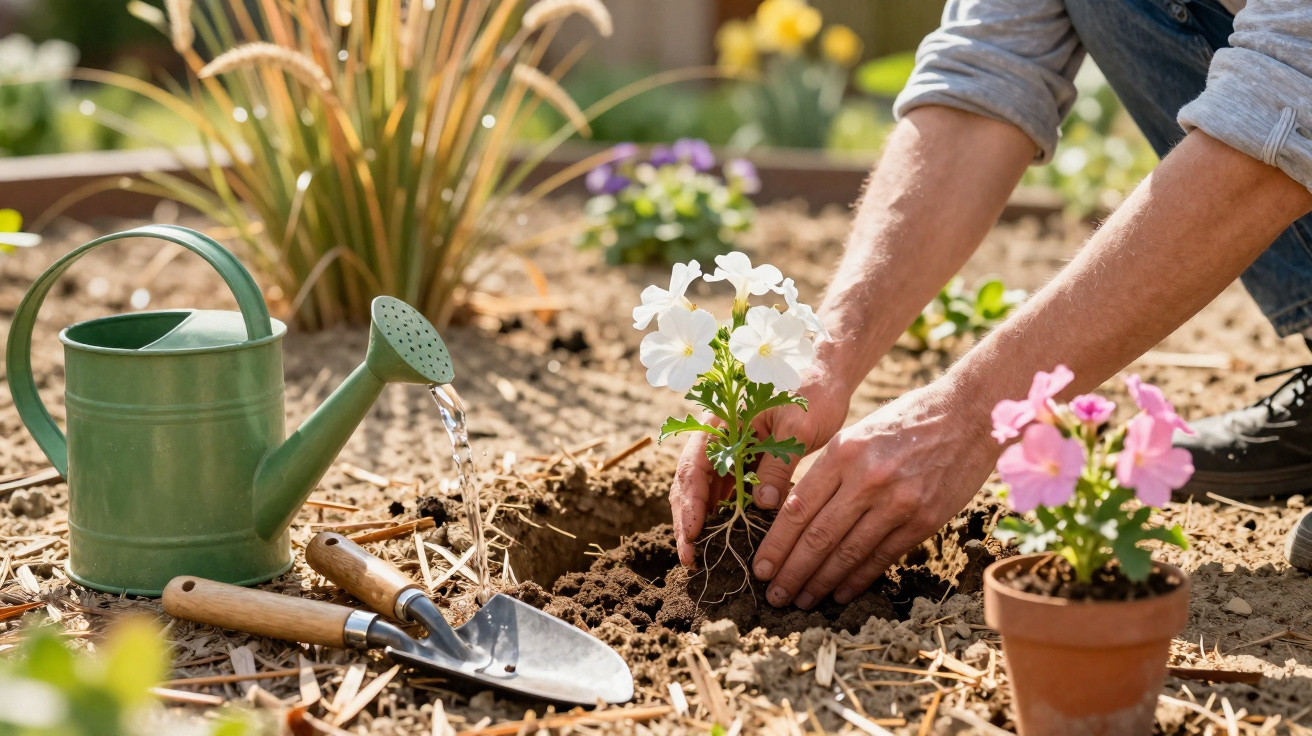
Before planting, it’s worth giving the soil a quick check. If it’s heavy and compacted, loosen it well with a garden fork. Poorer soil benefits from a generous addition of compost. Then place the plant in the prepared hole, firm the soil gently, water thoroughly - done.
In a pot or window box
On a balcony, the star flower really shows its strengths. It’s very well suited to pots, window boxes and planting bowls.
These sizes work particularly well:
| Container | Suitable number of Pentas | Recommended depth |
|---|---|---|
| Pot Ø 30 cm | 1–2 plants | approx. 30 cm |
| Window box 60 cm | 3–4 plants | approx. 30 cm |
Drainage is crucial: the holes must not be blocked. A layer of expanded clay pebbles or gravel at the bottom helps prevent soggy roots. For compost, a simple mix of roughly equal parts multi-purpose compost and well-rotted compost works well, or you can use a high-quality pre-fertilised substrate. That gives the plant enough nutrients for a strong start.
Low maintenance, not no maintenance: how to keep Pentas looking good for longer
If you don’t want a complicated care routine, you’ll get on well with this flower. It isn’t demanding, but it does appreciate a bit of regular attention.
Watering without drowning it
Aim for soil that stays lightly moist rather than saturated. In pots, the compost dries out faster than it does in a border. A practical rule of thumb:
- In pots in summer: usually water 1–2 times per week
- In borders: depending on the weather - more often in heat, less often in rain
- Finger test: if the top few centimetres feel dry, it’s time to water
If you’re away a lot, a light mulch layer - for example bark chips or dried grass clippings - can slow evaporation. That keeps the roots supplied for longer and can reduce how often you need to water.
Feeding and flower maintenance
To keep the plant producing lots of blooms over time, regular feeding is worthwhile. A liquid fertiliser for flowering plants added to the watering can is quick and straightforward. A typical schedule:
- Feed every 3–4 weeks
- Dosage: about 10 ml liquid fertiliser per 1 litre of water (follow the instructions on the pack)
Remove faded flower clusters regularly. You can pinch them off with your fingers or use small scissors. This small job encourages the plant to form new buds instead of putting energy into old seed heads.
"If you pinch off spent clusters weekly, you’ll be rewarded with a noticeably longer and denser flowering period."
If the plant becomes too tall over the summer or starts to look bare at the base, a light trim can help. Shorten a few shoots by about a third and it will regrow in a more compact shape.
Which plants pair especially well with the star flower
The real wow factor often comes from combining it with other plants. Pentas work brilliantly alongside other drought-tolerant, insect-friendly choices.
Popular companions include:
- Geraniums (for strong colour and dense growth)
- Sage varieties (add structure and fragrant flower spikes)
- Lantana (extends the colour range and also attracts lots of pollinators)
If you like contrast, try pink Pentas next to purple sage. The effect is lively without being loud. In smaller boxes, even a two-plant combination is often enough to create visual depth.
Typical problems - and how to avoid them
Even though Pentas are robust, there are a few common pitfalls. The biggest one is overwatering. If roots sit wet for too long, fungal problems can develop. The plant then looks dull, leaves may yellow, and roots can rot.
So it’s better to:
- Water less often, but thoroughly
- Always pour away excess water from saucers
- Keep the growing medium loose; avoid using plain garden soil in pots
Aphids can show up from time to time. In many cases, a strong jet of water is enough to knock them off the shoots. If the infestation is heavy, treating with a mild solution of plant soap in water can be helpful.
The plant is sensitive to frost. In milder areas it may sometimes get through winter, but in most parts of the UK it’s best treated as an annual. Container plants can be moved to a bright, cool place before the first frosts, which makes overwintering possible.
Step-by-step: a simple spring planting project
If you want to get started straight away, a single window box can already make a big difference. Here’s a practical example for a standard 60 cm box:
- Set aside about 10 litres of multi-purpose compost and 10 litres of well-rotted compost.
- Add a drainage layer of expanded clay pebbles or gravel.
- Fill the box with the compost mix.
- Plant three Pentas, spacing them about 20 cm apart.
- Firm the surface and water thoroughly.
- Add a light mulch layer on top.
With this simple setup, bees and butterflies often begin visiting regularly just a few weeks later. If you also place a herb pot of thyme or oregano next to it, you can increase the pull for insects even further.
Why Pentas fit today’s garden trend so well
Many people now want an outdoor space that feels lively, but they don’t have the time - or the appetite - for demanding gardening. That’s exactly where the star flower shines: it provides long-lasting bloom, supports pollinators, stays compact, and slips easily into existing planting schemes.
On small city balconies, a few pots of Pentas combined with herbs and perhaps one or two ornamental grasses can become a colourful, low-effort mini oasis. Insects find food there, and you get a calm, bright place to switch off - without daily maintenance stress.
If you’re not sure you’ve got a “green thumb”, this is a safe plant to try. It forgives minor mistakes, shows thirst clearly with slightly drooping leaves, and responds quickly when you give it a bit of care. Spring is the perfect time to begin - giving you plenty of time for flowering right through to autumn.
Comments
No comments yet. Be the first to comment!
Leave a Comment