
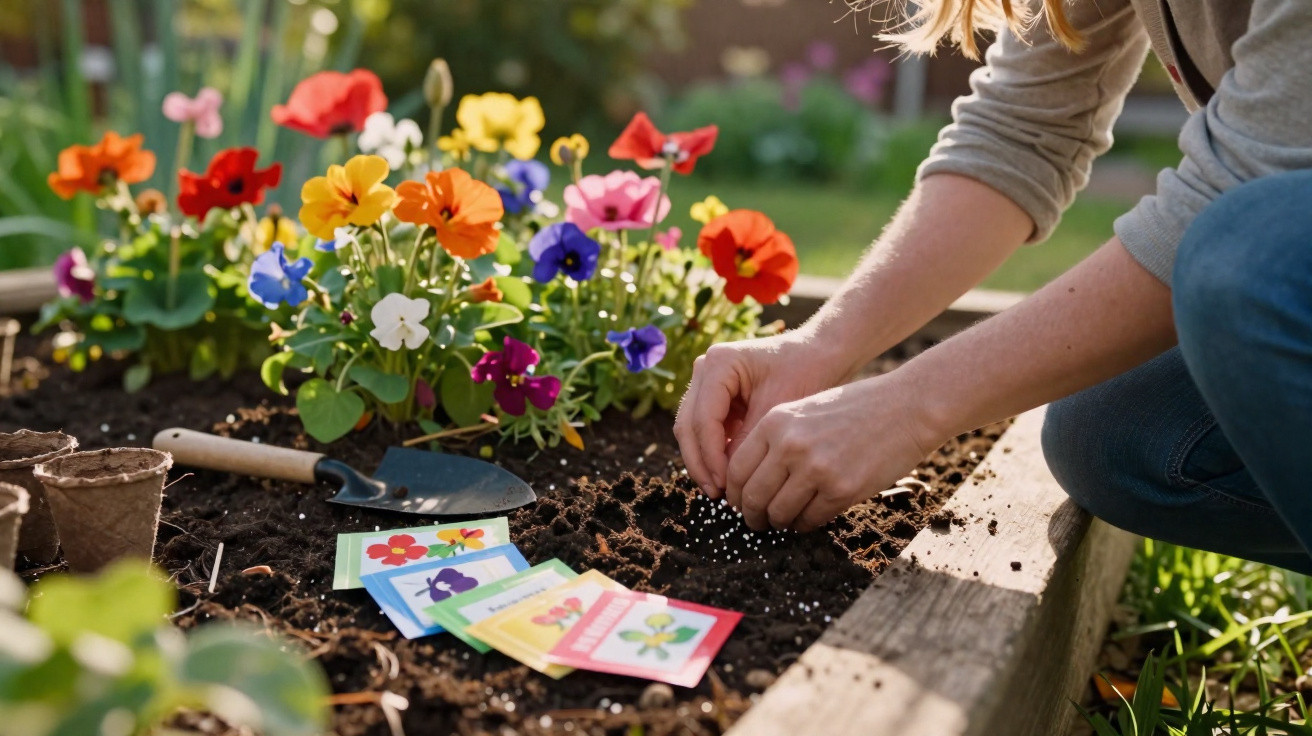
Plenty of amateur gardeners still hang back in March, but the seasoned ones are already getting started. They sow certain flowers now on purpose so the garden can be in bloom from June right through to late autumn. With a bit of planning, you can avoid bare patches in your borders and bring a riot of colour to your doorstep - without any professional kit.
Why March is a secret weapon for summer flowers
In March, the garden can still look dull and half-asleep. Yes, the days are stretching out and the sun shows its face more often, but nights remain cold. In cooler areas, late frosts can still arrive well into April. That contrast is exactly what makes March such an interesting month for home gardeners.
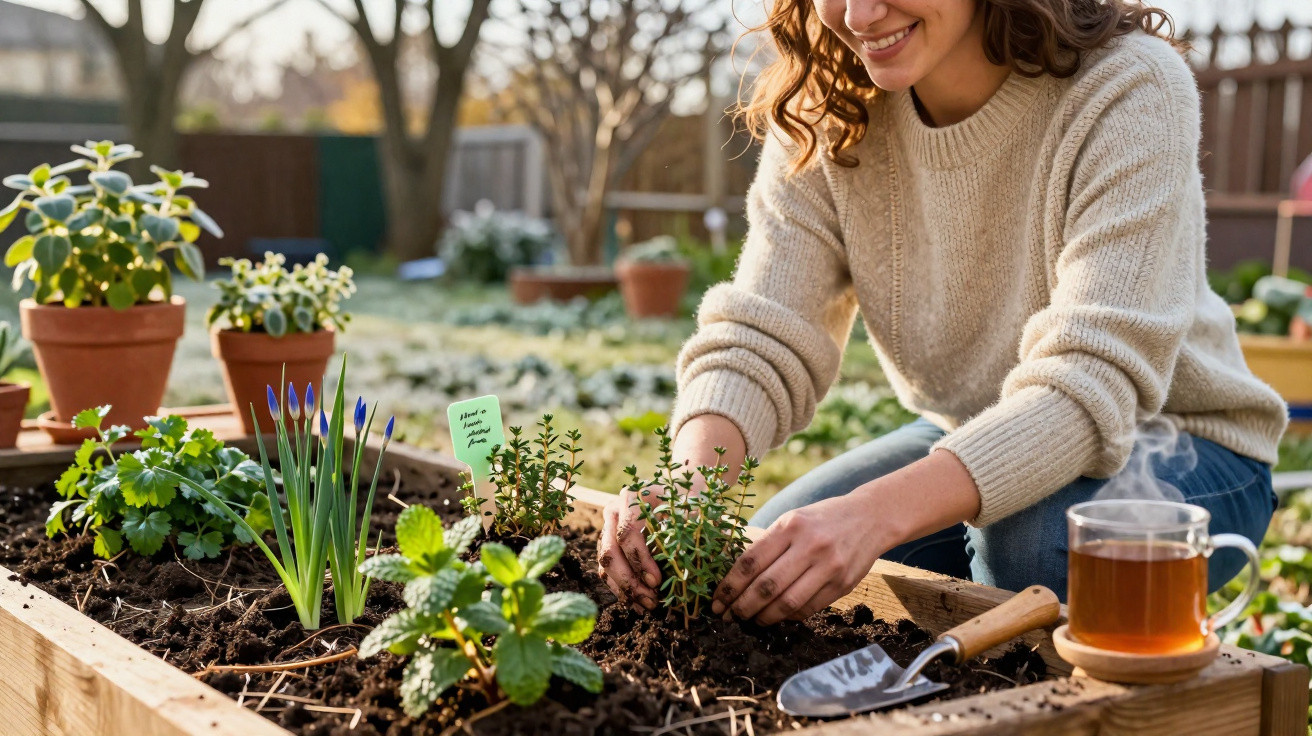
Experienced growers use March to start flowers off under cover. Seeds are sown into small pots, trays or multi-cell modules - protected indoors, in a greenhouse, or on a bright windowsill. This gives seedlings a head start without leaving them at the mercy of unpredictable weather.
"If you start seeds wisely in March, you go into the season with sturdy young plants - and you’ll have noticeably earlier, longer-lasting flowers in summer."
Many classic summer favourites, such as zinnias or nasturtiums, repay this early push with months of flowering. It also helps prevent the dreaded “bloom gaps”, when beds can look oddly empty in July or August even though it ought to be peak season.
The seed question: what gardeners are starting to trust
Lots of gardeners know the frustration: you sow a whole packet, water patiently - and in the end only a few weak seedlings appear. Disappointment is almost guaranteed. Often it’s not just about aftercare; the issue starts with the seed you chose.
That’s why more and more garden lovers are opting for open-pollinated (seed-saving) varieties. You can collect seed from your own plants and sow it again the following year. If you leave mature seedheads on the plants in summer and harvest them later, you gradually build a small, personal seed bank.
There’s another benefit too: plants grown from locally collected seed tend to adapt over time to your soil and climate. Many gardeners find the next generation is tougher, grows more vigorously, and copes better with weather extremes.
Seed-swapping events are also gaining popularity - in neighbourhood gardens, libraries, or community projects. Home-saved seeds change hands for free, and you quickly end up with an exciting mix that you’d never spot on a garden-centre shelf.
The 7 flowers you should sow in March
If you want a summer that’s colourful, scented and full of life, you don’t need to trial hundreds of varieties. A small set of dependable flowers is enough to pack borders, pots and window boxes with colour well into autumn. Here are seven favourites that are particularly well suited to sowing in March.
1. Zinnias – colour bursts for a sunny border
Zinnias are a true summer staple. They thrive in warmth and full sun. Their blooms range from soft pastels to vivid neon pink. Ideal if you want the garden to look brilliant in photos - or if you like cutting armfuls of bright stems for the vase.
- Sowing: start indoors in March in pots, then plant out from late May
- Position: sunny, sheltered from wind, nutrient-rich soil
- Benefit: excellent cut flower, blooms for months if deadheaded regularly
2. Sweet peas – climbing charm with a nostalgic scent
Sweet peas (often sold as grandiflora or exhibition types) bring back that classic “cottage garden” perfume. The climbing plants will scramble up fences, trellises, or even a few old branches. The flowers are strongly scented and perfect for small vases indoors.
Because the seeds have a tough coating, many gardeners soak them overnight in lukewarm water before sowing to speed up germination. If you keep picking the flowers, you reduce seed formation - and the flowering period can be extended noticeably.
3. Nasturtiums – edible colour for beds and pots
Nasturtiums are wonderfully versatile. Depending on the variety, they can trail as groundcover or climb. The round leaves and bright blooms in yellow, orange and red stand out anywhere - and they’re entirely edible. Both leaves and flowers have a peppery kick that works brilliantly in summer salads.
Another advantage: nasturtiums are often used as a “trap” plant for aphids. They can draw pests away from more delicate vegetable crops.
4. Wallflowers – rich fragrance for cool evenings
Wallflowers, often seen in old courtyard gardens and growing from cracks in walls, bring a deep, warm scent into borders. The flowers release their strongest fragrance in the evening or on mild spring days.
They work well at the front of a border or in containers on balconies and patios. Paired with tulips and pansies, they can create a proper display by late spring.
5. Tickseed – little yellow suns for long-flowering beds
Tickseed (Coreopsis) may look simple at first glance, but it can make whole borders glow. The yellow to orange flowers resemble tiny suns and attract plenty of insects.
The plants are fairly undemanding, cope well with drier soils, and flower for a long time when faded blooms are cut back regularly.
6. Love-in-a-mist – a delicate, wild-garden feel
Love-in-a-mist (Nigella) looks as though it belongs in a storybook. Fine, thread-like foliage surrounds the delicate flowers in white, pink or blue. After flowering, it forms decorative seed pods that are excellent for dried arrangements.
Threaded through perennials or used in naturalistic beds, love-in-a-mist adds lightness. If you let it set seed, it often returns on its own.
7. Poppy – brief, but unforgettable
Poppies are made for that one perfect summer morning when the petals look like silk. Individual flowers may only last a few days, but if you have enough plants, fresh buds keep opening. That way, the bed stays interesting for weeks.
Many poppy types self-seed readily if you don’t remove the seed pods straight away. Over the years, poppies can drift around the garden and appear wherever conditions suit them.
Starting indoors or sowing outside?
Whether you should sow indoors or straight into the ground depends largely on where you live. In places with long, cold springs, it’s usually worth sowing into trays or small pots indoors. The plants can then be moved outside around mid-May, once the risk of frost has passed.
In milder areas, tougher types such as poppies or love-in-a-mist can often be sown directly outdoors. The key point is that the soil shouldn’t be waterlogged, and it should have started to warm up a little.
| Flower | Recommended sowing in March | Special feature |
|---|---|---|
| Zinnias | start indoors | strong cut flower |
| Sweet peas | indoors or in a cool cold frame | intense fragrance |
| Nasturtiums | start in a pot or sow straight into a container | edible flowers |
| Wallflowers | sow in a protected place | powerful floral scent |
| Tickseed | indoors or in a cold frame | long flowering period |
| Love-in-a-mist | indoors or direct into the border | self-seeding |
| Poppies | preferably direct into the border | natural meadow look |
Practical tips for sturdy young plants
To turn seeds into robust plants, it pays to stick to a few basics. Use a light, low-nutrient seed compost rather than heavy, highly fertilised multi-purpose compost. Otherwise, delicate roots can be damaged. Press seeds in lightly or cover them thinly, following the instructions for each variety.
Water gently. The compost should be moist but never soaking wet. A spray bottle or a fine-rose watering can works best. Keep seedlings away from radiators; a bright, cool spot is ideal. As soon as the first leaves show, rotate the pots now and then so plants don’t lean towards the window.
Why the effort pays off again and again
Once you’ve seen a bed of home-raised flowers bloom for months, you’ll usually want to do it again. You’ve known every plant “from the start”, and it changes how you relate to your own garden. Many people suddenly notice how closely weather, soil and variety choice are linked.
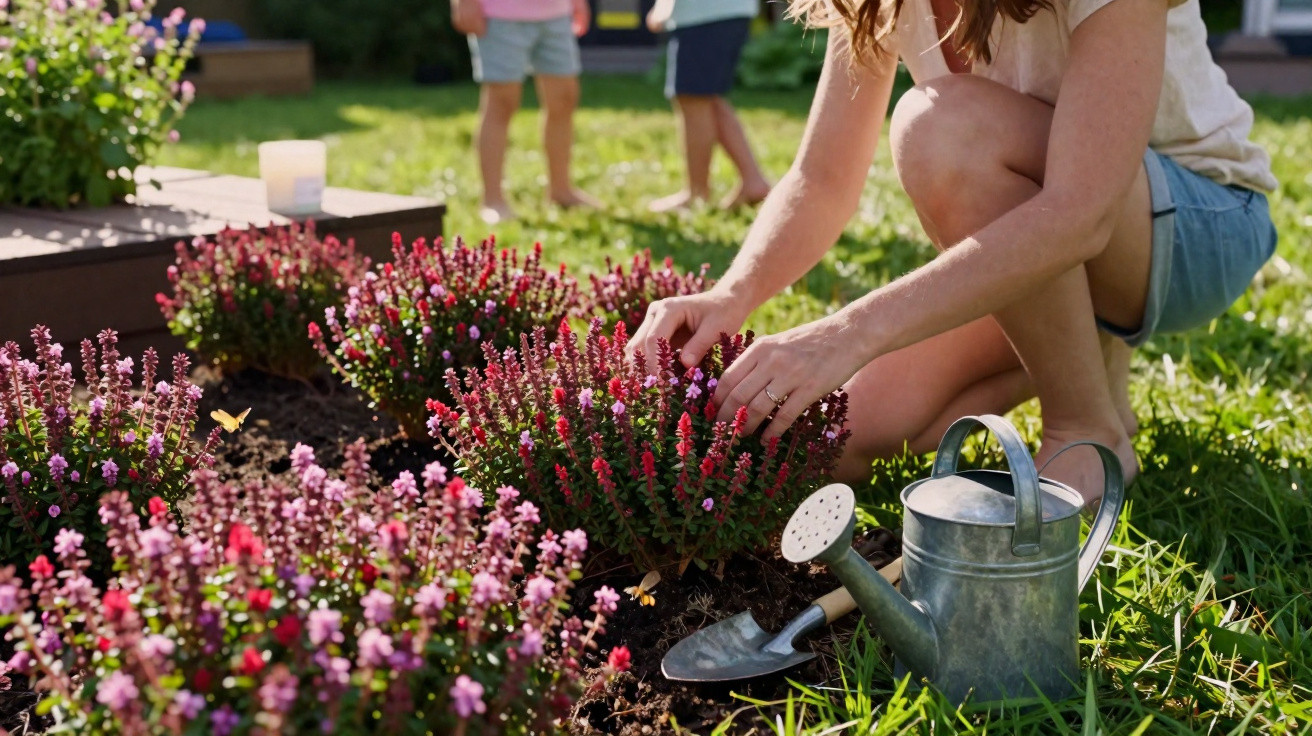
There’s another knock-on effect: the garden becomes far livelier. Bees, bumblebees, butterflies and other beneficial insects find plenty of food thanks to the varied mix. Zinnias, tickseed and love-in-a-mist in particular are often described as real insect magnets.
If certain varieties perform well one year, you can collect ripe seed in late summer. Over time, this builds a personal mix that suits your garden perfectly. March then becomes your annual starting signal for a fresh, colourful experiment - with surprisingly little effort and a big impact.
Comments
No comments yet. Be the first to comment!
Leave a Comment