
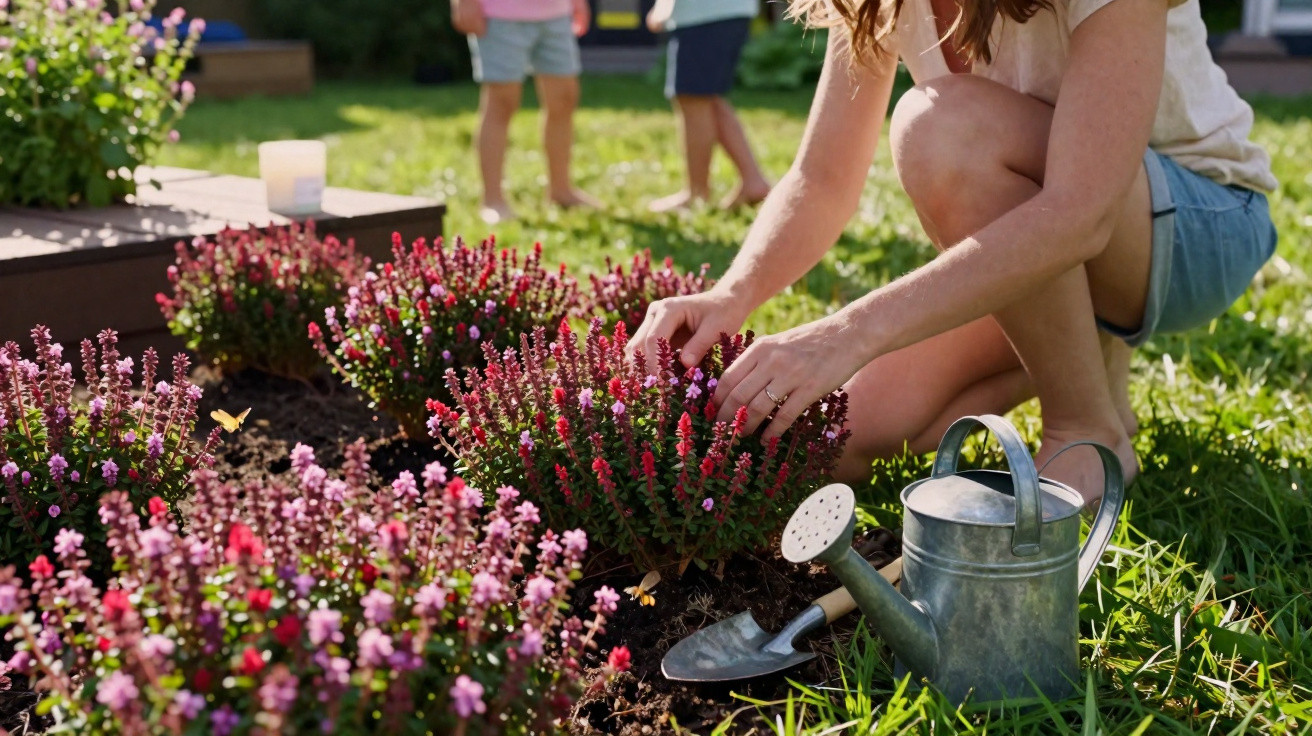
Summer evenings on the patio, chilled drinks, good conversation - and no more irritating buzzing around the table: one unassuming plant can make exactly that possible.
In many gardens, the default is still a classic lawn: it needs constant watering, turns yellow in midsummer, and demands yet another pass with the mower at the weekend after work. Yet there is a low-growing, aromatic plant that tackles several of these issues at once: it flowers for a long time, smells lovely, copes well with dry spells, and makes mosquitoes far less keen to linger nearby.
The small fragrant plant that keeps mosquitoes at a distance
The plant in question is red sand thyme - a low, carpet-forming type of thyme. Unlike the familiar culinary herb, this thyme doesn’t grow in bushy clumps; instead, it spreads across the ground. It reaches only about 10 cm in height, threads itself between stones and paving, and can replace thirsty grass in many areas.
From May through to September, the surface can be covered in a sea of pink-red to purple flowers. The blooms attract bees and other insects, while both the leaves and flowers release a strong, spicy fragrance. That scent is exactly what makes red sand thyme so interesting for anyone who suffers with mosquitoes in summer.
"The essential oils in the leaves disrupt mosquitoes’ sense of orientation - they avoid the area around the planted patch noticeably more often."
The aroma becomes particularly effective if, just before you sit down, you walk over the plants barefoot or in shoes. The leaves and blossoms are gently crushed, the fragrance intensifies, and an aromatic kind of “protective zone” forms around a terrace, seating area or path.
Why red sand thyme is worth using as a lawn replacement
Many homeowners know the usual downsides: lawns consume a lot of water, struggle in high temperatures, and need regular mowing and feeding. Red sand thyme works on the opposite principle - it prefers lean conditions, heat and dryness.
- Very low maintenance: a light trim at the end of winter is usually enough.
- Extremely economical with water: once established, it copes with long dry periods.
- No fertiliser required: too many nutrients tend to do more harm than good.
- Evergreen: the foliage stays decorative all year.
- Mosquitoes are deterred: ideal around seating areas and garden paths.
If you’ve been watering a delicate lawn, switching can save thousands of litres of water per season. Reports from regions with hot summers mention savings in the five-figure litre range, simply because the sprinkler is barely needed.
Plant now: why the window is limited
Gardeners who want to benefit from the mosquito-deterring effect this summer should plant red sand thyme before the end of the month, if possible. At this point the soil is already slightly warmed, but not yet completely dried out. The plants can establish roots calmly before the first major heat arrives.
The site requirements are straightforward:
- Position: full sun, or at least very bright conditions.
- Soil: lean, free-draining, rather dry.
- No waterlogging: standing water quickly leads to rot.
- Light foot traffic: ideal along patio edges, in joints between slabs, or on slopes.
If your garden has heavy clay or compacted soil, it’s worth improving the planting area. Mixing in sand and fine gravel opens the structure and creates better conditions for the roots. Important: no extra compost and no lawn fertiliser. Red sand thyme thrives in poor soil.
How to create a dense carpet of flowers
To achieve a closed-looking surface later on, spacing matters. For a continuous carpet, around nine to twelve young plants per square metre is recommended. A gap of 30 to 40 cm between pots has proved reliable.
Growth typically happens in three broad stages:
- First months: the individual cushions grow visibly, but remain separate.
- After about one year: roughly 60 to 70% of the area is covered.
- After two years: most gaps close, creating the impression of a dense carpet.
In the first few weeks after planting, the thyme benefits from a little support. If there’s no rain for an extended period, watering once or twice a week is usually sufficient until the roots have taken hold. After that, the water requirement drops markedly.
Less mowing, more fragrance: how it changes day-to-day garden life
Replacing a conventional lawn with red sand thyme can make the garden feel completely different. Instead of filling bins with grass clippings every week, you generally only need a quick check in late winter to see whether a light shaping cut is required. For the rest of the year, the area largely looks after itself.
"When you walk across it, an intense herb scent rises that evokes Mediterranean holiday landscapes - and the evening on the patio immediately feels a little more relaxed."
Neighbours are often sceptical at first, especially when the familiar view of a lush green lawn disappears. But the combination of flowers, fragrance and noticeably fewer mosquitoes quickly sparks curious questions. Many people who take the plunge say they hardly miss the mower - and instead start thinking about redesigning more areas.
Where red sand thyme is particularly useful
Not every corner of a garden is suited to grass. Steep banks, narrow strips between a driveway and fence, or stony ground are rarely enjoyable with traditional lawn care. That’s exactly where red sand thyme plays to its strengths.
Typical uses include:
- Between stepping stones on garden paths
- Along the edges of patios and seating areas
- On sunny banks and slopes
- In rock gardens and on lean, stony ground
- As a transition zone between a border and a gravel area
If you like, you can combine red sand thyme with other drought-tolerant cushion plants - for example, low-growing germander, alyssum, or certain sedum varieties. When a mosaic of different flower tones develops, the garden looks more lively without becoming high-maintenance.
What to know about the mosquito-deterring effect
The fragrance of red sand thyme interferes with mosquitoes, but it won’t replace a mosquito net or closed windows if you live right next to water. It reduces how attractive the immediate area is, but it doesn’t remove mosquitoes’ breeding conditions entirely.
A combination of measures makes the most sense:
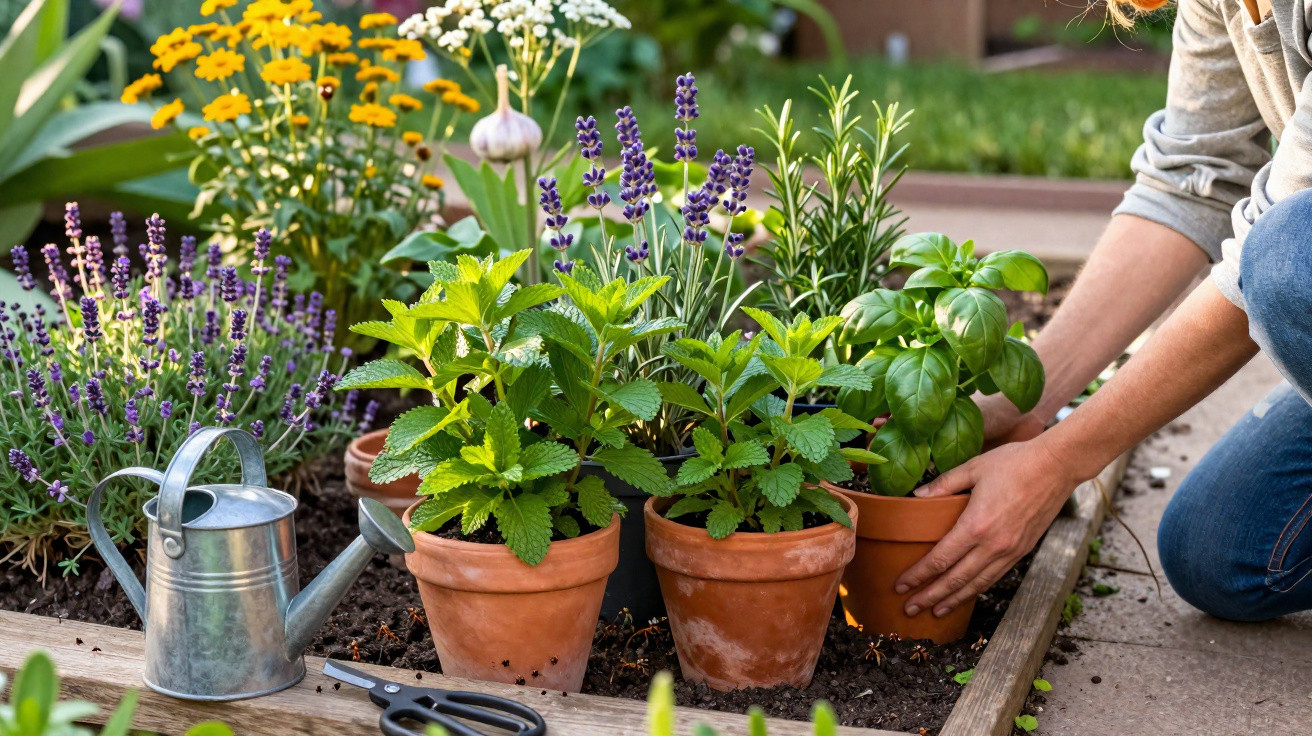
- Fragrant plants such as thyme, lemon balm or lavender around seating areas
- Don’t leave open containers of water standing in the garden
- Keep water butts covered where possible
- In mosquito-prone areas, wear light-coloured, long clothing in the evenings
Many households report that after switching to more fragrant plants around the patio and balcony, they get bitten far less often. Red sand thyme acts as a permanent, green “scent barrier” that requires almost no effort.
Practical tips for getting started
If you want to begin now, choose sturdy plants that haven’t been grown too soft. Compact, well-rooted pots usually perform better than stock that’s been pushed too quickly. Before planting, it’s worth a brief check: gently loosen the root ball; if the compost is very dry, dip the pot in water briefly; then plant.
A common mistake is overwatering the area or treating it with lawn fertiliser. Red sand thyme then responds with soft, unstable growth and becomes more vulnerable to disease. If you keep it slightly “lean” - in other words, don’t pamper it - you’ll generally enjoy better results in the long run.
For families with children, there’s an extra appeal: children can walk over it barefoot, breathe in the aroma, and learn along the way how certain herbs affect insects. That way, the new area becomes not only a lower-mosquito zone, but also a small, living experiment space right outside the back door.



Comments
No comments yet. Be the first to comment!
Leave a Comment