
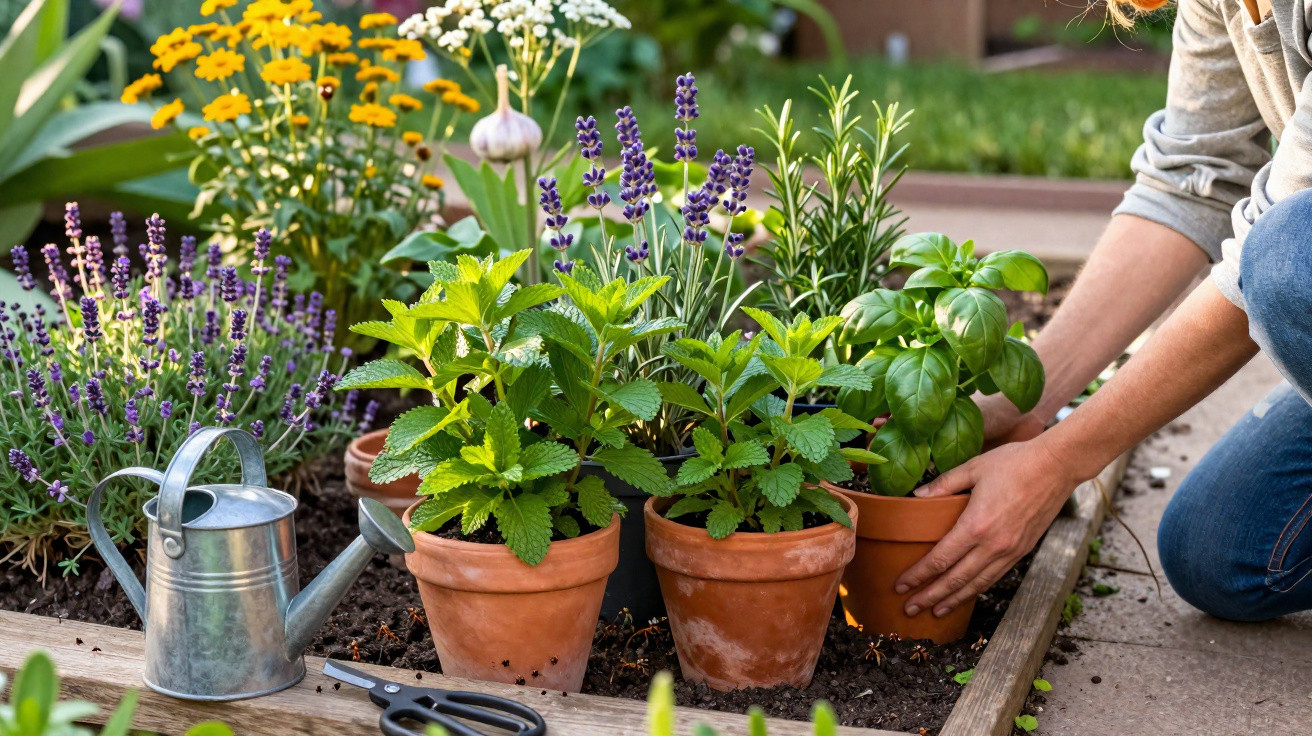
There is, however, a surprisingly straightforward green solution.
Ants play an important part in soil health: they aerate the ground and help clear away organic matter. Even so, they can become a nuisance in the garden, on the patio, or even indoors. Before reaching for poison baits or sprays, it is worth looking at the natural power of certain plants. Some species produce scents and active compounds that ants strongly dislike - and that is exactly what you can use to your advantage.
Why ants are annoying in the garden - and when they are useful
Seeing ants only as a pest is an oversimplification. These insects ventilate the soil, move seeds around, and provide food for birds and other animals. They become an issue when they:
- build huge nests beneath patio slabs or paths
- “farm” aphids in beds and weaken plants as a result
- get into the kitchen or pantry
- constantly bother children playing on the lawn
If you only want to manage them in specific spots, it is better to avoid heavy-handed methods and use scent barriers instead. This is where certain herbs and perennials come into their own.
"Some garden plants send out signals that ants find so unpleasant that they reroute their trails or abandon the nest altogether."
Plant-based deterrents: which species really repel ants
Peppermint: a scent barrier in a pot
Peppermint releases a strong aroma that disrupts ants’ scent trails. Ants navigate using these scented routes - when the trail is masked, they struggle to find their way.
- Position: partial shade to full sun, nutrient-rich soil
- Benefit: works as a fragrance barrier and provides herbs for tea and cooking
- Tip: always grow in a pot, otherwise it spreads through the whole border
A row of peppermint pots along patio doors or wall cracks where ants enter the house works particularly well.
Lavender: attractive to look at, tough on ants
Lavender pairs ornamental value with a practical effect. Its intense, resinous scent discourages ants, while bees and bumblebees love it.
Plant lavender:
- along garden paths where ant trails are common
- around seating areas and patios
- in sunny, fairly dry positions
It prefers poor, free-draining soil. Waterlogging quickly leads to rot. Pruning after flowering helps keep it compact and encourages plenty of blooms.
Thyme: ground cover with a useful side effect
Thyme has a distinct fragrance with an aromatic, mildly medicinal note. Ants usually steer clear of dense thyme cushions - and it is also excellent in the kitchen.
"Thyme forms low carpets that fill joints, path edges and sunny banks - and it can really slow ants down in those areas."
Creeping varieties are especially suitable, as they spread into stone joints. A sunny spot and free-draining, rather dry soil are essential.
Rosemary: a fragrant hedge against marching ants
Rosemary is hardy, evergreen and rich in essential oils. The spicy scent is pleasant to people, but for ants it acts more like a warning.
- as a small shrub beside front doors and patios
- in containers along balcony railings
- in Mediterranean-style beds with grit and sand
Rosemary handles heat and dry conditions very well. In colder areas it needs winter protection, or it should be grown in a pot that can be overwintered somewhere frost-free.
Tansy: yellow flowers with real punch
Tansy is a robust perennial with bright yellow flower clusters, known for its strong insect-repelling properties. Many pest insects - including ants - tend to avoid it.
It is well suited to:
- the edges of beds where aphids often appear
- wilder, wildlife-friendly garden corners
- areas along fences or walls
This plant can grow quite tall and spread out. In small gardens, place it deliberately and not too close to seating areas, as its scent can be intense.
Basil: a kitchen favourite with an extra job
Basil is a must for tomato salad - and it can also help against ants. Its essential oils encourage ants to keep away from window sills and balcony planters.
| Advantage | Explanation |
|---|---|
| Quick effect | Fresh leaves release scent compounds immediately, especially in sunlight. |
| Flexible use | Pots can be moved to match the ants’ current route. |
| Double benefit | Deterrence for ants plus a steady supply for the kitchen. |
Important: basil needs plenty of water and warmth. It does not like cold draughts or sitting in water.
Garlic: strong smell, clear message
Garlic works on two levels. First, its intense smell discourages ants; second, it can help reduce fungal diseases on neighbouring plants.
"If you plant garlic cloves around beds or along walls, you create an invisible scent line that ants usually will not cross."
Garlic is especially useful in the vegetable patch and near roses or strawberries. Plant the cloves in autumn or in early spring.
Yarrow: delicate looks, definite effect
With its fine leaves and airy flower heads, yarrow looks rather romantic - yet it can be effective against various insect species, ants included.
At the same time, it attracts beneficial insects such as parasitic wasps and ladybirds, which then feed on aphids. If you are dealing with ants around aphid-infested plants, you gain two benefits at once.
How to use the plants properly
The right location makes the difference
For deterrence to work, it is not enough to plant a few herbs at random. Key spots include:
- front doors and patio doors
- ground-floor window sills
- cracks in paving where ants emerge
- the immediate surroundings of ant trails in borders
A dense ring of planting is more effective than isolated pots placed far apart.
Combine several species
Mixing different herbs and perennials can intensify the effect. One example of an anti-ant strip beside the patio:
- rosemary and lavender at the back
- thyme in front as a low carpet
- peppermint and basil in pots between them
This creates a continuous “scent carpet” that is difficult for ants to cross.
Do not neglect care
Many of these plants rely on essential oils for their effect. The healthier and more vigorous they are, the stronger the fragrance. Regular pruning, appropriate watering and plenty of sun are therefore crucial.
Extra tip: oils for fast help with heavy infestations
If you already have a major ant trail inside the house, you can use essential oils from the plants mentioned. Mix a few drops of peppermint, lavender or thyme oil with water and wipe or spray it along the routes they use.
Important: use sparingly and test first on an inconspicuous area to check surfaces tolerate the oil. Children and pets should not come into direct contact with the undiluted liquid.
Natural rather than harsh chemicals: what else helps
Plants that deter ants work best when you also follow a few basic rules: seal food properly indoors, do not leave sweet items uncovered outside, and seal cracks and joints where possible. The fewer incentives ants can find, the more likely they are to retreat.
If you deliberately encourage diversity in the garden, you benefit twice over. Many of the plants listed support bees, butterflies and other beneficial insects. That helps create a stable balance where ants still exist, but do not become a problem.
A small reality check matters too: no garden will be entirely free of ants - and that would not be desirable anyway. The aim is to keep them away from the patio, play areas and the house. With peppermint, lavender, thyme, rosemary, tansy, basil, garlic and yarrow, this balancing act can work remarkably well.




Comments
No comments yet. Be the first to comment!
Leave a Comment