

Reports are piling up in gardening forums and across social media: amateur gardeners are bringing tired lawns back to life with an unassuming powder from the chemist. Instead of an expensive specialist feed, a basic bath salt costing about one euro is said to make grass thicker and greener again - just in time for the first barbeque evenings.
What’s behind the €1 lawn trick
At the centre of the trend is an old staple from the medicine cupboard: Epsom salt (Bittersalz), chemically magnesium sulphate. Most people know it as something you add to a relaxing bath. In the garden, though, it serves a different purpose: it supplies the soil with magnesium, a nutrient grass needs to produce chlorophyll.
Chlorophyll is what allows the blades to convert sunlight into energy. When magnesium is lacking, the lawn soon shows it: growth slows, the grass looks dull, and characteristic yellowish patches appear, while the leaf veins remain slightly greener.
"Magnesium is the engine of chlorophyll production - without this building block, the lawn stays tired and pale."
Magnesium sulphate does more than improve colour. It also helps roots make better use of nitrogen and phosphorus that are already in the soil or present in standard lawn fertilisers. That is why many experienced gardeners have used Epsom salt for years not only on lawns, but also on roses, tomatoes and fruit trees.
When Epsom salt really helps the lawn - and when it doesn’t
As appealing as the idea sounds, this household remedy is not a miracle fertiliser for every patch of grass. Epsom salt is most useful where there is genuinely a magnesium deficiency. Common situations include:
- light, sandy soils that struggle to retain nutrients
- older lawns that have been heavily irrigated or watered over many years
- yellowing blades with slightly greener veins, despite normal feeding
- beds or areas watered frequently with lime-rich water
In these cases, a targeted magnesium application can noticeably perk up the lawn. Where possible, specialists recommend a soil test. Garden laboratories and some DIY stores offer tests that show whether a deficiency is actually present.
On many typical household lawns, off-the-shelf lawn feed, compost and natural inputs already provide enough magnesium. In those settings, extra Epsom salt offers little benefit. At worst, nutrients are washed into groundwater with rainfall, while your wallet is needlessly lighter.
"Without a real deficiency, Epsom salt is usually just an expensive placebo effect for the lawn."
The foundation of a healthy lawn therefore remains the classic approach: avoid mowing too short, water only when needed but thoroughly, use a good slow-release fertiliser, and regularly remove moss and thatch.
How to use Epsom salt precisely on the lawn
If the soil and plants show clear signs of magnesium deficiency, an application in spring can make sense. Starting in March or April gives the lawn enough time to recover by midsummer.
Correct dosage and application
Packs of garden-grade Epsom salt often include specific guidance. Manufacturers frequently suggest around 600 grams per 10 square metres, at most once a year. Treat these figures as a maximum, not an amount you must apply.
Many gardeners follow this routine:
- Mow the lawn shortly beforehand and remove the clippings.
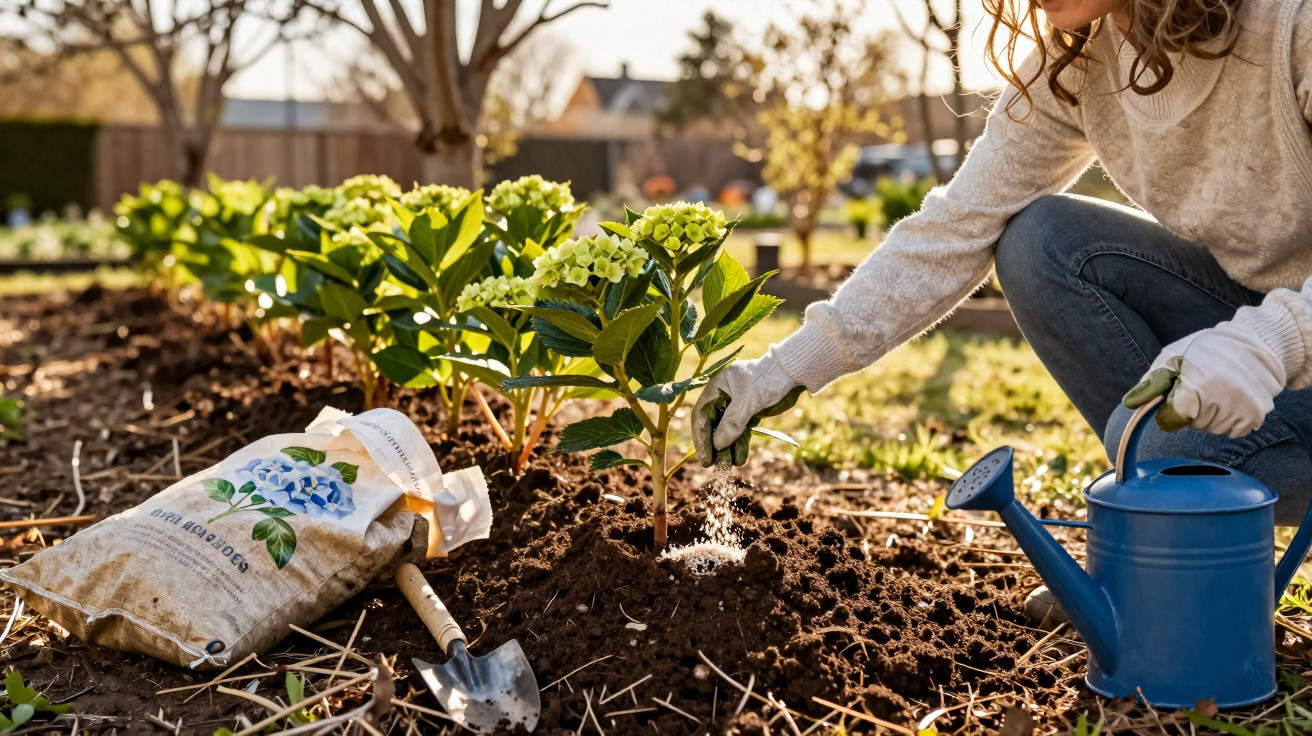
- Apply Epsom salt on slightly damp soil - using a spreader or by hand while wearing gloves.
- Make sure the granules are distributed as evenly as possible.
- Water well afterwards, or wait for rain, so the salt dissolves and soaks into the soil.
If you only want to treat small areas or sensitive spots, a gentler approach is possible:
- Fill a large watering can with water.
- Dissolve one cup of Epsom salt in it completely.
- Pour the solution evenly over the affected area without flooding individual patches.
Which product is suitable - and which should stay off the lawn
Not everything from the bath aisle belongs in the garden. The key is choosing pure magnesium sulphate with no additives. Fragrances, essential oils, dyes or conditioning oils have no place on grass. They can damage the blades, leave residues in the soil surface, or disrupt small organisms living in the ground.
| Suitable for the lawn | Better to avoid |
|---|---|
| pure Epsom salt / magnesium sulphate | bath salts with fragrances |
| garden Epsom salt from a DIY store | products with dyes or glitter particles |
| mineral salts without oils | bath additives with conditioning oils or foam formulas |
Common mistakes when using Epsom salt on the lawn
Because it is cheap and easy to buy, some gardeners are tempted to overdo it. Applying too much can upset the nutrient balance in the soil. Grass roots are sensitive to salt concentrations, even when the salt is mineral in nature.
Another frequent mistake is using Epsom salt as a replacement for normal lawn fertiliser. Magnesium sulphate supplies only magnesium and sulphur. For robust growth, lawns still need nitrogen above all, plus phosphorus and potassium. Relying solely on bath salt can leave the area depleted over time.
"Epsom salt is an add-on, not a complete fertiliser - the foundation is always a balanced nutrient mix."
Timing matters, too. In midsummer, many lawns are already under drought stress. Extra salt applications can then do more harm than good. Cooler, wetter periods in spring or early autumn are a better choice.
Lawn care that combines well with Epsom salt
If you want to support your lawn with magnesium, it pays to line it up with the rest of your maintenance. A practical spring sequence can look like this:
- Scarify to remove thatch and moss.
- Reseed bare patches and press the seed in lightly.
- Apply slow-release lawn fertiliser according to the manufacturer’s instructions.
- If a deficiency exists, add Epsom salt in a moderate amount.
- Over the following weeks, mow regularly but not too short.
This spreads the risk, and the lawn receives a coherent overall package rather than a one-sided boost of a single nutrient. If you are unsure, begin with half a dose of Epsom salt and watch how the lawn responds over a few weeks.
Background knowledge: why magnesium matters so much for plants
Magnesium sits at the centre of the chlorophyll molecule. Without it, a plant cannot make effective use of sunlight. Beyond its impact on colour, it also affects the cell’s energy balance, protein formation, and the movement of phosphorus within the plant.
In soil, magnesium is relatively mobile. Heavy rainfall or frequent watering gradually washes it down into deeper layers. This happens faster in light sandy soils than in heavier clay soils. That is exactly where magnesium sulphate helps: it temporarily tops up gaps in the nutrient store.
A basic understanding of soil science can prevent plenty of garden mysteries. A near-neutral pH, organic matter from compost, and a balanced fertiliser plan significantly reduce the likelihood of deficiency symptoms. Epsom salt then remains a targeted supplement rather than a permanent fix.
Practical takeaway: when it’s worth reaching for bath salt
For many garden owners, the trend has obvious appeal: a low-cost product from the chemist that refreshes the lawn in time for summer. A closer look shows that the buzz is rooted in sound plant physiology - but it is not magic.
Epsom salt can be genuinely helpful when the soil is short of magnesium and the lawn shows the typical signs. In that case, a moderate spring application can bring back a fresher green and sturdier blades. Without a real deficiency, or where basic care is wrong, the effect fades quickly.
If you want a resilient lawn in the long run, rely on a combination: an appropriate cutting height, precise watering, a suitable slow-release fertiliser - and only when needed, the famous €1 add-on from the bath aisle.



Comments
No comments yet. Be the first to comment!
Leave a Comment