
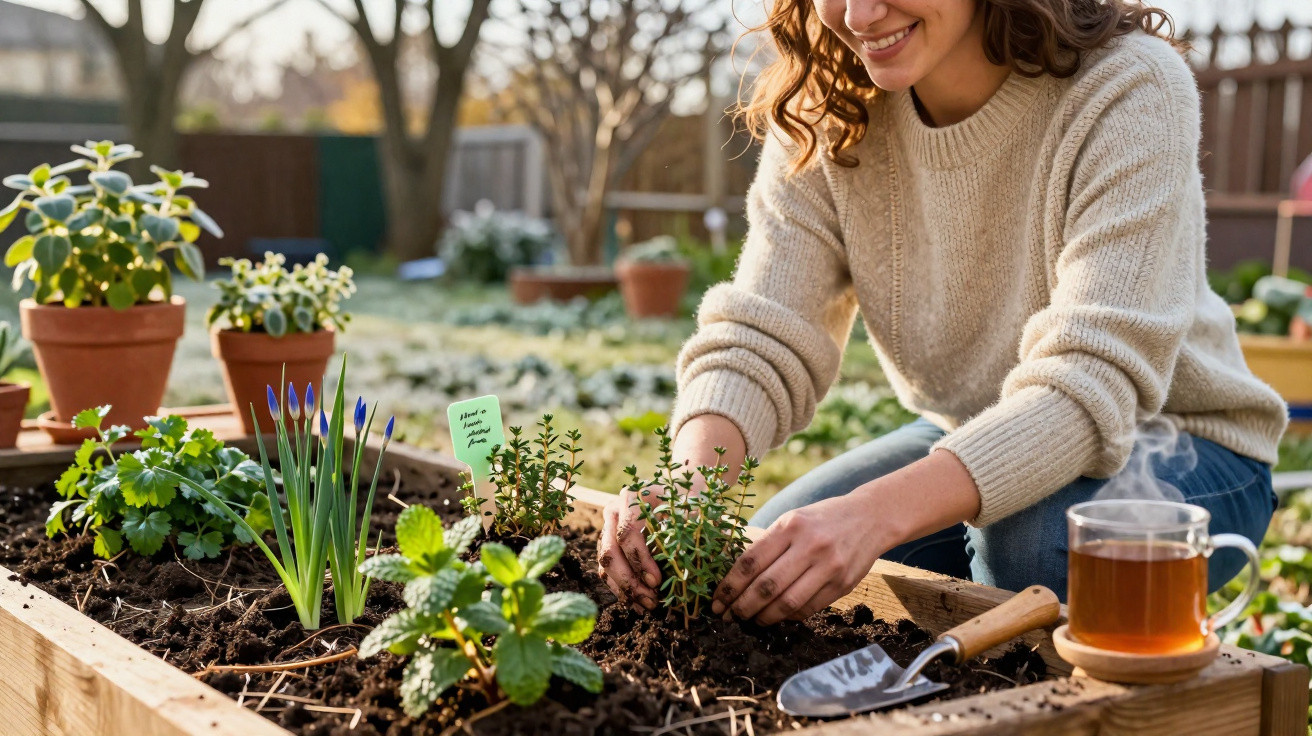
Anyone who is simply longing for spring is missing a real opportunity. A handful of highly aromatic perennial herbs hit the accelerator precisely when the rest of the garden is still dormant. Planted in the right place, they can provide fresh greenery from February onwards - with no seed trays on the windowsill and no propagation hassle.
Why now is the perfect time for perennial kitchen herbs
Many home gardeners look at the winter veg patch and see little more than a muddy wasteland with a few weary leek stalks. In reality, it can be the complete opposite: if you rely on perennial, long-lived herbs, you can end up with a garden that suddenly becomes a help-yourself buffet in late winter.
"The idea behind it: plant once, harvest for years - and do so when others are still leafing through seed catalogues."
These herbs tolerate frost, bank energy in their roots, and then surge into growth as soon as temperatures nudge just above 0 °C. A brief mild spell in late January or early February is often enough to trigger new shoots. While supermarkets at that time tend to stock pricey imports or energy-intensive greenhouse herbs, fresh flavour from your own bed is practically within arm’s reach.
The seven winter heroes: herbs that keep coming back
This isn’t about exotic curiosities, but hardy classics that many people already know from the kitchen - yet few use to their full potential in the garden. These seven varieties can keep you supplied for almost the whole year:
- Chives
- Sorrel
- Parsley (especially curly-leaf types)
- Mint
- Thyme
- Oregano
- Tarragon
Chives: the first green tips in the snow
Chives are often among the earliest herbs to get going. Their tubular leaves can even push up through melting snow. Once the clump is well established, it will come through harsher winters without trouble.
A handy approach is to plant several smaller clumps in different spots - for example near the kitchen and along the edge of the vegetable bed - giving you an “aroma pit stop” wherever you happen to be working.
Sorrel: tangy sharpness for tired winter meals
Sorrel reliably returns from the root year after year and tends to sprout very early. The young, tender leaves have a pleasantly sharp, lemony tang and give omelettes, creamy soups, or fish dishes an instant lift.
If you pick it regularly, the plant stays compact and continues producing fresh leaves. The best position is in slightly moist soil with a touch of partial shade.
Parsley: far tougher than its reputation suggests
Parsley is usually treated as a biennial, but in the bed it can often make it through winter and then put on strong growth again in its second year. Curly varieties generally cope with frosty nights better than flat-leaf types.
If you plant a few sturdy specimens in late summer, you stand a good chance of harvesting fresh greenery again towards the end of winter. What matters most is free-draining soil that does not become waterlogged.
Mint: invisible in winter, explosive in spring
Above ground, mint often disappears completely, but below the surface it continues building its network of roots. As soon as conditions turn milder, it sends up new shoots in very little time.
Because mint has a habit of conquering entire beds, it pays to grow it in a large pot or within a root barrier. That keeps it manageable while still giving you months of leaves for tea, desserts, or savoury dishes.
Thyme, oregano and tarragon: a Mediterranean trio with winter strength
Thyme and oregano keep some foliage in many locations even during the cold season. Their leaves are packed with essential oils - perfect when you want bold flavour in winter cooking.
Tarragon, by contrast, can look as if it has vanished in the depths of winter, but it returns reliably from the root. Place it somewhere sunny and sheltered, and spring will reward you with delicate, aromatic shoots.
How perennial herbs do the work with almost no maintenance
The biggest advantage of these plants is their built-in “store cupboard”. While annuals have to germinate and grow from scratch each year, perennial kitchen herbs stash starches and nutrients in their roots, rhizomes, or bulbs.
As daylight increases in January and February, they receive the signal to restart. Typically, this is what happens:
- The plant ends its winter dormancy.
- Stored energy moves from the roots into new growth.
- Fresh leaves appear visibly in a short time.
"For the gardener there is usually only one job left: in late winter, cut away old, dried stems so that light and warmth can reach the crown."
No pricking out, no propagation trays, no daily moisture checks - nature does almost everything on its own. If you like, you can apply a light mulch in autumn to protect the roots from severe frost.
From the grey corner of the bed straight onto the plate
The real magic shows up in the kitchen. These early herbs can change the whole character of meals, especially during the lean months.
- Sorrel adds bright acidity to scrambled eggs or a fish pan.
- Chives turn a simple baked potato with quark into a proper evening meal.
- Parsley lifts stews and braises visually and in flavour.
- Thyme and oregano are ideal with lentils, roasted vegetables, and slow-braised meat dishes.
- Mint gives teas and salads a reminder of summer.
- Tarragon brings a refined, lightly aniseed note to sauces and poultry.
When root vegetables and cabbage dominate the menu, a few leaves are often enough to transform a dish aromatically. Harvesting regularly also keeps plants compact and encourages fresh regrowth.
How to lay the groundwork now for years of strong flavour
If these herbs aren’t in your garden yet, it’s worth acting sooner rather than waiting until midsummer. A good time is any period when the soil is not frozen and can be worked with a spade.
| Herb | Ideal position | Special tip |
|---|---|---|
| Chives | Sunny to partially shaded, nutrient-rich | Divide every few years to keep it vigorous |
| Sorrel | Partial shade, slightly moist soil | Young leaves taste milder than older ones |
| Parsley | Bright but not full sun, humus-rich | Avoid fresh farmyard manure - it will struggle |
| Mint | Partial shade, fresh to moist | Grow in a pot to curb spreading |
| Thyme | Full sun, on the dry side, free-draining | Avoid waterlogging or the roots will rot |
| Oregano | Sunny, poor soil | Regular cutting promotes dense growth |
| Tarragon | Sheltered, sunny, loose and humus-rich | Divide and rejuvenate every few years |
Instead of painstakingly sowing, it often makes sense to buy young plants in pots. They are quick to plant and frequently provide a small harvest in the first year. If friends can give you root pieces or divisions, those work just as well - many of the herbs listed are easy to propagate that way.
How these herbs change the garden over the long term
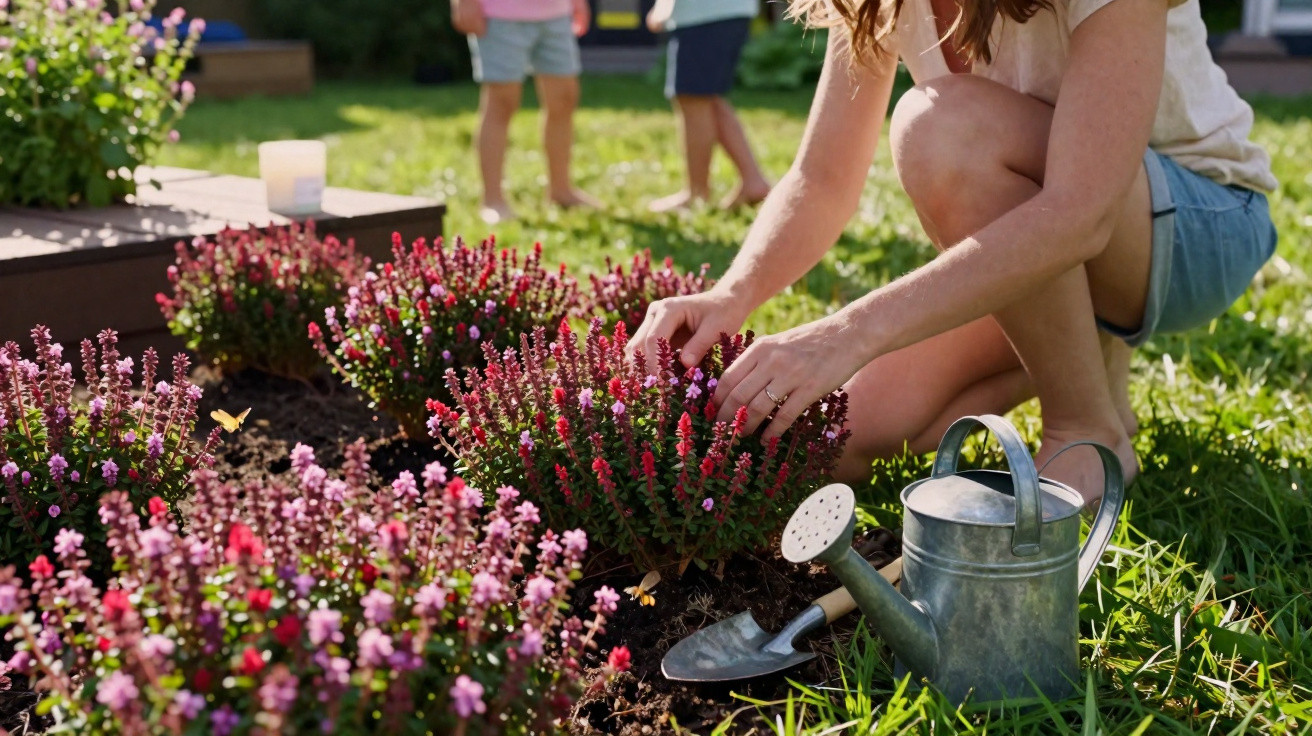
Perennial culinary herbs are not only convenient; they also strengthen the garden’s small ecosystem. When thyme and oregano flower, they attract bees and other pollinators, which in turn benefit fruit trees and berry bushes.
Many of these plants cope with little water, need no chemical plant protection, and support insects through their blooms. Plant them along the edge of the vegetable bed or under fruit trees, and you use space twice over while creating living structure - rather than leaving beds empty for months.
The interplay within the bed is interesting too: mint’s strong scent helps deter some pests, while thyme and oregano thrive in warm, dry corners that are less suitable for certain vegetables. In this way, herbs fill gaps and make the garden more resilient to weather extremes overall.
Practical tips for beginners and points to watch
If you’re new to perennial herbs, keep two things in mind: choosing the right spot and controlling spread. Mint needs boundaries, tarragon and chives benefit from dividing every few years, and thyme and oregano require free-draining soil or they will suffer in wet winters.
One practical tip: a narrow bed right by the patio or along the path to the kitchen lowers the barrier to harvesting regularly. Herbs you have to hunt for at the far end of the garden in the dark and rain end up in the saucepan far less often.
If you have children, they can easily get involved: collecting mint leaves for tea, snipping chives, tasting the first sorrel leaves - it makes the start of the season tangible and builds an awareness of how much a few unassuming plants can change day-to-day cooking.


Comments
No comments yet. Be the first to comment!
Leave a Comment