
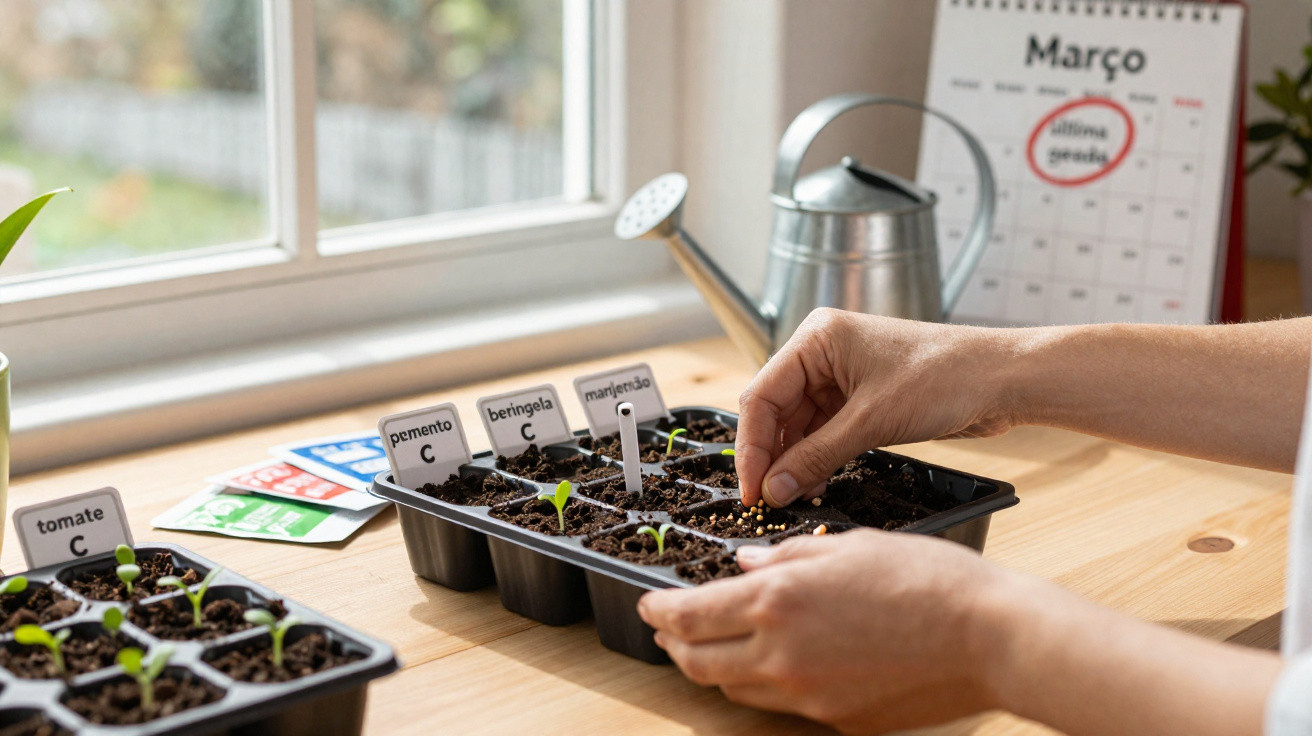
The days are stretching out, the ground is stirring, and gardeners everywhere start to feel that familiar urge to sow again.
March may look calm, yet it’s the month that quietly determines how overflowing your salad bowls and harvest baskets will be later in the summer. Skip a couple of important sowings now and you’ll spend the rest of the season chasing lost time. Nail them, and even a small back garden or a balcony can keep you eating home-grown for months.
The overlooked March moment that sets up your whole season
Why early March matters more than you think
Across many temperate areas, the opening weeks of March are when the soil begins to shake off winter’s bite and the longer days finally start to count. Garden centres stack seed packets and compost by the door, and social feeds fill up with flawless seedling shots. Underneath the aesthetics is a real timing problem: begin too late and warm-season plants never fully recover.
Most home gardeners miss a narrow March window, then wonder in July why their tomatoes and peppers are still sulking on the vine.
Whether you garden by the moon or simply keep an eye on the forecast, the takeaway is the same: this is your cue to move. March is for setting up indoor seed trays and getting outdoor beds ready, so plants can accelerate the moment dependable warmth arrives.
Get your kit ready before you touch a seed
Diving straight into sowing often costs you later, with uneven germination and needless do-overs. A brief preparation session makes everything smoother:
- Washed, reusable pots or modules (algae and old roots can carry disease).
- A fine seed compost or potting mix made for sowing, preferably peat-free.
- Labels and a pencil so you can identify what you actually planted.
- A watering can with a fine rose, or a misting bottle for gentle watering.
When everything is within reach, you avoid half-sown trays, wasted seed, and seedlings left drying on the kitchen table.
Warm lovers: the March sowings most gardeners forget
Tomatoes, peppers and aubergines need real heat, not “it feels mild”
Tomatoes, sweet peppers and aubergines (eggplants) steal the show in summer. They’re also famously fussy. Plenty of gardeners delay sowing until April-or even May-assuming that mild outdoor weather means indoor conditions are warm enough. By that point, the plants have already lost valuable weeks.
If you want blushing tomatoes and colourful peppers by mid-summer, sow them indoors from early March in a consistently warm spot.
For reliable germination, aim for roughly 20°C (around 68°F). A bright windowsill above a radiator, a heated propagator, or a small indoor greenhouse can all do the job. What matters most is steady warmth paired with strong light. If light is weak, seedlings become tall and flimsy, with thin stems that can snap as soon as they meet a breeze.
Basil: the forgotten partner to your tomato crop
Everyone imagines tomato-and-basil salads, yet basil rarely gets the same early start. Basil can’t stand cold draughts or chilly nights. Sow it indoors in March-either in shallow trays or small pots-and keep it on a bright, warm windowsill.
After germination, keep the compost lightly moist and rotate the pots every few days so the seedlings don’t tilt hard towards the light. When your tomatoes are ready to plant out, you’ll have robust basil plants to slot in beside them in containers, raised beds, or even a sunny pot by the front door.
Hardy heroes: what should go straight into the soil in March
Radishes and carrots: the double row that saves space
While your Mediterranean crops are being pampered indoors, the outdoor plot can already be productive with tougher choices. As soon as the soil can be worked (and isn’t sodden), several crops can be sown directly where they’ll grow.
A simple, underused trick: sow radishes and carrots together in the same row to save space and improve the soil surface.
Here’s the idea:
| Crop | Speed | Role in the partnership |
|---|---|---|
| Radish | Fast | Breaks the soil crust, marks the row, harvests early |
| Carrot | Slow | Follows behind, using the loosened soil left by radish roots |
Radishes usually appear quickly-often within a week-pushing through any surface crust that could stall slower carrots. You pull the radishes first, creating room for the carrots to swell. It’s a simple, low-tech approach that’s particularly useful in compact city gardens, where every centimetre matters.
Peas and spinach: seeds that thrive in the chill
Peas are often held back until the soil feels warm, and spinach is frequently postponed until “later in spring”. Both delays can work against you. Peas and spinach cope well with cool conditions, and often perform better because of them.
In March, sow garden peas or mangetout outdoors in shallow drills, ideally in free-draining soil. For spinach, make narrow furrows and sow sparingly, because crowding can lead to mildew. A light fleece or row cover over the bed helps shield young plants from sharp overnight frosts and from birds, while still letting air and rain through.
Early peas and spinach put down deep, strong roots in cool weather, giving you sturdier plants and earlier harvests than late sowings.
Keeping March seedlings alive: the quiet daily habits
Watering and airflow make or break your efforts
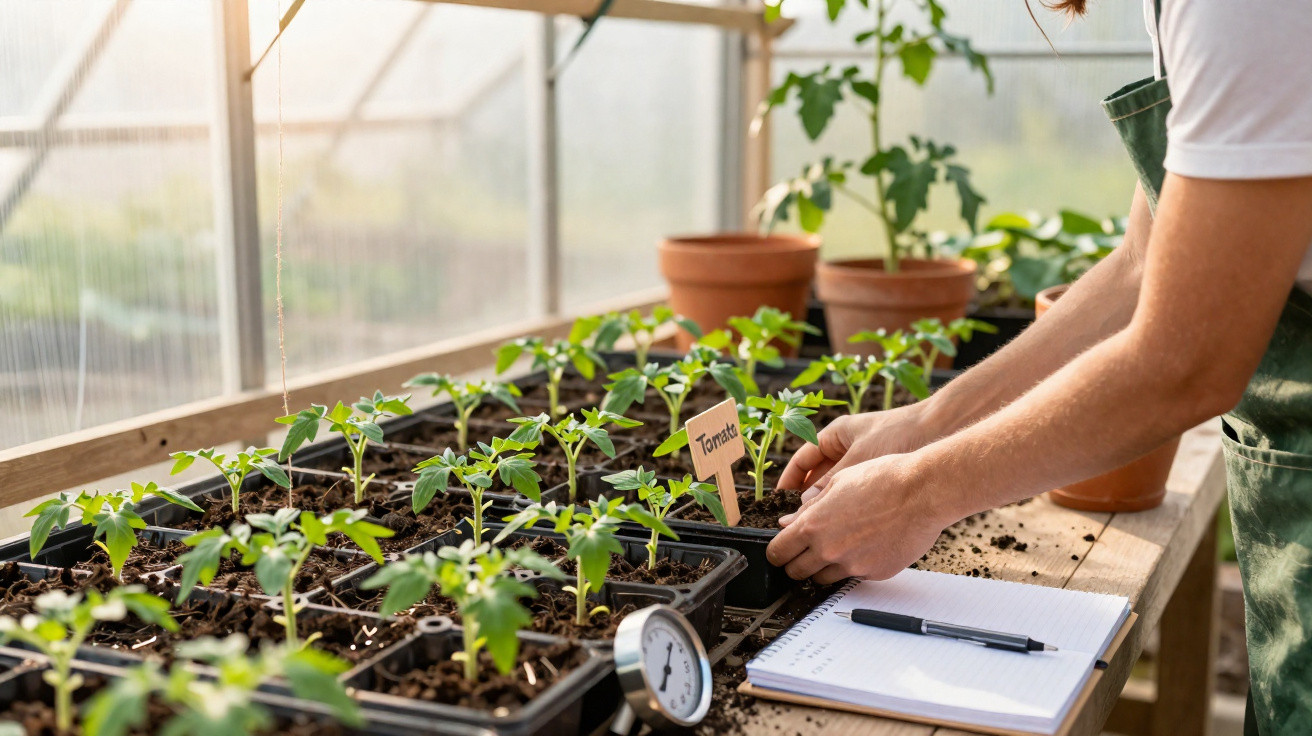
Once seedlings emerge, the main dangers are too much water and stagnant, humid air. Compost that stays soggy encourages fungi that trigger “damping-off”, where seedlings topple at the soil line.
Aim for compost that stays damp but never waterlogged, allowing the surface to dry a little between waterings. With indoor trays, pick pots up from time to time to judge their weight; you’ll soon recognise the difference between wet and dry. Open a window slightly or run a small fan on a gentle setting for an hour or two each day to keep air moving, especially around tightly packed seed trays.
March actions that pay you back all summer
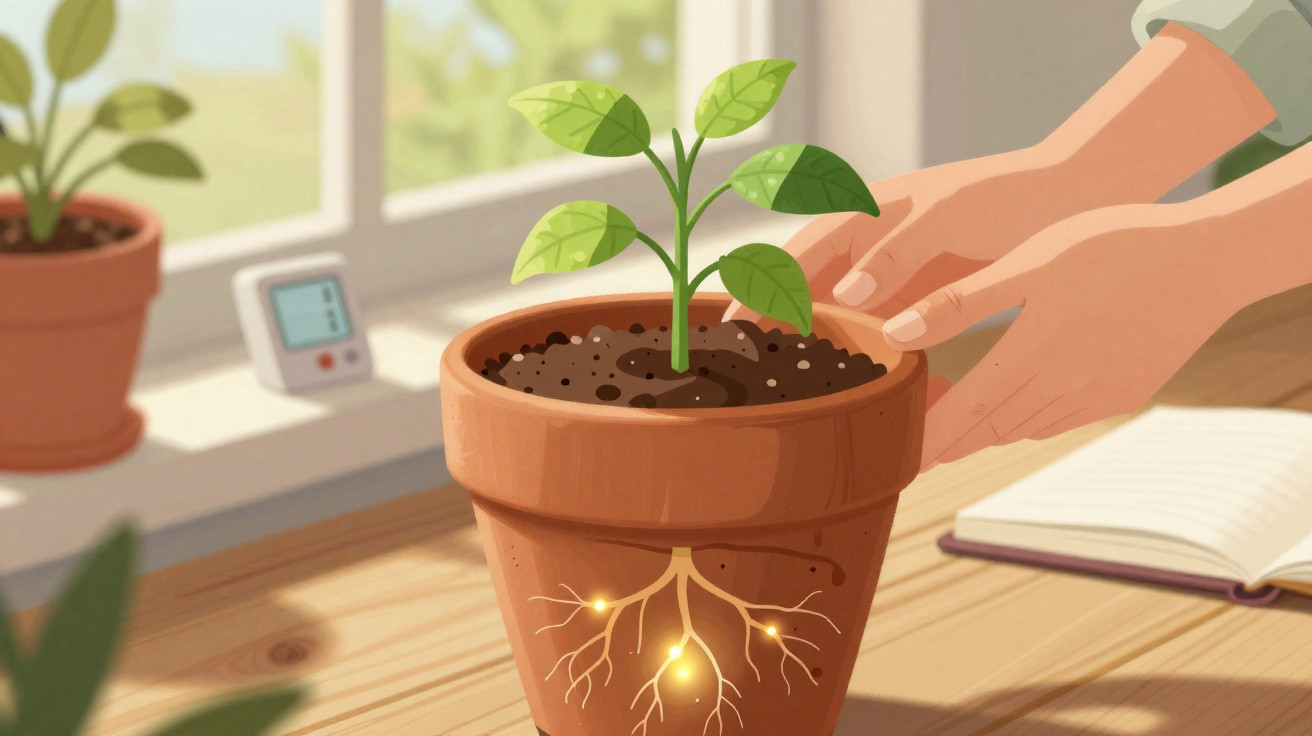
When seedlings form their first true leaves, lightly scratch the surface-outdoors with a hand fork, indoors with a pencil-to break any crust and help air reach the roots. It’s a small job, but it can reduce waterlogging and support sturdier growth.
At the same stage, many gardeners leave too many seedlings in one pot “just in case”. Thinning can feel harsh, yet crowded plants compete for light and nutrients. Removing the weakest early on gives you fewer seedlings, but stronger plants that tend to crop better.
What happens if you miss the March window?
If March disappears under a busy schedule and the seeds remain unopened until April or May, harvest times drift later. Tomatoes and peppers may struggle to ripen before the first autumn cold. Peas can stall in hot soil. Spinach may bolt into flower instead of producing worthwhile leaves.
Later sowings are still possible, but you’ll often end up buying larger plants from garden centres to fill the gap-at a much higher cost than starting from seed. If you’re watching the pennies or looking for organic varieties, missing that March slot becomes very noticeable.
Practical scenarios for small spaces and beginners
For a balcony grower limited to a handful of containers, a workable March set-up might be: a tray of tomatoes and basil indoors, a long outdoor trough sown with carrots and radishes, plus a deep pot of peas trained up a simple string support. Even that modest list can deliver salad additions, crunchy nibbles, and handfuls of sweet peas by early summer.
For a beginner with a small patch of ground, keep it to four March lines: one mixed radish-and-carrot row, one row of peas, one row of spinach, and a tray indoors with a mix of tomatoes and peppers. It stays manageable while still producing a surprisingly varied harvest from June through to August.
Key gardening terms that trip people up
Two expressions appear constantly at this time of year: “sow under cover” and “sow direct”. “Under cover” means any protected spot-indoors, in a greenhouse, or under a cold frame-where seed is shielded from frost and heavy rain. “Sow direct” means putting seed straight into its final growing position outside, rather than raising it in pots and transplanting later.
Knowing the difference makes seed packets far easier to follow and prevents classic errors, such as trying to start tender basil outdoors in March, or keeping hardy peas confined to a windowsill tray when they’d be better off rooting in cool soil.
March isn’t about doing everything; it’s about doing a handful of timely sowings that quietly transform your summer table.
Comments
No comments yet. Be the first to comment!
Leave a Comment