
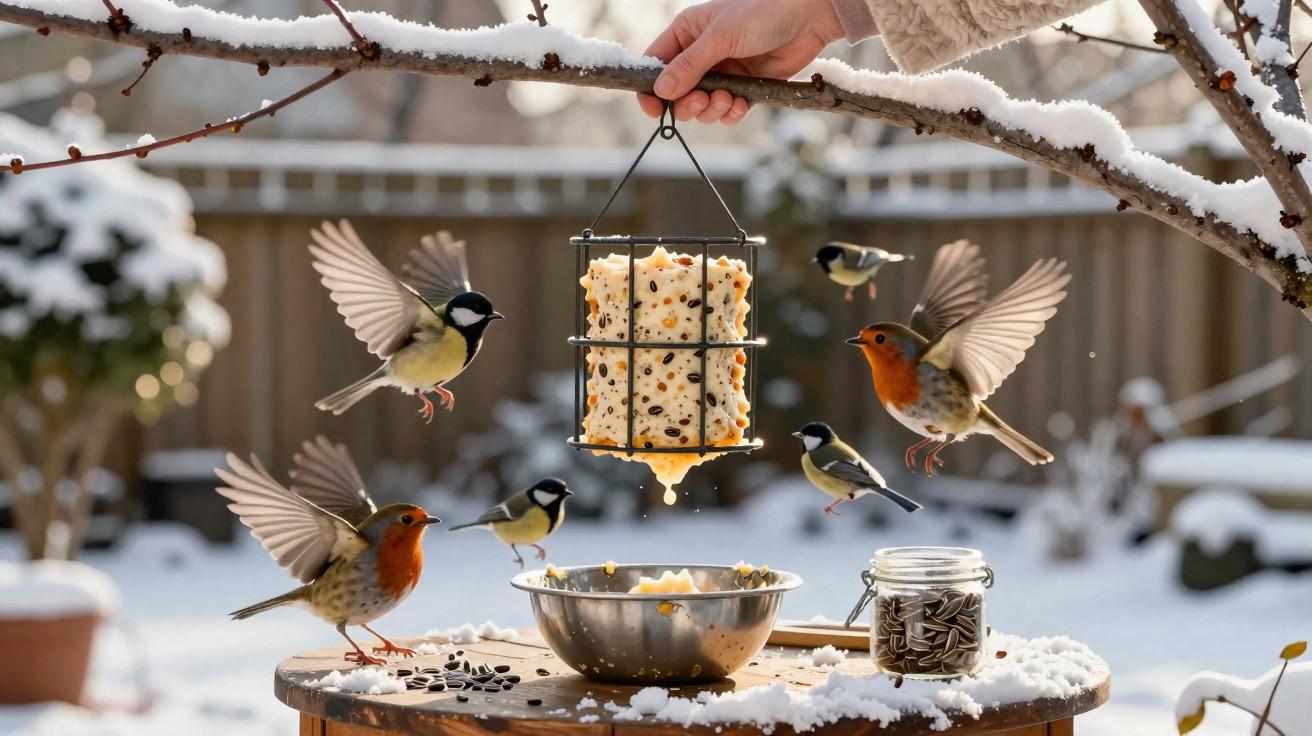
Across Europe and North America, plenty of people put up nest boxes and keep bird tables topped up. Yet one humble, old-school food is still widely overlooked - even though it can be the difference between a robin making it through a hard, icy morning or not.
When the temperature drops, small birds face an energy crisis
From indoors, winter can look peaceful. For a garden bird, it is closer to a relentless daily survival test. Each freezing night asks the same question: did it manage to lay down enough fat in the brief daylight hours?
A blue tit weighs roughly the same as a pound coin. In severe cold, it can burn through a big chunk of its stored fat simply to keep its body temperature near 40°C. Miss food for even a short spell, and it may not last until dawn.
Cold is only part of the problem. What they eat becomes harder to find, too. Insects retreat deep into bark crevices or down into the soil. Berries drop, rot, or get stripped early. Leaving seed heads standing helps, but in many neat, closely managed gardens there is little left by January.
"By mid-winter, many small birds sit on a knife edge: one or two days of poor feeding can be fatal."
That is exactly when people can genuinely help - as long as the right food is available when birds most need it.
The overlooked winter lifeline: unsalted fat as high-octane fuel
When filling feeders, most people reach for seed mixes, peanuts and nyjer first. All of those have their place. However, one option outperforms almost everything else when the weather turns brutal: plain, unsalted fat.
Fat provides more than twice the calories per gram compared with carbohydrate or protein. For a tiny bird that must keep its internal “furnace” running throughout a long night, that energy density is invaluable. Seeds need cracking and take longer to digest. Properly prepared fat is taken in quickly and helps warm the body as it is metabolised.
"Think of unsalted fat as a pocket-sized hot water bottle that birds can eat."
That is why, in a cold snap, you may notice tits, nuthatches and sparrows bypassing some seeds and heading straight for fat balls or suet cakes.
Which fats help and which can harm?
Not every kitchen leftover is bird-safe. Some of the most commonly offered scraps can cause real harm.
- Recommended: beef suet, plain lard, unsalted butter in moderation, solid coconut fat (unrefined and unsweetened).
- Use with care: commercial fat balls or suet blocks – check that they contain no added salt, no artificial sweeteners and a high proportion of real fat.
- Avoid: salted fats, meat drippings mixed with gravy, margarine, cooking oils, anything seasoned, smoked or spiced.
Salt puts strain on birds’ kidneys and can lead to dehydration or poisoning. Soft, spreadable fats can smear onto feathers, reducing insulation and waterproofing. Cooking fats combined with meat juices also go rancid quickly and can draw in rats or foxes.
What fat actually brings to a winter bird menu
Fat does more than supply calories. It supports a stable body temperature and helps birds cope through extended spells of snow or ice. When insects are out of reach and the ground is frozen solid, fat stops being a “treat” and becomes a back-up ration.
| Food type | Main benefit | Winter role |
|---|---|---|
| Seeds | Energy and some protein | Daily staple for many species |
| Fruit and berries | Sugars, vitamins, water | Short bursts of energy when available |
| Insects | High-quality protein | Crucial for adults and nestlings in spring |
| Unsalted fat | Very high energy per gram | Life-saving fuel in freezing spells |
A lot of shop-bought seed mixes are padded out with cheap fillers that birds simply toss onto the ground. By comparison, a straightforward homemade fat mix - with a few worthwhile additions - can feed many species while keeping waste to a minimum.
A simple homemade winter fat recipe
You only need a handful of ingredients and around ten minutes of hands-on time:
- 200 g plain beef suet or other unsalted animal fat (or solid, unrefined coconut fat)
- 100 g sunflower hearts
- 50 g rolled oats
- A small handful of chopped, unsalted peanuts or hazelnuts
Warm the fat gently in a pan over a low heat. Mix in the dry ingredients, then spoon into yoghurt pots, biscuit cutters, half coconut shells or purpose-made feeders. If you want to hang them, add a stick or a loop of string. Leave the mix to cool and set fully before placing it outdoors, somewhere cats cannot reach.
"A pound of home-prepared suet mix can keep a busy feeder going through multiple nights of frost."
How to offer fat safely in your garden
Presentation matters almost as much as what you put out. The bright green plastic nets that often come with fat balls are convenient, but they can catch claws and feet. A bird that becomes trapped may panic, and serious injury can be fatal.
Better choices include:
- Rigid metal cages made for suet balls or blocks
- Wire mesh feeders secured firmly to a pole or wall
- Fat packed into the cracks of a rough log or a drilled “suet log”
- Pine cones coated in fat and rolled in seed, then hung with natural twine
Position feeders at least two metres away from dense cover where cats might hide, while still keeping them close enough to shrubs or trees so birds have a quick escape route from sparrowhawks.
Cleanliness also affects how beneficial feeding really is. If fat smells sour, looks grey, or has a shiny film on the surface, bin it immediately. Wash feeders often with hot water and a brush. Clear up any fallen chunks to reduce the chances of attracting rats and mice.
Who shows up when you put fat out?
In many European gardens, blue tits and great tits are usually the first to test a fresh suet block, clinging on acrobatically and chipping away. House sparrows tend to arrive in loud groups, squabbling over the best spots. Robins are often more cautious, waiting below to pick up crumbs.
In the UK and similar climates, common fat visitors include:
- Blue, great, coal and long-tailed tits
- House and tree sparrows
- Robins and dunnocks
- Nuthatches and treecreepers
- Woodpeckers, especially great spotted
- Starlings, which can empty a feeder at remarkable speed
Once they gather, a quiet garden can become a small theatre: hierarchies emerge, bold birds muscle in, and shy individuals wait on nearby branches. Following these patterns through winter can give you a much clearer picture of which species actually live nearby than a brief summer glimpse.
Feeding with a conscience: balance, timing and limits
Well-meaning feeding can backfire if it becomes heavy, constant and unlimited. When birds start relying on one garden as an always-on source of rich food, unusually large numbers can congregate. That increases competition, helps disease spread, and can alter local behaviour.
"Think of winter feeding as a support act, not a total replacement for wild food."
Many conservation organisations suggest beginning consistent feeding as temperatures drop and natural supplies plainly thin out, then reducing it once spring growth begins and insects return. It can also be risky to stop fat balls suddenly in late March if another cold snap arrives, so keeping an eye on the forecast matters.
Leaving seed heads on perennials, maintaining older hedges, and allowing a corner of “untidy” grass to remain through the year can lower the need for intensive feeding in the first place.
From backyard gesture to wider impact
Every fat ball or suet cake sits within a bigger story about how modern places support - or fail to support - wildlife. Monoculture farmland, paved-over gardens and closely cut verges remove natural feeding opportunities. A couple of well-run feeders cannot replace what has been lost, but they can help birds get through the toughest weeks.
Winter feeding is also often used by teachers to bring ecology to life for children: energy budgets, predator–prey relationships, and how small actions add up when repeated across many households. One school suet feeder may not shift regional numbers, but a thousand school grounds doing it starts to make a difference.
Two winter scenarios that show fat’s role
Picture a three-day freeze with snow lying in a typical suburb. A robin that would normally find insects in leaf litter suddenly has almost nothing to probe or turn. Without access to rich food, it uses up fat reserves and then begins breaking down muscle. By the third night, its chances drop steeply.
Now imagine that same bird has a safe, reliably stocked fat feeder within its territory. It still searches for natural food during the weak daylight, but then tops up on suet later in the afternoon. It reaches its roost heavier and warmer, and its likelihood of making it through to spring increases dramatically.
Terms and small details that matter
“Suet” often trips people up. Here, it means the hard fat from around the kidneys of cattle or sheep, not just any random meat trimming. Because it stays firm in cooler weather, it is less likely to smear onto feathers, and birds can grip it easily.
“Unsalted” on the packet is another crucial point. Many baking fats and butters contain small amounts of salt. To human taste, it barely registers. To a bird weighing less than an ounce, it can be several times more salt than its body can safely deal with.
Nest boxes will always grab the headlines and the Instagram attention. But in the coldest, stillest weeks of winter, a plain lump of unsalted fat hung from a branch can do more immediate good than even the prettiest painted birdhouse.


Comments
No comments yet. Be the first to comment!
Leave a Comment