
The day I stopped tipping my plate scrapings straight into the bin, the kitchen sounded strangely hushed.
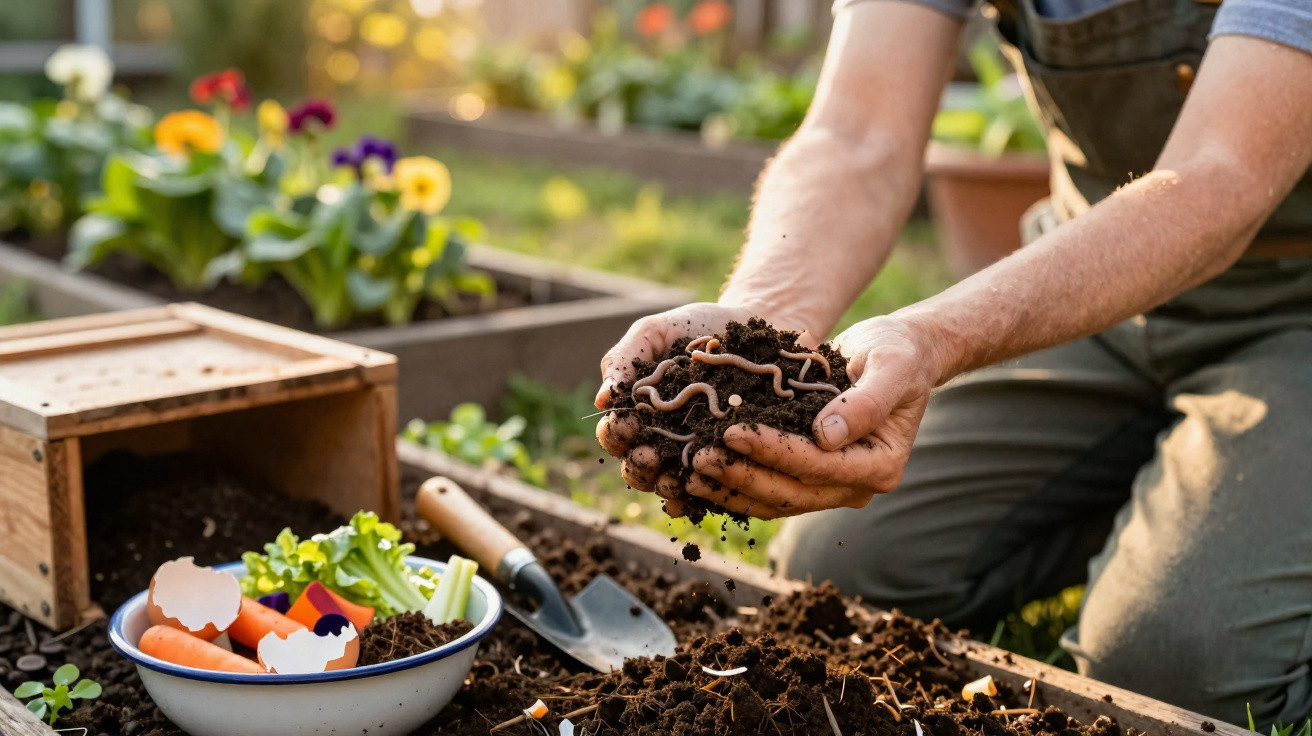
Rain kept tapping the glass, the kettle clicked itself off, and I stood there holding onion ends and used tea bags, unsure what to do next. I’d read plenty about how much we waste and how depleted our soil has become, yet it wasn’t the figures that shifted me. It was the simple weight of those leftovers-still warm from the roast, faintly steaming over the sink-like they weren’t finished being useful. We all know that odd moment when a tiny choice feels far larger than it ought to. I pulled open the back door, stepped into the drizzle, and slid the peelings into a shallow trench while a neighbourly earthworm lingered nearby as if supervising. By the next morning, the soil looked different. Or perhaps I was the one who had changed.
The first handful that changed everything
It started awkwardly. I set an old pudding bowl by the sink, wrote “scraps” on it, and began dropping in banana skins, eggshells and coffee grounds from my morning cuppa. I didn’t get it right every day. Sometimes I forgot; sometimes I emptied it into the council caddy and told myself that would do. Even so, a quiet routine took shape: save it, chop it, feed the ground, then wander back indoors with muddy knees and a ridiculous grin.
Soil is alive, and it eats. That single idea finally stuck. Soil isn’t a dead base that merely holds plants in place like a jar holds pens. It’s a crowded, busy world of microbes, fungi, wriggling labourers and unseen builders-and they need feeding. Give them kitchen scraps and they start improving structure, holding onto moisture, and handing nutrients around the neighbourhood like decent neighbours.
I began to notice the small theatre of it. The dull thump of peel landing by the spade. The way wet earth folds over a banana skin as if saying “mine.” The first bed I tried was tired and compacted, the sort of ground that wouldn’t crumble for anything. A month later, the spade went in with less effort. It wasn’t instant and it wasn’t mystical-just a slow, everyday kindness.
What scraps actually help
What to welcome
Fruit and vegetable peelings are your reliable allies: carrot tops, apple cores, courgette ends, brassica stalks-ideally chopped smaller. Coffee grounds can be great if you use them sensibly, mixed through soil or compost rather than dumped in a thick clump that sets into a miserable, waterproof disc. Tea leaves work as well, but check your tea bags are plastic-free, or split them open and bin the mesh.
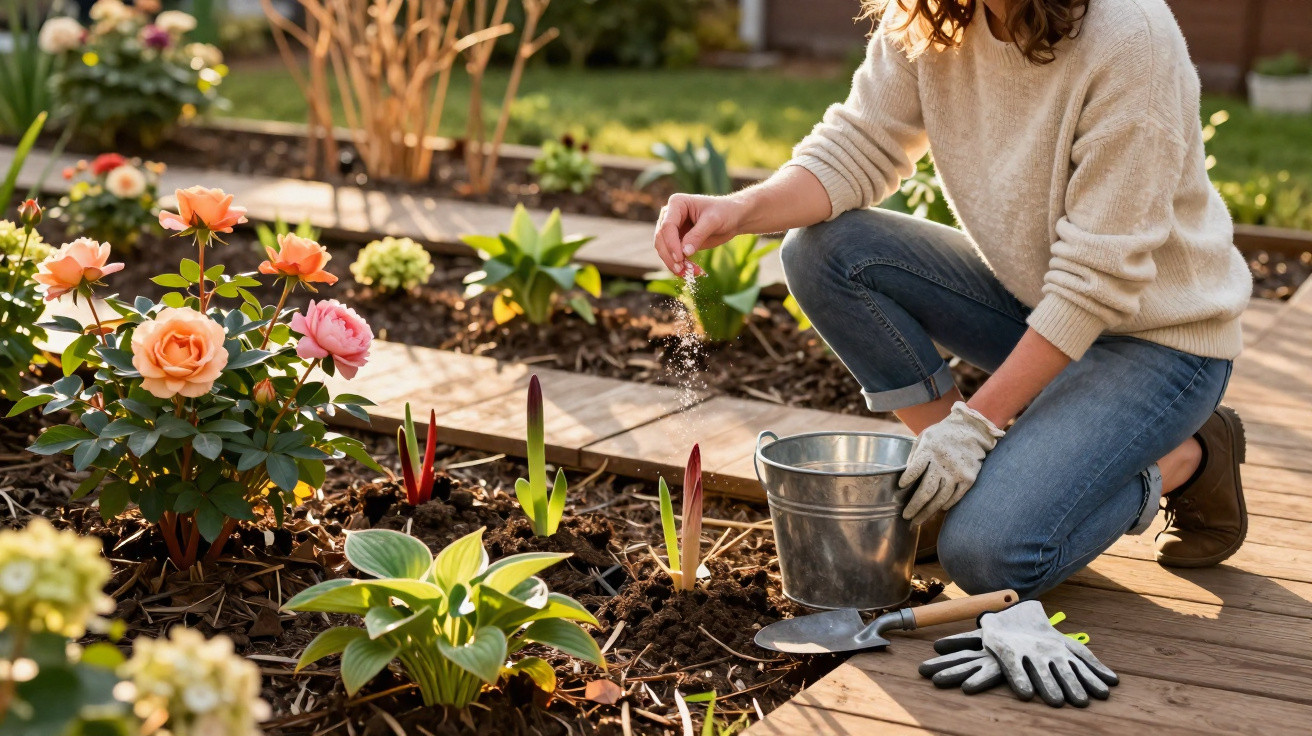
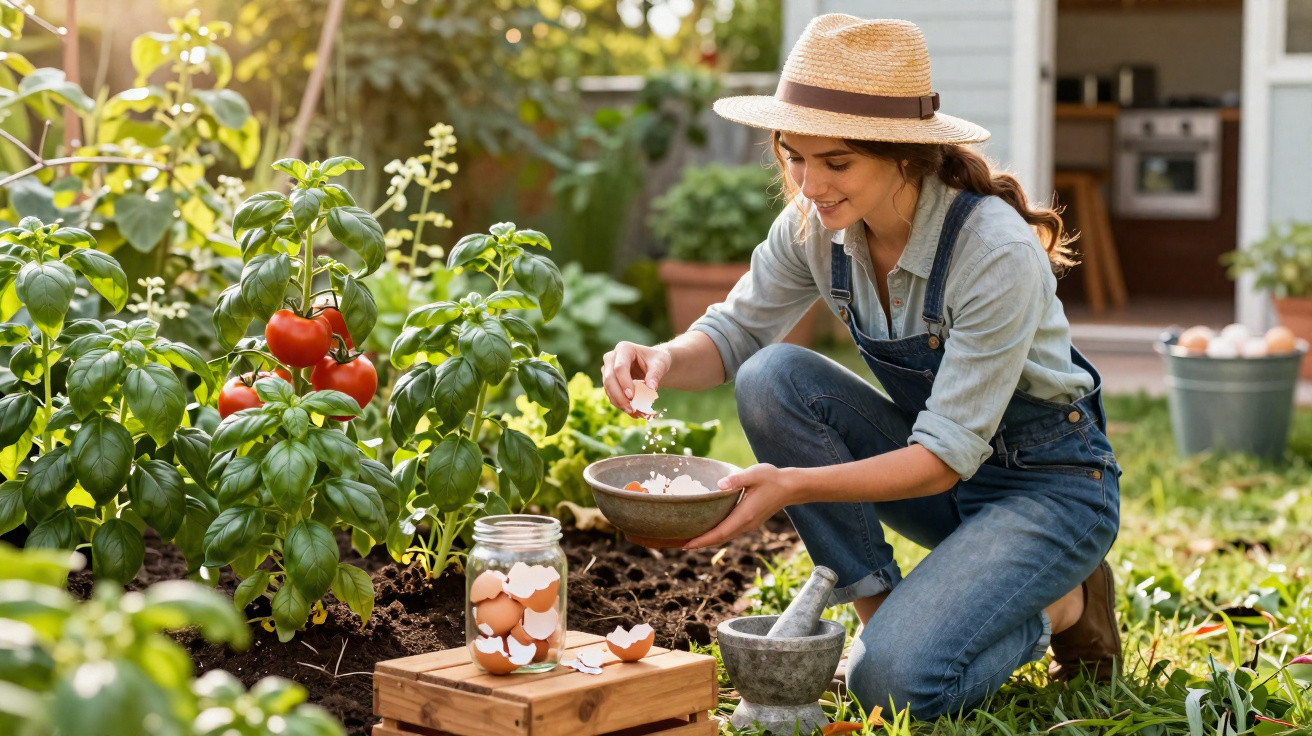
Eggshells are brilliant for calcium once they’ve been dried and crushed into a fine powder between your fingers, or bashed in a spare jar with a rolling pin and a bit of gusto.
Banana skins bring potassium, so I cut them into thin ribbons with kitchen scissors before they go into the soil. Onion skins and garlic ends are fine too-chop and bury them, but don’t leave great piles sitting on the surface. A little stale bread or rice disappears quickly when it’s properly covered. If you’ve got cardboard sleeves, brown paper, or a few shredded loo-roll tubes, they help balance wetter scraps and settle the whole mixture.
What to skip or go slow on
Meat, fish and dairy tend to smell and can attract foxes and rats, so leave them out unless you’re using a sealed bokashi system. Thick citrus peel takes ages to break down and can make worm colonies sulk, so use small amounts and bury it deeply, or dry it first and crumble it.
Cooking oil has no place in your plot; it smothers soil life like throwing a blanket over a tiny fire. Large pits and stones aren’t exactly harmful, but they’re effectively forever-set them aside and let them glower from the compost like fossils from last week’s lunch.
“Compostable” labels on bioplastics are a trap; most won’t degrade in a home heap. If you’re uncertain, don’t offer your soil a wish. Stick to what you’d happily stew: plant bits, paper bits, plus a little caffeine for the workforce.
The lazy alchemy: trench composting
When I didn’t have room for a proper compost bin-or, if I’m honest, the patience-I leaned on trench composting. The name sounds like a military manoeuvre, but it’s simply a tidy channel in the soil, roughly a spade’s depth, where kitchen scraps get tucked away like buried treasure. Tip them in, cover with the soil you removed, mark the spot with a twig, then shift along the bed as the weeks pass.
This is what improved my beds most quickly. Scraps break down exactly where future roots will explore, and the garden stays civil: no bad smells, and no nosy neighbourhood fox. In a cool British spring, scraps are usually gone within four to six weeks; in summer, quicker still. The only guideline is to chop what you can into smaller pieces-and on a Tuesday night that can mean “good enough”.
Move your trenches around so the feast is spread. If I’m planning ahead, I’ll trench in autumn and sow in spring on top of that quiet buffet. It’s calm, effective, and it allows the soil to do its clever work without me hovering.
Tiny livestock: inviting worms to the party
If trenching is the low-effort route, a wormery is the gentle, clockmaker version. You’re essentially keeping pets-red wigglers that chew through scraps and return worm castings so silky they almost gleam. A stackable worm bin on a small patio can turn kitchen odds and ends into fertiliser that plants gossip about in the evenings.
Worms prefer soft food, snug bedding and as little drama as possible. Tear cardboard into strips, dampen it, and settle it around the scraps like a duvet. Citrus and onion aren’t forbidden, just kept small and not constant; coffee is a treat, not the main course. Catch the leachate carefully and dilute it before watering, like cordial for seedlings.
When the top layer becomes dark, crumbly castings with a clean, earthy smell, lift it out with a trowel. That’s rocket fuel for pots, seedlings, and any bed that’s been sulking. Keep the worms shaded and fairly warm, and they’ll happily earn their keep.
Quick kitchen boosts from the kettle
Some help doesn’t need to be buried and waited on. When the lettuce looks like it’s drafting its final wishes, I’ll make a quick tonic from scraps. Banana peel “tea” is a gentle, old-school trick: soak sliced skins in a jug of water for 24 to 48 hours, then pour it around the base. It won’t conjure miracles, but it does make you feel like a friendly witch at the sink-and sometimes that’s part of it.
Eggshell powder is my standby for tomatoes and peppers. I dry shells in a low oven after the bread has been in, then grind them until they squeak under the spoon. Sprinkled into planting holes, they offer a slow, steady nudge of calcium.
Coffee grounds are best treated like seasoning: a light pinch worked through the topsoil, never a thick layer that mats and clumps.
Then there’s simple vegetable stock water-cooled first-splashed around roots after boiling carrots or greens. Avoid anything salty or oily, and the soil will take the leftovers like a well-mannered guest at a garden party.
Greens, browns, and the sniff test
There’s a rhythm to this that you can sense without any diagrams. Wet, fresh scraps-your greens-need the backup of dry, papery browns. If your trench or compost gets too sloppy, it starts to smell; if it’s nothing but cardboard, it crawls along and gives your seedlings a shrug. Combine them as if you’re mixing granola: a handful of this, a handful of that, stirred by rain and worms.
A bag of autumn leaves kept somewhere dry will save your bacon all winter. Tear up cardboard sleeves in front of the telly and keep them in a crate by the back door. Balance the soggy with the papery, and smells take care of themselves. When it’s right, you can almost hear the change: the squelch disappears, replaced by a soft crumble under the trowel.
If your nose recoils, add more browns, mix, and cover. If it looks parched, give it a soup of chopped scraps and bury it properly. The sniff test beats any spreadsheet.
Keep foxes out, keep neighbours sweet
British gardens come with their own cast of characters, and some of them wander on four legs after dark. Foxes aren’t wicked, just inquisitive; rats are simply opportunists. Both will accept a free buffet, which is why scraps belong beneath soil, not left on top-unless you’re using something sealed like bokashi.
Bury scraps at least a hand’s depth, press the soil back down, and avoid meat, dairy and oily leftovers. If your street is a wildlife highway, don’t use the same place every time; rotate like a careful baker hiding buns. Laying a piece of wire mesh flat over a freshly buried patch can discourage digging for the first day or two. Your neighbours should only smell rain on tarmac, not last night’s roast.
Bokashi is an excellent back-up for flats or foxy neighbourhoods: ferment scraps in an airtight bucket with bran, then bury the pre-pickled mix under soil so it can finish breaking down. It looks like the remains of a science project, works beautifully, and avoids most worries about whiffs.
How you know it’s working
In the beginning, the signs are small. The soil turns a little darker. The surface resists cracking after sun. When you squeeze a handful, it holds together briefly and then releases-more like a polite handshake than a desperate grip. Seedlings stop sulking; by mid-afternoon they’re standing straighter, leaves glossier, stems less fragile.
Then the cast turns up. Earthworms appear without announcement, plump and unhurried. Fine strands of fungal mycelium thread through the mulch like lace. Happy soil has a smell: a soft woodland note that makes you breathe deeper. If slugs arrive, beetles tend to follow; if aphids line the stems, ladybirds often show up. The garden begins to feel steadier-balanced rather than under siege.
There’s also a moment with the spade that tells the whole story. It goes in with a gentle shuck, and when you lift, the clods break apart instead of cutting like cake. That’s structure. That’s the community you fed with peelings-expanding, inviting friends, building a home your roots can travel through.
Seasons, shortcuts, and the real life bit
Winter wants insulation. I gather leaves, lay them thick over beds, and hide scraps underneath where the cold can’t interfere too much. The soil doesn’t do nothing in January; it murmurs. Microbes keep working, slower but persistent, and you’re setting the table for spring. In a dry summer, I water less because my ground holds moisture as if it finally learned how.
And honestly, nobody keeps this up perfectly. Some weeks the bowl overflows; some weeks you’re away and it’s anyone’s guess what happened while you were gone. That’s all right. Soil is forgiving. Keep a small caddy by the sink and a spade handy, and the habit finds you again, the way rain finds the gutter after a long dry spell.
If chopping everything feels like a faff, keep scissors in the drawer and snip peel as you go-two cuts here, three there. It’s less of a ceremony and more of a reflex. I only set reminders when I’m starting a new bed. Otherwise I’m prompted by the year: first snowdrop, first cuppa outdoors, first slug patrol at dusk.
For pots, patios, and borrowed soil
No garden doesn’t mean you’re excluded. A wormery on a balcony can turn scraps into castings that you mix into potting compost. Half a handful per pot is plenty, and the plants on your windowsill will repay you with leaves that look freshly polished.
For rented homes and tiny courtyards, consider planters with false bottoms. Scraps go into a buried column-an old length of pipe with holes and a lid-surrounded by soil. Microbes move in and out like commuters, and the plant feeds from the edges. It’s neat, discreet, and it keeps your landlord blissfully unaware that an ecosystem is thriving beside the recycling bins.
Allotments are where this becomes a shared story. People swap egg boxes for seedlings, shred newspapers for one another, and trade coffee grounds from the café by the gate. A bed fed by neighbours grows good gossip as well as good beans.
The science under your fingernails
Kitchen scraps don’t nourish plants directly; they nourish the workers that look after them. As microbes break down peelings and grounds, they release nitrogen, phosphorus, potassium and the micronutrients that keep growth steady rather than frantic. Fungal networks transport supplies from one root to another, striking bargains we barely understand. The structure created by all this activity lets air and water move freely, and roots follow those easy routes.
Chopping helps because it creates more edges for life to get hold of-surface area is the magic phrase we pretend we’ve forgotten since school. Moisture matters just as much: damp, not drowning. If your trench is powder-dry, water it as you would a new plant. If your compost has turned swampy, wedge in cardboard and turn it gently, and the smell will drift away to look for someone else’s neglect.
There isn’t one correct method. There’s only your method, shaped by your kitchen, your weather, and how much patience you’ve got. Some mornings you’ll grumble at the rain and decide the scraps can wait. Other mornings you’ll step outside in your dressing gown and whisper “good breakfast” to the ground.
A small pact with your patch
One spring I sowed a row of broad beans where I’d been burying peelings all winter. They came up like confident little fists, then flowered with a scent so clean and faint it could have been a memory of honey. Bees found them like pilgrims. The pods looked almost smug, the way things do when they’ve been cared for properly. Visiting children pulled carrots and kept saying wow, as if the soil had pulled off a trick.
Stop throwing away tomorrow’s topsoil. That’s the whole idea: a small agreement between your plate and your patch, stitched with peelings, backed by coffee, and sealed with the tap of a spade. The food you didn’t finish still has work to do-still keen on a second life. It wants to come back as a tomato, a rose, a strawberry that stains your fingers.
The reality is that feeding soil with kitchen scraps doesn’t make you virtuous; it makes you involved. Balance the soggy with the papery, and your garden does the rest. Next time the kettle clicks off and you’re holding the ends and odds of a meal, step outside. Listen for the quiet sound the earth makes when it says yes.
Comments
No comments yet. Be the first to comment!
Leave a Comment