
The bucket was never going to win any beauty contests: a dented ice-cream tub, streaked orange from old tomato sauce, shoved into a kitchen corner. Into it went onion skins, limp lettuce, coffee grounds, and those last stubborn grains of rice clinging to the pan. Most people would scrape all of it straight into the bin. Sam didn’t.
Each evening he clipped on the lid, took it out to the back garden, and emptied it onto a still, shady patch of earth. As the weeks rolled by, the grim little heap slumped, softened and then simply faded away. One spring morning, he pressed his hand into the spot where the “rubbish” had been. His fingers sank into dark, crumbly soil with that woodland smell you get after rain.
That summer, his cucumbers climbed and sprawled as if they knew something the rest of the garden didn’t.
The kitchen scrap that quietly transforms tired soil
Gardeners like Sam keep coming back to the same low-key truth: kitchen waste isn’t a threat to a tidy home - it can be the strongest ally a living garden has. And among all the peels and leftovers, one plain, easily overlooked item earns the loudest praise: eggshells.
They accumulate quickly on the worktop, pale and brittle, and it’s easy to chuck them away without thinking. But those cracked shells are packed with calcium carbonate - the same material found in limestone and seashells.
As they slowly break down in the ground, they support worms, help moderate soil acidity, and quietly mend what synthetic fertilisers can sometimes upset.
In a London flat with only a small balcony, Mia grows cherry tomatoes in old paint buckets - hardly ideal, by the book. In her first year, the plants started to yellow halfway through summer. Leaves curled, fruit stayed undersized, and by August the compost looked worn out.
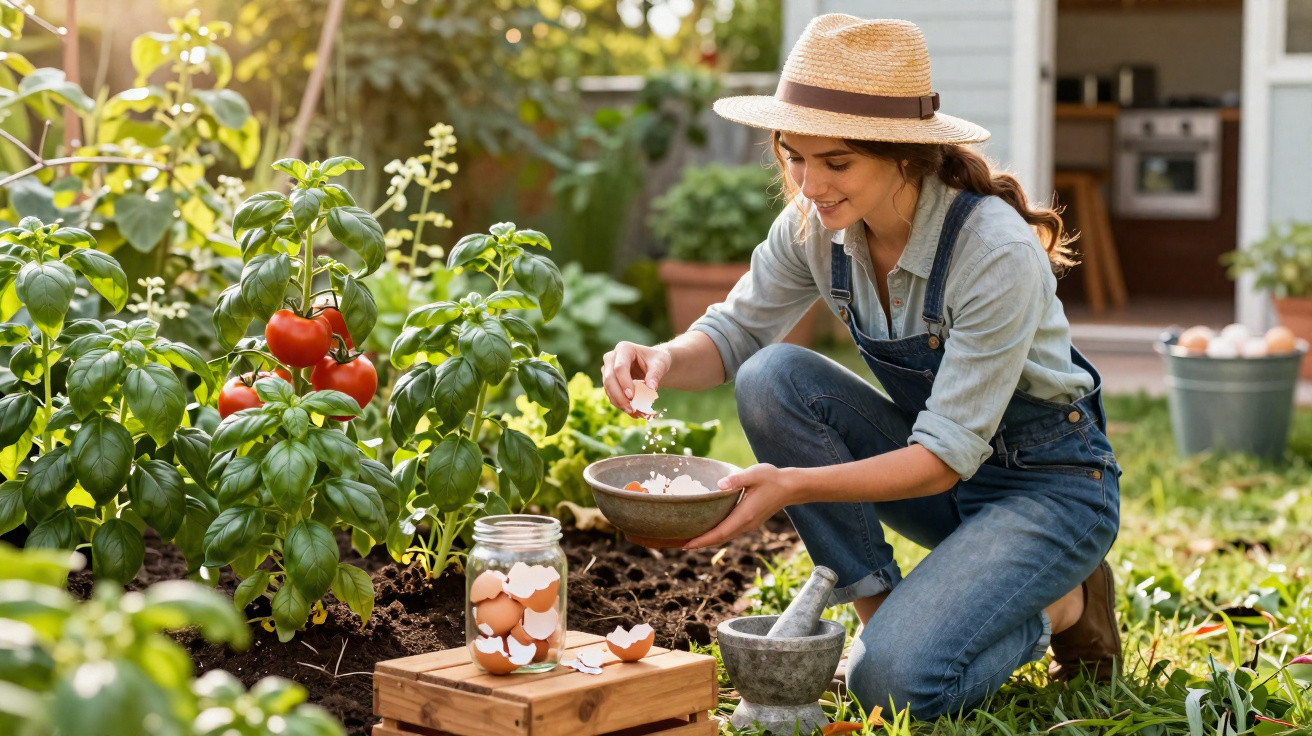
The following season she copied a habit her Sicilian grandmother practised without fanfare: she saved every eggshell from breakfast, rinsed and dried them on a baking tray, then crushed them and stirred the powder into the potting compost. She didn’t switch varieties, change how often she watered, or even upgrade the bargain compost she bought.
By July, those same buckets were thick with growth and heavy with red fruit. She laughs about it now and says the improvement felt “unfair”.
So what explains this quiet, steady shift? Eggshells are made of more than 90% calcium carbonate - a slow-release form of calcium that plants rely on. Calcium acts like scaffolding for cell walls, keeping stems sturdy, helping fruit develop properly, and encouraging roots to branch deeper rather than sulking near the surface.
A lot of garden soils - particularly those used year after year with repeated planting and watering - gradually run short of readily available calcium. Many synthetic fertilisers prioritise nitrogen, phosphorus and potassium, leaving this behind-the-scenes helper neglected. That’s when problems show up: blossom end rot on tomatoes, bitter pit on apples, and stems that look weak and floppy.
When crushed shells meet active soil, microbes and worms work on them bit by bit, turning yesterday’s waste into a long, gentle trickle of nutrition.
How to turn eggshells into a soil-boosting habit
The routine is almost comically straightforward. Whenever you crack an egg, rinse the shells briefly so they don’t attract fruit flies, then leave them to dry in a bowl or on a tray. Once you’ve collected enough, crush them - properly.
You can rub them into a coarse grit with your fingers, or take it further and whizz them in a blender or coffee grinder until they resemble fine sand. The finer the powder, the faster soil life can get to work.
Dust the powder over beds, stir it into potting soil, or drop a spoonful into each planting hole when you put in tomatoes, peppers or squash. Consider it a slow, steady contribution rather than an instant rescue.
Plenty of people try eggshells once, see nothing dramatic the next morning, and abandon the idea. That’s the trap. Calcium from shells releases slowly, and soil isn’t a vending machine. Measure progress in seasons, not days.
Another common slip is scattering big, half-cracked shells over the surface and waiting for a miracle. They will still break down - just painfully slowly. As in, “your grandchildren will thank you” slowly. For most gardens, the sweet spot is a fine crush worked into the top few inches of soil so it vanishes into the mix.
And realistically, nobody keeps it up perfectly every day. What works is a small, flexible routine that fits your actual life, not an imaginary organised version.
Sometimes old-school gardeners get a bit blunt about it. One allotment owner in Bristol told me, “You can pay for a plastic bottle of calcium or you can use the shells from breakfast. The worms don’t care about the label.”
- Rinse and dry eggshells in a bowl by the sink.
- Crush them weekly with a jar, rolling pin, or blender.
- Sprinkle a thin layer around tomatoes, peppers, and roses.
- Mix a handful into potting soil before you plant containers.
- Add the rest to your compost so the benefits spread everywhere.
Beyond eggshells: a new way of looking at “waste”
Once you begin with eggshells, how you see the kitchen worktop starts to change. Coffee grounds look more like a gentle nitrogen boost and a way to improve soil texture. Banana skins shift from sticky rubbish to a slow-release source of potassium. Onion skins, tea bags, carrot tops - they start to seem like missing pieces your garden can use.
The emotional switch is subtle: you go from feeling guilty about food waste to quietly excited about what it can become.
Most of us know that moment: scraping a plate into the bin and picturing where it ends up. The feeling doesn’t necessarily disappear - but it can be turned into something unexpectedly hopeful. You’re no longer “just” gardening; you’re running a small circular loop between your kitchen and your soil.
| Key point | Detail | Value for the reader |
|---|---|---|
| Use crushed eggshells regularly | Dry, grind, and mix into soil or compost as a slow-release calcium source | Stronger plants, fewer calcium-related issues like blossom end rot |
| Think long-term, not instant | Shells break down over months, especially when finely crushed | Realistic expectations, steady soil improvement each season |
| Pair eggshells with other kitchen scraps | Coffee grounds, veggie peels, and tea contribute extra nutrients and organic matter | Richer soil structure, less waste, and a low-cost way to “feed” the garden |
FAQ:
- Can I put whole eggshell halves straight into the soil? Yes, but they break down very slowly. Crushing or grinding them into small pieces helps soil life access the calcium much faster.
- Do eggshells really stop slugs and snails? Coarse shells can bother some slugs, but it’s not a foolproof barrier. They’re much more reliable as a nutrient source than as pest control.
- How many eggshells do I need for a small garden? A rough guide is the shells from 10–12 eggs per square metre over a season, spread out in small doses and worked into the top layer of soil.
- Can I use eggshells in indoor pots? Yes. Finely ground shells mixed into potting soil or sprinkled lightly on top will slowly improve calcium levels without overwhelming the plant.
- Do I need to sterilize the shells in the oven? Not strictly, but a quick dry in a warm oven or on a sunny windowsill reduces smell and makes them easier to crush, especially if you’re storing them.

Comments
No comments yet. Be the first to comment!
Leave a Comment