
She fixed her gaze on the tomato plants as if they’d let her down on purpose.
The foliage was lush and deep green, the stems were sturdy, and the flowers were plentiful… yet the tomatoes were undersized, slow to ripen, and stubbornly firm. She prodded the soil, pulled a face, and muttered about “needing better compost”.
A couple of plots along, a retired engineer was quietly proving the opposite. He was growing the same tomato variety, using the same brand of compost, and dealing with the same weather. His plants, though, were loaded with ripe, glowing fruit-so heavy they bowed the canes. There was no secret feed involved. He simply did one thing that most people don’t.
He paced his rows, gave each plant proper room, and thinned without mercy. While everyone else fixated on what to add to the soil, he was focused on space-clear space, breathing space.
And that’s the real penny-drop moment: maybe the biggest issue in the garden isn’t what you haven’t added, but what you’ve planted too close together.
This silent garden mistake that strangles growth
Step into almost any small back garden in late spring and the pattern is familiar. Beds are packed tight, leaves overlap, and stems jostle for light like commuters pressed into the last train home.
At first glance, it feels like abundance. You’ve sown every seed, planted every seedling, and couldn’t bring yourself to discard any. Even when the soil is good-sometimes excellent-the plants are still locked into a competition that stays invisible until problems show up.
Below the surface, roots coil around each other rather than spreading freely. Above ground, dense leaves trap moisture. Sunlight reaches the lower growth in thin, miserable stripes. The plants don’t stop growing-they just slow, stall, and underperform. Then the soil takes the blame for what crowding caused from day one.
If you’re gardening on a small balcony or in a tight urban yard, the temptation is even stronger. The logic is easy: “More plants means more harvest.” In practice, “more” often delivers less.
On a community plot in Manchester, volunteers compared two nearly identical beds. The soil was the same, the compost was the same, and the watering schedule matched. Only one factor changed: spacing. One bed followed the seed packet guidelines. The other was planted “the way people actually plant at home”, squeezed in to avoid any bare patches.
For weeks, the crammed bed looked like the winner. It filled in quickly, turning into a solid sheet of green with hardly any exposed soil. People walking past nodded and said, “Now that’s productive.”
By mid-summer, the results reversed. The crowded bed produced roughly a third less. Lettuce bolted sooner. Tomatoes showed more fungal spotting. A carrot row was largely disappointing-stunted growth and forked roots. The bed with proper spacing looked almost empty by comparison, yet delivered heavier, cleaner crops that were simpler to pick.
Nothing about the soil was altered. The only change was the air and room around the plants. It’s an awkward truth to admit: the bed that looked “fuller” ended up feeding fewer people.
The reasoning is straightforward once you see it. Each plant is effectively a small factory converting light, water, and nutrients into growth. Poor soil restricts one of those inputs. Crowding quietly undermines all three.
When leaves overlap, they shade each other and photosynthesis drops. When roots are forced into the same small area, they fight over the same pocket of nutrients instead of exploring fresh ground. And when air can’t move through dense foliage, humidity builds-creating an ideal microclimate for disease spores.
That’s why overcrowded plants can appear fine early on: they stretch upwards and darken as they compete. You see greenery and assume it’s going well. Later, when flowers abort or fruit stays small, you discover what happened-the plant spent its energy on survival rather than on the harvest you were hoping for.
So while gardeners spend money on feeds and soil improvers, the real limiting factor is often obvious at the surface: plants positioned so close together they can’t do their basic work.
How to give your plants the space they’re secretly begging for
The change that makes the biggest difference is simple: plan your bed around one plant at a time, rather than trying to fill every centimetre of your garden.
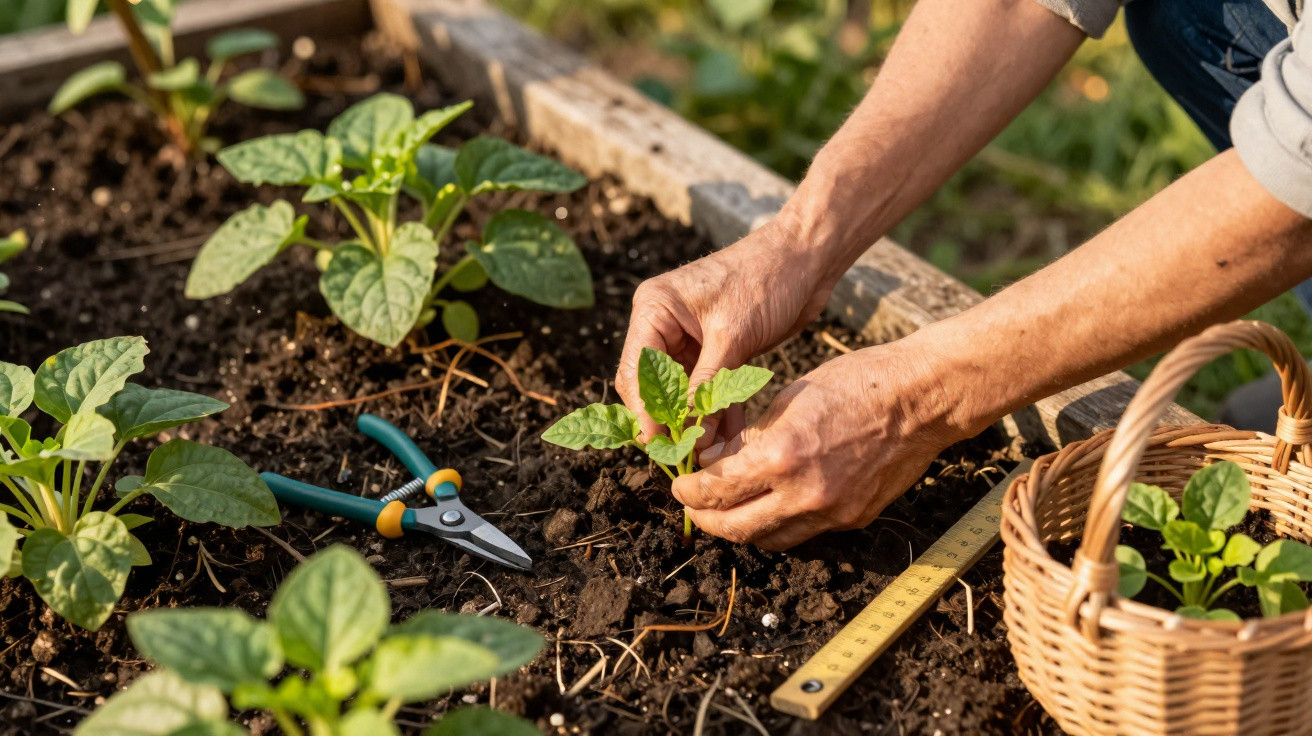
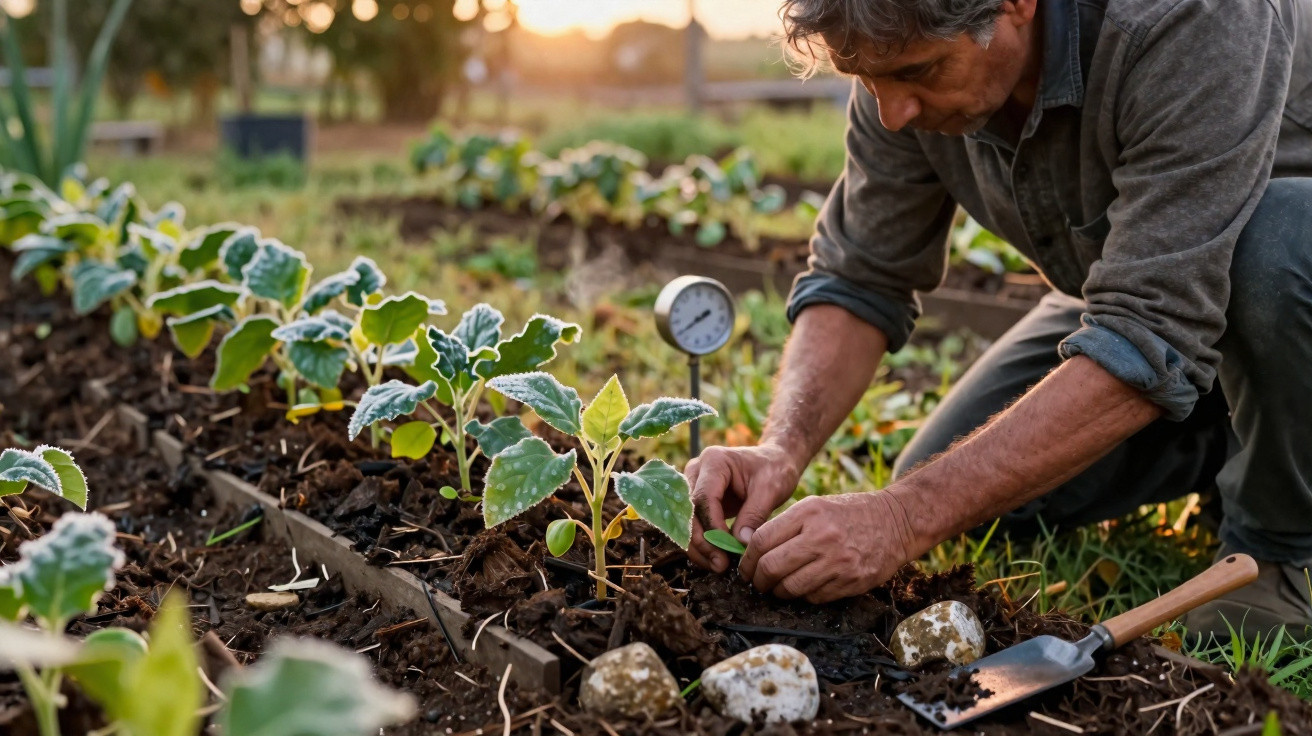
Start with a single plant and its footprint. Look at your seeds or seedlings and picture each one fully grown. Then mark that circle of space on the soil using your finger or a stick. Tomatoes might need 45–60 cm between plants, lettuces around 25–30 cm, and dwarf beans slightly less. Precision isn’t the point-generosity is.
Once you’ve mapped those positions, treat them as fixed. Any surplus seedlings go into a pot, get passed to a neighbour, or end up on the compost heap. It can feel harsh, but a few plants with proper room will reward you more than a crowded crowd ever will.
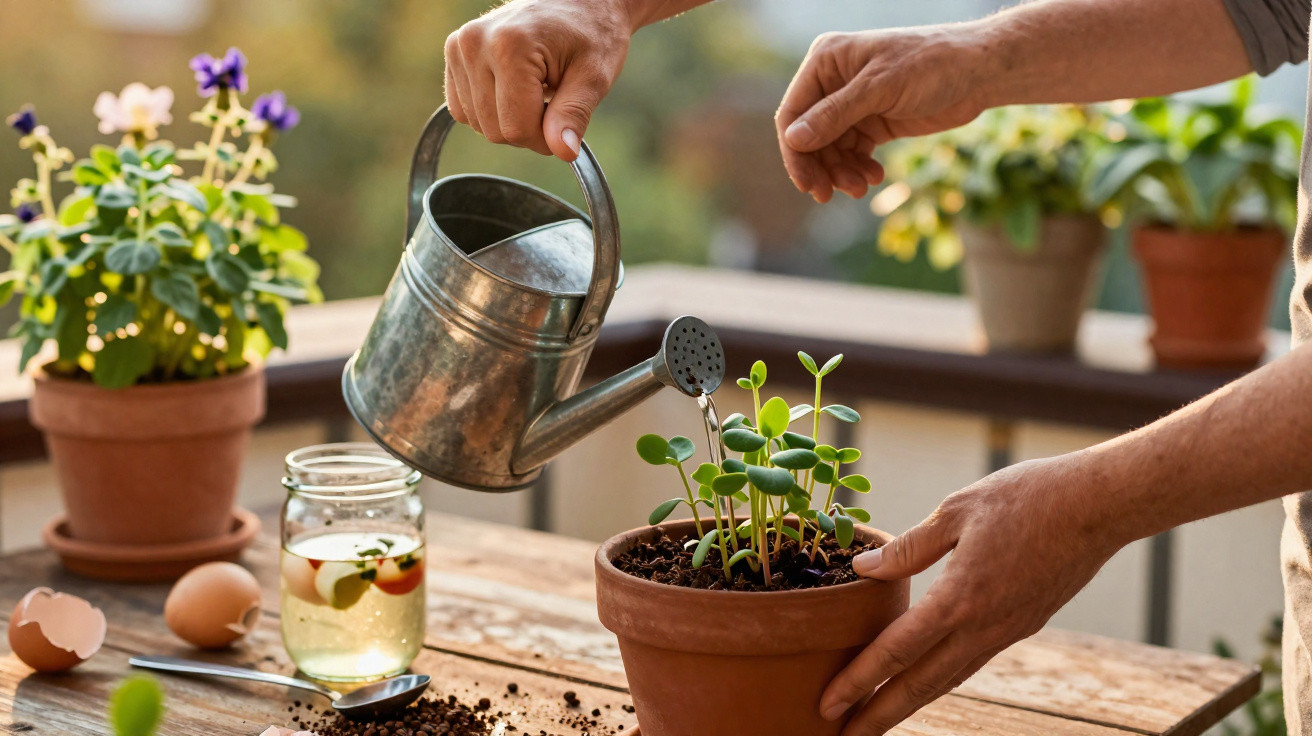
Thinning is the part many gardeners avoid admitting they struggle with. Tiny shoots feel like promises; removing them feels like wasting potential. With radishes or beetroot on a windowsill tray, it can feel emotional rather than practical.
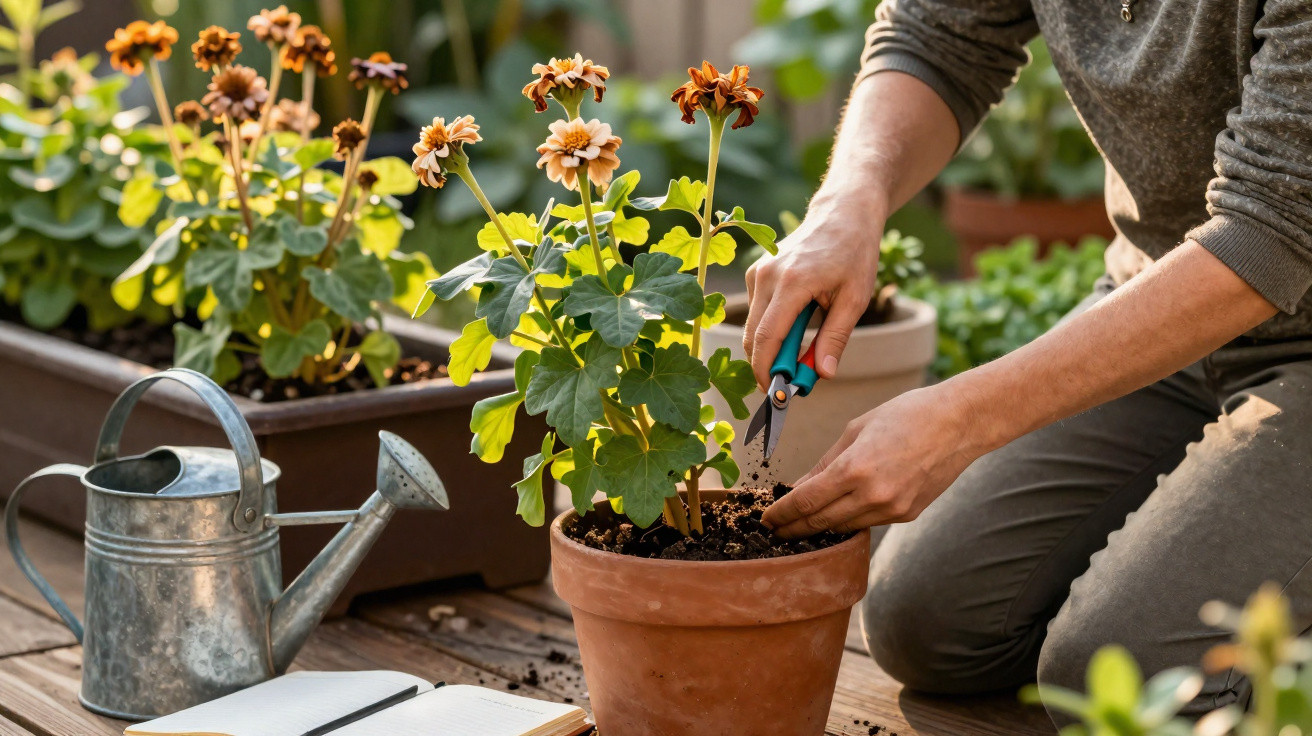
But in real terms, you’re not “killing” a bed-you’re shaping it. Use small scissors to snip weaker seedlings at soil level, keeping the strongest plant every few centimetres. For carrots, that generally means one plant every 3–5 cm, rather than a cluster of eight trying to share a space the size of your thumb.
And here’s the honest bit: hardly anyone keeps doing this routinely. Most people thin once, feel guilty, and then stop touching the bed. That’s not a disaster. If you do one firm, properly timed thinning early, you’re already far ahead.
Gardeners who commit to spacing often sound like people who’ve finally sorted out an overstuffed wardrobe. They describe clarity, relief, and less effort. One long-time grower in Bristol told me:
“The year I halved the number of plants in my veg bed, my harvest almost doubled. I stopped babying weak, crowded seedlings and started backing the strong ones. It felt brutal, then weirdly kind.”
It also changes what you aim for. Instead of chasing the biggest possible plant count, you start prioritising quality. A few simple reminders help-stick them on the shed door, the balcony wall, or inside your seed box.
- Follow seed packet spacing for at least one crop this season, simply to see the difference.
- If you’re unsure, remove the weakest seedling rather than sacrificing the spare space.
- If you can’t slide your hand between plants, they’re probably too close.
- Space isn’t “wasted”: it’s light, airflow, and root room in disguise.
Letting go of crowding, and what that changes in you
When you stop trying to cram the maximum number of plants into every square metre, something shifts. You begin to see individual plants again: a leaf starting to curl, a fresh cluster of flowers, a stem that thickens overnight after rain.
Instead of one indistinct green mass, your garden becomes a set of clearer, separate characters-each with enough elbow room to show what it can actually do. It’s surprisingly calming. You move more slowly along the rows. Harvesting becomes a quick job, not an exhausting half-hour of wrestling through wet foliage.
At a deeper level, spacing is an act of trust. Trust that fewer, well-supported plants can feed you better than an overcrowded bed. Trust that you don’t have to fill every gap to prove you’re “making good use” of your space.
That side of gardening rarely gets discussed. We talk about yields, varieties, fertilisers-less so about the background anxiety that your plot is never big enough, rich enough, or productive enough. Giving plants room is a quiet refusal of that pressure.
Gardening is built on relationships: roots with soil, leaves with light, and you with your patch of earth. When you stop smothering those relationships with excess, growth stops feeling like a fight and starts to look, again, like what it is-a form of cooperation.
| Key point | Detail | Why it matters to you |
|---|---|---|
| Crowding beats poor soil | Dense planting blocks light, air and root spread even in rich ground | Helps you target the real cause of weak growth, not just blame the soil |
| Spacing as a “tool” | Using seed packet distances and firm thinning as a simple method | Gives a clear, practical way to boost harvests without extra products |
| Space changes mindset | Fewer, stronger plants reduce disease, stress and wasted effort | Makes gardening feel lighter, more joyful and more manageable |
FAQ:
- How do I know if my plants are too crowded? Look from above: if you can’t see patches of soil between plants and leaves overlap heavily, they’re probably competing. Another clue is poor airflow: foliage feels damp and takes ages to dry after rain.
- Is it ever good to plant closely? Yes for some fast crops like salad mixes, radishes or baby spinach, where you harvest early and often. Even then, a second thinning usually boosts the final harvest.
- My soil really is bad. Shouldn’t I focus on that first? Improving soil is always a smart long-term move, but spacing costs nothing and works immediately. Many “poor soil” problems shrink dramatically when plants get room to grow.
- When is the best time to thin seedlings? Once they have two to four true leaves and you can clearly see which ones look stronger. Thinning earlier is kinder to the roots that stay behind.
- What if I only have a tiny balcony or terrace? Grow fewer plants in bigger containers, and choose compact or dwarf varieties. One well-spaced tomato in a big pot often beats three cramped into a narrow trough.
Comments
No comments yet. Be the first to comment!
Leave a Comment