
In all this hustle, one straightforward trick makes the real difference.
In many vegetable patches, slugs start to take over as soon as night falls. An experienced market gardener is bringing back a pared-back, effective technique that shields seedlings without residues or harsh traps. It comes down to a single, easy action - and it can change the fate of the most vulnerable beds.
A simple action that changes everything
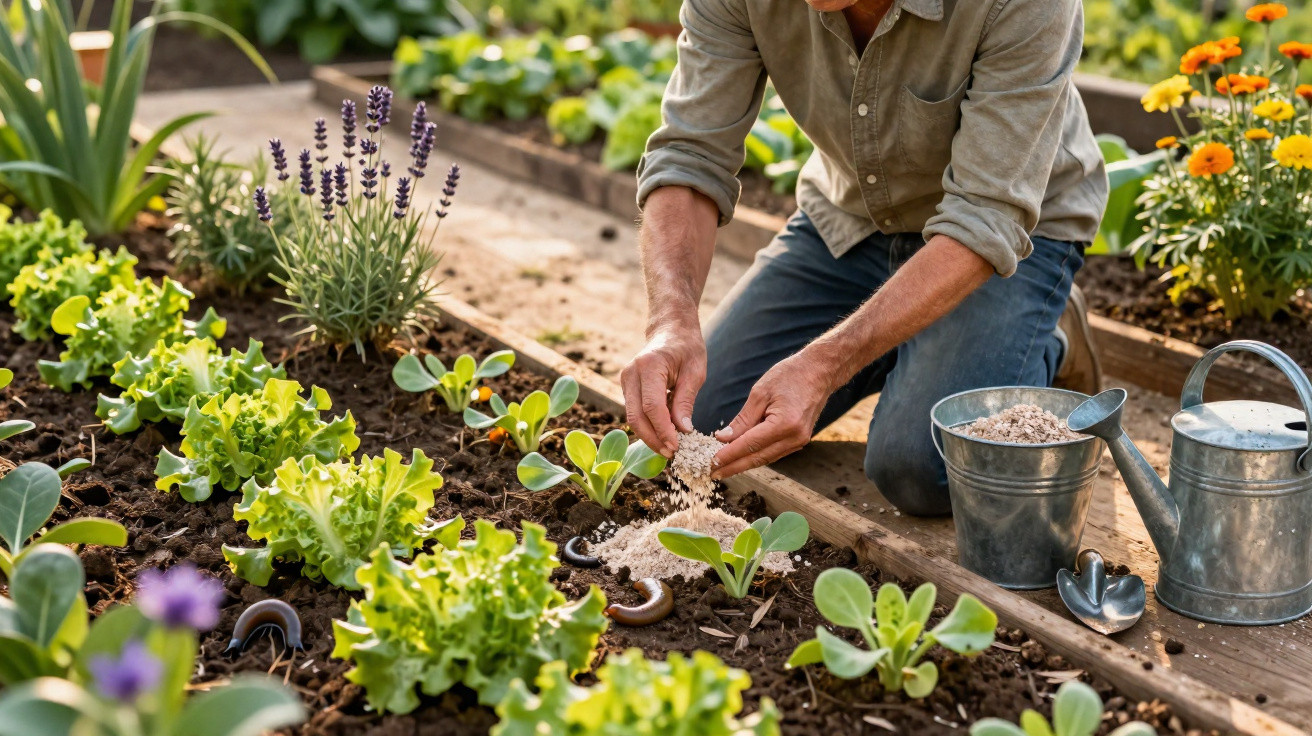
The idea is to lay down a dry, abrasive cordon all the way around the areas you need to protect. The market gardener mixes sieved wood ash with fine sand, then draws an unbroken, dry strip about 4 to 6 centimetres wide, keeping it tidy after every shower. Slugs steer clear of these rough textures, which dry out their skin.
"A dry, even cordon breaks slugs’ night-time routes. The protection becomes decisive around seedlings and transplants."
The ash must come from untreated wood. Store it somewhere dry in a sealed bucket so it keeps its drying power. The sand adds weight and helps stop the ash blowing away. Used together, they create a stable barrier that’s inexpensive and simple to top up.
When and where to apply it
Focus on the edges of newly sown beds and on tender young plants: lettuces, cabbages, squashes, beans, strawberry plants. Apply it during a dry spell, ideally late afternoon. After rain, mend the strip as soon as the ground has drained and is crumbly again. Water in the morning rather than the evening to avoid night-time damp that attracts slugs.
The first fifteen days after planting are the most critical. A quick dawn check under boards, roof tiles or cardboard set down as temporary shelters makes it possible to remove any individuals you catch by hand.
Which material to use
- Sieved wood ash: strong drying effect, works quickly, needs topping up after rain.
- Fine sand: steadies the barrier, limits compaction, lasts well.
- Rock flour or diatomaceous earth: effective abrasive when dry, more expensive.
- Dry sawdust: can help as an extra, but results are uneven in humid weather.
Avoid using coffee grounds as a barrier: the repellent effect is unreliable. Crushed eggshells are usually too smooth to make a real difference. Salt harms soil life and disrupts soil structure. The aim is to slow slugs down without damaging the ground.
Companion plants that deter slugs
Around sensitive crops, a border sowing of aromatic plants strengthens the deterrent: garlic, chives, thyme, sage, lavender, tansy along the edge. Their scent disrupts slug routes, creates a drier front, and draws in helpful allies that feed on soft-bodied prey.
"Combining a dry cordon with aromatic border plants creates a zone that is unfavourable to slugs and favourable to beneficial wildlife."
Avoid applying essential oils to the soil: they are too concentrated and can upset soil organisms and mycorrhizae. Choose living plants instead - easy to trim, with moderate cover so they don’t trap moisture.
Attract natural predators
The garden becomes more balanced when it offers shelter to ground beetles, slow worms, hedgehogs and blackbirds. A wood pile, a relaxed hedge, a few flat stones, a shallow dish of water, and some unmown areas create hunting corridors. Keep night lighting to a minimum, as it disturbs these helpers. Skipping toxic pellets also prevents secondary poisoning in birds and mammals.
Results in the vegetable patch
On the plots that were tested, young plants made it through the first two weeks with far fewer bite marks. Leaves stayed intact, growth picked up sooner, and harvests moved a step ahead. No synthetic inputs were added to the soil. Thanks to the aromatics, beds also saw more visits from bees, hoverflies and ladybirds. This virtuous circle creates momentum that market gardeners and customers alike appreciate.
- Fewer lost seedlings to replant.
- Lower spending on shop-bought repellent products.
- Living soil kept intact, helping the crops that follow.
Quick comparison of methods
| Method | Effectiveness in wet weather | Cost | Impact on wildlife | Maintenance |
|---|---|---|---|---|
| Ash + sand cordon | Medium | Very low | Neutral if wood is untreated | Top up after rain |
| Aromatic plants | Medium | Low to medium | Positive (beneficial insects) | Regular trimming |
| Board/tile traps | Good | Very low | Neutral if lifted in the morning | Daily collection |
| Ferric phosphate pellets | Good | Medium | Low impact if dosage is controlled | Targeted, sparing use |
| Copper tape on containers | Good | Medium | Neutral | One-off fitting |
Step-by-step instructions
- Sieve very dry wood ash, removing any charcoal pieces.
- Mix it 50/50 with clean, fine sand.
- Lay a continuous cordon around seed lines or young plants.
- Keep it off direct contact with plant crowns to avoid drying them out.
- Water at the base in the morning, without soaking the cordon.
- After each rain, let the surface dry, then refresh the strip.
- Add an aromatic border and shelters for beneficial wildlife.
"Aim for the combination: dry barrier, aromatics, controlled watering. System consistency is what makes the difference."
Frequently asked questions and common myths
Do eggshells work?
Not much. Once crushed, they tend to become smooth and lose their roughness. They add calcium, but they don’t protect seedlings well.
Is a beer trap a good idea?
It can be effective short term, but it may also pull slugs in from outside the garden and can trap useful insects. Keep it for specific spots, away from sensitive beds.
How much ash should you use?
Only a little. Ash is rich in potash and can raise pH. A thin cordon is enough - don’t spread it heavily. Avoid using it near acid-loving plants such as blueberry bushes.
Extra actions to protect the growing season
Watch the forecast: mild nights after rain trigger activity peaks. Put protection in place the day before these spells. Mulch established crops generously, but keep a bare, dry ring around crowns during the first few weeks. In tubs and planters, copper tape helps reduce incursions. In a very wet year, ferric phosphate pellets can support the approach if used sparingly, away from areas frequented by hedgehogs and birds.
For a small family vegetable patch, a simple routine works well: morning watering, an ash–sand cordon on the most vulnerable rows, two rows of aromatics as a border, and lifting shelter-traps each morning. On larger ground, rotating beds, reducing fresh residues in contact with seedlings, and setting up small biodiversity “islands” helps keep pressure steadier through the season.
Key points to remember to keep the method working
- Keep ash dry in storage to preserve its drying effect.
- Make continuous strips with no “bridges” of damp soil.
- Add a fine layer after each rain - no more.
- Avoid evening watering, which restarts slug movement.
- Provide shelters for beneficial wildlife and limit night lighting.
This low-tech approach suits urban plots as well as market-garden beds. It relies on texture, timing and plant layout. Feedback from the field points the same way: fewer bites on young leaves, steadier harvests, and a livelier garden. For anyone looking for a route without chemical products, this precise, repeatable action provides a solid base for a lasting strategy.




Comments
No comments yet. Be the first to comment!
Leave a Comment