
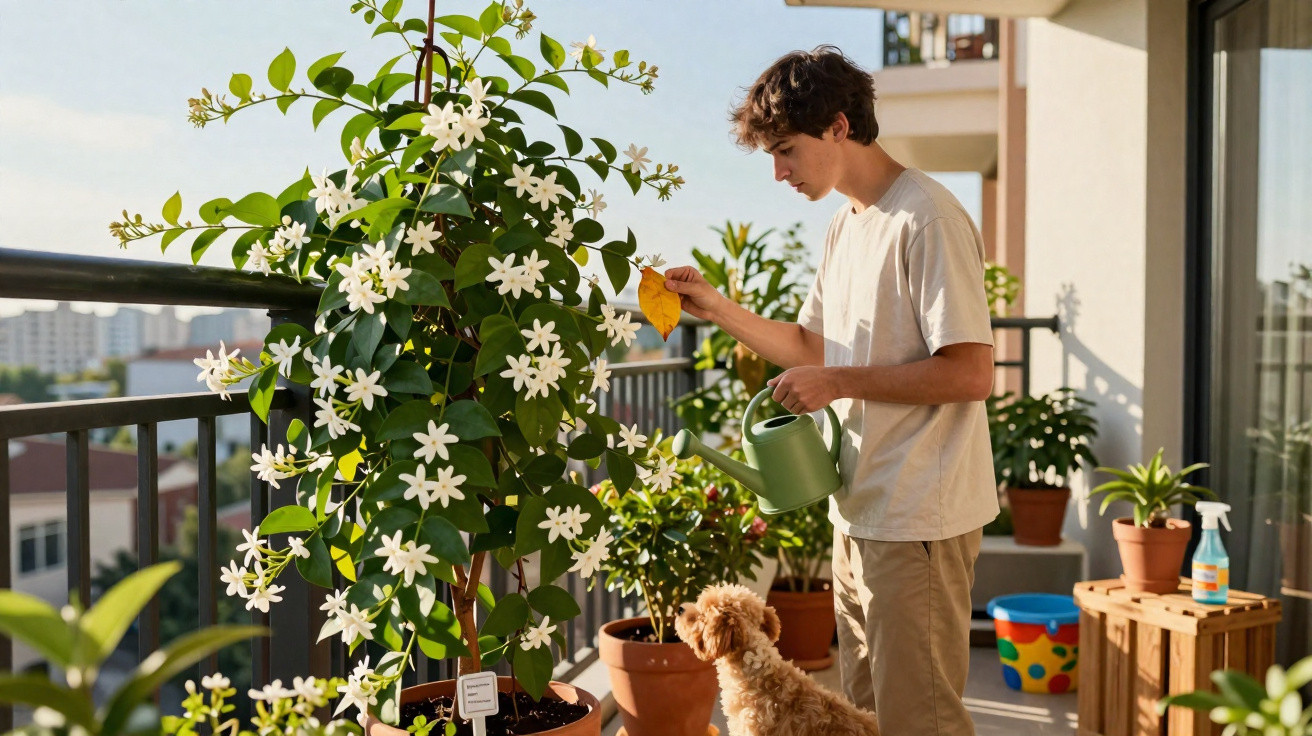
Star jasmine is often sold as the dream climber for balconies and gardens: evergreen, covered in flowers, and on summer evenings it can scent the air like you are on holiday. In reality, a trip to the garden centre can end in disappointment: leaves turn yellow, buds drop, the plant takes over more than expected - and many pet owners worry it could harm their animals. If you check a few basics before planting, you can avoid most of these headaches.
Position and climate: when star jasmine truly thrives outdoors
Star jasmine originates from areas with mild winters. In parts of Central Europe where temperatures rarely drop far below freezing, it can stay outside all year and will steadily increase in both height and spread.
Where winters are harsher, the story changes. Leaves can blacken and fall, and individual shoots may be killed back to ground level. The plant often grows again, but flowering is delayed - or fails altogether - if severe frost returns each season.
A south- or west-facing spot, sheltered from wind and as frost-free as possible - that is star jasmine’s comfort zone.
In colder regions, a large container is usually a better choice than planting into a border. The best set-up is:
- right next to a sheltered house wall
- a south or west aspect
- no constant draughts, such as on exposed corners
- the option to protect the pot in winter with horticultural fleece, bubble wrap or a thick jute sack
If you do plant star jasmine in the ground, avoid a frost pocket - the coldest dip in the garden where chilly air collects. A slightly raised, free-draining spot in front of a wall stores warmth and reduces the risk of waterlogging.
Keeping growth in check: from ornament to green bulldozer
Once the site suits it, star jasmine can put on growth surprisingly quickly. Many amateur gardeners underestimate this and are startled when, within a few years, it starts to engulf downpipes, railings and neighbouring shrubs.
Plan ahead from the outset:
- a sturdy trellis or a wire-cable system fixed to the wall
- enough clearance from windows, gutters and nearby plants
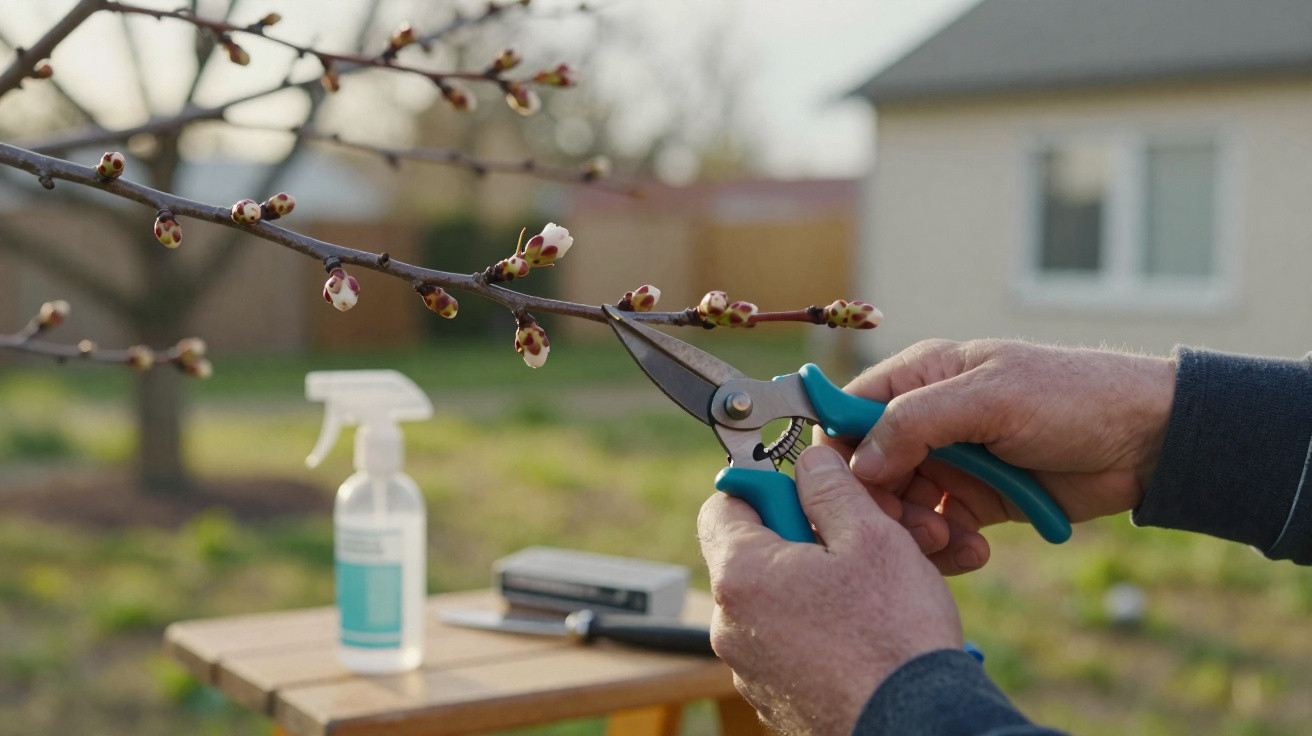
- yearly pruning after flowering
If you regularly shorten the shoot tips, the plant branches more, stays neater and flowers more densely. If you simply let it run, you can soon end up with climbing stems reaching everywhere - including into roof tiles, ventilation gaps, or the crown of a shrub beside it.
Yellow leaves: why water and light are usually the real culprits
The most common complaint about star jasmine is: “It gets yellow leaves and drops the buds.” Very often, it is simply short of water - particularly when grown in a pot.
Watering properly: a thirsty beauty with standards
Star jasmine likes conditions that are fresh to lightly moist. The root ball should never dry out completely. In a sunny container position, it may need watering daily during hot spells, and in midsummer sometimes even twice a day.
Yellow leaves plus a dry pot: almost always a clear sign of too little water.
If the compost has dried out right through, ordinary watering often does little. The soil can repel water, which then runs down the sides and out. In that situation, use a “soaking bath”:
- Fill a large bucket or tub with water.
- Submerge the pot until no more air bubbles rise (10–20 minutes).
- Let it drain thoroughly, then water more consistently afterwards.
Important: potting compost must be loose and free-draining. A layer of expanded clay or gravel at the bottom of the container helps prevent waterlogging, which could otherwise lead to root rot.
Light requirements: without sun, no cloud of flowers
Too little light is the second major reason people are disappointed. Star jasmine needs several hours of sun to flower well. On a gloomy north-facing balcony it may still grow, but it will set few buds - or none at all.
Five to six hours of sun per day is ideal, for example against a warm south- or west-facing wall. If it stands too shady, shoots become long and thin, and buds drop before they properly open.
Soil type and limescale: when veins stay green and leaves turn yellow
Star jasmine is sensitive to lime-rich soil and hard tap water. It is one of the so-called acid-loving plants. If the pH value is clearly above 6.5, it absorbs iron less effectively. The result is a classic symptom: the leaf surface turns yellow while the veins remain green - a sign of iron deficiency known as “chlorosis”.
Yellow leaves with green veins point less to drought than to a limescale and nutrient-uptake issue.
Ways to correct it include:
- water with rainwater where possible
- for container plants, mix in peat-free rhododendron or ericaceous compost
- if limescale issues are severe, use a specialist iron-containing product
- in borders, improve the soil with leaf mould, bark humus or pine-needle litter
A simple rule of thumb: if you can grow rhododendrons, blueberries or camellias successfully, you usually have suitable conditions for star jasmine too. In traditionally chalky areas, growing it in a pot with the right specialist compost is almost always the better option.
Pests and care: what else can put this climbing favourite under pressure
Overall, star jasmine is considered tough. Even so, pests do occasionally appear in summer, especially in warm, sheltered locations.
Mealybugs, scale insects and sticky leaves
Sticky foliage, sometimes with a black coating, is a warning sign. Sap-sucking insects such as mealybugs or scale insects may have left behind sugary secretions known as honeydew. Sooty moulds then colonise that sticky layer.
If you catch it early, wipe the plant down roughly with a soft cloth and lukewarm water, then apply a suitable plant treatment based on soap or plant oil. It is crucial to wet the undersides of the leaves thoroughly, as that is where most of the insects sit.
Beetles and chewing damage
Occasionally, beetles nibble leaves and flowers. They are usually easy to spot on the shoots. In small gardens, it is often enough to collect them by hand in the morning and drop them into a bucket of water with a little washing-up liquid.
Risk for dogs, cats and children: how poisonous is star jasmine?
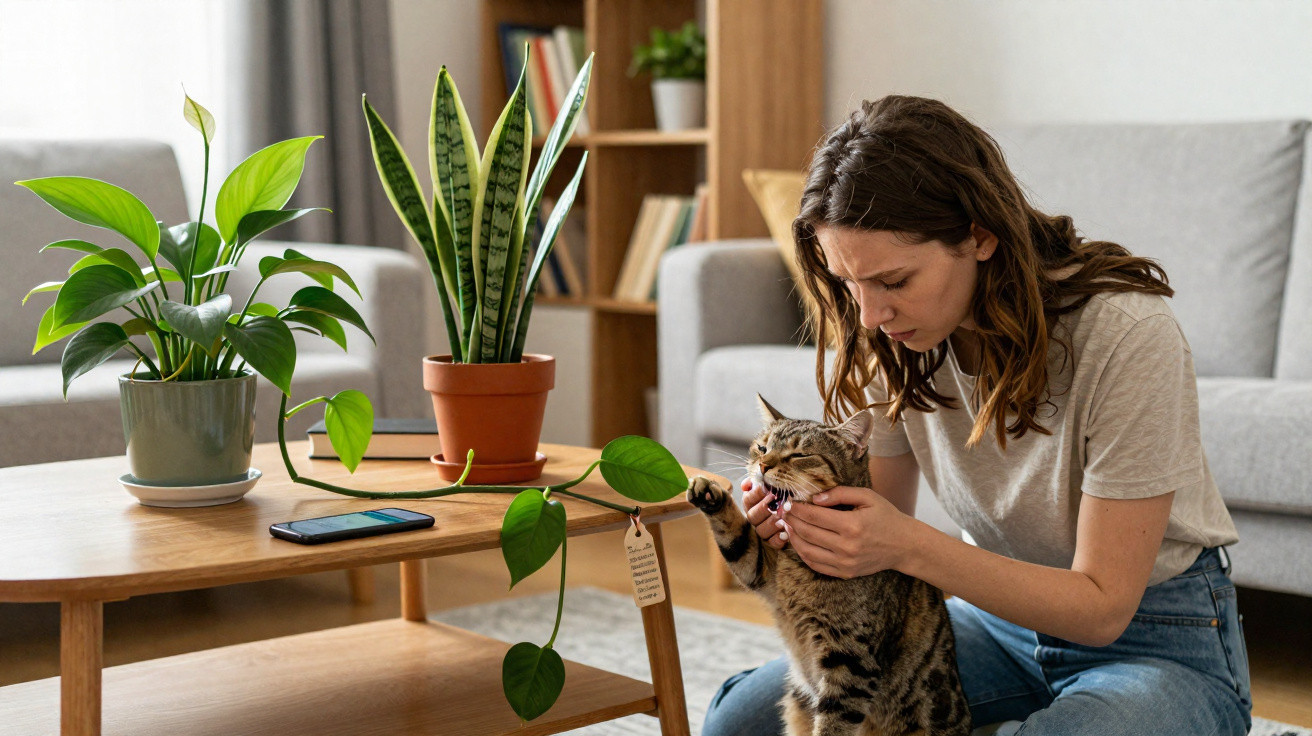
One detail that is often buried at the bottom of plant descriptions should be clear before buying: star jasmine is considered potentially toxic to pets. Dogs and cats that like chewing leaves can react after eating plant parts with diarrhoea, vomiting and marked lethargy.
Anyone who lets a dog or cat roam freely in the garden should choose the position for star jasmine carefully - or, if in doubt, pick a different climber.
When stems are cut or snapped, the plant releases a milky sap. This latex can irritate the skin. If you are sensitive, it is best to wear gloves for pruning and avoid direct contact with eyes and mucous membranes.
For households with small children, a location that is not easily reachable is advisable - for example on a high wall with no straightforward access. Near a sandpit or directly on a playhouse, star jasmine is best avoided.
Quick check before planting: is star jasmine right for my home?
| Question | Answer “Yes” | Answer “Rather not” |
|---|---|---|
| Do winter temperatures usually stay above -10 degrees? | Planting in the ground is possible, with light protection | Better in a large pot; overwinter frost-free or very well protected |
| Is there a sunny, warm spot against a wall? | Good bud set is likely | The plant will grow but flower sparsely or not at all |
| Do you have soft water or rainwater available? | Lower risk of yellow leaves caused by limescale | Pot culture in ericaceous compost is advisable |
| Do pets or small children roam freely where it would be planted? | Choose a location with distance, or prefer a different species | Less of an issue if access is restricted |
Practical examples and alternatives for sensitive gardens
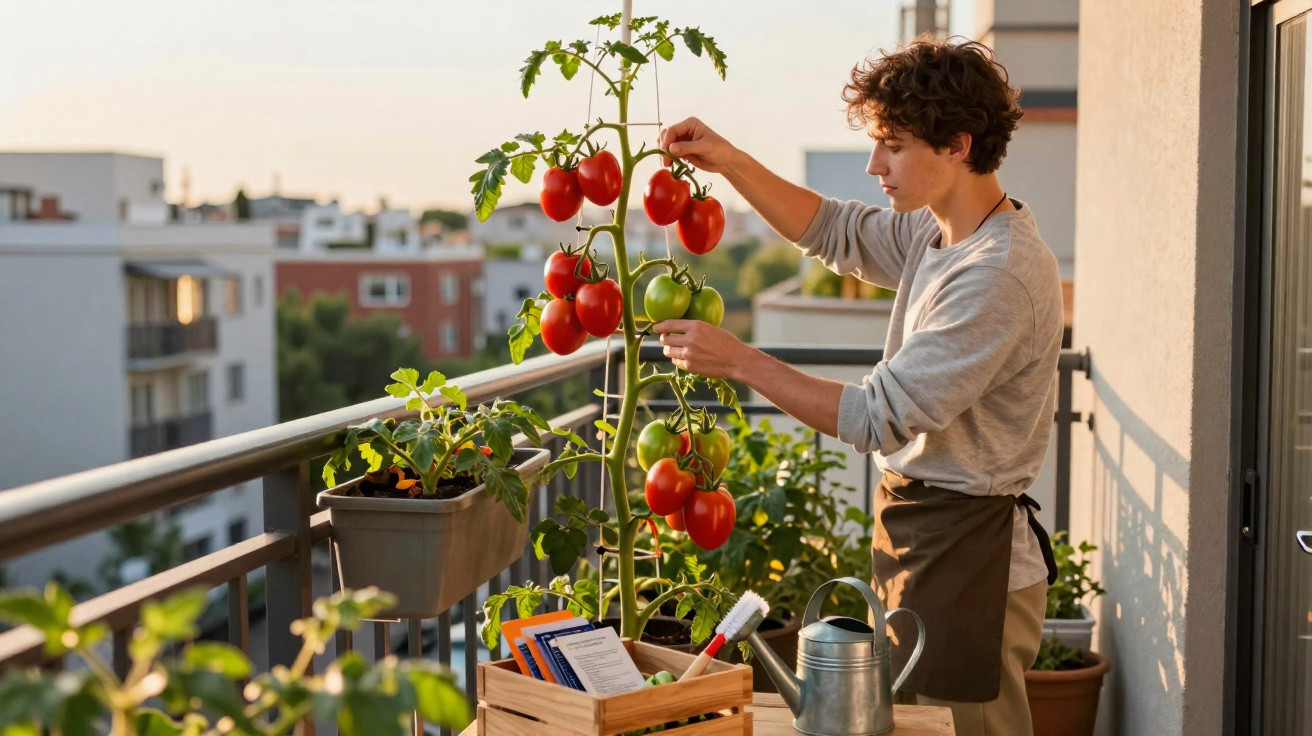
A south-facing city balcony often provides near-perfect conditions: sheltered from wind, plenty of warmth, and lots of sunshine. In a 40- to 60-litre pot filled with loose, slightly acidic compost, star jasmine can climb 2–3 metres up a simple wire trellis and turn the balcony into a fragrant green backdrop - provided you keep up with watering.
In terraced housing areas with young children and pets, a different approach can make more sense: use star jasmine only higher up on façades, and in the garden itself choose less problematic climbers such as climbing hydrangea or clematis. That way you keep the look on the house wall without the dog or toddler being able to reach the plant directly.
Why the effort can still be worth it
With its list of preferences, star jasmine can seem complicated at first glance. In practice, it is simply a plant that needs clear conditions: not too cold, not too dry, and not too lime-rich. Get those right, and it will reward you for years with glossy leaves and scented, starry blooms.
Especially in densely built-up neighbourhoods, a single well-trained plant can change the feel of a balcony completely: it screens views, softens noise a little, and on warm evenings creates a holiday atmosphere - without a plane ticket. For many garden fans, that is reason enough to think carefully about positioning, a reliable watering routine and the safety aspect before planting.
Comments
No comments yet. Be the first to comment!
Leave a Comment