
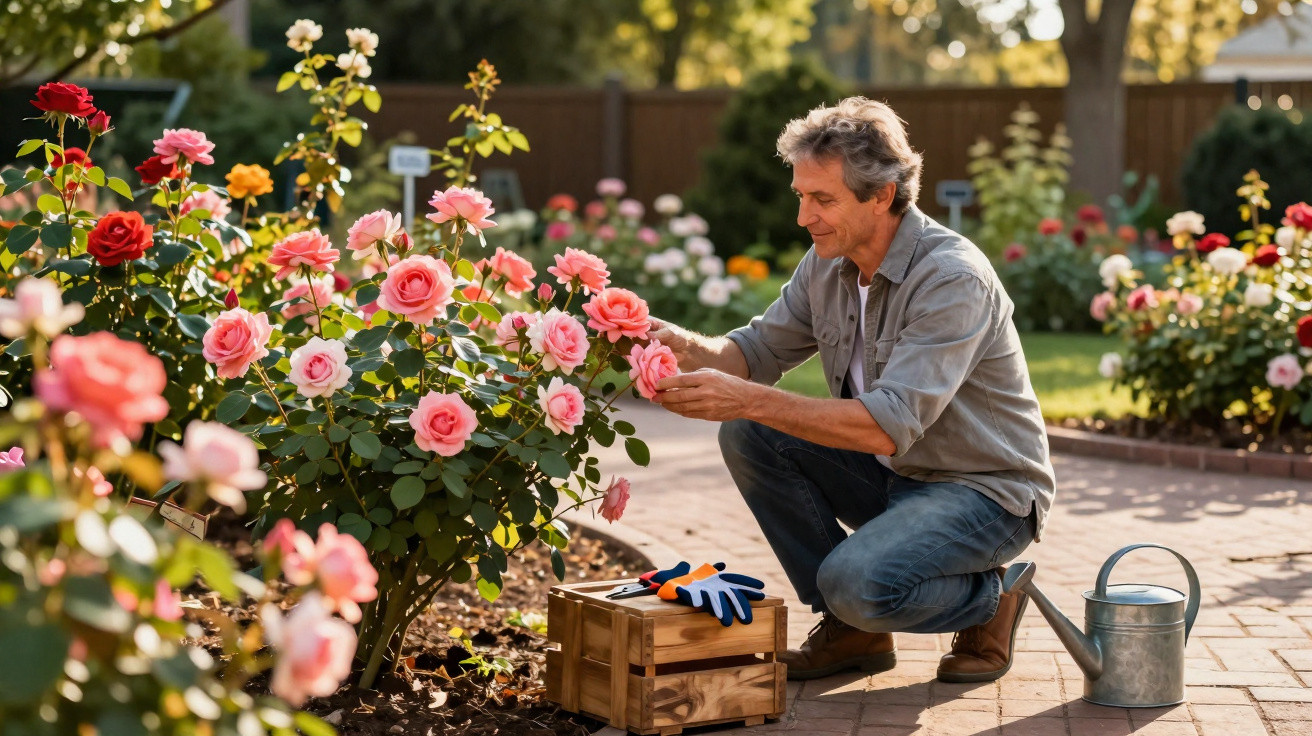
Modern roses are steadily overturning their old image.
Beneath the romantic blooms is a newer generation bred for outright resilience.
For a long time, plenty of home gardeners treated roses as garden divas: gorgeous, delicate, and forever one damp week away from a fungal crisis. Today, breeders present a very different picture - plants that tolerate disease, handle sudden cold snaps, and still deliver an extended, abundant run of flowers.
How breeders decide whether a rose is genuinely tough
Every tag that claims “easy care” is backed by trials that are anything but gentle. Breeders and test gardens now put candidates in challenging, exposed positions, avoid spraying entirely, and then judge them on what keeps going - and still looks good.
Disease resistance comes first, looks come second
Across Europe, one yardstick is repeatedly cited: the ADR trial. ADR is a German scheme, and the name is often translated as a “General German Rose Novelty Test”. Roses entered into it are grown for three years at multiple sites in Germany without any fungicides.
A rose that passes ADR trials shows it can stay leafy and blooming under pressure, not under perfect care.
A plant only earns the ADR seal if it delivers on three points at the same time:
- excellent resistance to black spot, powdery mildew and rust
- dependable flowering across a long season
- strong, even growth without chemical support
For gardeners, that certification is a meaningful advantage. No rose is immune everywhere, but these cultivars begin with a much stronger baseline than older, more vulnerable types.
Why winter hardiness can still decide success or failure
One harsh winter can finish a plant that is otherwise almost indestructible. That is why breeders now assess roses not just for healthy foliage, but also for how far stems die back in frost and how powerfully plants regrow once spring arrives.
Hardy roses tend to share a few characteristics. Their stems ripen properly by autumn, so cold usually only nips the tips. Buds sit tight and deep along the canes, ready to break strongly as soon as the soil warms. In windy or continental parts of North America, this can be just as critical as disease resistance.
The overlooked benefit of “self-cleaning” roses
A good number of newer cultivars also deadhead themselves. Instead of clinging on as brown, spent pom‑poms for weeks, old petals fall away naturally.
Self-cleaning roses stretch the time between gardening chores while keeping borders looking surprisingly polished.
In practice, this brings three advantages at once. The plant keeps setting fresh buds rather than putting energy into developing seed heads. In wet spells, there is less rotting material sitting in the flower. And the display stays tidier even if you have not picked up the secateurs for a few days.
Why low-maintenance roses are suddenly in demand
The move towards tougher roses matches a wider change in garden habits. Chemicals feel out of place in a small family back garden, summers increasingly swing between drought and deluge, and many of us simply do not have time for endless pruning and problem-solving.
Saving time, money - and patience
When you stop planting roses that are prone to disease, a lot of routine work disappears. Gardeners who choose modern, robust cultivars typically:
- spray much less, or not at all
- spend less time removing infected leaves
- get by with only minimal winter protection in most climates
- reduce the need for specialist feeds and “revival” tonics
That saves both weekend hours and money. In compact city gardens, where every plant has to justify its space, dependability can matter nearly as much as flower colour.
Healthier roses, healthier garden life
With fewer chemical inputs, helpful wildlife tends to return. Single and semi‑double roses present accessible pollen for insects, while the shrub structure offers cover and, for many varieties, hips as an autumn food source.
| Garden ally | What tough roses offer |
|---|---|
| Bees and bumblebees | Nectar and pollen from simple blooms over a long season |
| Ladybirds and lacewings | A steady supply of aphids on untreated plants |
| Birds | Dense cover for nesting and vitamin‑rich hips in winter |
More breeders now select for ecological value as well as flower shape. Some of the most resilient modern cultivars trace back to species such as Rosa rugosa, which evolved on exposed coasts and in poor soils - and pass that toughness on in today’s gardens.
Colour and fragrance do not need to be sacrificed
There is a lingering worry that hardy roses look “municipal”: neat, reliable, and a bit dull. Two decades of breeding have weakened that assumption. Scent has made a clear comeback in many ranges. Colours now run from muted apricot through to bright magenta, often shifting as the flowers mature.
The most convincing modern roses combine old‑rose romance with the pragmatism of a street‑tree planting.
The five roses below repeatedly appear in breeder recommendations and trial reports. They grow in different ways, but they have one thing in common: they put up with real-world neglect better than most people expect.
The 5 robust rose varieties breeders keep recommending
A compact “problem-solver”: the ‘Aspirin-Rose’
There is a reason this low, rounded rose is often used in public schemes. It typically reaches about 60–80 cm, carries clusters of white flowers that can blush slightly pink in cool weather, and sheds faded petals neatly.
Trial results point to strong resistance to black spot and mildew, making it well suited to damp, high-pressure areas. In a small front garden or a generous pot by the door, it behaves more like a reliable mini-shrub than a temperamental traditional rose.
A climbing showpiece: ‘Laguna’
Anyone who equates “easy care” with “uninspiring” often changes their view once they grow this climber. ‘Laguna’ produces sturdy canes up to roughly 2.5 metres, with glossy leaves and large, densely petalled flowers in a vivid pink.
Its fragrance is fruity‑floral, sitting somewhere between berry notes and an old-rose character. In trials, it stands up very well to the usual fungal issues. Trained over an arch, up an obelisk, or along a south-facing wall, it becomes a headline plant without constant attention.
A classic that keeps delivering: shrub rose ‘Westerland’
‘Westerland’ justifies its reputation through sheer presence. Blooms open in blends of orange, apricot and copper, then shift shade as they age. The perfume is bold and spicy - the sort you notice as you walk past in the evening.
It handles wind, cold and imperfect soil better than many modern hybrids, and can be grown as a free-standing shrub, an informal hedge, or even a small climber on a low fence. Its long track record in gardens across Europe and North America suggests its hardiness is not dependent on any badge.
Tough coastal heritage: Rosa rugosa ‘Hansa’
‘Hansa’ comes from the beach rose, Rosa rugosa, a species that naturally copes with salty air and sandy ground. You can see that background immediately. The thick, crinkled foliage is notably disease tolerant, and the plant manages poor, dry soils and wind with ease.
The semi‑double flowers are a deep purple‑red with a pronounced clove-like scent. In autumn, they are followed by large red hips that birds quickly take. In informal or wildlife-friendly gardens, planting ‘Hansa’ in a small group can help mark boundaries while feeding pollinators and birds, all with minimal effort.
A gentle-toned border mainstay: ‘Lions-Rose’
Where mixed borders need soft transitions rather than strong clashes, ‘Lions-Rose’ works steadily in the background. It stays compact - usually around 60 cm - making it suitable towards the front of a bed. Flowers open creamy white with champagne hints, shaped in a nostalgic, old-rose style.
Its fragrance is subtle, which some gardeners prefer close to seating. The real strength, however, is foliage quality. In many trials the leaves remain clean well into the season without spraying, helping the entire border look ordered and healthy.
How to make tough roses even easier to live with
Even the hardiest rose performs better with a few basics in place. These are not finicky demands - more like sensible pointers that shift a plant from merely “coping” to properly flourishing.
Put sun and airflow ahead of cosy shelter
Most robust roses still want around five to six hours of direct sunlight each day. Sunlight dries foliage after rain, reducing the window in which fungal spores can infect. A spot with decent air movement often outperforms a snug, windless corner that stays humid.
Soil condition matters too. Deep, moderately fertile, free-draining ground lets roots travel down. Heavy clay improves with compost and grit; very sandy soils do better once you add organic matter that holds moisture without becoming waterlogged.
Planting and watering: go deep, not frequent
At planting time, a wide, generous hole makes more difference than any miracle tonic. Aim for at least twice the width of the root ball. With grafted roses, the swollen graft union is commonly positioned a few centimetres below the soil surface in colder areas. That small adjustment can determine whether a plant regrows strongly after a severe winter.
Occasional, long soakings encourage roots to search deep; frequent splashes keep them shallow and stressed.
Many gardeners are moving towards this “deep and infrequent” watering approach. Once a shrub is established, it often rides out ordinary dry spells on its own, especially in heavier soils.
Pruning and feeding: do less, not more
Most modern, robust shrub roses only need one main prune each year. In early spring, cut out dead or damaged stems, then reduce the remaining main shoots by about one third. The aim is to keep the centre open to light, not to create a perfectly shaped show plant.
Feeding can be straightforward as well. One application of a slow-release organic fertiliser in spring is usually enough. Overdoing quick nitrogen feeds can force soft, lush growth which, ironically, is more vulnerable to pests and wind.
Extra angles for gardeners weighing up tough roses
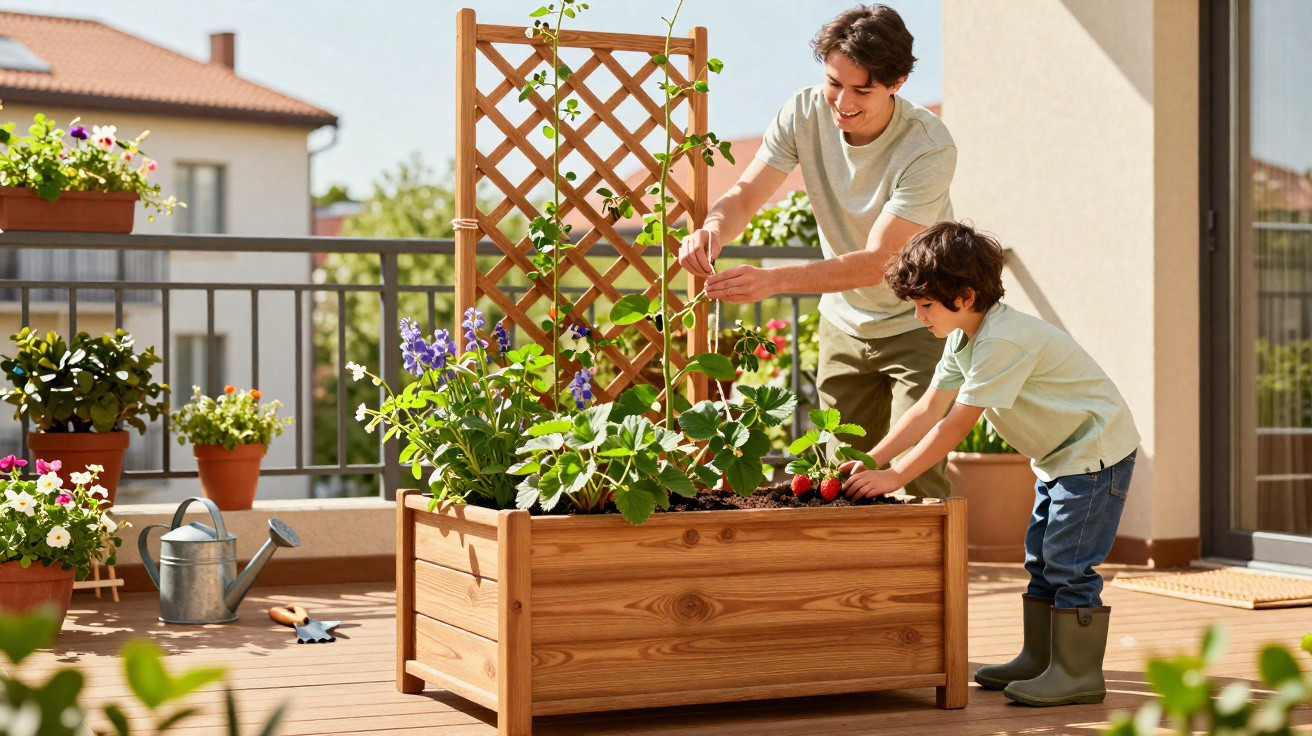
On small plots and balconies, pot growing raises its own practical questions. Many compact, disease-resistant roses do well in containers, provided the pot is large enough, has drainage holes, and includes a coarse base layer of gravel or broken crock. In colder regions, wrapping the container or moving it close to a house wall can stop the root ball freezing solid.
Another consideration is the balance between sentiment and practicality. Older, much-loved roses that black-spot every year can be emotionally difficult to remove. Some gardeners now trial one or two modern tough varieties in an out-of-the-way, lightly cared-for spot first. Once they see healthy leaves and steady flowering without spraying, it becomes easier to replace chronic underperformers and build a more manageable collection over time.
Lastly, these resilient roses suit broader, modern planting approaches. Garden designers increasingly combine them with drought-tolerant perennials such as salvias, nepetas and ornamental grasses. Those companions disguise bare lower stems, extend seasonal interest and bring in more insects. The overall effect is less like a formal rose bed and more like a durable, mixed planting that can cope with unpredictable weather and busy routines with far less fuss.

Comments
No comments yet. Be the first to comment!
Leave a Comment