
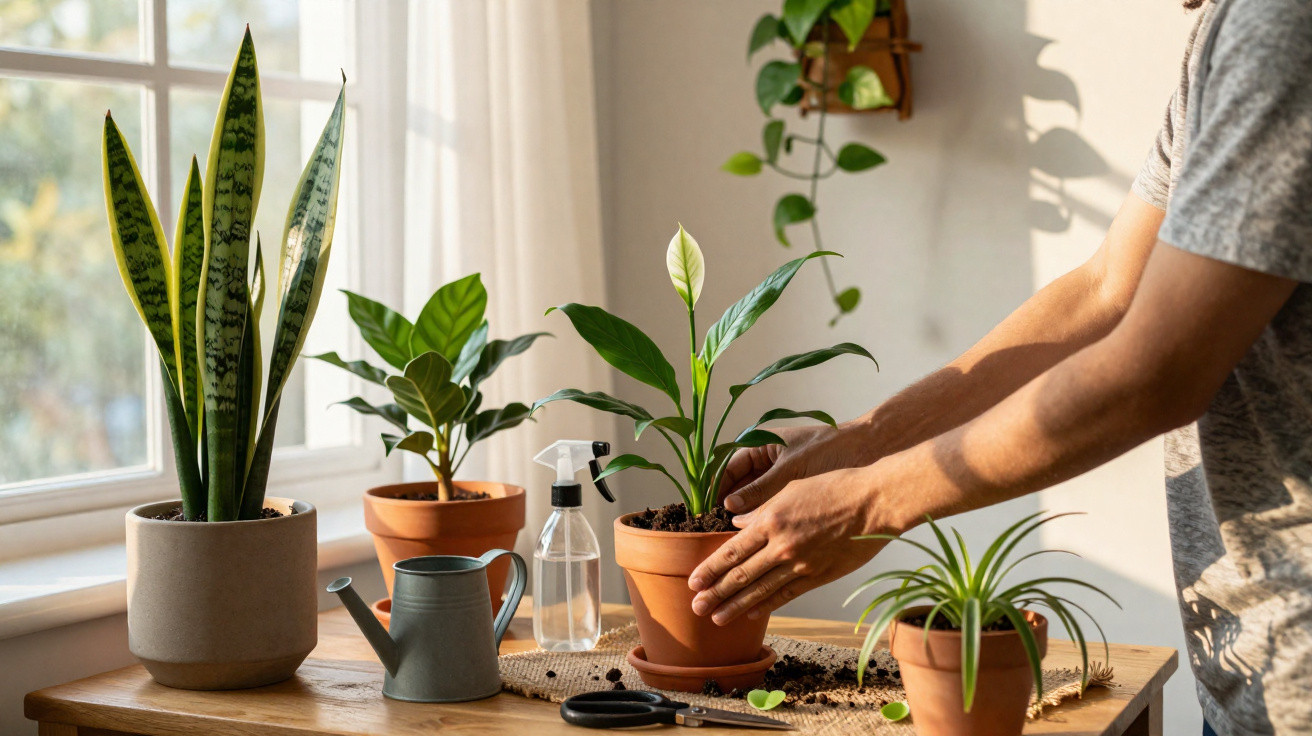
Starting to look after houseplants often comes with plenty of uncertainty, especially if you’ve never grown anything before. Limited experience, worries about overwatering, and not knowing what yellowing or drooping leaves are trying to tell you are all common. That’s why specialists usually suggest tougher species to begin with-plants that forgive small mistakes and settle well into different indoor settings.
What makes a plant ideal for gardening beginners?
A good starter plant tends to combine three key traits: it is hardy, it needs relatively little water, and it copes well with indirect light. Together, these qualities lower the chances of losing a plant to overwatering, missed feeding, or shifts in light levels-problems that often crop up in busy households and flats.
Easy-care plants also tend to communicate clearly when something is off: leaves may drop, change colour, or the plant may grow very slowly. To get started with confidence, it helps to choose species that can handle a few days of neglect, tolerate partial shade, and don’t demand frequent pruning or any advanced techniques.
Watch a video on the TV Aparecida YouTube channel that shows how to begin with gardening.
Which five plants are ideal if you’ve never grown anything?
Among the most commonly recommended choices for beginners are the zamioculca (ZZ plant), the snake plant (often called Saint George’s sword), pothos (devil’s ivy), the peace lily, and the spider plant (chlorophytum). All of them do well indoors, adapt readily to pots, and don’t require much space at the start-making them popular in urban flats.
These plants stand out because they only ask for straightforward light conditions, moderate watering, and they bounce back well. If you want to learn by watching how leaves respond and how growth changes over time, they work like a home “laboratory” for indoor gardening.
How to care for zamioculca, snake plant and pothos at home
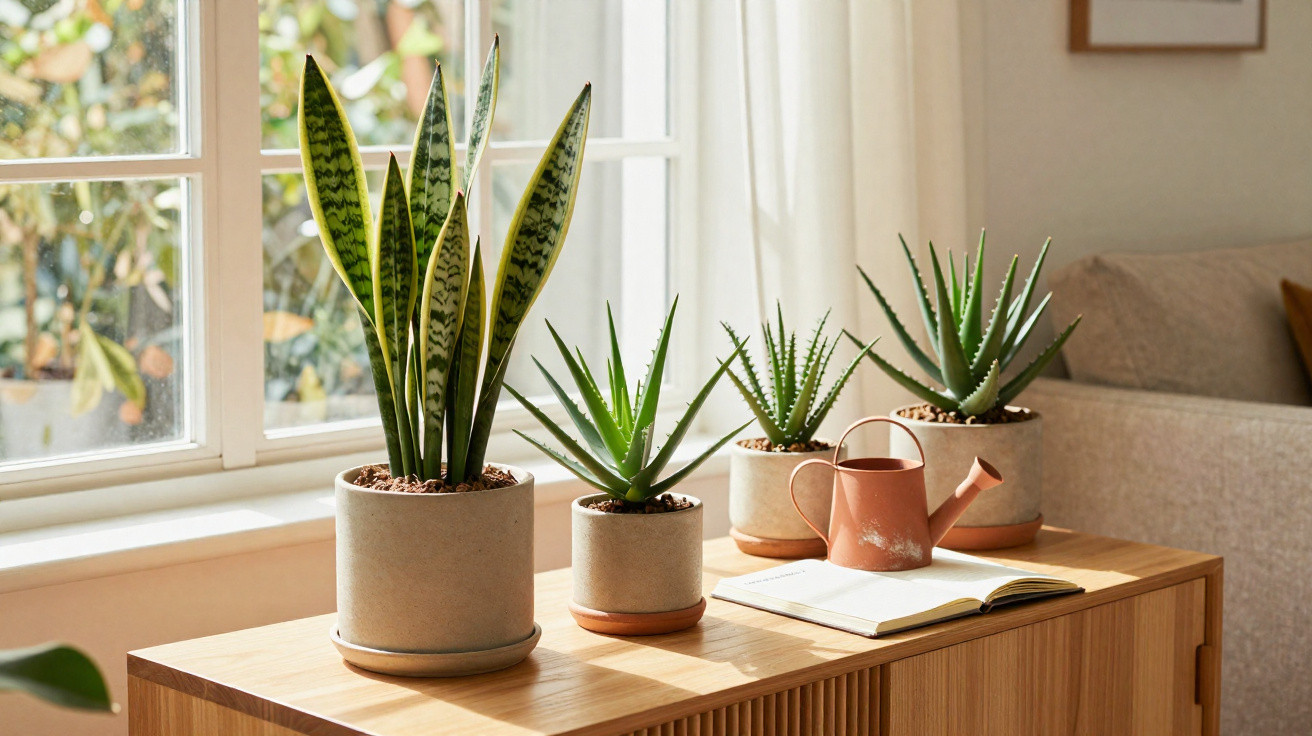
The zamioculca is famous for coping with being forgotten, as it stores water in its rhizomes and can go a long time between waterings. The snake plant is comfortable in indirect light or partial shade and also tolerates dry spells. Pothos, meanwhile, grows happily on shelves or in hanging pots, producing decorative trailing stems.
These three plants have similar needs and are usually harmed more by too much water than by too little. To keep day-to-day care simple, follow a few basics:
- Zamioculca: keep in indirect light, watering only when the compost feels dry to the touch.
- Snake plant: use a free-draining potting mix and avoid waterlogging, particularly indoors.
- Pothos: choose a bright spot out of strong direct sun and water moderately, helping to prevent dark patches on the leaves.
How to keep peace lily, spider plant and other ideal plants thriving day to day
The peace lily draws attention for its white blooms and for the way it “drops” its leaves when it needs water-very helpful if you’re still learning when to water. The spider plant forms clumps with plenty of hanging plantlets that can be replanted easily, making it simple to create more pots at no extra cost.
To keep these plants in good condition, check the moisture in the compost before watering, use pots with drainage holes, avoid sudden changes in light, and remove dry leaves regularly. If you notice yellowing, wilting, or spotting, gradually adjusting watering, light levels, and airflow is usually the simplest way to help the plant recover and keep progressing with indoor gardening.
Comments
No comments yet. Be the first to comment!
Leave a Comment