
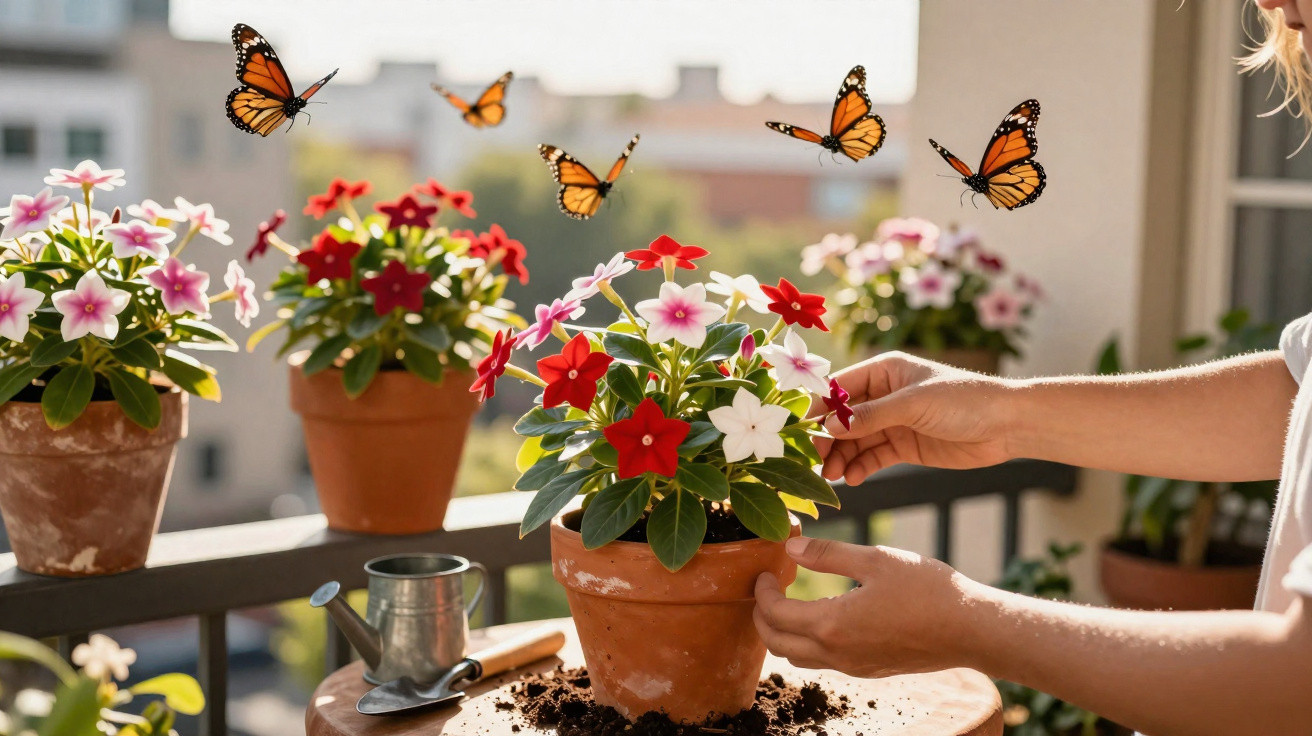
The Egyptian star, also known as pentas, is one of the best plants if you want a balcony that is colourful, tough and full of butterflies. Its small, star-shaped flowers form dense clusters and can appear in shades of pink, red, lilac, white and purple. In warm, bright conditions, it can bloom for long stretches and keep the space lively for much of the year.
Why does the Egyptian star attract so many butterflies?
The Egyptian star draws butterflies because its flowers are packed with nectar and easy for them to feed from. As the blooms open in clusters, the plant effectively becomes a small feeding station for pollinators-especially when it is kept in a sunny spot.
Another key factor is how long it stays in flower. With enough light and simple day-to-day care, pentas keeps producing fresh flower clusters for a long time. That consistency encourages butterflies to return often, as they find a reliable food source in the same place.
Where is the best place to grow it on a balcony?
The ideal position is where the plant gets plenty of direct sun. The Egyptian star can cope with some filtered light, but it flowers far more heavily when it receives several hours of sunshine each day. On balconies, it works best with the pot set near the railing, a window, or the brightest area.
It is also worth avoiding corners that feel stuffy. Good air movement helps keep the leaves healthy and lowers the risk of fungal issues. If your balcony gets strong winds, choose a heavier pot so the plant does not topple.
How do you water, prune and feed it correctly?
Pentas prefers compost that stays lightly moist rather than waterlogged. A good rule is to water once the top layer of the growing mix starts to dry. During very hot weather, smaller pots may need watering more often; in rainy or colder periods, watering should be reduced.
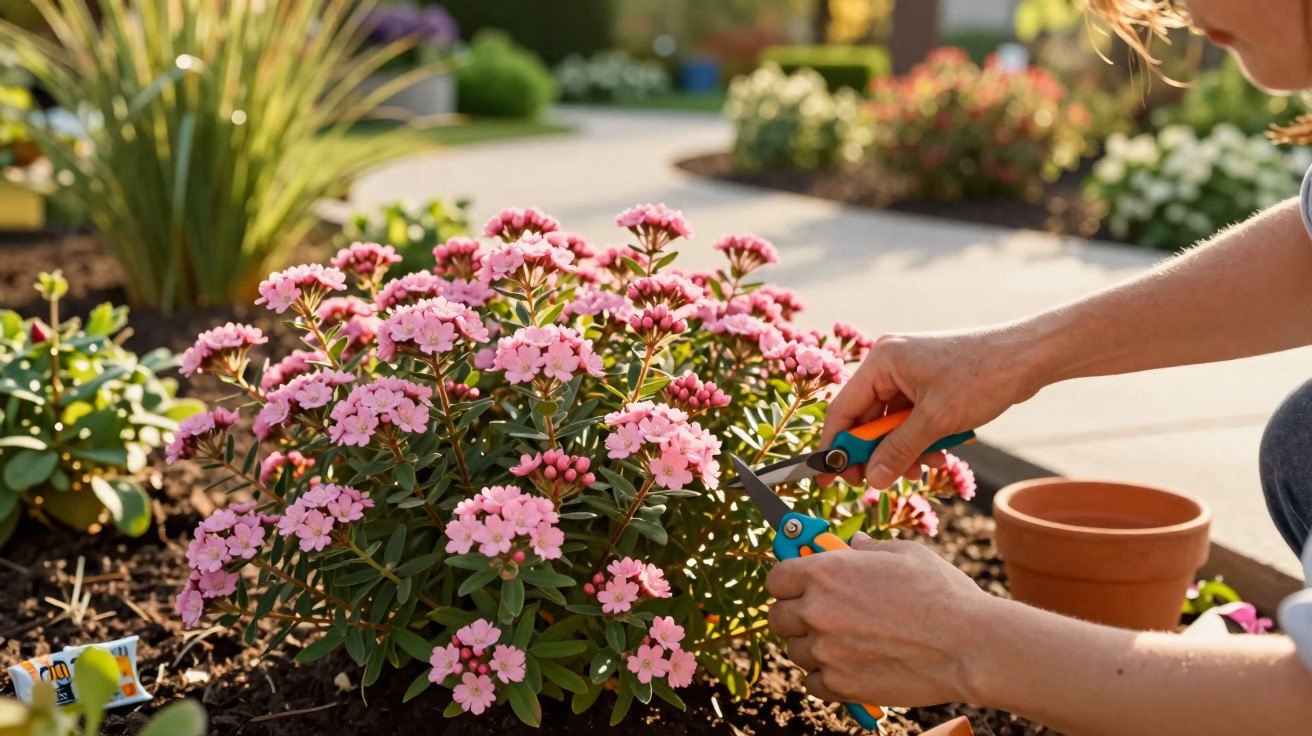
Pruning is straightforward. Remove faded flowers and any overly stretched tips to encourage fresh growth. Feeding can be done with a balanced fertiliser or well-rotted organic feed, always in small amounts so you do not scorch the roots.
- keep it in a position with plenty of sun;
- water without letting water collect in the saucer;
- remove faded flowers regularly;
- do light pruning to maintain its shape;
- feed from time to time during the growing phase.
Does it grow better in a pot or in the ground?
The Egyptian star does well either way. In pots, it is ideal for balconies, small terraces and compact spaces, as long as the container has drainage holes and a light, free-draining mix. A medium-sized pot is enough for the plant to establish well and produce a generous display of flowers.
In the ground, it can become bushier and create colourful drifts in the garden. In that case, leave space between plants so air can circulate and the foliage does not stay damp all the time. Whether in a pot or a bed, drainage is essential.
How can you keep it flowering consistently throughout the year?
To keep it blooming, the trick is to avoid letting the plant go thirsty or hungry-without overdoing the care. Sunshine, balanced watering, well-drained soil and light pruning matter more than using too much fertiliser.
The Egyptian star is hardy, but it responds very well to regular attention. When flowers begin to fade, cutting off the old clusters helps the plant channel its energy into new buds. With this simple routine, your balcony gains colour, movement and frequent butterfly visits, without demanding a complicated gardening schedule.

Comments
No comments yet. Be the first to comment!
Leave a Comment