
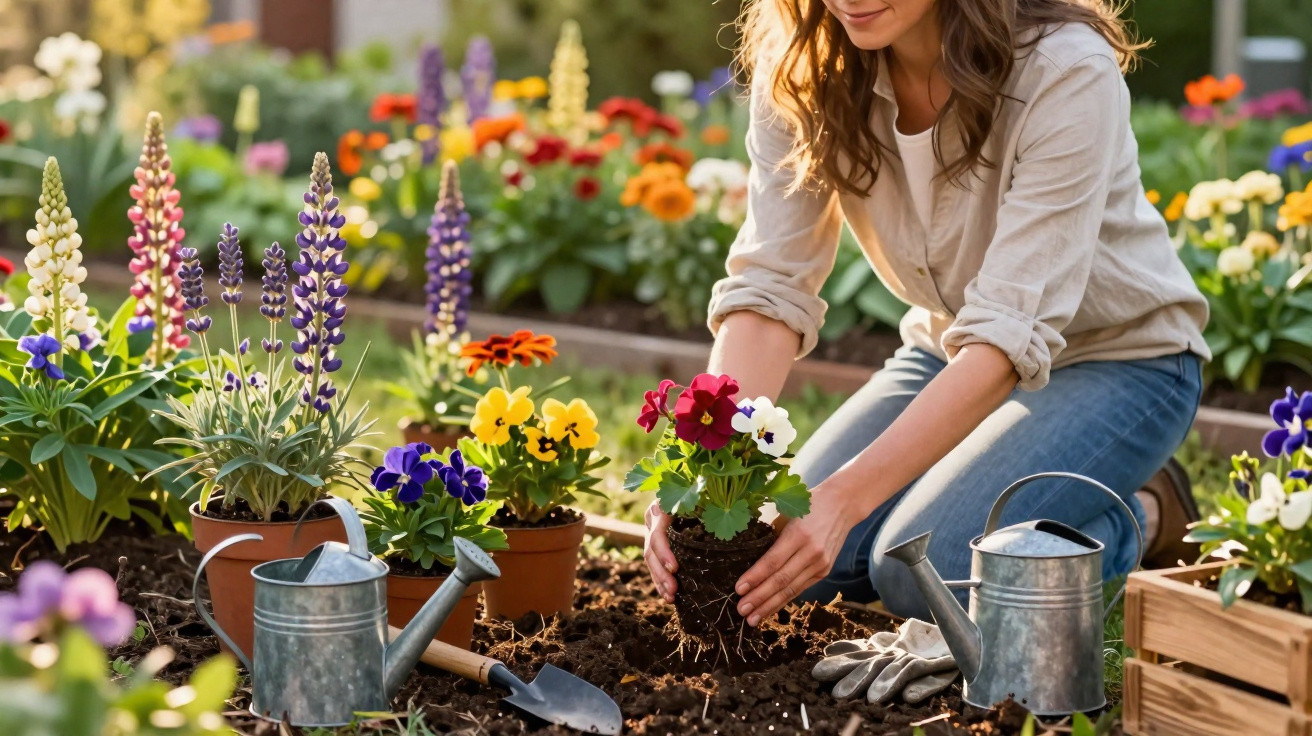
In early June, many gardens move into a changeover period: some blooms are already past their peak, while others are only just starting to show. Gardeners often use this window to reset their beds and borders, refresh containers, and map out how they want the garden to look through the coming seasons-often prioritising perennial plants, which come back year after year and help create a more reliable, cost-effective garden.
Why choose perennial plants to plant in June?
Picking perennial flowers instead of annual varieties gives a garden more shape and consistency, while also reducing how often you need to replant. As they settle in over time, perennials build thicker clumps and can be paired to keep colour going across much of the year.
June, with its longer days and warmed soil, is also a favourable time for new plants to root in. That extra establishment time helps roots strengthen before more extreme temperatures arrive, which usually leads to more vigorous regrowth in the following seasons and improved resilience against pests and diseases.
Watch a video on the YouTube channel Vida no Jardim about the gardening calendar, choosing tough perennial species, and the right planting care for mid-year:
https://www.youtube.com/watch?v=kS1z6T6_tO4
How to vary sizes and colours with perennial plants in June?
Because perennial plants come in so many heights, textures, and shades, you can create borders that feel lively and layered without losing a sense of continuity. There are tall options for the back of a bed, mid-height plants for the centre, and compact varieties that work well at the front edge or in pots.
By mixing early-, mid-, and late-flowering species, the display shifts naturally from month to month while staying visually engaging. You can also thread in a few colourful annuals for quick impact, without giving up the long-term framework provided by perennials.
Perennial plants to plant in June and have flowers year after year?
Some choices stand out for their toughness, ease of cultivation, and ornamental impact, which is why they’re widely used in home gardens as well as public planting schemes. The list below is a helpful starting point for building a long-lasting, flower-filled June garden.
- Hardy hibiscus – Grows into substantial shrubs with large blooms in white, pink, or red. It needs full sun and fertile soil that stays slightly moist.
- Asclepias tuberosa – Produces orange or yellow flowers that attract butterflies and other pollinators. It copes well in sandy, free-draining soils.
- Russian sage – Forms bluish flower spikes in late summer and is often busy with bees. Once established, it handles dry spells well.
- Blanket flower (Gaillardia) – A strong choice for hot areas, flowering for a long stretch and tolerating poor soils as long as drainage is good.
- Daylily – Works well in beds and in containers; each flower lasts only one day, but the plant sends up many stems across the season.
- Aster – Brings colour late in the year, when many borders are already fading. It prefers sunshine and well-drained soil.
- Turtlehead (Chelone) – Suited to damp spots or areas that stay slightly waterlogged, with flowers that resemble small closed mouths.
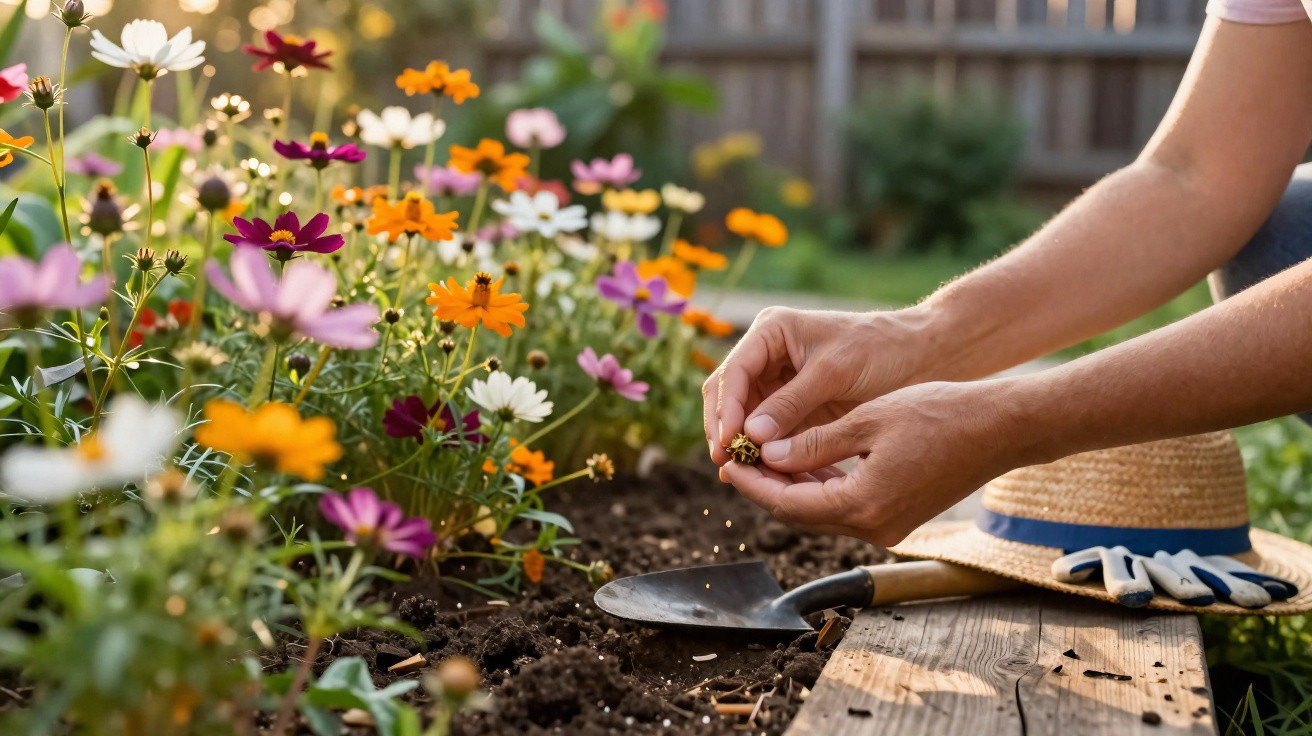
- Zinnia – Usually grown as an annual, but it can self-seed readily, returning year after year if the bed isn’t disturbed too much.
- Sunflower – Also an annual, yet it often spreads by seed and creates bold scenes each summer.
Do essential June care steps for perennial plants pay off later?
To help June-planted flowers establish properly, focus on the right position, soil preparation, and a sensible watering routine. In general, flowering plants need several hours of direct sun each day; in very hot areas, they may benefit from partial shade during the strongest part of the day.
A handful of basics can make a noticeable difference to how well young plants settle in, and to how strongly they return in future years:
- Soil preparation: loosen the soil thoroughly, remove larger stones, and work in organic matter such as compost or humus.
- Initial watering: for the first few weeks, keep the soil evenly moist but not waterlogged, adjusting how often you water to suit the weather.
- Feeding: apply a balanced fertiliser in early spring or soon after planting to support root growth and future flowering.
- Pruning and tidying: remove spent blooms and dead stems to encourage fresh growth and keep the border healthy.
Regularly checking for yellowing leaves, wilting, or spotting makes it easier to catch stress early and correct watering, drainage, or sun exposure. With that small amount of ongoing attention, a June garden delivers not only immediate charm, but also a strong base for many flowering cycles to come.

Comments
No comments yet. Be the first to comment!
Leave a Comment