
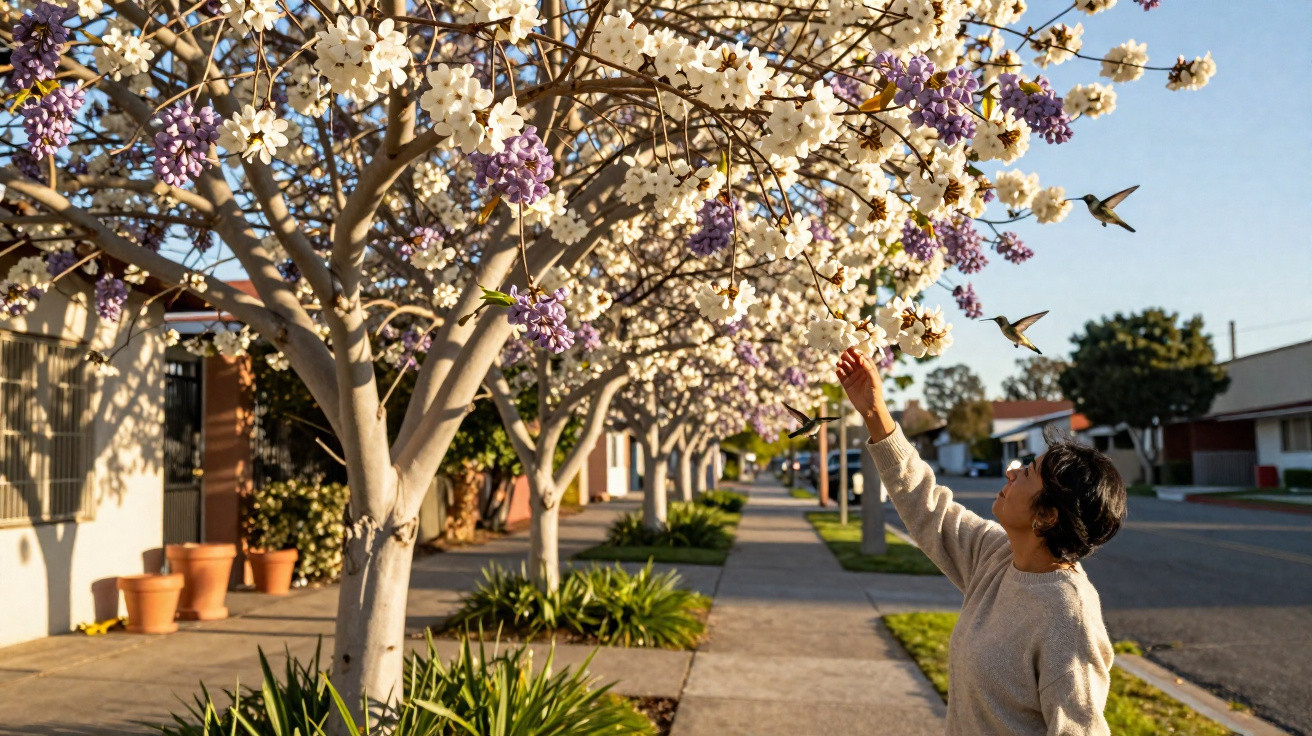
If you’re looking for a pavement tree that is tough, low-maintenance and still puts on a striking winter display, the cazahuate (Ipomoea arborescens) fits the brief. Native to Mexico, this species typically grows to between 5 and 9 metres tall, forming an airy crown with branches that spread out horizontally without harming nearby infrastructure. In the driest part of the year-when most plants are dormant-it produces spectacular white, funnel-shaped flowers that can blanket the entire tree.
Why is the cazahuate ideal for urban pavements?
The cazahuate combines traits that make it particularly suitable for street planting, pavements and public spaces-places where other trees often create issues with invasive roots or demand constant upkeep. Its moderate height also helps it sit more comfortably alongside overhead cables, while its growth habit is unlikely to threaten paving or nearby buildings.
Practical benefits that make the cazahuate a strong choice for urban settings include:
- A non-aggressive root system that avoids damaging pavements and underground pipework, without the cracking or lifting often caused by ficus and other troublesome species
- Exceptional drought tolerance and an ability to cope with arid city conditions, where water is limited and maintenance must be kept to a minimum to remain affordable
- An open canopy that offers generous shade without completely cutting out daylight from neighbouring homes, striking a useful balance between cooler streets and natural light
- Remarkable adaptation to poor soils and harsh conditions that would make more demanding trees difficult to grow without extra nutrition and specialist care
When and how does the flowering that attracts hummingbirds happen?
Cazahuate flowering arrives when the landscape can look at its quietest, transforming streetscapes from October to April-after many other trees have already dropped their leaves and finished blooming. Its white, funnel-shaped flowers, with centres that are yellowish or slightly reddish, measure around 5 to 8 centimetres across and can cover the whole crown, creating an eye-catching display that seems to brighten entire roads.
These large, showy blooms open mainly towards dusk and release abundant nectar, drawing in hummingbirds, nectar-feeding bats, native bees and butterflies at a crucial time of year when very few other food sources are available. The contrast of a tree coated in white flowers against a clear blue winter sky is so distinctive that entire regions of Mexico are known for their whitened scenery during the dry season, when cazahuates flower in unison.
What basic care does the cazahuate need?
Despite its impressive hardiness, the cazahuate responds well to a few straightforward measures-especially in the first years after planting, while it settles into its permanent spot. The encouraging part is that it doesn’t require anything complicated, which makes it suitable even for those with limited experience in gardening or urban tree planting.
Key steps to help your cazahuate grow strongly and bloom well include:
- Planting in full sun, with several hours of direct light each day, as too much shade can seriously reduce flowering and slow development
- Using well-drained soil that does not leave water standing around the roots, even if the soil is low in nutrients, because waterlogging causes rot more quickly than a lack of feeding
- Watering regularly during establishment over the first two years to encourage deep rooting; after that, it can handle long dry spells without difficulty
- Only light formative pruning to remove dead or poorly placed branches, avoiding heavy cutting because the tree naturally develops a balanced crown without constant intervention
How does winter flowering benefit the local ecosystem?
The cazahuate’s ability to bloom in the driest season plays an ecological role that goes well beyond its visual appeal for passers-by. When most plants are conserving energy and water in a dormant state, this tree provides a vital resource for pollinators that might otherwise face severe food shortages precisely when they most need energy to survive.
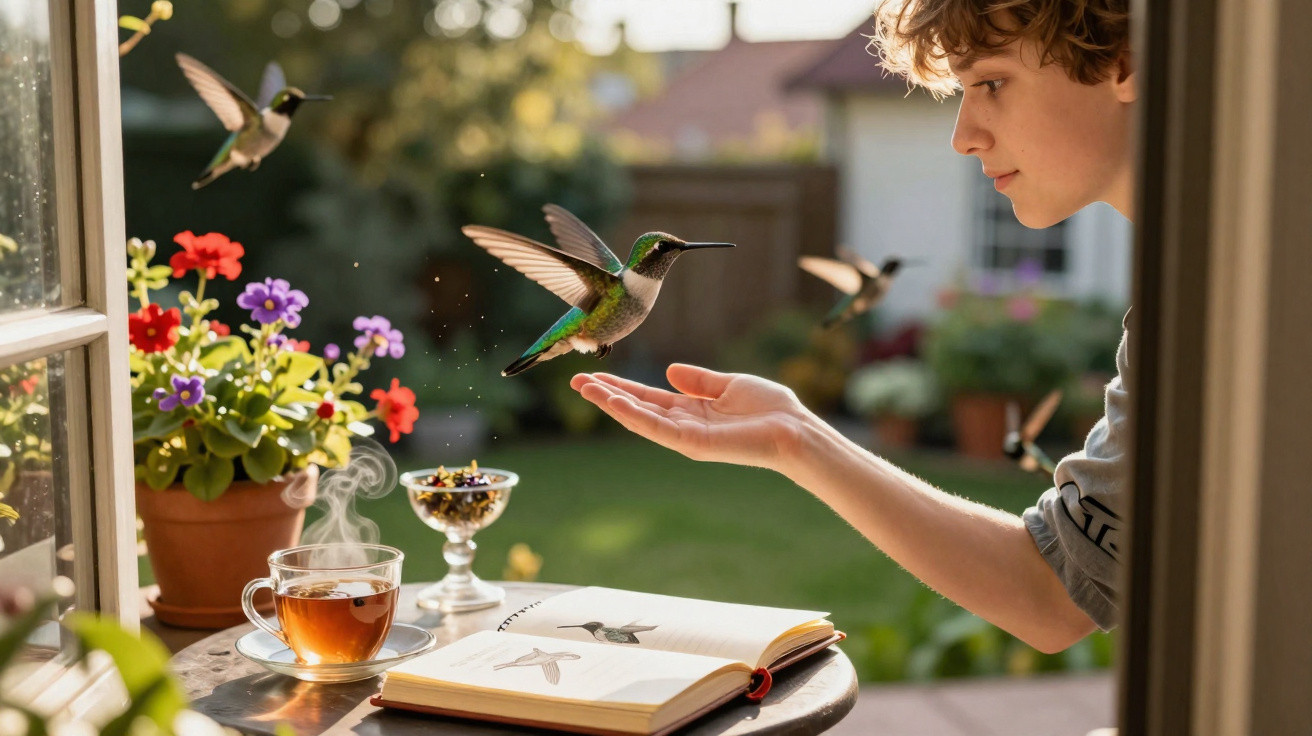
Hummingbirds that rely on fresh nectar every day can use cazahuate flowers as a dependable supply, allowing them to hold territories and make it through until spring returns and more species begin flowering again. In the same way, nectar-feeding bats, native bees and butterflies benefit from this critical window, supporting a web of interdependence that strengthens the wider urban ecosystem and helps make cities more resilient and biologically rich, even amid concrete.


Comments
No comments yet. Be the first to comment!
Leave a Comment