
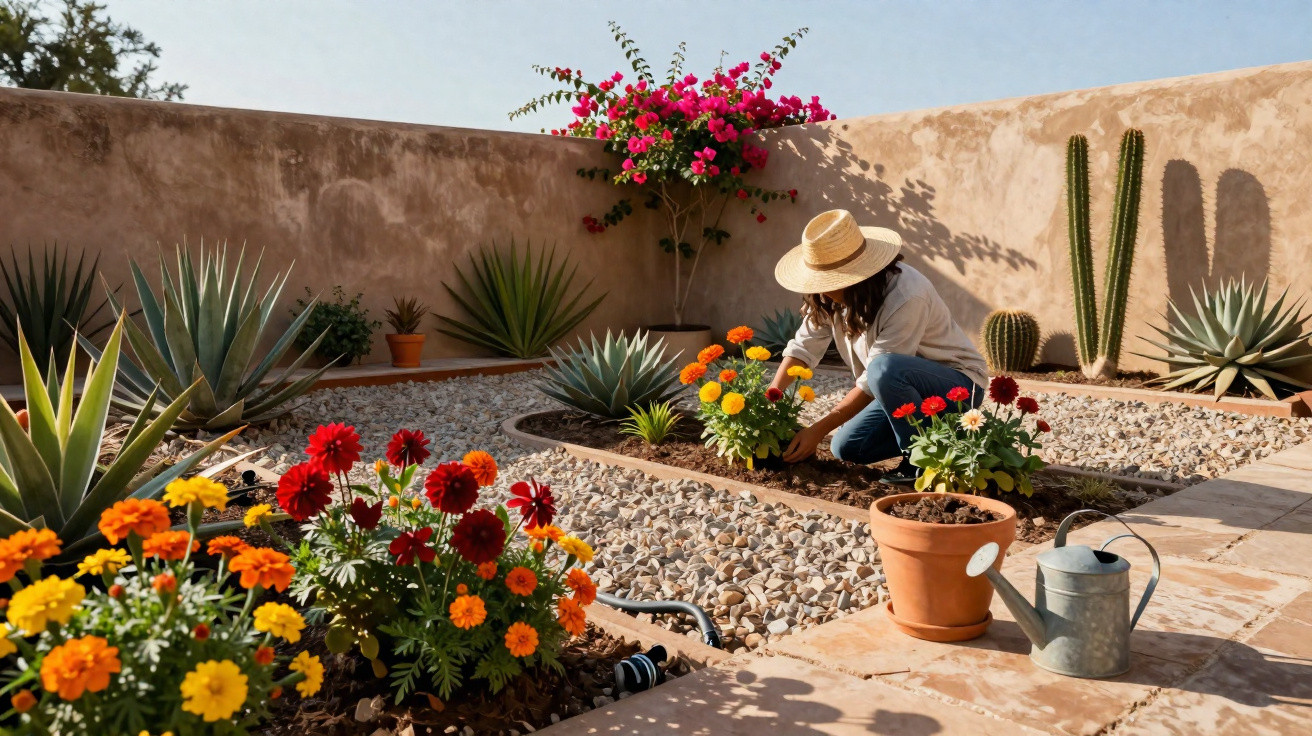
Growing a beautiful Mexican garden can be straightforward, even for anyone with a packed day-to-day schedule. By choosing the right species, you get a striking look without constant watering or complicated upkeep that drains valuable time and energy.
How do you plan a low-maintenance garden with Mexican flowers?
To keep a border full of flowers, the key is to pick native varieties that have evolved in harsh conditions. These plants cope with long dry spells and poor soils, holding on to vivid colour without needing frequent feeding or fussy pruning for healthy, long-lasting development.
Many people want to brighten up their balconies with large pots, but worry about exhausting work. When you go for Mexican plants, you gain real freedom: these species typically ask for nothing more than full sun and excellent drainage to bloom generously through the seasons.
Here are five strong choices that add colour and lasting vitality without demanding daily, complicated care:
- Agave: Handles full sun extremely well and needs very little water.
- Mexican sage: Produces stunning purple flowers that attract pollinators with ease.
- Dahlia: Grows from sturdy tuberous roots that store essential nutrients.
- Mexican petunia (Ruellia): Noted for hardy growth, ideal for sunny beds.
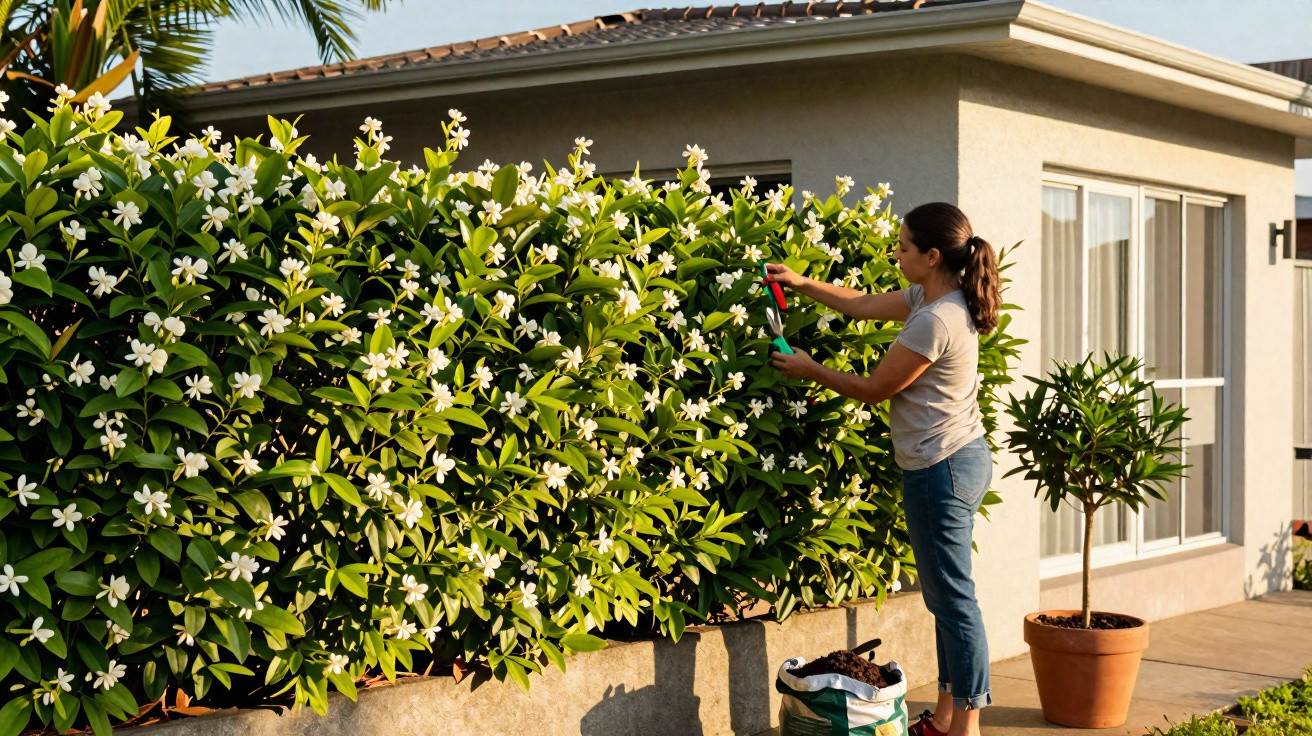
- Choisya ternata: Provides dense foliage and a wonderfully pleasant fragrance.
What are the advantages of choosing native species from Mexico?
The biggest benefit is the impressive way these varieties are adapted to hot climates. They tolerate intense heat and manage on little water, which makes them ideal for outdoor spaces that need incomparable resilience and natural beauty without requiring constant attention.
Their lifespan also stands out to home landscaping enthusiasts. Growing plants that can thrive for decades reduces the need for frequent replacements in borders, bringing genuine cost savings and giving anyone who wants a consistently attractive garden excellent visual stability.
Below is a video from the Spagnhol Plantas channel on YouTube that explores the points discussed in this topic in more depth:
How can you ensure healthy flowering without excessive effort?
Keeping these blooms vigorous comes down to direct natural light. Putting pots in full sun helps the plant’s metabolism run at its best, encouraging colourful buds to open with vigour and delivering very high durability.
Sustainable Gardens
The Strength of Mexican Species
These remarkable plants survive with real autonomy, turning dry back gardens into genuinely colourful refuges.
Choosing hardy vegetation also cuts spending on water and polluting chemical products dramatically.
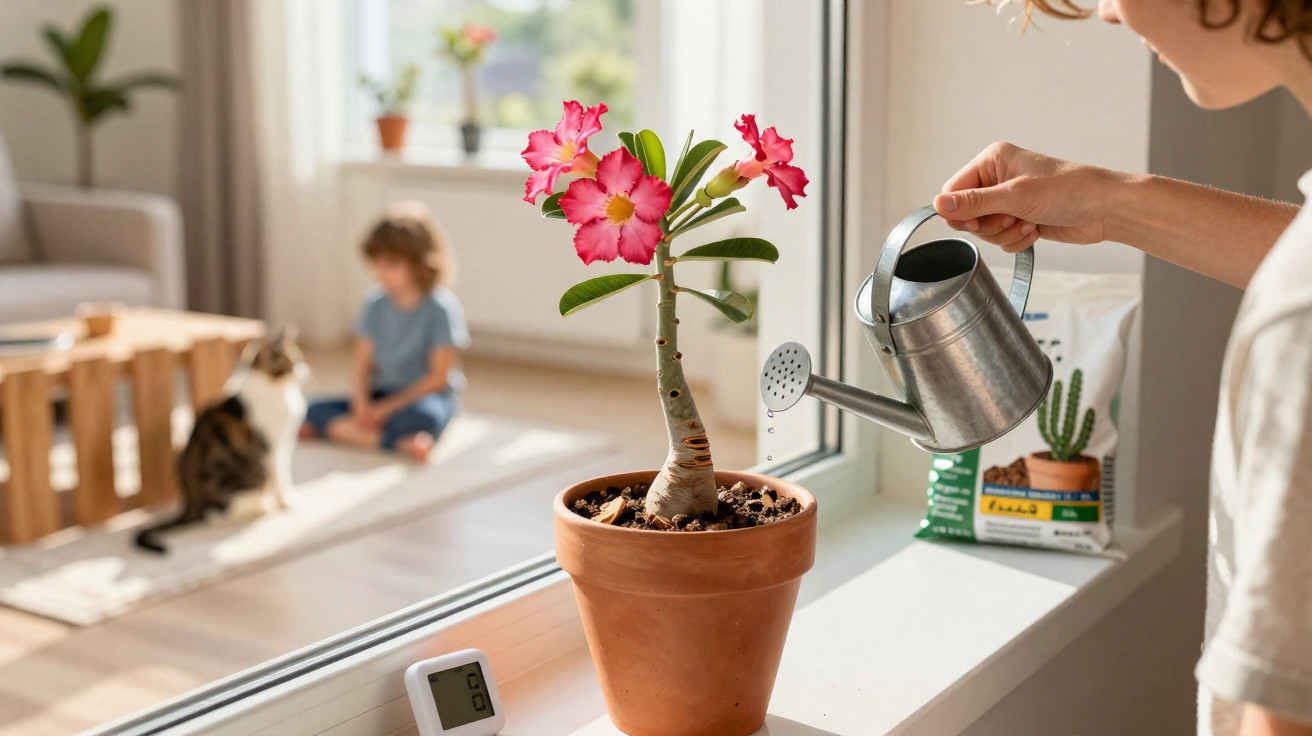
Another essential factor is moderate watering, because too much moisture around the roots can rot the tubers of these species. Watering only when the soil is dry imitates their native environment, supporting consistent growth and preventing highly undesirable plant health problems.
These are the core elements that help keep maintenance simple and effective throughout the year:
- Using a highly sandy growing medium.
- Pots with suitable drainage holes at the bottom.
- Occasional removal of dry leaves.
How does drained soil influence plant survival?
The growing medium you choose largely decides whether these Mexican species will succeed in large pots or in a border. Compacted soil holds too much moisture, suffocating the roots and stopping the plant from staying strong while showing its natural vitality.
To reduce the risk, mix coarse sand or a light mineral amendment into ordinary soil before planting permanently. This blend allows water to run through quickly, so moisture stays around the roots for a short time only, supporting proper oxygenation and thoroughly healthy development.
Key features of a well-prepared soil for these rugged varieties include:
- A light, notably sandy texture.
- Small stones or grit to aid drainage.
- Low organic matter content.
Why do Mexican flowers last up to thirty years?
The remarkable longevity of these plants is closely linked to a biological system adapted to store energy in underground structures. The tubers act as nutrient reservoirs that support the plant through difficult weather periods, ensuring continuous renewal and a very long survival.
For that reason, using these species in ornamental planting brings peace of mind for many seasons in the back garden. Investing in well-sourced young plants leads to lasting satisfaction for anyone who wants to enjoy nature without becoming tied to tiring maintenance.
Read also: Mediterranean flowers for lazy gardeners
Comments
No comments yet. Be the first to comment!
Leave a Comment