
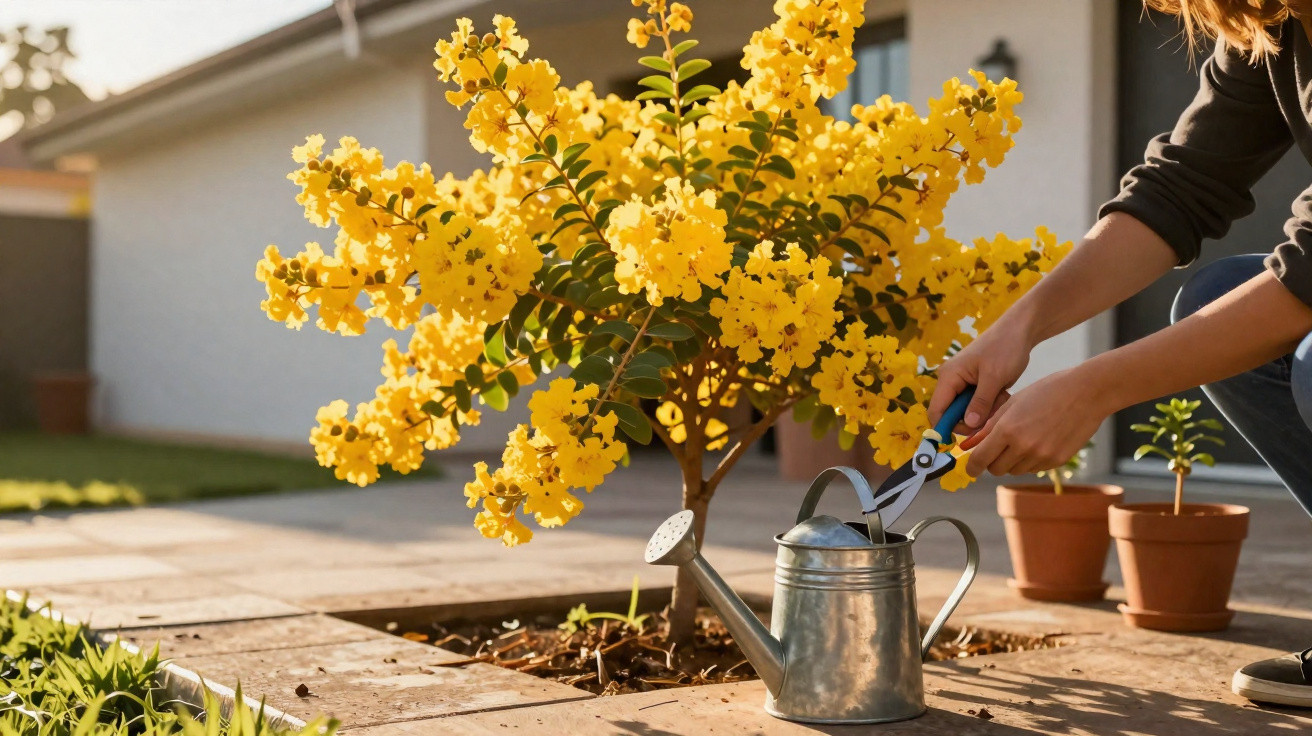
Choosing the right greenery for compact residential areas means balancing visual appeal with day-to-day practicality. The charming yellow crape myrtle stands out as a decorative solution for anyone wanting quick shade without putting paving at risk or dealing with complicated, frequent upkeep.
How does the crape myrtle suit small gardens?
As a native species, it develops with a shrub-like habit that works particularly well in narrow front gardens, small patios, and tight side passages. Its controlled, upright growth helps prevent common urban headaches, allowing residents to enjoy cool shade without the worry of lifting or cracking expensive paving.
Beyond brightening up the front of a home, this plant also shows notable toughness when left in prolonged full sun. That steady, well-balanced performance makes the shrub a sensible option for anyone refreshing their home landscaping while keeping everyday practicality firmly in mind.
Key benefits of growing this species at home include:
- Shallow roots: Its non-aggressive root system helps prevent cracking and damage to paving and paths.
- Full sun: It needs strong light and thrives in intense heat to grow well.
- Fast growth: It reaches a useful size quickly, forming shaded areas in a very short time.
- Wildlife attraction: Its beautiful yellow flowers act as a strong natural draw for butterflies.
- Simple pruning: It responds well to light trimming, which helps encourage abundant new flowering.
What care helps the shrub flower at its best?
Correct watering is a core part of successful planting, as the compost should stay consistently, moderately moist. Letting the soil dry out completely can leave the foliage vulnerable to severe dehydration, particularly after long periods of direct intense heat from the sun.
In addition, adding good-quality bone meal improves the soil with organic matter that supports stronger nutrition. With regular supplementation, the branches are encouraged to produce refreshed, showy flower clusters that enhance any landscaping scheme with long-lasting vibrant flowers.
How do you prune for maintenance the right way?
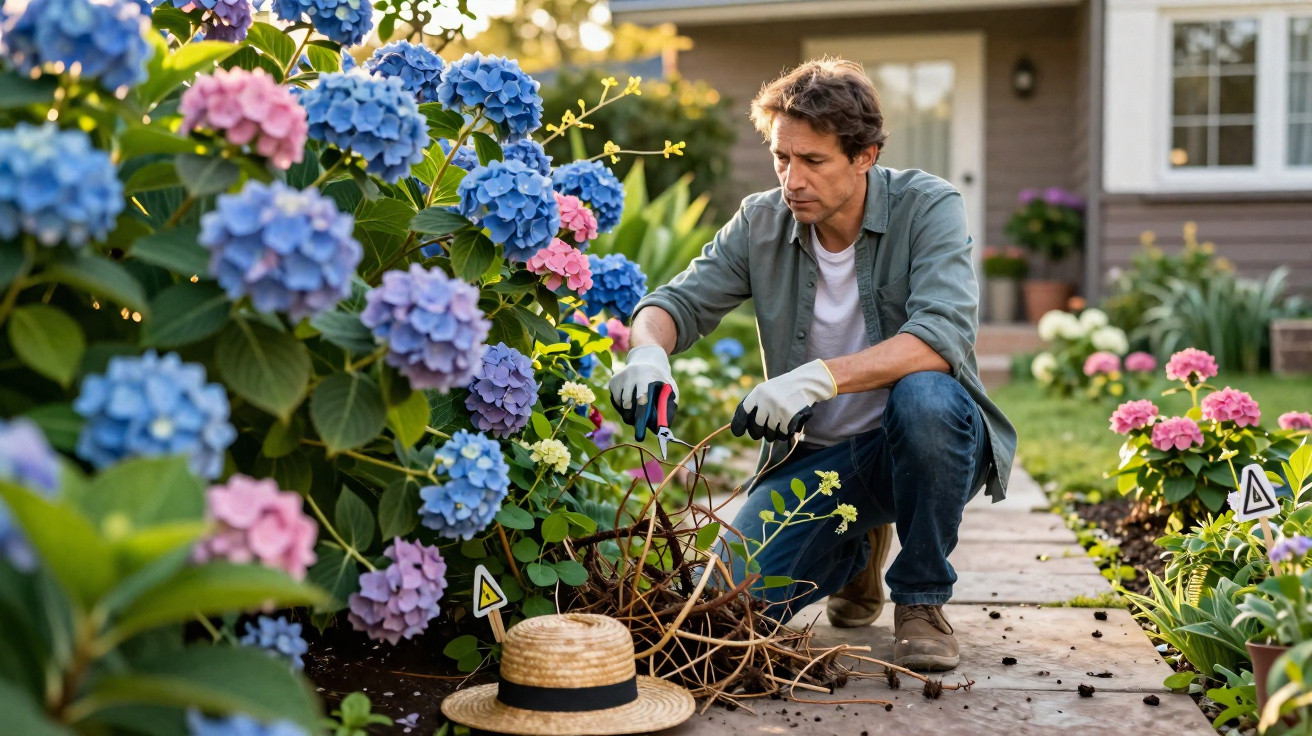
Making clean cuts soon after each flowering cycle finishes supports healthy structural renewal. Trimming away dried tips prompts quick, vigorous new shoots to appear, carrying impressive ornamental buds with great ease.
Special Pruning Tip
Flowering boost
Because flowers form mainly at the ends of new growth, ongoing pruning becomes essential to keep the plant looking lively.
Doing this straightforward task helps the shrub renew its shoots and bloom strongly during the warmest times of the year.
Thanks to this plant’s flexibility, you can manage its height precisely to match the space available in the planned outdoor area. Gardeners can shape it into a hedge or keep the canopy neatly compact through well-timed, periodic work, maintaining harmony with complete operational safety.
Follow these essential steps when pruning:
- Use well-sharpened secateurs to avoid crushing thin branches.
- Always snip back the tips of shoots soon after the old flowers drop.
- Remove dead or poorly formed branches to improve airflow within the plant.
Why is the yellow crape myrtle ideal for residential pavements?
The lack of an aggressive root system makes this shrub a perfect choice for narrow residential pavements. Its discreet roots expand without forcing their way beneath hard surfaces, helping avoid costly repairs often caused by aggressive roots.
As well as protecting paved finishes, its modest size is also more compatible with overhead street cabling in residential areas. Homeowners can enjoy striking, colourful planting while still following local rules for urban tree and shrub planting-without creating unwanted urban conflicts.
Reasons it works so well for public walkways include:
- Its compact size does not interfere with street high-voltage lines.
- The flowers do not create excessive mess or stain the ground around it.
- The species is highly resistant to pollution in modern cities.
How do you start growing it in pots or beds?
Buying healthy young plants from reputable growers gives home cultivation the best possible start. Checking that the root system is in good condition ensures the shrub can take up water and nutrients efficiently, speeding up fast growth once it is in its permanent position.
Selecting roomy containers with suitable drainage holes prevents harmful water build-up around delicate roots. With careful bed preparation, it is possible to establish a beautiful small tree that will not crack paving, delivering a lasting landscaping effect that enhances the entire property.
Comments
No comments yet. Be the first to comment!
Leave a Comment