
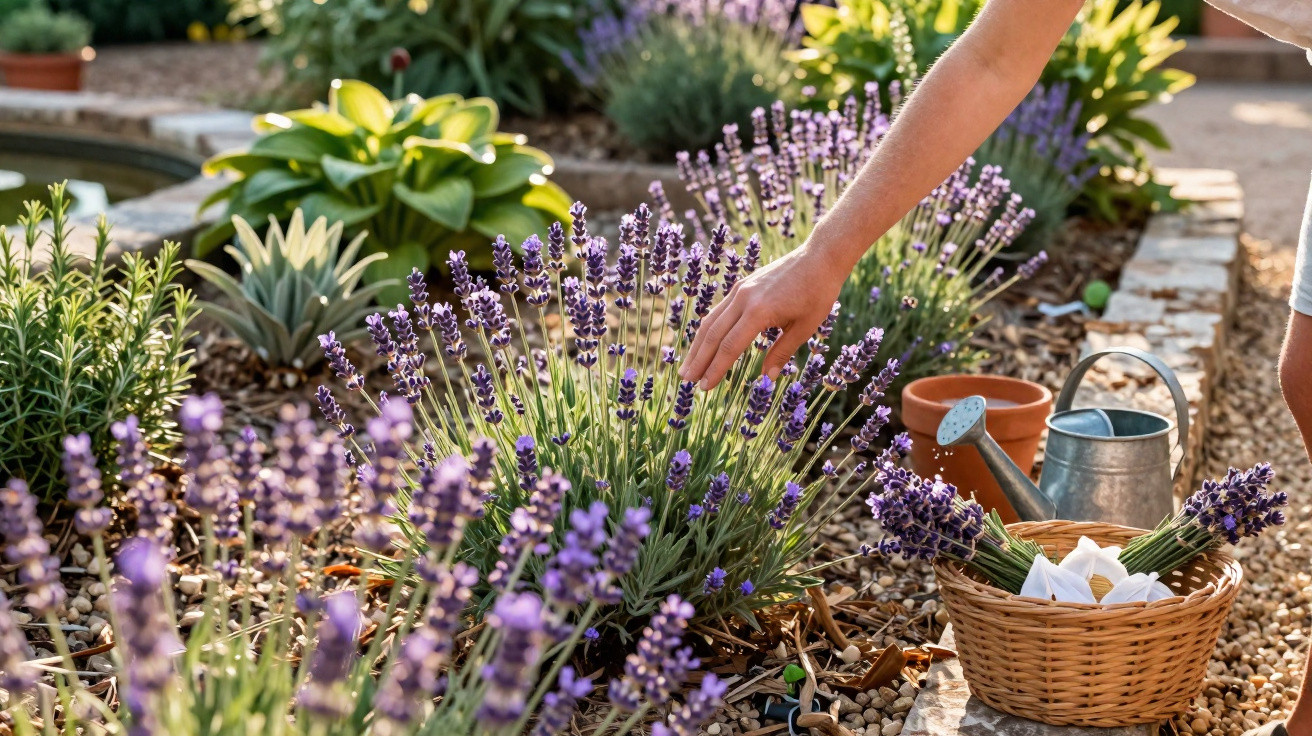
Lavender is prized for its hardiness and its unmistakable fragrance, but it does not thrive alongside every garden companion. Some plants will outcompete it for water, light, or nutrients, while others need a completely different soil type. Knowing which plants lavender does not suit helps you avoid stunted growth, early wilting, and even a noticeable drop in scent.
Why doesn’t lavender suit plants that need lots of water?
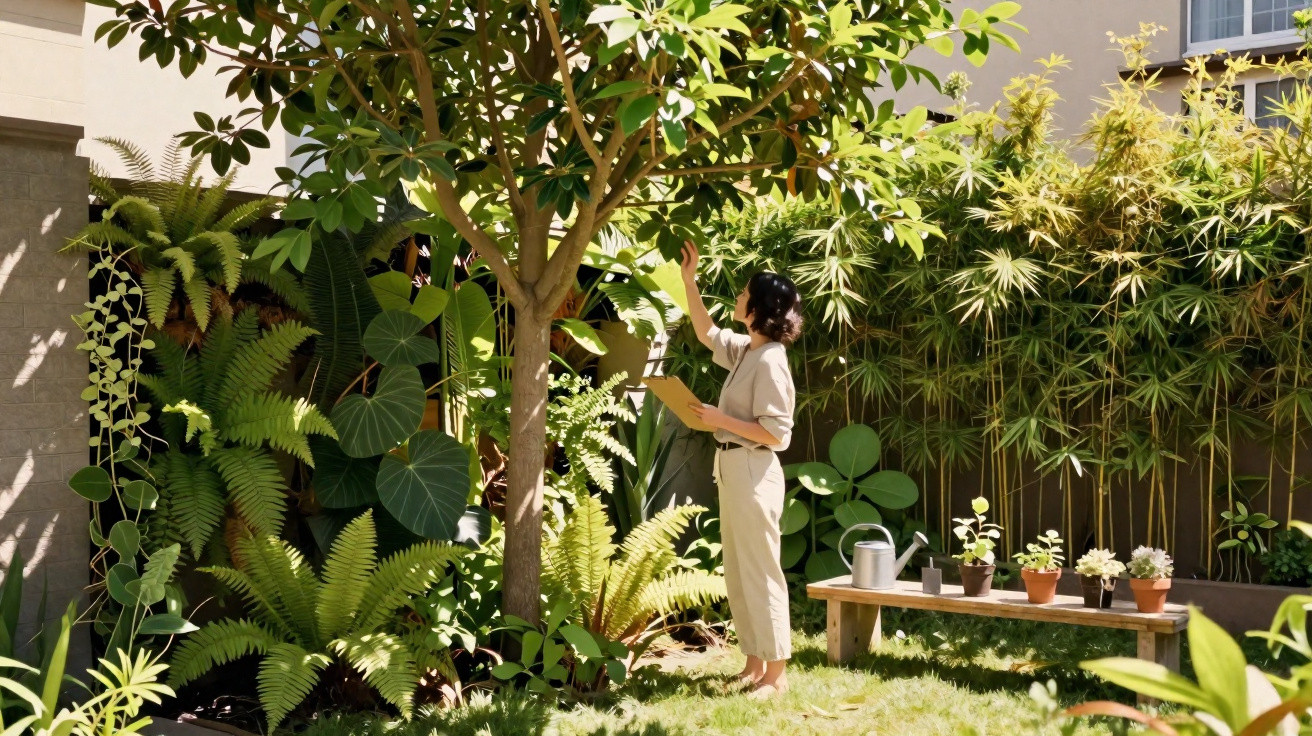
Lavender is naturally adapted to dry, sunny conditions and struggles when paired with species that prefer waterlogged ground or frequent watering-such as many ornamental tropical plants or shade-loving foliage plants. While lavender needs airy roots and a free-draining base, these moisture-loving neighbours do best in compost that stays consistently damp.
When lavender sits next to plants that demand plenty of water, the soil typically remains wet for longer than lavender can tolerate. That prolonged moisture encourages root rot and fungal problems. In more severe cases, the plant can dry out from the top down even though the soil looks “well cared for”, and it may also lose vigour, foliage, and the intensity of its aroma.
Where should you plant lavender in the garden to keep it strong and fragrant?
For robust growth, place lavender where it receives direct sun for at least 4 to 6 hours a day, with good airflow and light soil. In areas with very hot summers, a spot that gets morning sun and a little shelter during the strongest afternoon heat is usually enough.
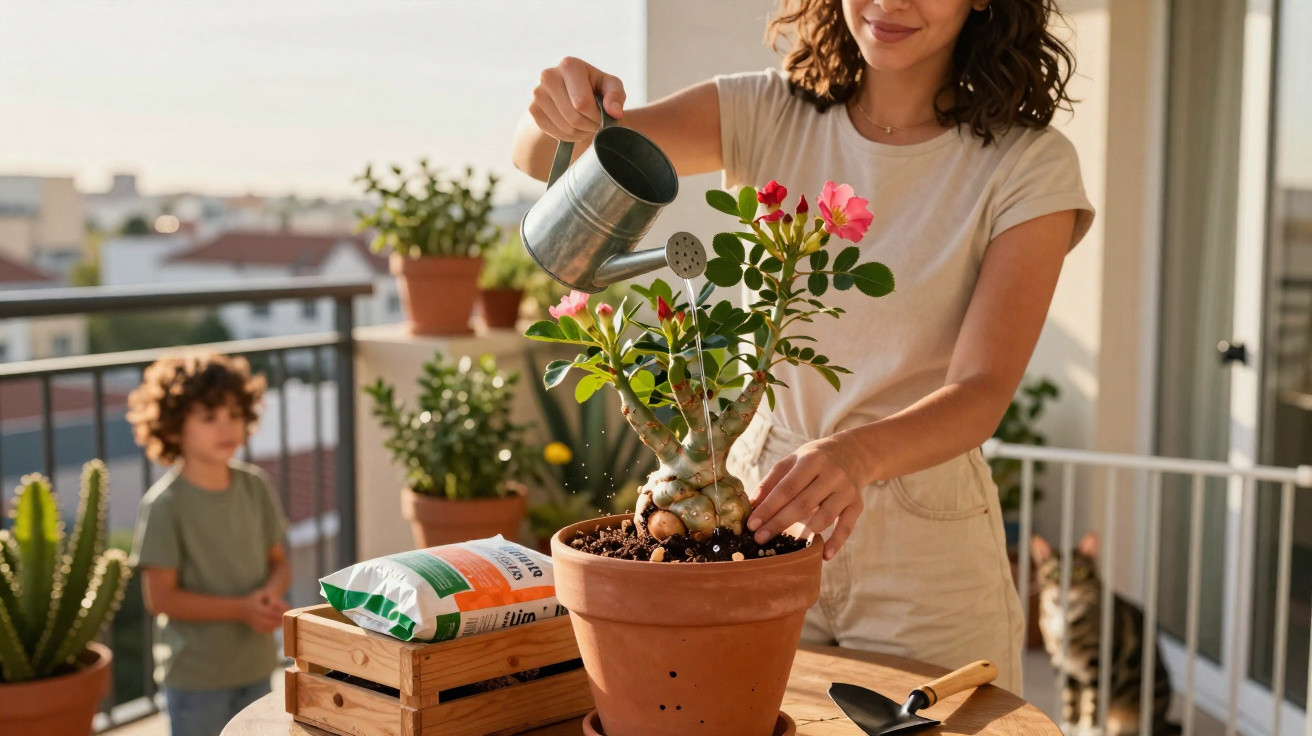
The ground should drain quickly, ideally with a sandy texture or improved with materials that help water run through-such as coarse sand or fine gravel. If you are growing lavender in pots, generous drainage holes and a drainage layer made from stones or expanded clay pellets help prevent waterlogging and can extend the plant’s lifespan.
Which plants work well with lavender in the same bed?
To keep both lavender and its neighbours healthy, it is best to group it with plants that share similar needs-full sun and minimal watering. That way, you avoid mixing lavender with plants that want daily hose watering or heavy automatic irrigation, which lowers the risk of disease.
Some plant types are especially well-suited to growing next to lavender, creating beds that look cohesive, smell wonderful, and stay easy to manage day to day:
- Mediterranean herbs such as rosemary, sage, and thyme, which cope well with drier soil;
- Succulents and small cacti, ideal for low-maintenance gardens;
- Tough, drought-tolerant flowers that handle heat and moderate watering;
- Sun-loving ornamental grasses, which improve ventilation and help keep the bed well drained.
How can you make use of lavender’s fragrance and flowers day to day?
When lavender is grown in the right place-with plenty of sun and excellent drainage-it produces more flowers and a stronger scent, making it easy to use the stems regularly around the home. Harvesting is typically done when most of the blooms on the flower spike are open, which is when the fragrance is most noticeable and concentrated.
A simple way to enjoy lavender is to tie small bunches and dry them, hanging them upside down in a well-ventilated spot out of direct light until they lose their moisture. Once dried, they can be placed in drawers and wardrobes, used in decorative arrangements, made into scented sachets for clothing, or included in handmade items such as candles and soaps-retaining the plant’s gentle, distinctive smell for a long time.
Comments
No comments yet. Be the first to comment!
Leave a Comment