
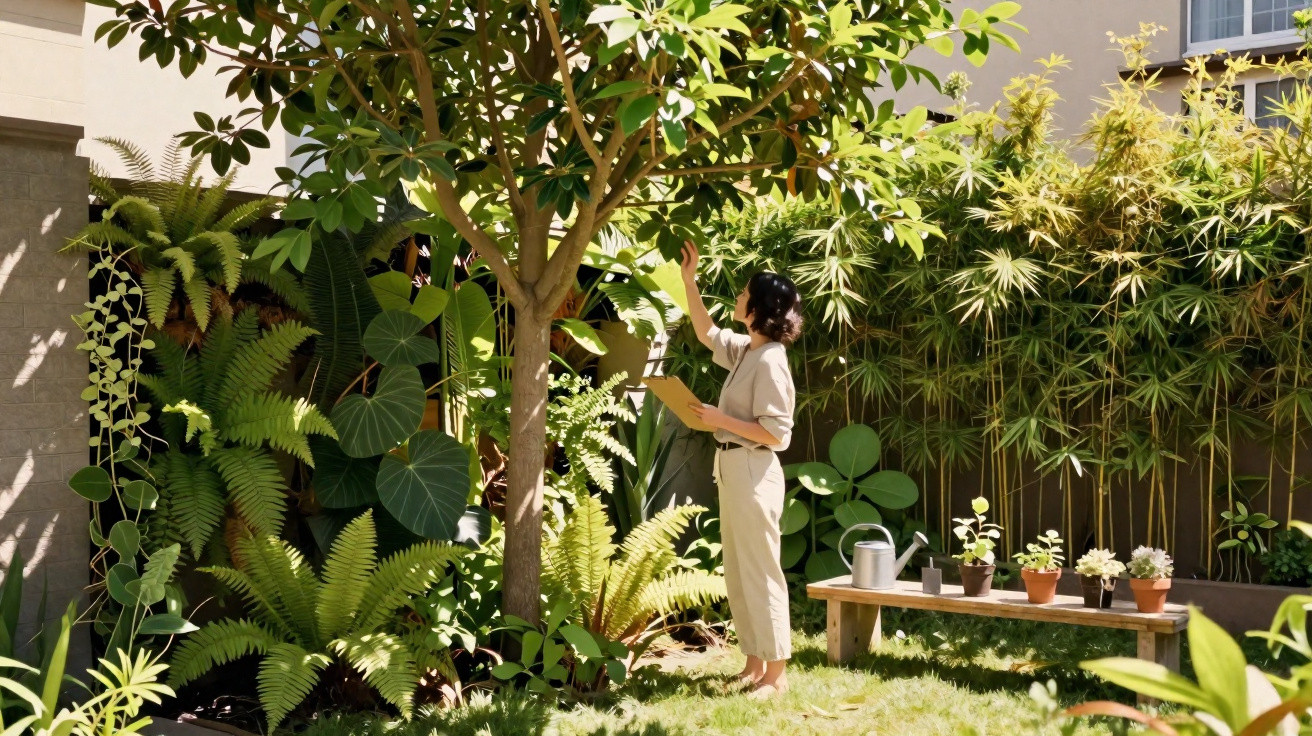
Living in places with intense heat calls for smart ways to recover comfort at home. Growing the right plant species can noticeably improve the local microclimate, bringing a pleasant sense of thermal comfort and turning stuffy back gardens into genuinely inviting, decorative retreats.
How can plants lower the temperature around your home?
Plants play a remarkable role in regulating heat through natural biological processes. A mechanism known as evapotranspiration releases steady moisture into the air, while broad leaves intercept direct sunlight and help prevent excessive warming of hard, built urban surfaces.
By cutting out harsh sun, this leafy cover forms an effective protective layer against the stifling conditions that often affect exposed homes. Creating well-planned natural shading can reduce reliance on mechanical air conditioning, delivering meaningful savings while giving you a refreshed outdoor area for the whole family to enjoy.
Which climbing plant provides cool shade all year round?
There is an ideal plant for covering verandas that fully blocks the sun’s rays and keeps temperatures comfortable… Read more
Which plant species are best for cooling exterior walls?
Vertical surfaces store large amounts of heat and then release that trapped warmth during the night. Covering these areas with a vibrant climbing plant tackles both the visual and thermal issues by creating an insulating layer that absorbs radiation and brings constant freshness across the garden.
The striking sapatinho-de-judia climber stands out as an excellent choice for covering pergolas and vertical frameworks. Its dense foliage acts like a true protective shield, softening high temperatures while adding outstanding ornamental beauty for residents.
Below, we highlight excellent video content produced by the well-known and charismatic “My Plants” YouTube channel, which explains-very precisely-several essential tips for structuring this innovative landscaping project and cooling your home thoroughly.
How do you create an effective green barrier to stop hot winds?
Warm winds coming in from the street often raise the uncomfortable ‘feels-like’ temperature inside homes. Building a dense plant barrier using ornamental trees or tall shrubs can filter this hot airflow, working as a fully natural thermal insulator.
For fast, long-lasting results, choose plants with hardy foliage. These species help maintain a cooler microclimate and also block external dust, encouraging a healthier, calmer setting with excellent protective shade.
Functional Landscaping
Thermal Elements
Learn which components you need to assemble your structure:
- 1 Correctly choose broad-canopy trees to cast clean, effective shade;
- 2 Apply organic fertiliser regularly to speed up the development of protective foliage;
- 3 Use a planned irrigation system to ensure continuous evapotranspiration.
What are the advantages of installing a vertical garden in the back garden?
Brickwork walls left under blazing sun can behave like heat radiators, making outdoor spaces feel suffocating. Installing a well-planned vertical garden on these surfaces substantially reduces heat absorption, preventing the structure from storing high temperatures and keeping the garden impressively cool.
Beyond the clear thermal benefit, this landscaping approach makes better use of small spaces and adds a refined look to the home. A green wall helps purify the surrounding air, holds natural humidity, and creates a soothing visual effect-upgrading any space with real sophistication.
Below are a few perfect plant options that adapt very well to this specific structural format, helping you plan your garden efficiently and gain excellent benefits for your health:
- Various ferns for semi-shaded spots;
- English ivy for fast wall coverage;
- Green pothos for high heat resistance.
How should you plan where to position trees in the garden?
The way you place broad-canopy trees directly affects how effective the shade will be over your home. Planting young trees on the west side offers maximum protection in the afternoon, blocking the strongest sun and delivering immediate coolness in a fully sustainable way.
Before planting permanently, always check that there is enough room for roots to develop properly. This careful planning helps prevent future structural damage to paving or walls, ensuring your landscaping brings only peace of mind, ongoing beauty, and outstanding thermal comfort.

Comments
No comments yet. Be the first to comment!
Leave a Comment