
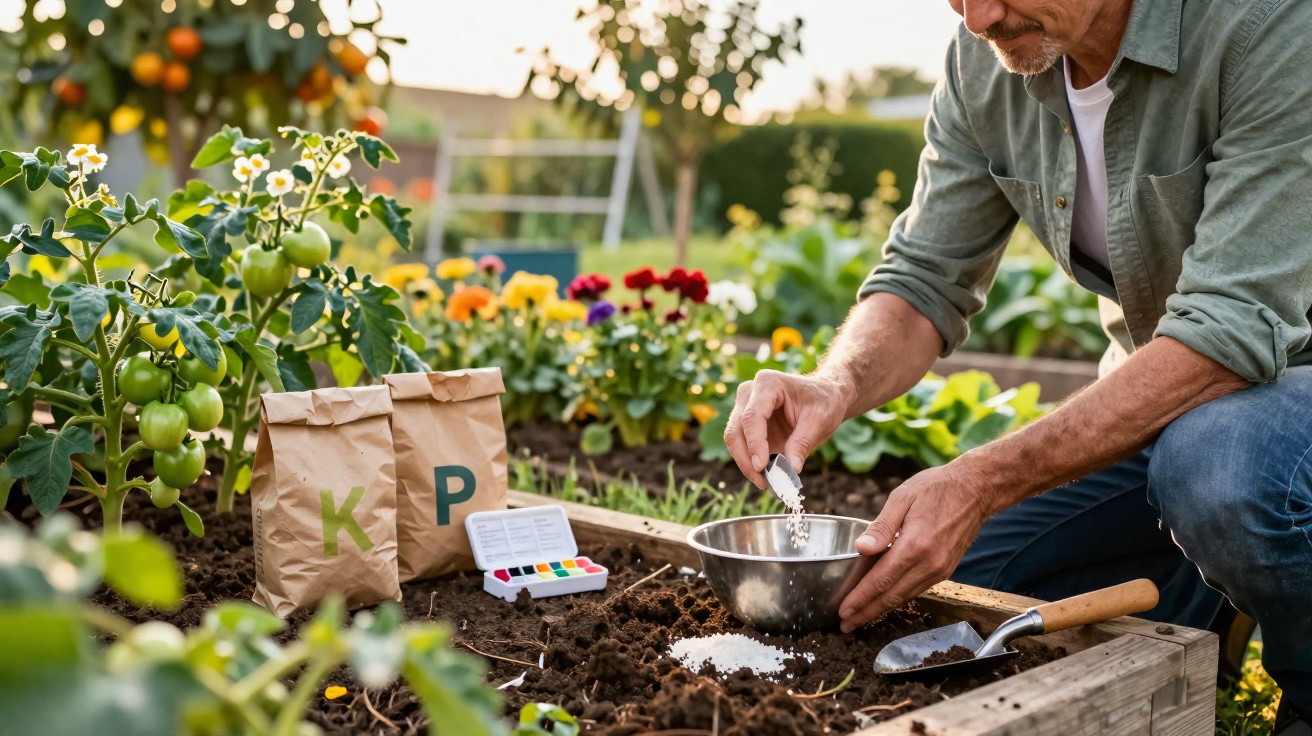
Using potassium and phosphorus together in plant care has become increasingly popular in home gardens and small-scale growing. Both nutrients are classed as essential for plant development and, when applied in balance, they can boost vegetative growth, flowering and fruiting-particularly in urban settings where people often prefer a more natural approach to feeding plants with a lower impact on the soil.
What is potassium and phosphorus fertilising in the garden?
Potassium and phosphorus fertilising means supplying these nutrients to the soil so plants can meet their requirements. Phosphorus supports root formation, cellular energy processes and the start of flowering, while potassium is associated with plant resilience, water movement and the overall quality of fruit.
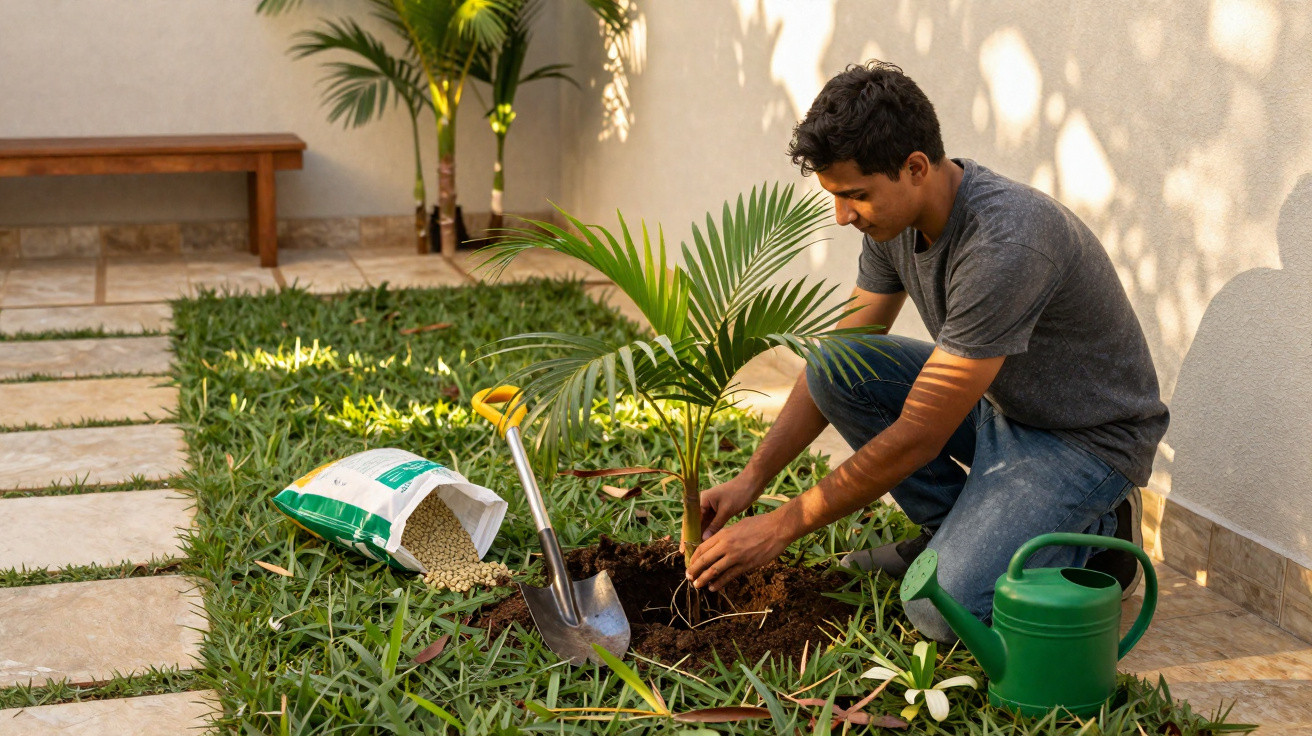
In practice, this pairing can be provided through NPK fertilisers where P and K are the most prominent values, or through homemade blends that rely on specific sources. In smaller gardens, it is usually applied in a targeted way, close to the root zone only, keeping levels moderate and steady without overloading the soil.
Watch a video on the YouTube channel Mais Soja that shows how to apply potassium and phosphorus in the garden:
How do you prepare and apply a potassium and phosphorus mix?
For those using ready-made fertilisers, granular or soluble products with higher phosphorus and potassium levels are common-such as 4-14-8 or 0-10-10, where nitrogen is lower. In these situations, it is important to follow the manufacturer’s recommended amounts, taking into account the plant species, the time of year and the size of the pot or bed.
For straightforward home-gardening mixes, you can combine easy-to-find materials to create a slow-release feed that lowers the risk of over-application and supports soil microbial life. Sources often used include:
- Phosphorus: bone meal, natural rock phosphate, seed cakes high in phosphorus;
- Potassium: sifted wood ash (from untreated wood with no paint), composted banana peels, gentle potassium fertilisers;
- Organic base: well-rotted compost or worm castings, which help with water and nutrient retention.
Which plants benefit most from this fertilising?
Potassium and phosphorus are useful for almost all plant types, but some show clearer results. Ornamental plants with long flowering periods-such as roses, hibiscus, orchids and geraniums-often set sturdier buds and produce longer-lasting blooms when phosphorus levels are adequate.
Fruit-bearing vegetables like tomatoes, peppers, aubergines and cucumbers commonly achieve better flower set and more even production when these nutrients are supplied in balanced doses. Potted fruit trees such as citrus, Surinam cherry (pitanga) and jabuticaba also tend to improve in fruit quality, firmness and tolerance to moderate weather fluctuations.
What are the main benefits and precautions when combining potassium and phosphorus?
Key advantages include stronger roots and increased resistance to wind, small temperature swings and certain water-related stresses. In kitchen gardens, it is common to see more consistent production cycles, firmer fruit and reduced bud and flower drop-provided the soil is not waterlogged.
Even so, a few precautions are essential: too much ash can push the pH up excessively, while overusing bone meal may reduce the availability of micronutrients. For that reason, it is advisable to keep a two- to three-month interval between solid applications, avoid heavy doses on newly planted seedlings, watch for scorched leaf edges as a possible sign of excess, and always water regularly after each application-aiming for a moderate, long-term routine that keeps the garden healthy.

Comments
No comments yet. Be the first to comment!
Leave a Comment