
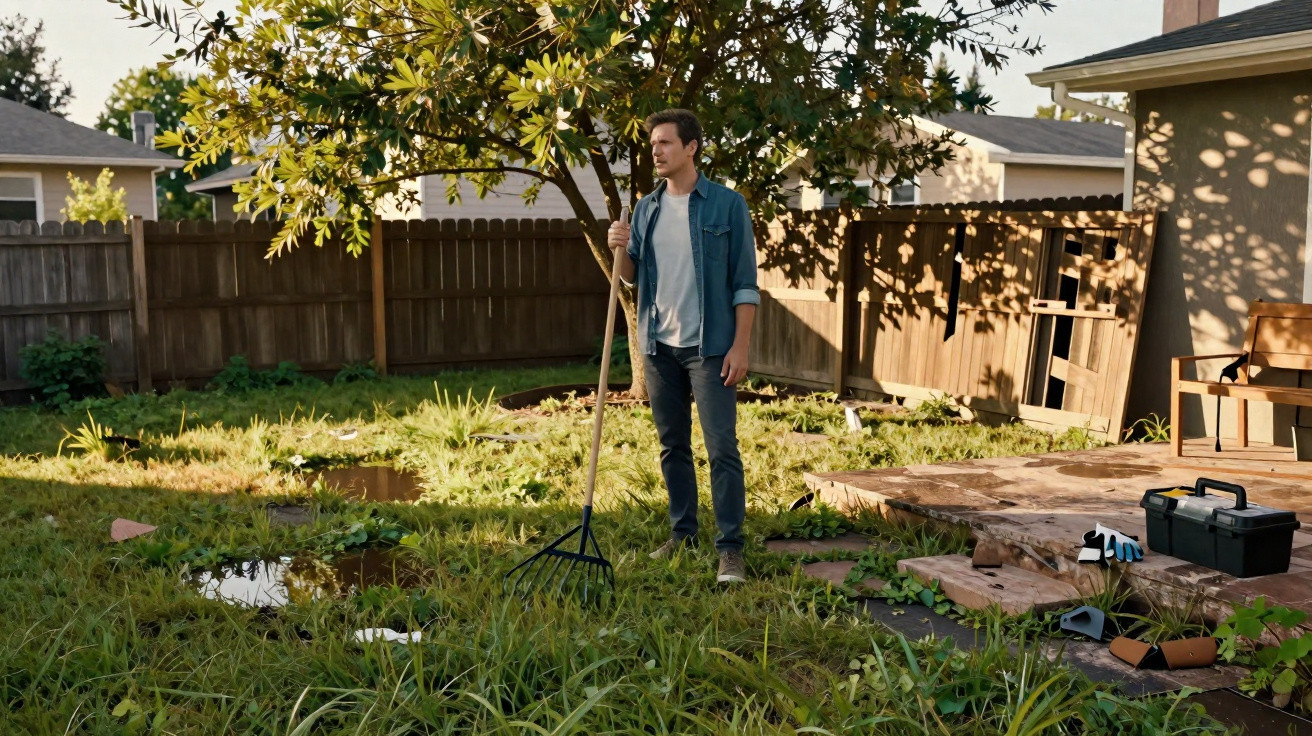
A garden that looks quiet and tidy at first glance can still hide small issues that, over time, spoil the look of the home, attract pests and even lead to disagreements with neighbours. Overgrown grass, standing water, damaged fences and neglected trees are the sort of details many people overlook day to day, yet they can turn into much bigger headaches when left unattended.
Why can high grass and too many weeds become a problem?
Letting grass and invasive plants go unmanaged affects far more than the garden’s appearance. Areas where vegetation is left to grow long can become hiding places for unwanted animals, while also encouraging the presence of fleas, ticks and rodents.
Another concern is that many weeds spread their seeds easily, crossing the boundary of your plot and ending up in neighbouring gardens. For that reason, keeping up a routine of mowing and removing invasive plants helps maintain balance in your outdoor space.
How can you look after the garden to prevent weeds and an abandoned look?
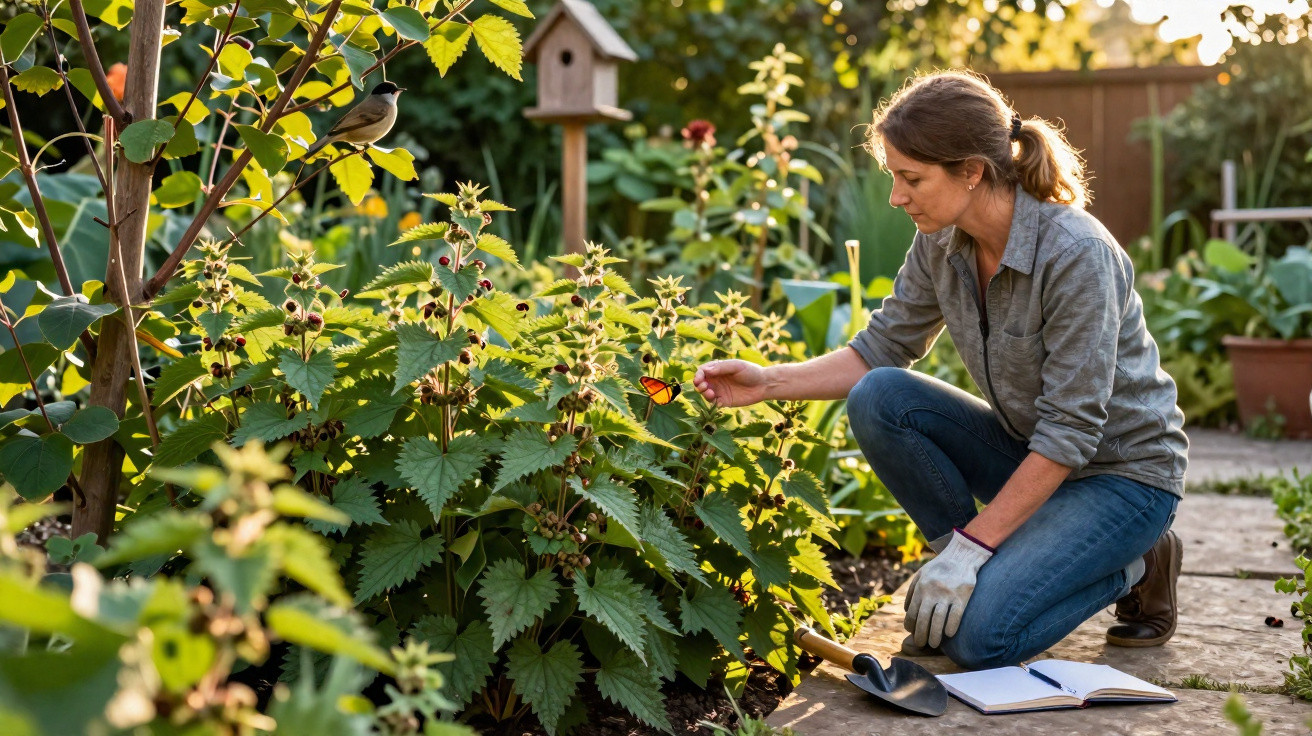
A well-kept garden does not necessarily mean a flawless one; it simply means sticking to a few basic habits that stop problems building up. Regular weeding and pruning plants correctly help keep the environment healthier.
It also helps to keep an eye on spots where growth becomes unruly, so you can act before the issue spreads into other parts of the garden.
- Mow the grass regularly
- Pull out weeds as soon as they appear
- Avoid a build-up of fallen leaves and dry branches
- Prune when needed
- Keep paths and walkways clear
Why does standing water in the garden need attention?
Puddles, blocked gutters, plant pots without drainage and forgotten containers left outdoors can hold water and encourage mosquitoes to breed. On top of that, poor drainage can leave the ground waterlogged and contribute to damp issues.
When water cannot run away properly, the garden can become prone to flooding after periods of rain. In some situations, you may need to improve the ground’s level or put drainage solutions in place to prevent repeated pooling.
- Gutters clogged with leaves
- Saucers under plant pots
- Forgotten paddling pools
- Small dips in the lawn
- Pet water bowls
- Decorative fountains or containers with no circulating water
How can broken fences and neglected trees affect the garden?
Damaged outdoor structures-such as leaning fences or shelters with rotting timber-may seem like a purely visual issue, but they can also make it easier for animals to get in and can speed up wear and tear across the outdoor area.
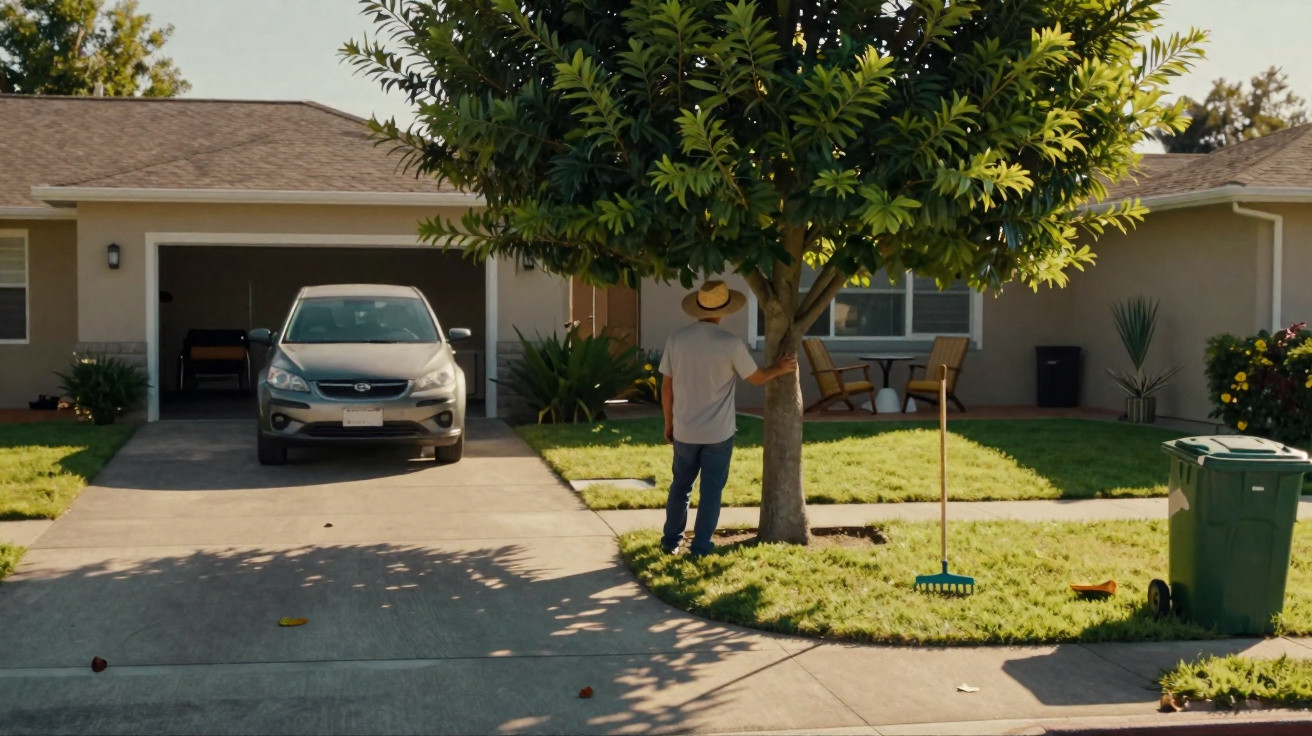
Trees with dead branches, or branches growing too close to buildings, also deserve attention. Preventative pruning helps reduce the risk of falling limbs and protects nearby roofs, walls and other structures.
Comments
No comments yet. Be the first to comment!
Leave a Comment