
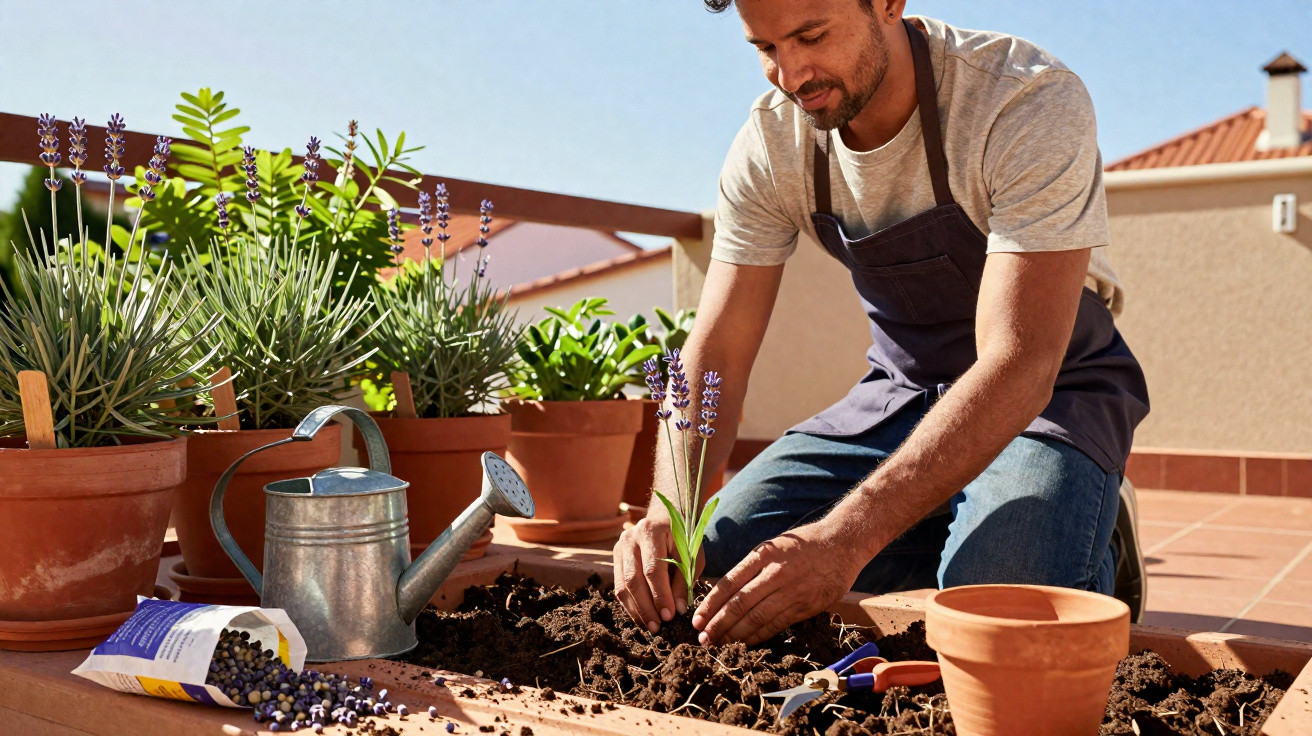
Many people want a perfumed garden filled with hardy plants that look beautiful without demanding constant effort. Growing vibrant lavender in pots or in sunny beds can keep your outdoor space scented for a long time, as long as you follow the right care.
How do you choose the best lavender species for the Brazilian climate?
There are twenty-five species of this plant worldwide, but two cope best in tropical conditions. The well-known Lavandula dentata and Lavandula angustifolia handle warmer, more humid weather, growing vigorously and producing a strong, distinctive fragrance in home garden beds.
Even though they originate from Mediterranean areas with dry summers, these varieties adapt well to local conditions. Cultivation becomes much easier in the cooler months of the year, or right at the start of the spring season, helping the plant avoid the most intense summer heat.
Key points for keeping these aromatic plants thriving in a bed include:
- Ideal species: Lavandula dentata and Lavandula angustifolia are excellent choices for Brazil’s tropical climate.
- Perfect light levels: For heavy flowering, the plant needs around eight hours a day in full sun.
- Sandy soil: The best mix is one part sand to two parts growing medium.
- Organic feeding: Using bokashi helps keep the shrub healthy and attractive for many years.
- No straw mulch: Avoid covering the soil with protective straw so the compost can dry quickly.
Why is direct sunlight so important for flowering?
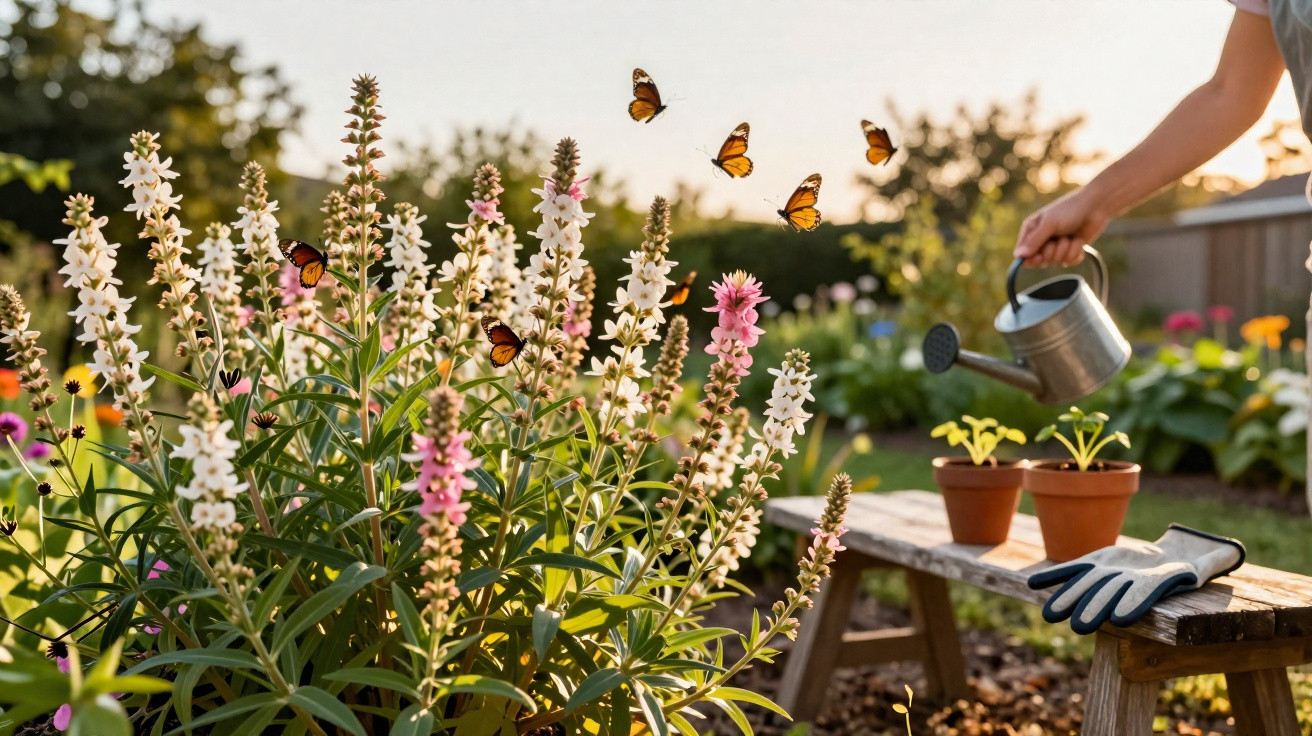
How much light the plant receives has a direct impact on both flower production and the shrub’s overall health. In full sun, lavender forms shorter, sturdier stems and also draws in large numbers of bees and beautiful pollinating butterflies.
If it is grown in partial shade or beneath trees, the plant can go through a process called etiolation. It stretches in search of light, leading to long, weak stems, sparse foliage at the base, and a greatly reduced number of flower buds.
To learn how to recognise etiolation visually and how to prepare the correct growing medium, watch the full guidance on the My Plants YouTube channel.
How do you prepare the ideal soil for planting in the ground and in pots?
The key to success when planting directly in the ground is ensuring excellent drainage, so the roots do not rot. The planting hole should be at least 20 cm deep, with the soil kept very loose and with a mainly sandy texture to cope with rainfall.
Correct proportions
Growing medium composition
The ideal mix for growing lavender-whether in pots or in beds-should be one third fine sand, evenly combined with two thirds seedling compost.
This blend recreates the plant’s naturally sandy environment, allowing water from watering or precipitation to drain quickly, preventing harmful build-up and keeping the roots healthy.
If you choose to grow it in containers, the pot itself makes a major difference to the shrub’s performance. It is essential to pick a large pot that is at least 40 cm deep and has several drainage holes in the base so water can run away efficiently.
Also keep the following practical details in mind when planting:
- Add an organic fertiliser such as bokashi to enrich the mix.
- Do not use dead mulches or protective straw on top of the soil.
- Leave the soil surface fully exposed so it dries out quickly.
What essential care is needed for spacing and watering?
When planning a bed with multiple plants, correct spacing helps prevent serious growth issues. Leave around 40 cm between plants so each one can fill out properly and keep healthy leaves from the base upwards.
If they are planted too close together, the plants tend to become etiolated and quickly lose their lower foliage. In terms of watering, lavender needs controlled moisture: the growing medium must dry out completely before it receives another round of watering.
Main recommendations for managing water correctly:
- Do not allow water to collect in the bottom of the pots.
- Check moisture by touching the soil directly before watering again.
- Keep the plant fully exposed to airflow to speed up the drying it needs.
How can you propagate lavender successfully?
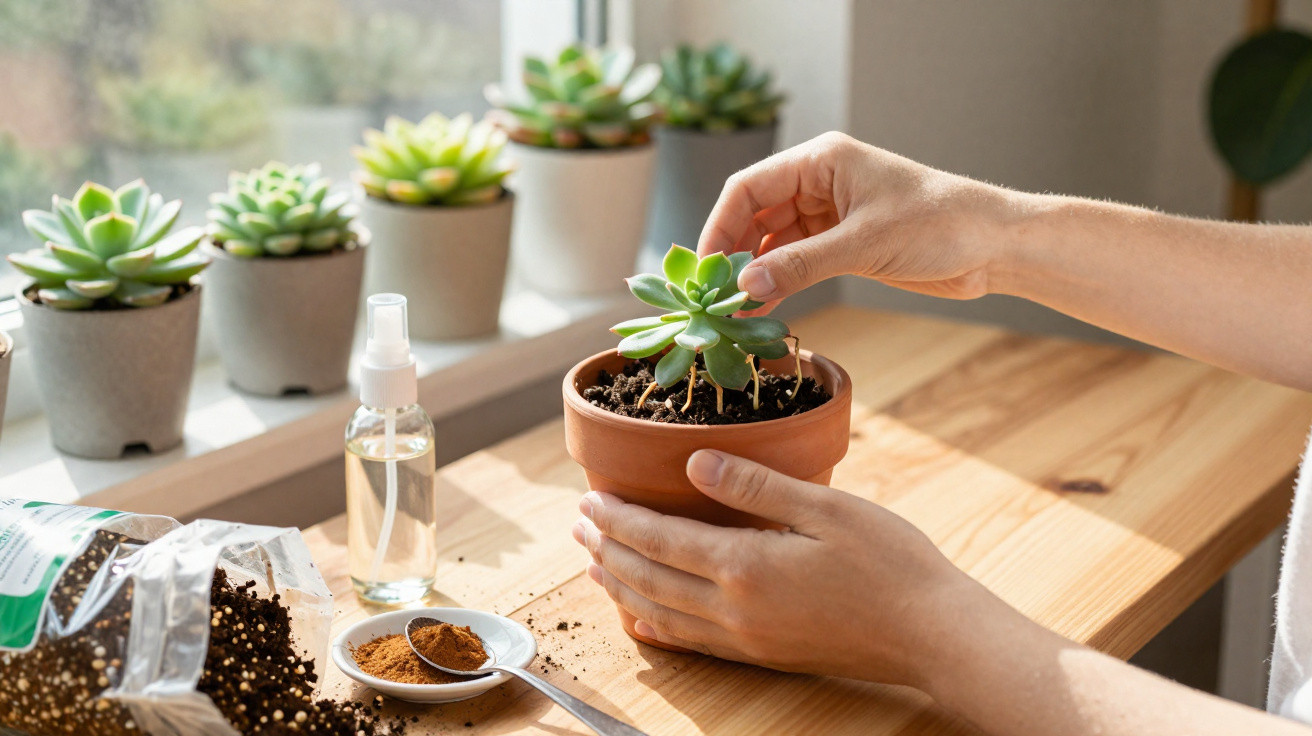
Lavender can be propagated from seed if you live in mountainous or cooler regions. In most other parts of Brazil, the most recommended method is taking cuttings, using green stems collected from a fully grown, very healthy shrub.
To prepare the cutting, remove the leaves from the lower section that will be buried, and cut off any dried flower stems. If the plant dries out completely in hotter regions, bringing it back with pruning is difficult-often requiring acceptance, and fresh attempts.
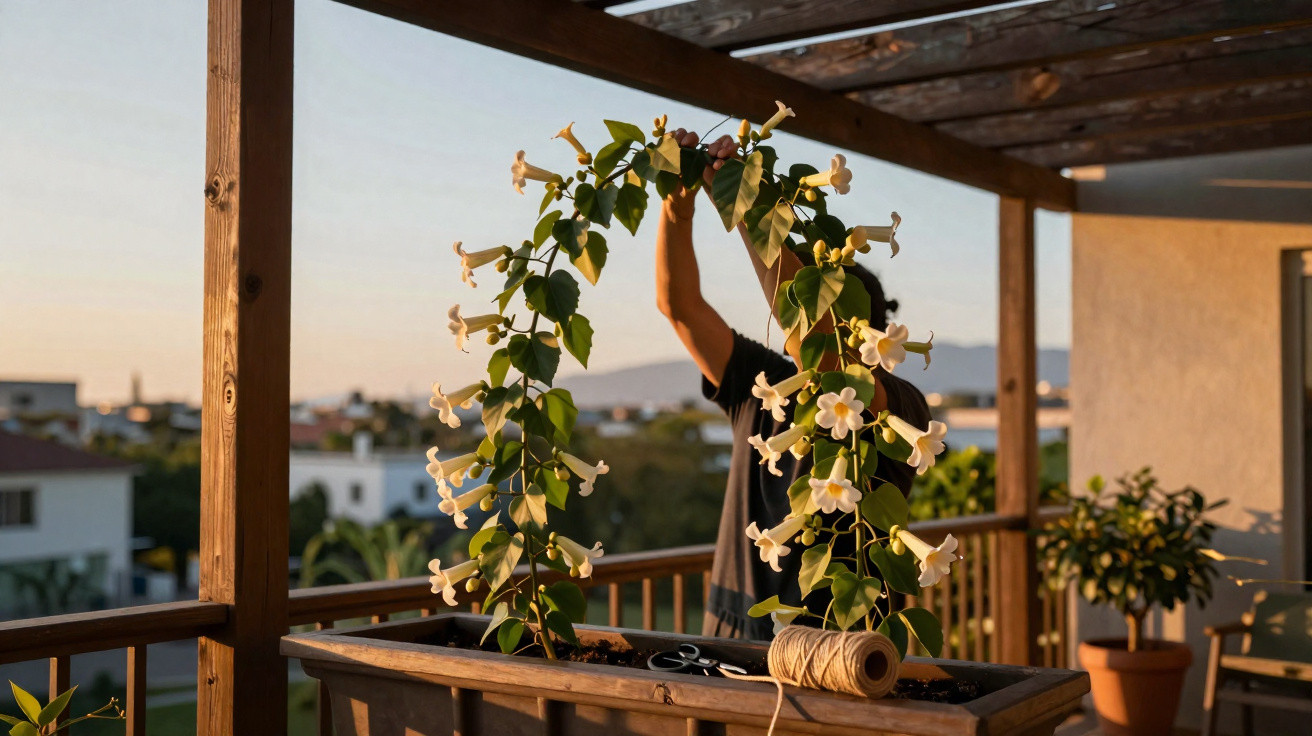
Read also: The climbing plant that flowers in a pot and makes a wall look like a soap-opera garden
Comments
No comments yet. Be the first to comment!
Leave a Comment