
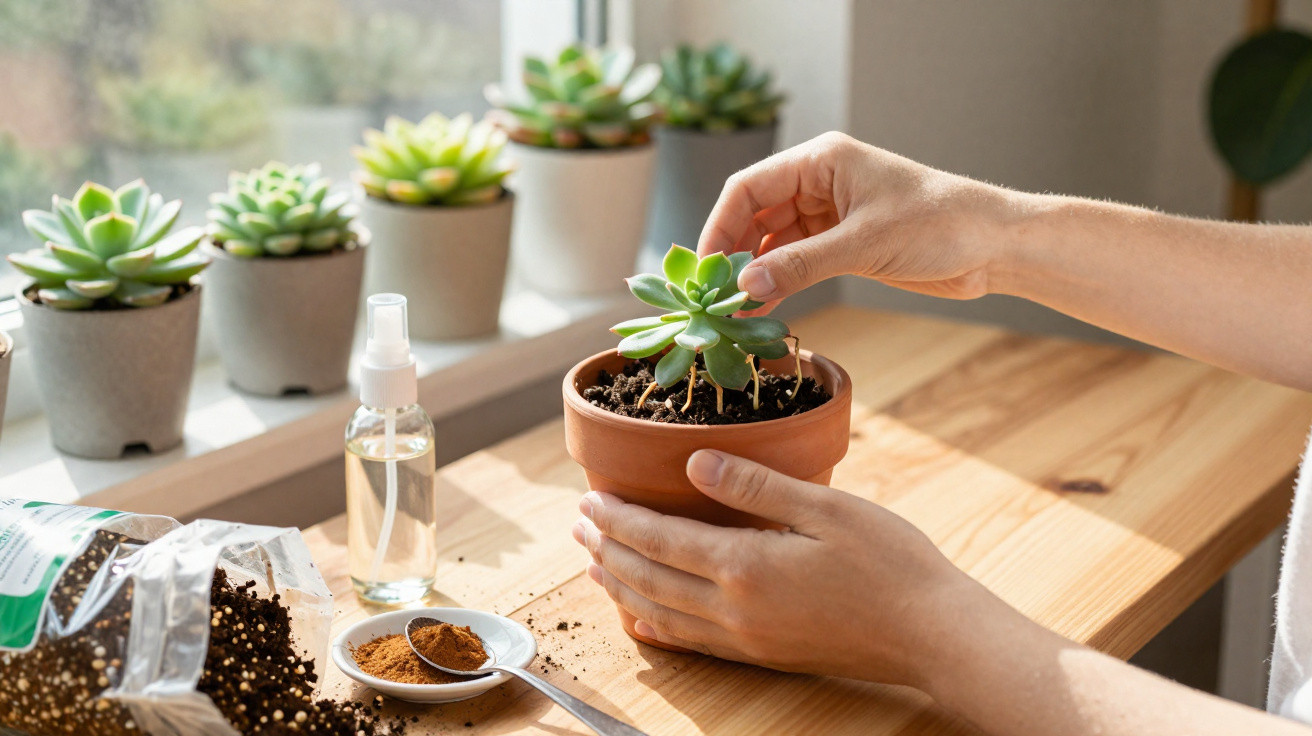
Succulents are known for being hardy, but if they start turning brittle, looking limp, or dropping leaves at the slightest touch, it’s a sign something is off. Too much or too little water, insufficient light, unsuitable soil, and a lack of nutrients are among the most common causes. The good news is that a few straightforward steps used by growers can help bring the plant back to full strength and encourage new leaves and roots to form.
Why does a succulent become weak and brittle?
Before trying to fix anything, it helps to work out what’s causing the issue. Dry, brittle leaves usually point to a long period without water, or to roots that have lost their ability to take up moisture properly. By contrast, soft leaves that fall away easily are often linked to overwatering.
Another frequent culprit is poor light. With too little brightness, many succulents grow in a weakened way, producing stretched stems and more delicate leaves.
Which home tricks help it recover?
Start by checking the roots. If you find dark or rotting sections, take the plant out of its pot, remove the affected roots, and replant it in a compost mix designed for cacti and succulents.
A widely used trick is to leave the plant unwatered for a few days after repotting. This gives small cuts on the roots time to callus over and lowers the risk of fungal problems. After that, keep watering moderate, always waiting until the compost has dried out completely before watering again.
- Remove the plant from the pot and inspect the roots.
- Trim away rotten roots with sterilised scissors.
- Let the roots dry for a few hours before repotting.
- Use a light, free-draining compost mix.
- Wait a few days before the first watering.
- Put the plant somewhere with plenty of bright, indirect light or gentle sun, depending on the species.
How to strengthen the plant after it recovers
Once new shoots begin to appear, a balanced feed can support further growth. Organic matter, a small amount of worm castings, or fertilisers formulated specifically for cacti and succulents are all suitable choices.
It also matters to avoid pots with no drainage holes and to remove any dead leaves collecting on the compost surface, as this build-up can encourage fungal growth.
- Water only when the soil is completely dry.
- Use pots with drainage holes.
- Provide good light every day.
- Avoid saucers with standing water.
- Apply light feeds during the growing period.
- Replace the compost when it becomes too compacted.
Is it possible to recover any succulent?
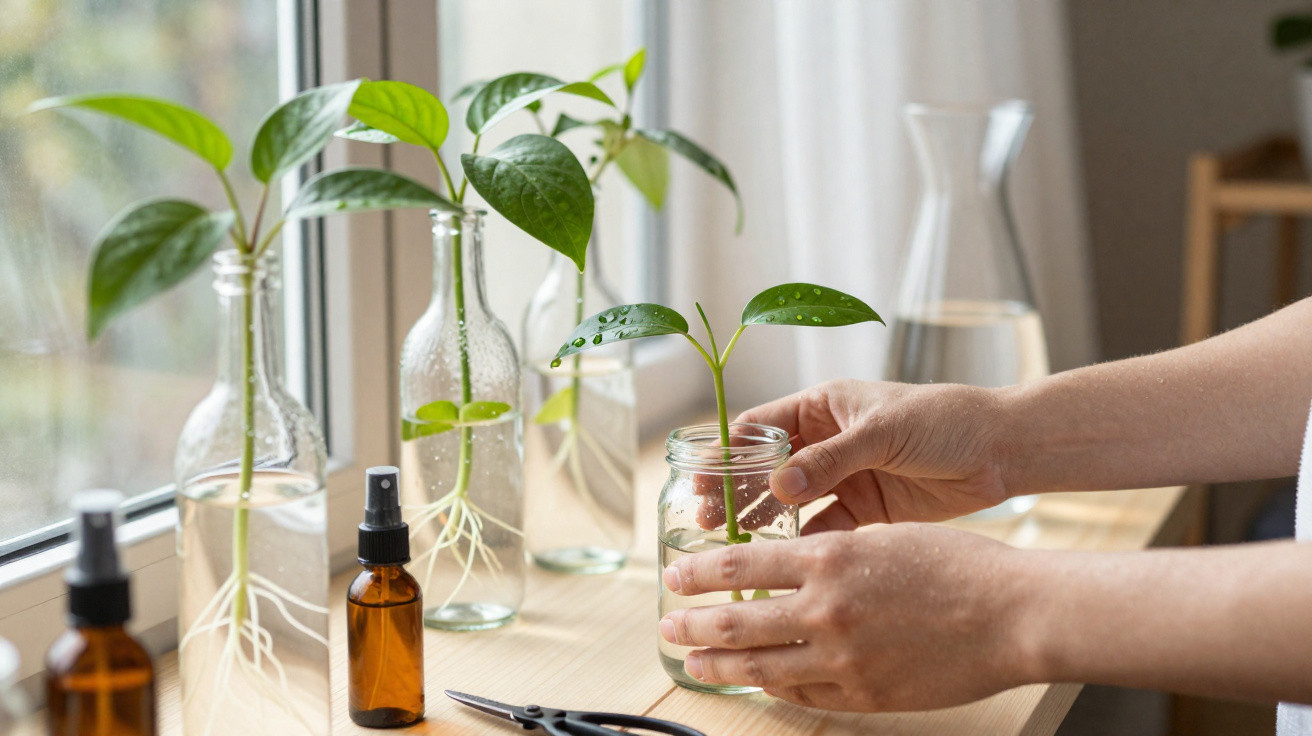
In most situations, yes-provided part of the root system or stem is still healthy. Some species can also be propagated from leaves or cuttings, making it possible to grow a new plant even if the original has been badly damaged.
The sooner the growing mistakes are corrected, the better the chances of recovery and of producing fresh new shoots.



Comments
No comments yet. Be the first to comment!
Leave a Comment