

The fork struck something solid just beneath the top layer. It wasn’t stone, and it wasn’t an old bit of brickwork. The gardener bent closer and pushed again, expecting the familiar give of dry, crumbly earth. Still nothing. The ground stayed intact, more like a springy sponge than loose dust.
Twelve months earlier, this very bed had been a grey, compacted sheet: rock-hard in dry weather and a smear of sludge after rain. Now it split into rich, chocolate-brown lumps, laced with fine roots and speckled with tiny white threads of fungus. Worms glinted and vanished again, quick as commuters slipping through a crowd. Birds perched along the fence, watching for their moment. The gardener wiped their brow and let out a quiet laugh.
Something below had shifted - and it wasn’t only the compost.
It felt as though the soil itself was coming back to life.
When you stop fighting the soil, it starts working for you
Stroll past a row of neighbouring gardens and you’ll often spot two completely different approaches. In one, beds are dug over every spring: heavy clods heaved up and flipped, the soil laid bare like a freshly ploughed field. In the other, the ground looks almost undisturbed, simply topped with mulch, with plants emerging through it like unbothered guests at a garden party. Those supposedly “lazy” beds frequently look the most vibrant. The soil sits in gentle clumps, rain soaks in rather than forming puddles, and plants bounce back more upright after rough weather. After just a year of easing off the disturbance, many gardeners begin to notice the same quiet advantage: the soil’s structure starts to strengthen.
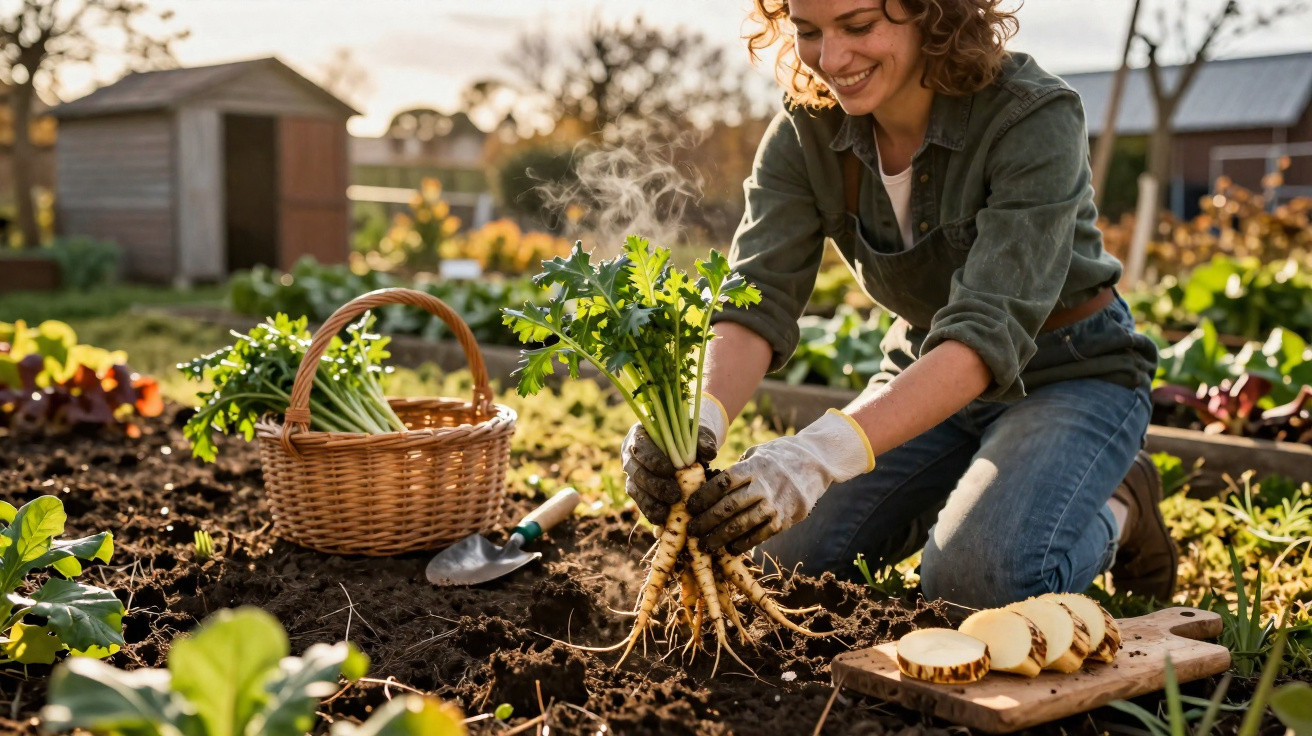
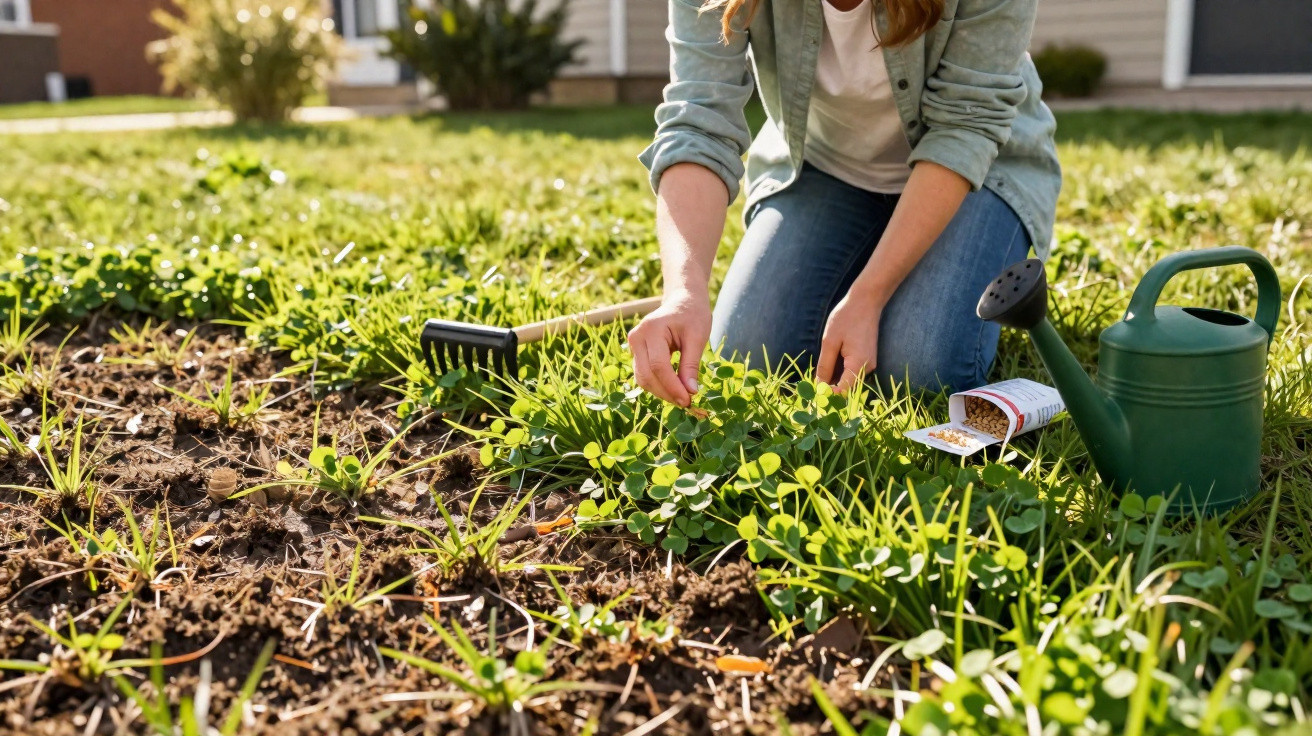
On a small suburban plot outside Leeds, a beginner gardener called Emma tried a different method last spring. She’d grown up watching her dad double-dig the veg beds until his back complained. Instead, she covered the existing soil with cardboard, spread a 7–10 cm layer of compost on top, and planted straight into that soft surface. No tilling, no digging, no rotavator. By autumn, her carrots slid down without needing a fork, her beans grew so vigorously they needed extra support, and water sank in rather than rushing off. In October, when she lifted a handful of soil, she could press it into a loose ball that crumbled into soft grains instead of turning to powder. A season earlier, that same pinch would have broken apart into dry, lifeless dust.
So what changes during that calm year of “not digging”? With the soil no longer being turned and inverted, its natural framework has a chance to re-form. Fungi thread through the ground and bind particles together, roots open up fine channels, and earthworms create a network of burrows that carry air and water. Rain travels down through this living structure instead of battering the surface into a hard crust. The outcome is a flexible, resilient sponge: stable enough to anchor plants, but open enough to let roots range and explore.
Less disturbance also means the microscopic workforce - bacteria, fungi, and other organisms - isn’t repeatedly shocked by sudden sunlight and oxygen. They carry on converting organic matter into stable aggregates that better withstand erosion. Across 12 months, a bed can move from flat, compacted, and tired to layered, porous, and quietly effective.
How to disturb less and still grow more
The easiest place to begin is straightforward: stop routinely turning the soil. If digging is part of your spring ritual, pause before you drive the spade in. Keep the existing layers where they are and concentrate on feeding from the top, the way a woodland floor is built.
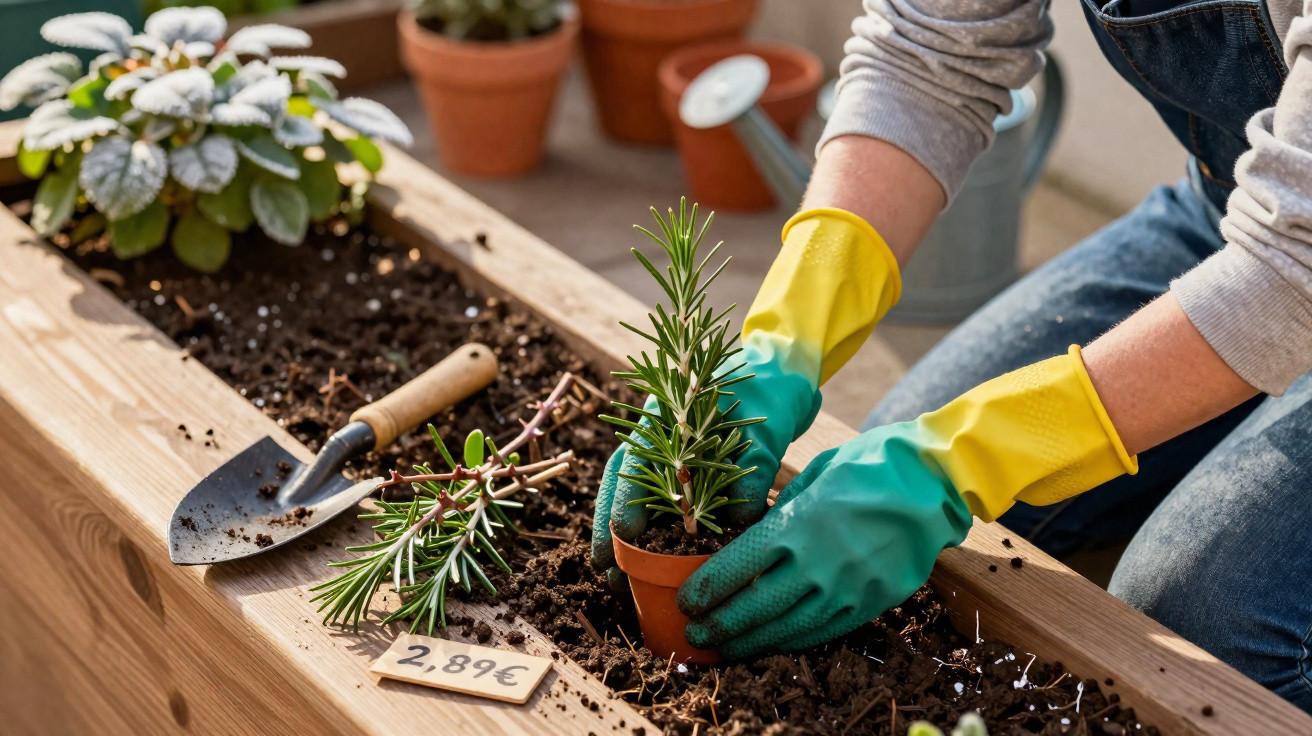
Spread compost, leaf mould, or well-rotted manure over the surface, roughly 5–10 cm deep, and allow worms and roots to work it down gradually. When planting, make a hole only as large as the seed or seedling needs, so you disturb just that small pocket. For weeds, use a hoe or hand tool to slice them off at the surface rather than pulling and tearing deep into the bed. Small changes like these protect the underground “architecture” as it develops.
Old instincts can be hard to ignore. Plenty of gardeners still feel a strong urge to “neaten” beds by digging them over, raking them smooth, and revealing that pleasing, clean brown finish. The worry is understandable: if you don’t fluff the soil, will roots cope, will pests multiply, will the plot look scruffy? The first season can feel oddly uncomfortable - like inviting people round without vacuuming.
You may be tempted to reach for the spade when you spot clods or an area that seems compacted. That’s where many people slip up. Each time you invert the soil, you tear fungal threads and crush the fine air and water channels that are trying to establish themselves. Realistically, nobody keeps a garden perfectly “hands off” every day, but sticking with the approach through the season matters more than doing it flawlessly. Think light, consistent touches rather than dramatic rescues. As a bonus, your back will probably be happier as well.
“Once I stopped churning the soil, I realised my job wasn’t to control it, but to protect it,” said one long-time allotment holder who switched to low-disturbance methods and saw better soil in under a year.
- Start with one bed
Pick a 1–2 m² patch and commit to 12 months of no digging - just feeding from the surface and careful planting. - Keep living roots year-round
Cover crops, winter salads, or clover help keep the soil occupied and reduce the risk of it slumping and sealing. - Keep it covered
After harvest, apply a light mulch to protect the surface from strong sun and heavy rain. - Disturb in “small bites”
Open up only the holes you need for plants, leaving everything else untouched.
The quiet satisfaction of stronger soil
Somewhere during that first year of low disturbance, a change arrives that’s easy to miss until you notice it. After rainfall, you kneel down and realise there’s no slick, slimy crust - just a soft top that feels slightly springy. Your trowel goes in with less resistance, not because you’ve worked harder, but because you’ve stepped back. Water no longer sits in stubborn puddles for hours. Plants appear less rattled by dry spells and less battered by sudden downpours. Most gardeners recognise that moment: the realisation that the plot is coping perfectly well without constant “fixing”. It can feel strangely satisfying - part pride, part a small surrender of control.
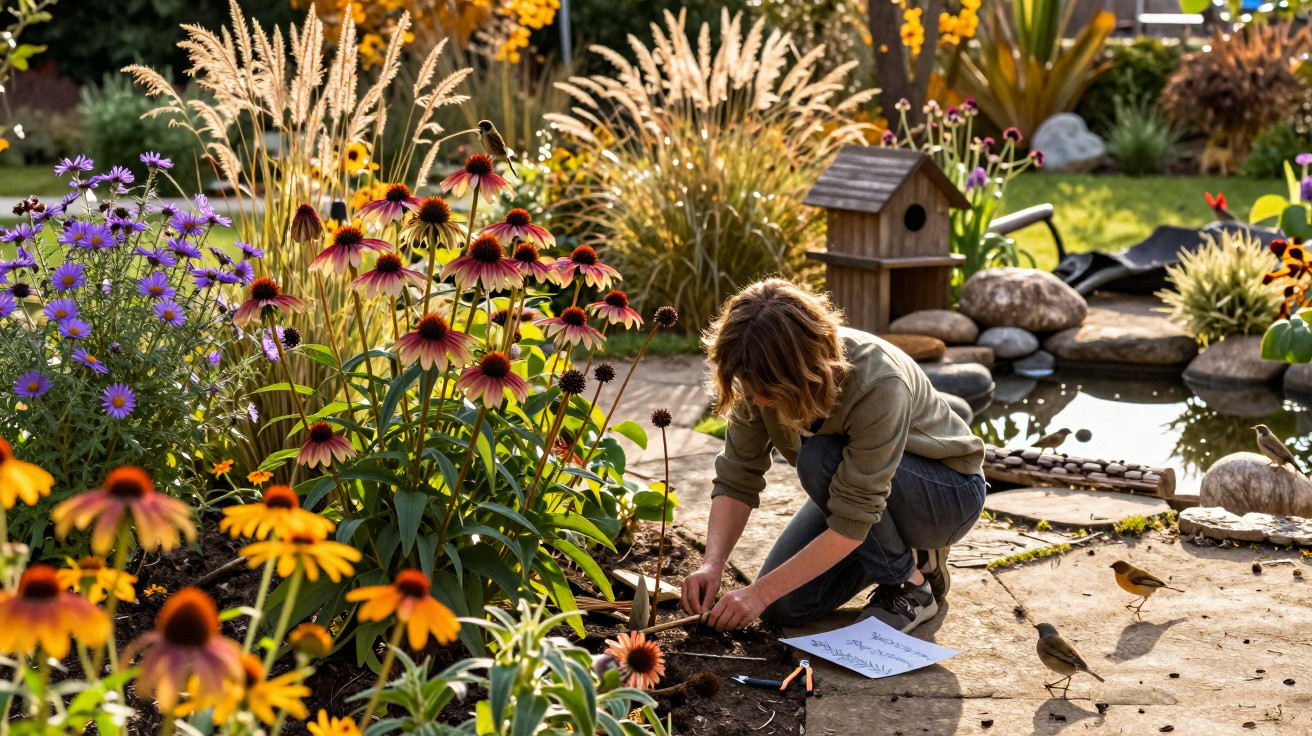
There’s often an emotional shift alongside the practical one. You begin to treat the soil less like a material and more like a living community. Disturbing it less stops being a strict rule and becomes a form of respect. You start to pick up on subtle signs: more birds pecking across the beds, more mushrooms after rain, fewer patches of bare ground. Your harvest may not explode overnight, and some crops will still sulk. Even so, the soil can feel more cooperative, as if it’s finally working with you rather than against you. The plain truth is that strong soil structure doesn’t scream for attention, it just quietly underpins everything that grows. That understated, season-long improvement is what keeps many gardeners committed to low-disturbance methods long after the fad has passed.
| Key point | Detail | Value for the reader |
|---|---|---|
| Reduce digging | Avoid flipping the soil; add compost or mulch from above | Protects structure, reduces effort, supports stronger root systems |
| Keep soil covered | Use organic mulches or cover crops between crops and after harvest | Cuts crusting and erosion, holds moisture, encourages soil life |
| Disturb only where you plant | Make small planting holes rather than reworking whole beds | Preserves fungal networks and worm channels, boosting resilience |
FAQ:
- Question 1 Will reducing soil disturbance lower my yields in the first year?
- Question 2 Can I still use a fork to ease compacted patches without wrecking the structure?
- Question 3 What if my soil is very poor and heavy clay?
- Question 4 Do I need specialist tools or machinery for low-disturbance gardening?
- Question 5 How quickly will I notice a real improvement in soil structure?
Comments
No comments yet. Be the first to comment!
Leave a Comment