
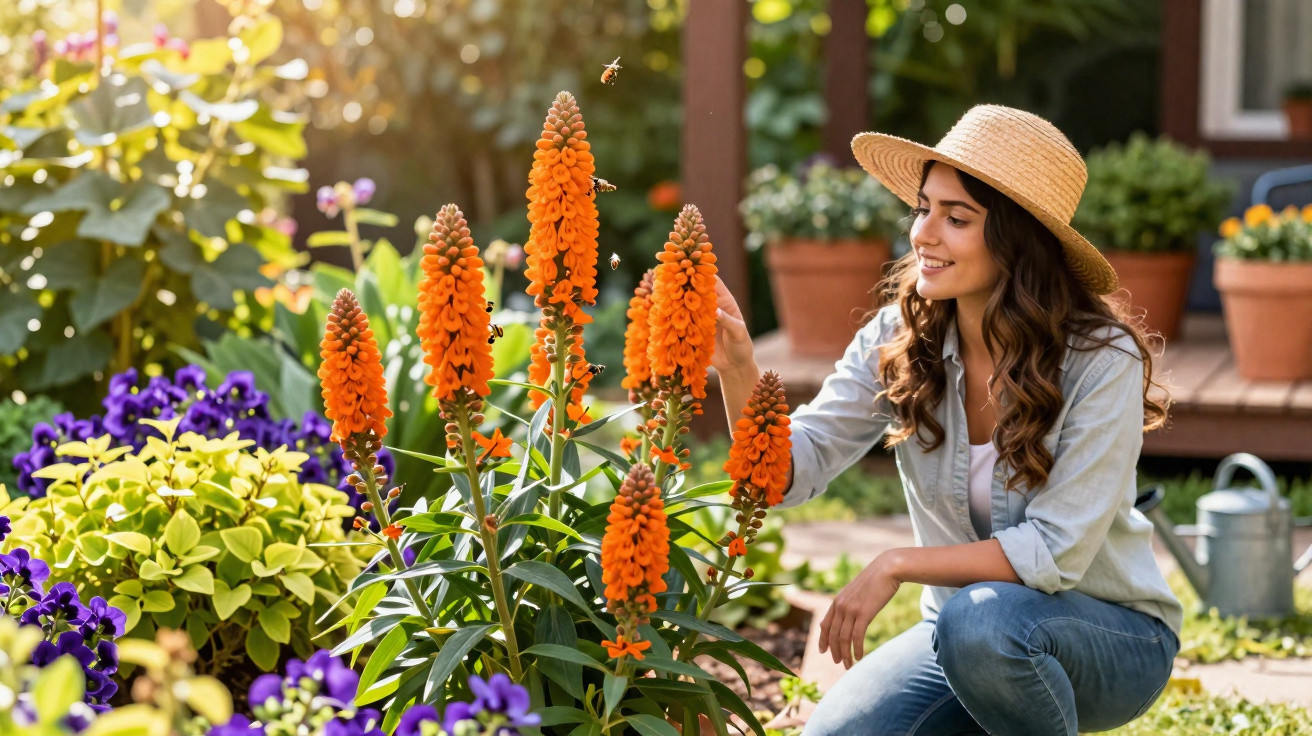
Plenty of perennials in the garden are pleasant enough, but they can quickly feel interchangeable. Then there are plants that stamp a space so powerfully you never forget them. Leonotis leonurus sits firmly in that second camp: a spectacular perennial that is still underused here, yet can turn even the most well-behaved border into a glowing garden scene.
A plant like fireworks: what makes Leonotis leonurus so special
Originally from South Africa, Leonotis leonurus looks the part: sun-loving, full of attitude and impossible to miss. It grows with a distinctly upright habit, pushing sturdy stems up to around 1.80 metres tall. Along them sit narrow, elongated leaves that read almost like graphic design.
The real show begins when flowering starts. Up the stems, the blooms form in stacked tiers of circular clusters. Each “tier” is made up of many tubular, lightly hairy flowers in a fiercely vivid orange. The effect feels closer to a designer light fitting than a typical perennial.
“The tiered flowers look like little fire crowns – a sort of glowing chandelier in the border.”
Thanks to that architecture, Leonotis stands out instantly in any planting. In one move it adds height, structure and colour. Borders that feel a bit strict or overly neat, in particular, gain a huge amount from its sculptural presence.
Perfect for low-effort gardeners: minimal care, maximum impact
For all its drama, Leonotis is refreshingly straightforward to grow. It has a simple formula: plenty of sun, free-draining soil, and absolutely no waterlogging. Meet those basics and it rarely causes trouble.
Position: without sun, nothing happens
The key point is sunlight: Leonotis wants full sun. At least six hours of direct sun a day is advisable if you want abundant, reliable flowering. In partial shade it tends to stretch, produce weaker stems, and flower far less.
- A south- or west-facing spot is ideal, such as in front of a house wall or along a fence.
- Open borders with shelter from strong winds suit it better than cramped corners between tall shrubs.
- In cooler areas, a place beside a warm wall that stores heat through the day can make a real difference.
Soil and watering: a drought-tolerant diva
Aim for soil that is on the lighter side, humus-rich and well drained. Heavy, wet clay needs improving before planting. Mixing sand, gravel or fine grit into the planting hole helps excess water drain away faster.
Once established, you can comfortably leave the watering can alone more often. Leonotis copes surprisingly well with dry spells. In an average summer, it usually only needs a thorough soak during prolonged drought. Constant damp is far more of a problem than short periods of dryness.
“If you go away for a weekend in midsummer, you don’t need to worry about your Leonotis straight away – it’s one of the tougher sun sculptures.”
How hardy is Leonotis leonurus really?
Leonotis leonurus is not a traditional cottage-garden perennial that shrugs off -20 °C without complaint. It will tolerate roughly -8 °C if the soil is reasonably protected. In many parts of the UK, that can work well with proper winter protection.
In exposed, colder locations, it’s worth combining two approaches:
- In the ground: apply a thick mulch of leaves, straw or bark over the root zone, plus a layer of twiggy brushwood to help against bare frost.
- In a pot: insulate the container (for example with coir matting, horticultural fleece or an old blanket) and place it against a sheltered house wall.
If you want to be extra cautious, take cuttings or raise a few young plants each year. That way you keep a backup supply, even if an extreme winter takes out a plant or two.
The five most important rules for successful planting
| Rule | What to do |
|---|---|
| 1. Sun | Choose a position with long, direct sun exposure; avoid shady corners. |
| 2. Drainage | Loosen the soil; work in sand or gravel if needed; prevent waterlogging consistently. |
| 3. Nutrients | Add mature compost or nutrient-rich planting compost when planting. |
| 4. Watering | Water regularly for the first few weeks, then only during longer dry periods. |
| 5. Winter protection | Mulch plants in borders; move potted plants to frost-sheltered positions, especially below -5 °C. |
Which plants pair best with Leonotis leonurus
With its upright silhouette and blazing orange tones, Leonotis is a strong fit for modern border planting. It sits particularly well alongside airy grasses, dark flower colours and warm bronze shades.
Bold combinations for the summer border
It looks especially striking when teamed with:
- tall ornamental grasses such as fountain grass or feather grass, which add movement
- blue-purple sage varieties, which create a crisp contrast to the orange
- bronze- or dark-leaved cannas, which reinforce the exotic feel
- dark-flowering dahlias, which bring depth and drama
In more naturalistic planting, Leonotis helps visually link different parts of the border. The “flame crowns” appear throughout the planting and naturally pull the eye from one area to the next.
“Leonotis isn’t just colour, it’s also a framework – it gives a border a clear line and makes it readable from a distance.”
A magnet for bees and butterflies
Those tubular flowers are not only ornamental; they also provide food. Bees, bumblebees and butterflies use the plant as a dependable summer nectar source. So if you’re trying to make your garden more insect-friendly, this perennial is a smart choice for more than just its looks.
Especially in sunny front gardens in towns and cities, or on bright terraces, Leonotis can add a small but meaningful boost to biodiversity. Once established, pollinators quickly learn to visit the glowing, tiered blooms.
Practical tips for patio and balcony
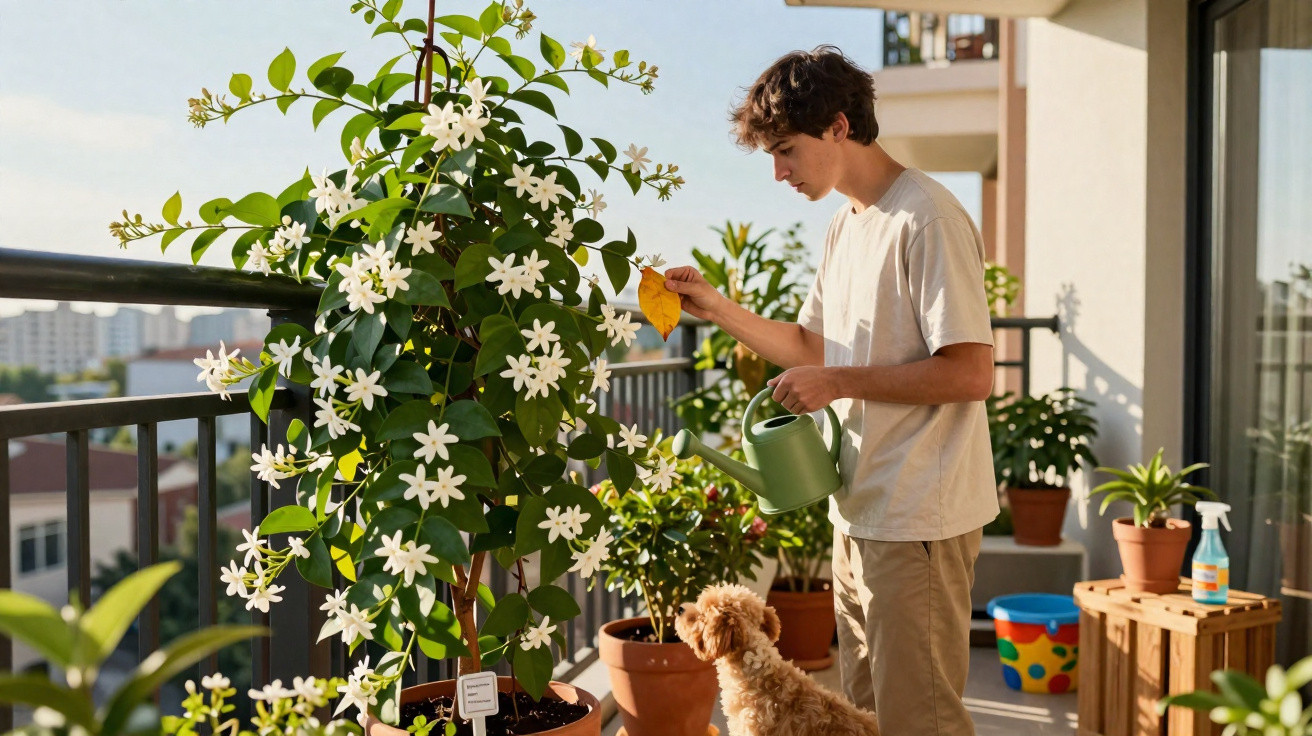
If you don’t have a large garden, Leonotis works very well as a container plant. The essentials are a generously sized pot and an open, free-draining compost-ideally a blend of quality potting compost with mineral components such as pumice or expanded clay.
Put the pot in the sunniest position your balcony or patio can offer. Through summer, feeding every two to three weeks is sufficient; in winter, reduce feeding substantially. When hard frosts threaten, many gardeners move the container temporarily into a bright, cool room.
Why this exotic is worth choosing
If you’re refreshing a border in spring anyway, Leonotis is an easy way to introduce a deliberate focal point. Rather than filling a bed with lots of small, similar-looking plants, a well-positioned clump of this fiery beauty is enough to give the whole area character.
At the same time, it suits gardeners who don’t want daily maintenance. Once settled in, it asks for very little attention yet delivers an intense, almost theatrical summer display. With a few carefully chosen companions, you can create a border that looks far more professionally designed than the workload suggests.
It also helps that the name Leonotis leonurus is appearing more frequently in the trade. In spring, young plants, seed, and sometimes even ready-grown container specimens are becoming easier to find. If you want a border with genuine “wow” factor without getting lost in complicated garden planning, this perennial makes a remarkably rewarding ally.




Comments
No comments yet. Be the first to comment!
Leave a Comment