

Plant your balcony wisely and you can spoil the fun for mosquitoes-without making a fuss.
When mosquito season begins, many people instinctively reach for sprays and scented coils. Yet your balcony itself can act as a natural barrier. Certain aromatic plants send a clear message to biting mosquitoes: "You’re in the wrong place." At the same time, they add flavour in the kitchen and create a genuinely pleasant atmosphere outdoors.
How plants outsmart mosquitoes – what’s really going on
Mosquitoes don’t find us by chance. They mainly home in on two cues: the carbon dioxide we breathe out and our natural body odours. For the insect, that combination works like a built-in satnav.
This is exactly where strongly scented plants come in. They release essential oils that spread through the air and mask those human scent signals. To a mosquito, it behaves like a jammer: the receptors in its antennae are flooded with competing stimuli, making the person behind them much harder to locate.
"A study by the French research institute INRAE from 2023 shows: correctly positioned scented plants can reduce the number of mosquitoes in their immediate surroundings by up to 45 percent."
That means it’s more than a gardening myth-it's a credible alternative to purely chemical solutions, especially on balconies, terraces and windowsills.
Rose-scented geraniums and lemongrass: classics along the balcony edge
When people think of mosquito protection, geraniums are often the first plant that comes to mind. But not every geranium is equally useful. The common red-flowering balcony favourites look lovely, yet they offer relatively little as mosquito deterrents.
A different variety is far more interesting: the rose-scented geranium type (Pelargonium graveolens). When you rub the leaves, they give off a pronounced rose-and-citrus fragrance. Mosquitoes really don’t like that combination.
"Even a light breeze over the leaves is enough for a film of scent to settle in front of the window and balcony door-an invisible umbrella of aroma."
Another well-known option is lemongrass, often simply labelled "citronella". Its long, narrow stems contain plenty of lemon-like compounds that irritate insects’ nervous systems. Many candles only imitate this effect; the living plant, placed where it actually grows, tends to work more directly.
Lemongrass prefers warmth and full sun, so it’s ideal in a pot right at the front edge of the balcony. Paired with rose-scented geraniums, it forms a particularly strong first line of defence against biting mosquitoes.
Aromatic in the kitchen, tough on mosquitoes: basil and mint
Lemon basil: a mosquito shield and a secret ingredient
Lemon basil looks much like standard basil at first glance, but its scent is noticeably more citrus-forward. That fragrance disrupts mosquitoes’ orientation, while also fitting perfectly into summer cooking.
- for fruit salads and berries
- with fish and seafood
- in cold tea or water infusions
- finely chopped over pasta or grilled vegetables
If you position several pots around where you sit, you create an edible wall of scent that does far more than simply look nice.
Peppermint: powerful menthol against biting attacks
Peppermint contains lots of menthol-the compound behind its cool, slightly sharp smell. Mosquitoes find it unpleasant, while most people experience it as fresh and invigorating.
It grows very quickly and can crowd out other herbs in a planter. For that reason, it’s best given its own pot, which you can then slot into the wider balcony planting scheme.
"Placed around the table, sun lounger or hanging chair, mint and basil create true aroma islands that mosquitoes find noticeably less attractive."
The ideal balcony planter: combine plants so the scent really works
A single plant can help, but the effect becomes much stronger when you mix them thoughtfully. Each species contributes different scent molecules. Together, they form a broad "carpet" of fragrance that throws mosquitoes even more off course.
One possible layout for a standard balcony planter:
- 2 rose-scented geraniums at the outer edges
- 1 lemongrass-or, if space is tight, a lemon verbena-in the centre
- several small pots of lemon basil along the front edge
- one separate pot of peppermint, set into the planter
This creates varied heights and leaf shapes. The fragrance then spreads from near ground level up to head height, drifting around the entire seating area.
Where the pots should go – and where they shouldn’t
The INRAE findings suggest the strongest impact occurs within a radius of around two metres of the plants. In practical balcony terms, that means:
| Area | Recommendation |
|---|---|
| Bedroom windowsill | Narrow boxes with geraniums and lemon basil, positioned directly at the frame |
| Balcony table | 1–2 smaller pots of mint and basil placed in the middle of the table |
| Railing / balustrade | Long planters with mixed planting as a scent barrier in front |
| Floor level | Larger containers of lemongrass placed to the side of the seating area |
It helps to create a "scent ring" around the areas where you spend your evenings. Pots on the floor, on tables and on hooks at head height work together like a green wall that mosquitoes have to pass through first.
Light, water, care: how to turn plants into strong allies
Fragrance takes energy. Planting in too much shade can leave you with weak herbs and very little aroma. Aim for at least five hours of sunshine per day. A south- or west-facing balcony is ideal; an east-facing balcony can work with a slightly smaller range of options, while a dark north-facing balcony is only suitable to a limited extent.
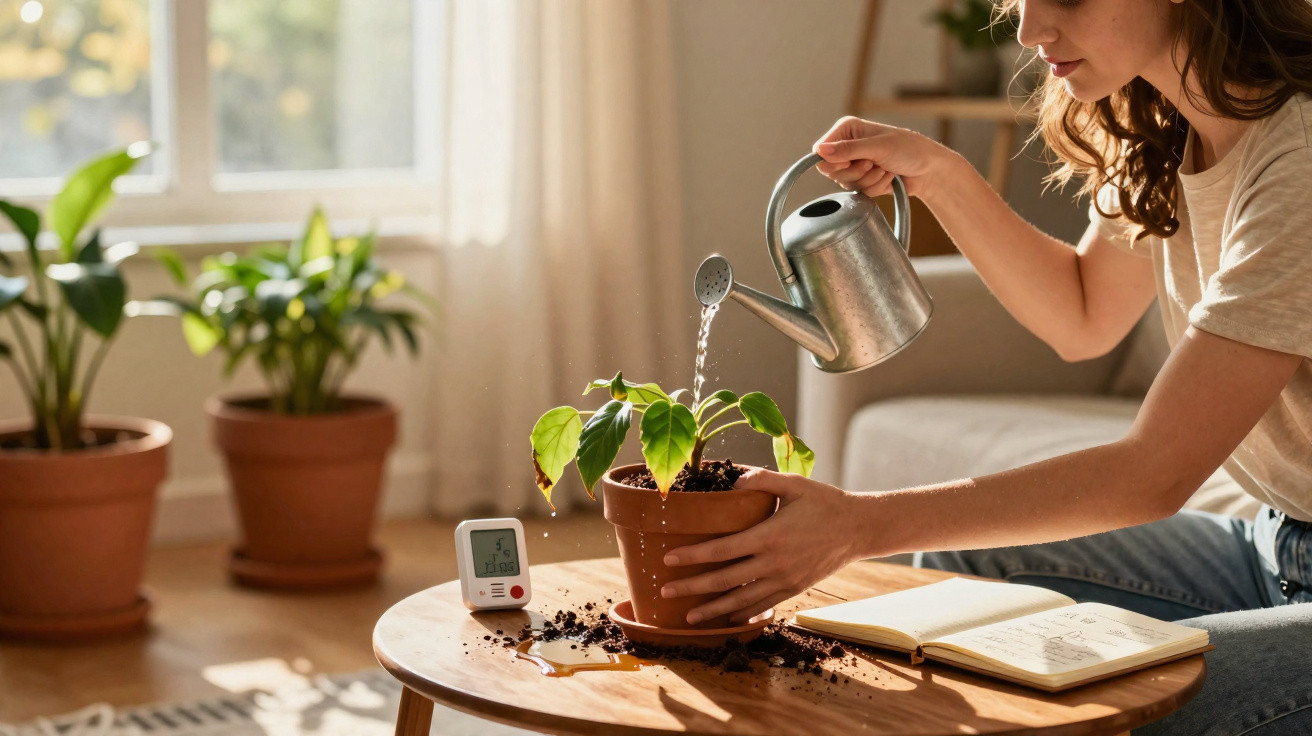
For watering, a simple routine works well: let the top of the compost dry slightly, then water thoroughly. Too much wetness can rot roots, while too much dryness weakens the plants. A mild "thirst" often encourages the production of essential oils.
"If you gently rub a few leaves between your fingers once or twice a week, you release extra fragrance-like a natural 'turbo' for mosquito protection."
When to start – and how long the protection lasts
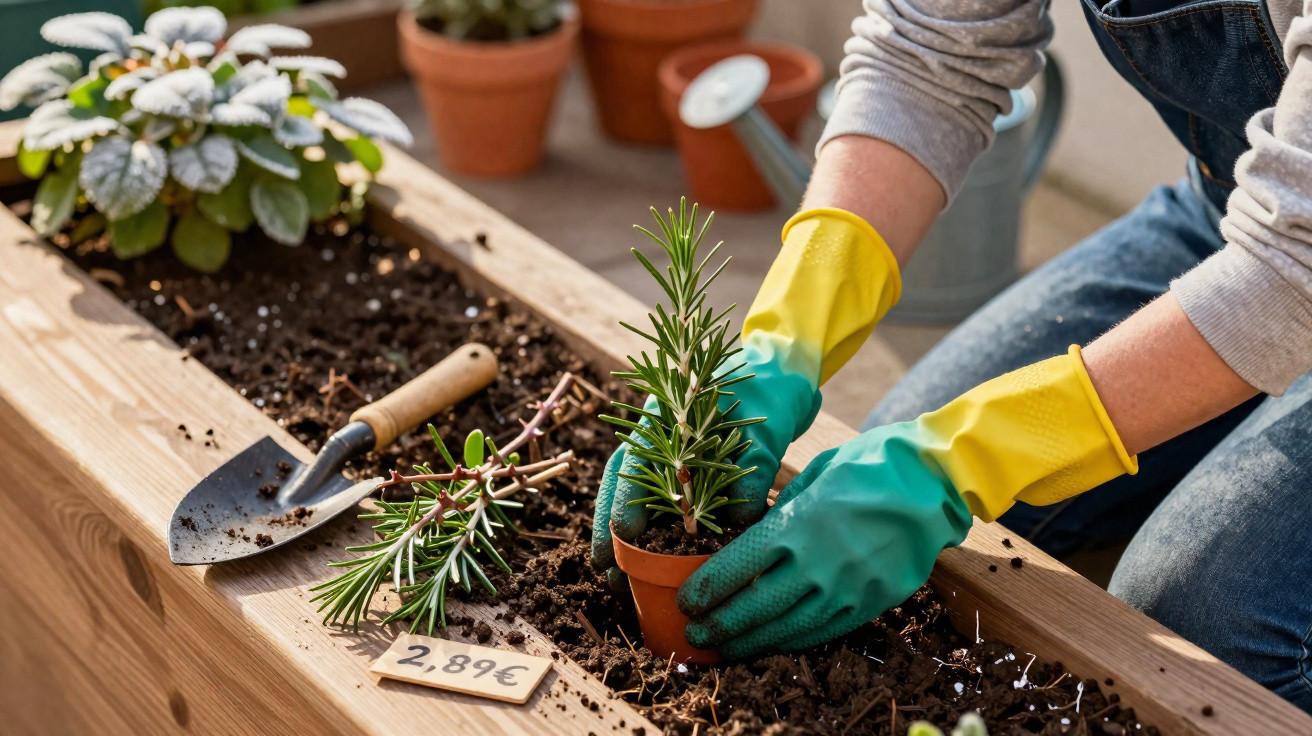
The best time to plant up is in spring, once daytime temperatures are reliably above freezing. That gives herbs enough time to root properly and grow strong by midsummer.
With consistent care, they’ll last into autumn. If you remove flowers and wilted shoots, the plant directs more energy into leaves-and therefore into scent production. A light organic feed every few weeks supports healthy growth.
What you can realistically expect from “miracle plants”
No herb on earth stops every single mosquito. If you live near standing water, or you have a lot of light on the balcony, you may still get the occasional visitor despite your scented zone. However, the plants can noticeably reduce how often you’re targeted and make the outdoor space feel far more comfortable.
If you react strongly to bites, you can combine the balcony approach with other measures: long, light-coloured clothing in the evening, fine-mesh insect screens on windows and-if needed-a skin-friendly spray on exposed areas. The plants provide the foundation, while the other steps close the remaining gaps.
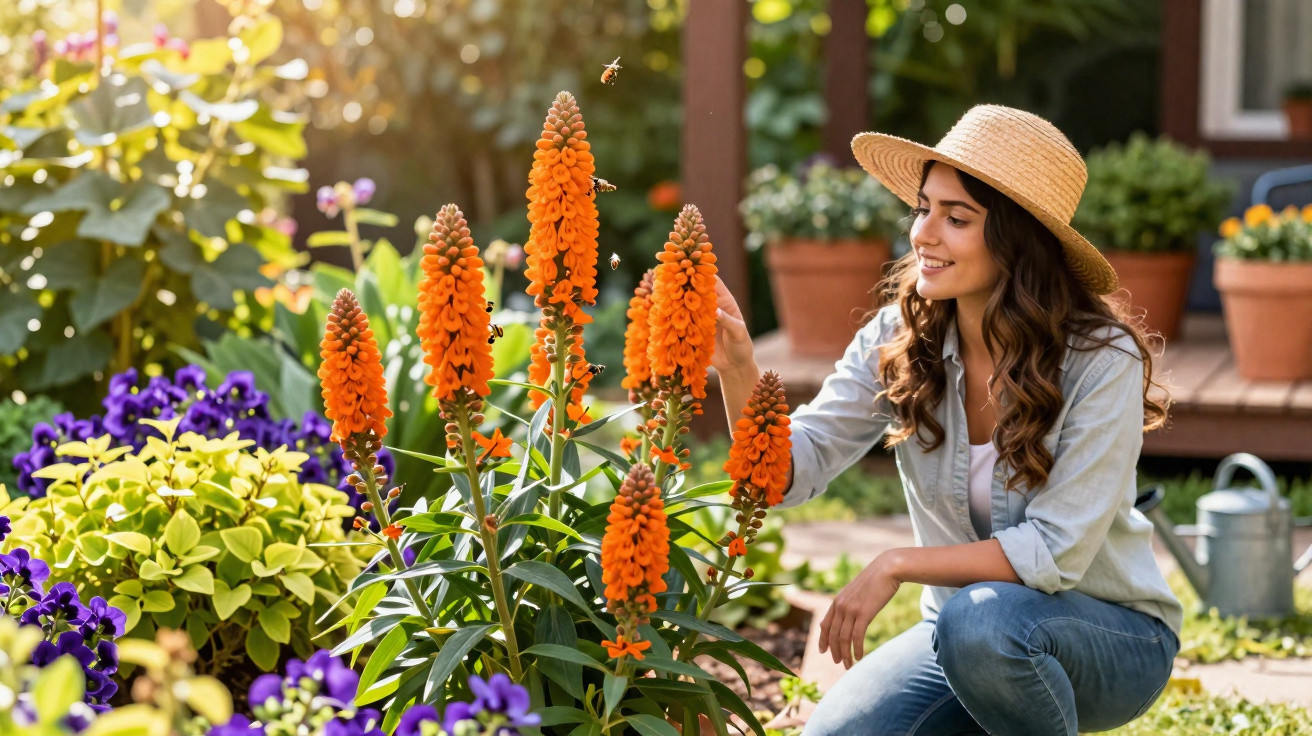
A welcome side benefit: many of these species attract helpful insects such as wild bees and butterflies, while tending to deter biting mosquitoes. In just a few square metres, you can create a small, lively herb garden that protects, smells wonderful and adds to what you eat.



Comments
No comments yet. Be the first to comment!
Leave a Comment