
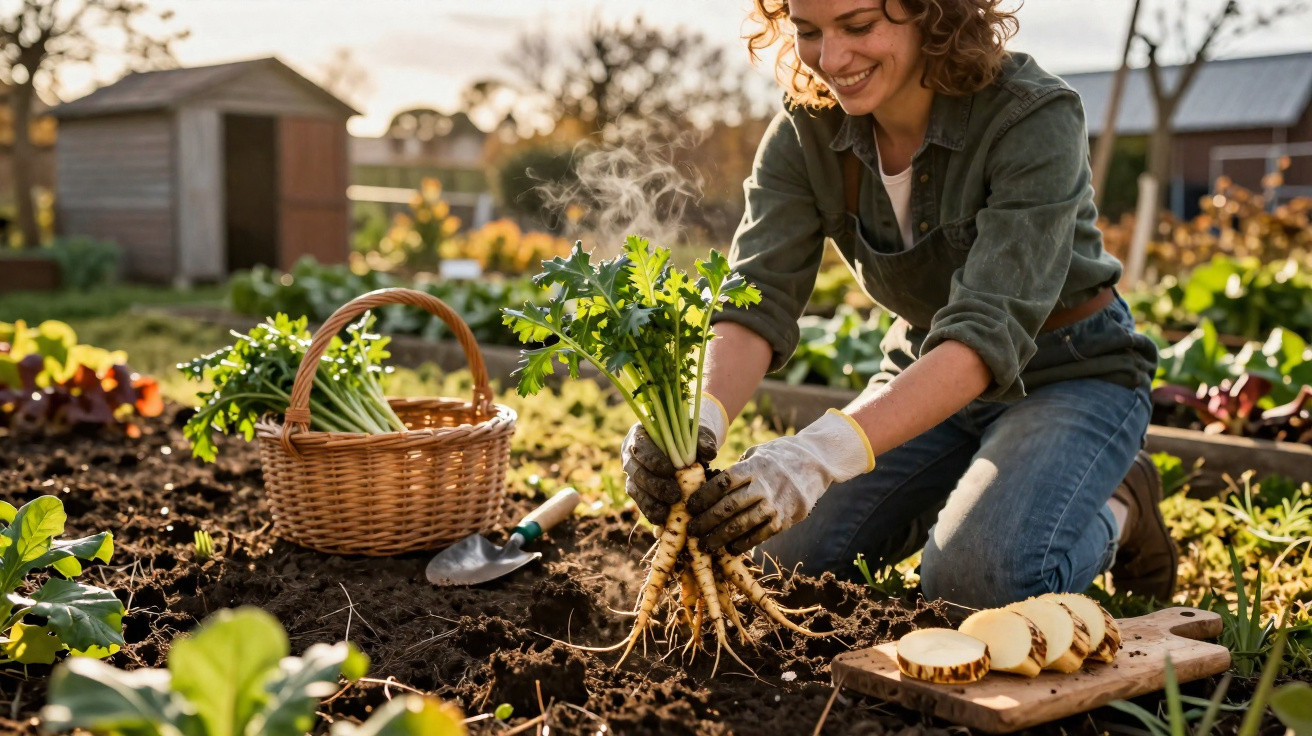
Garden borders can seem dormant in November, but it’s an ideal moment to sow a cold‑dependent crop many people pass over. Tuberous chervil (Chaerophyllum bulbosum) needs a small patch now, and repays the wait with perfumed, pale roots when spring comes back around.
A forgotten root that thrives in cold
Once a familiar kitchen staple, this heritage vegetable slipped from view as potatoes and carrots became the default. The appeal never really went away. Its gentle, nutty sweetness lands between chestnut and a new potato, with just a hint of parsnip in the background. When chefs come across it, they get excited. In a home plot, it’s far less demanding than its reputation implies.
Sow in November. Winter cold breaks dormancy, sets up slow, steady growth, and positions the crop for a late‑spring lift.
Where many root crops resent prolonged chill, tuberous chervil actually needs it for reliable germination. That’s why the quiet months suit it so well. While other beds pause, it anchors the soil, supports microbes with active roots, and keeps an otherwise idle space working for you.
How to start it in November
Soil and site
Choose a bed in sun or light shade with soil that drains freely yet holds moisture. Work it to a fine tilth. If you garden on heavy clay, roots can fork or twist, so improve structure with leaf mould or sharp sand. Keep feeding restrained: excessive nitrogen encourages leafy growth rather than swelling bulbs.
Light soil, steady moisture and good drainage beat rich, soggy beds every time.
Simple sowing routine
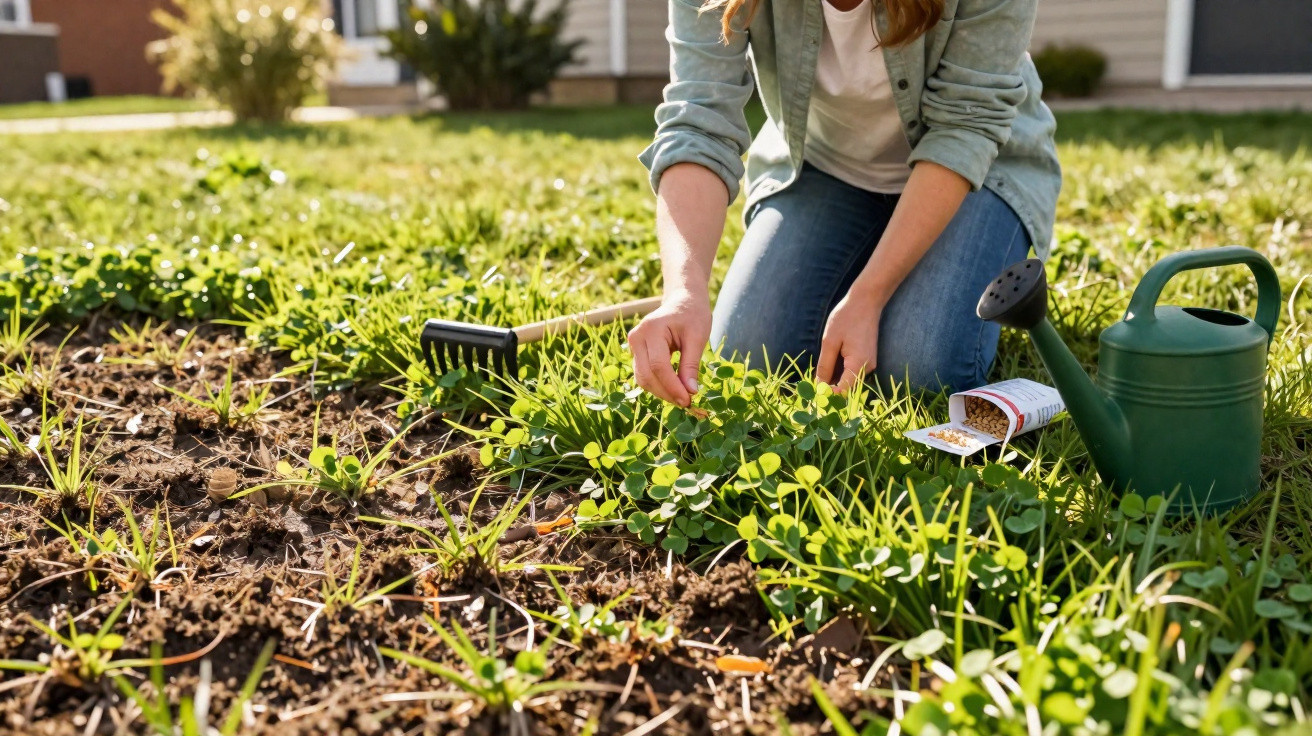
- Use fresh seed and sow 1 cm deep, in rows 15 cm apart. Mark the line clearly.
- Cover with fine compost or sifted soil, gently firm, then water to settle everything.
- In colder areas, lay straw or leaves over the surface to soften severe frosts.
- Stay on top of weeds. Remove them by hand early on so slow seedlings aren’t smothered.
Use fresh seed. Viability drops fast after a year, and weak seed means patchy stands.
The seed will sit through winter without fuss. You’ll often see seedlings appear in late winter or early spring as daylight improves. Stick with it. During wet periods, avoid the temptation to water-rain usually handles the job.
Cold stratification if you miss the window
If November gets away from you, you can replicate winter conditions in the fridge. This helps trigger germination and keeps your plans moving.
- Combine seed with damp sand in a food‑safe bag and write the date on it.
- Refrigerate at 2–5°C for 4–6 weeks, checking weekly in case seeds start to sprout.
- Sow outside as soon as the soil can be worked. Don’t allow sprouted seed to dry out.
| Task | Cool maritime zones | Colder inland zones |
|---|---|---|
| Direct sowing | November to early December | Late October to November |
| Emergence | Late February to March | March to April |
| Thinning | March | April |
| Harvest window | May to June | June to early July |
Low maintenance, strong payoff
Once it’s up and growing, tuberous chervil is generally undemanding. It isn’t a magnet for pests. Slugs may investigate the young plants but seldom cause serious harm. Rodents tend not to bother it much either. If your bed drains properly, diseases are rarely a problem.
Keep soil moist, not sodden. Waterlogging triggers rot and ruins shape.
- Weed little and often; its fine taproot doesn’t like battling neighbours.
- Only water in dry spells-winter rain will usually be enough.
- In early spring, add a light ring of compost to encourage bulbing.
- If spring is exceptionally wet, gently earth up to keep crowns on the dry side.
It also fits neatly into mixed plantings. Slot it between winter lettuces, spinach and early brassica transplants. Because the roots stay relatively narrow, nearby plants can still develop. As temperatures rise, faster intercrops come out, leaving chervil to finish bulking up.
Harvest and kitchen uses
When and how to lift
Plan on harvesting around six to eight months after sowing. As the bulbs reach size, the foliage begins to yellow. Slide a fork under the row to loosen, then lift by hand to reduce damage. Knock off the soil, but don’t wash them yet.
Leave the roots to dry for a few days on a rack in a cool shed; this brief resting period improves the eating quality. Store them in ventilated boxes with slightly damp sand, or keep them bagged in the fridge. They’ll stay in good condition for several weeks.
Bring out its flavor
It really comes into its own with straightforward cooking. Steam or simmer until tender, then finish with fat, salt and something bright. Roasting intensifies the chestnut note, and mashing draws out the sweetness. It works well alongside poultry or mushrooms, and gives vegetarian meals real substance.
- Smooth mash with celeriac and a knob of butter
- Roasted wedges with thyme, garlic and lemon zest
- Quick spring fry‑up with baby carrots and peas
- Silky soup with a pinch of nutmeg and white pepper
- Warm salad with herbs and toasted hazelnuts
Why it earns space in small gardens
Sowing in November turns an unproductive stretch into a harvest. Active roots keep soil biology ticking over. Winter cover helps limit nutrient leaching and suppresses weeds. Above ground it stays discreet, leaving room for quick greens, while below ground it steadily builds bulbs.
One bed offers two wins: a living winter cover and a spring harvest with character.
It’s also a simple way to broaden what you grow. In the second year, you can leave one or two plants to flower away from the main row. The umbels attract hoverflies and solitary bees. If you want to save seed, keep it separate from close relatives and sow it the following season, as viability drops quickly.
- Good companions: spinach, winter lettuces, spring onions, early kohlrabi
- Avoid close follow‑on with other Apiaceae to reduce disease build‑up
- Rotate beds each year to support balanced soil life
Extra tips, risks and workarounds
Make row labels unmissable. Seedlings can look like other members of the parsley family. Buy seed from trusted suppliers to reduce the chance of mislabelling, and don’t forage similar plants-clear labelling in the bed keeps identification straightforward.
It can be grown in containers too, provided the pot is deep-at least 30 cm. Use a free‑draining, gritty mix enriched with compost. Keep watering even, ensure quick drainage, and shelter pots from persistent winter downpours. Container harvests are smaller, but the flavour is still worth it.
If you want the best eating quality, try chilling the roots for a week after lifting so starches shift towards sugars. Chefs refer to this as mellowing. You’ll get a rounder taste and better browning in the pan.
For fitting it in with spring sowings, consider a relay system: sow tuberous chervil in November, plant winter salad plugs between the rows in January, then pull the salads in March as the chervil begins to bulk up. That approach gives you a run of salads and a late‑spring root crop from the same strip.
Stepping back, it’s a practical way to stretch the season, avoid bare ground and keep inputs low. It suits water‑wise gardeners and anyone who wants dependable crops without constant attention. Give it a little room now, and lifting those roots in late spring will feel like a reward you set in motion during the cold.




Comments
No comments yet. Be the first to comment!
Leave a Comment