
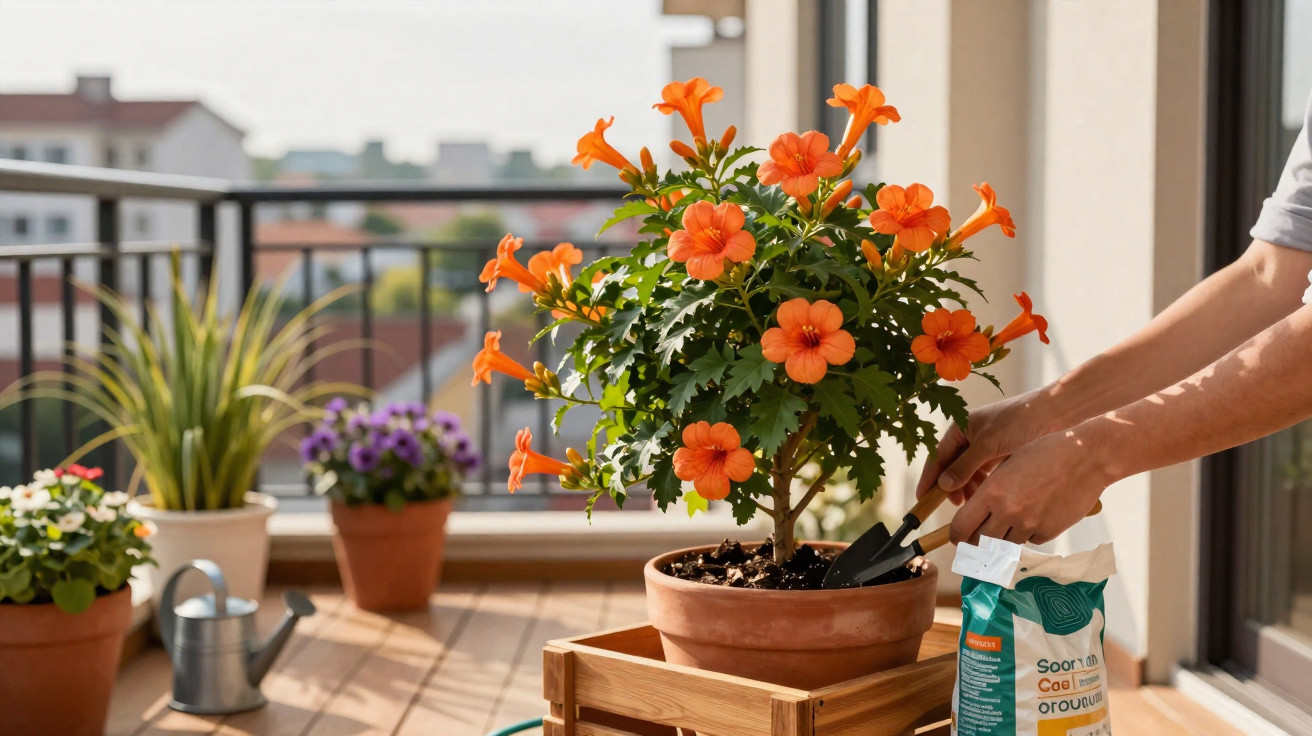
A modest-looking dwarf shrub with vivid orange blooms can create exactly that impact.
Many city gardens, small terraced-house plots and patios run into the same issue: limited space, beds that feel crowded quickly, and a summer display that seems to lose its sparkle far too early. Instead of ambitious planting schemes, you often end up with a handful of pots filled with seasonal favourites. One compact shrub that flowers for months can change the whole feel of the space-without making it look cluttered.
Why a compact shrub is the key in a small garden
When space is tight, shrubs are often the first thing people rule out-and the concern makes sense. Plenty of shrubs turn into giants, block pathways, cast too much shade, or become difficult to keep under control. The typical result is low perennials, a bit of decoration in containers, and a border that looks tired by mid-August.
This is where Tecomaria ‘Cape Town Orange’ really comes into its own. As a dwarf shrub it stays relatively manageable: around 1.50 metres tall and roughly 1.80 metres wide. It grows in a bushy, dense, cushion-like shape, adding structure without overwhelming the garden.
A compact shrub with a long flowering season brings the impact of a "large" garden to the tiniest spaces-without a space-drama.
Because of its size, this shrub fits several uses:
- as a specimen plant right by the patio
- as a low, informal hedge along a garden path
- planted in a line in front of a fence or wall
- in a large container on a balcony or roof terrace (in mild areas or with winter protection)
The flowers take centre stage: orange from May into autumn
The real headline feature is the bloom. Tecomaria produces bright orange, trumpet-shaped flower clusters. They appear from around mid-spring and-depending on the climate-continue well into autumn; in warmer regions they can even carry on into winter.
This shrub is also one of the garden’s classic “nectar bars”. The tubular flowers are rich in nectar and attract plenty of pollinators, including:
- butterflies
- solitary bees and honeybees
- other beneficial insects searching for pollen and nectar
At the same time, the foliage remains attractive. Horticultural sources describe the plant as not particularly appealing to deer and other hoofed wildlife. In rural gardens with frequent visits from wild animals, that is a genuine advantage, as many ornamental shrubs get heavily browsed.
Site and climate requirements: where this shrub truly works
Tecomaria originates from warmer regions, where it behaves as a fully hardy, perennial ornamental shrub. In technical terms, it is suited to USDA zones 9 to 11. In those climates it can keep its leaves for most of the year and may even flower through winter.
In Central European conditions, the picture is more nuanced:
- In very mild locations, wine-growing areas and sheltered courtyards, the plant often comes through winter with minimal damage.
- In places that experience hard frosts, the stems can die back, while the base survives in the ground.
- With effective winter protection, the plant will often regrow from the roots.
Key site factors:
| Factor | Requirement |
|---|---|
| Light | Full sun is ideal; light partial shade is possible in hot regions |
| Soil | Free-draining, humus-rich to sandy; no waterlogging |
| Moisture | Even moisture while establishing, later tolerant of dry spells |
| Climate | Prefers mild winters; grow with winter protection in cooler regions |
This shrub likes sun and free-draining ground-avoid waterlogging and provide winter protection, and it can be grown even north of the classic “mild zones”.
Planting properly: how to give the shrub a strong start
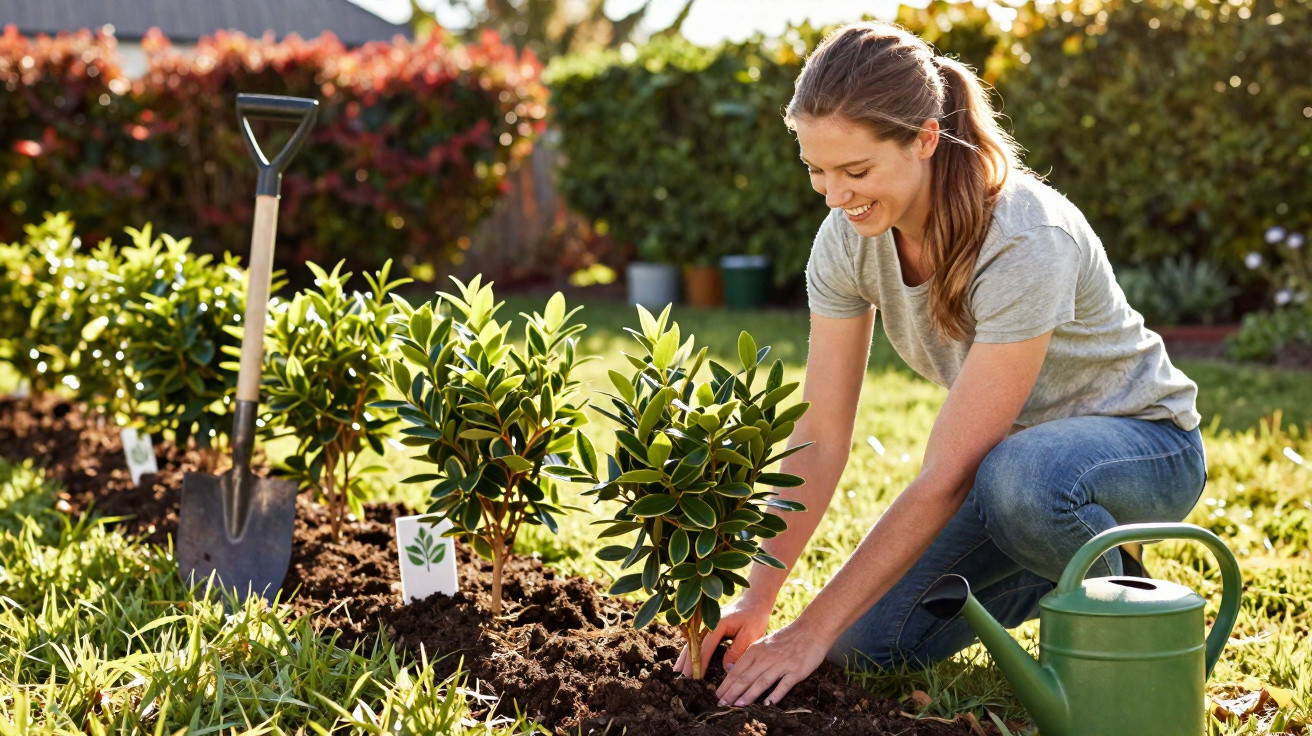
The best time to plant is in spring, once the soil has warmed up. That gives the root system several months to establish before the first colder nights arrive.
Step by step: planting for success
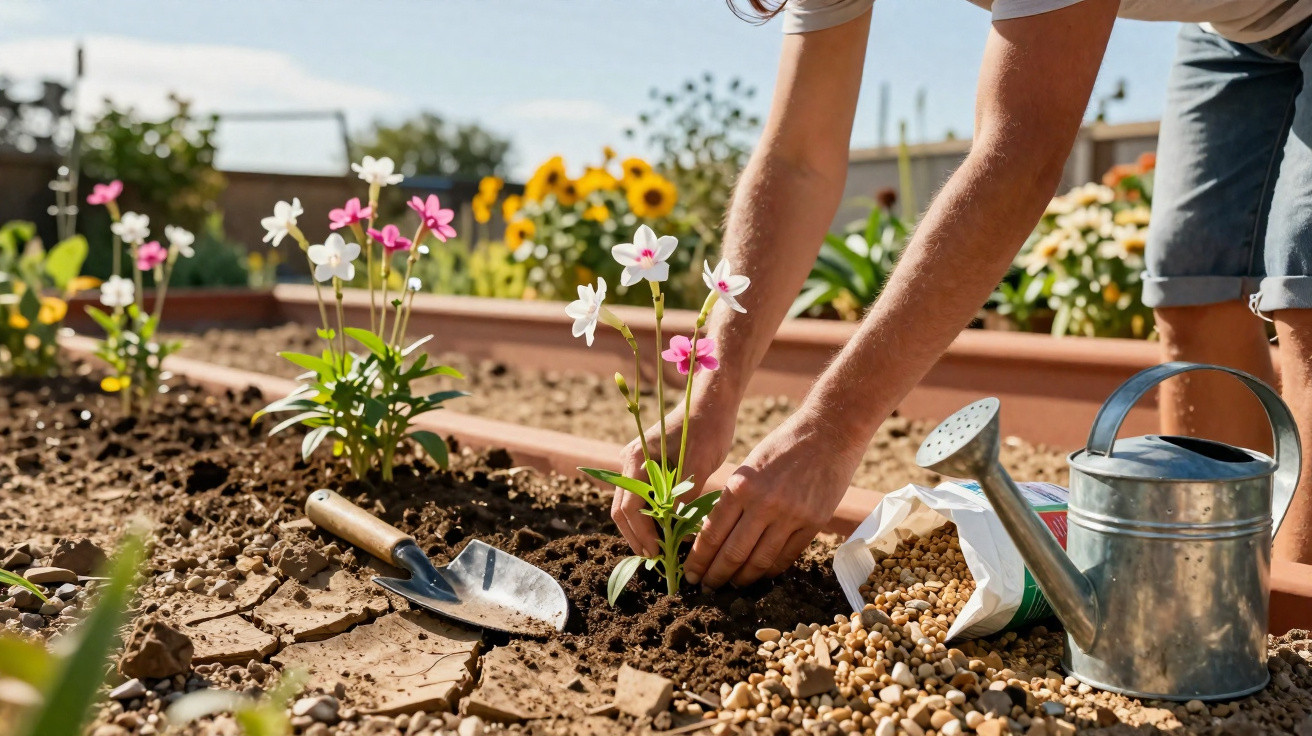
- Dig a planting hole that is generously sized-about twice the width of the root ball.
- Loosen the soil and, if it is heavy, mix in coarse sand or grit.
- Position the shrub so the root collar sits level with the soil surface, not deeper.
- Backfill with the excavated soil and firm it in carefully so no air pockets remain.
- Water thoroughly so moisture reaches deeper layers.
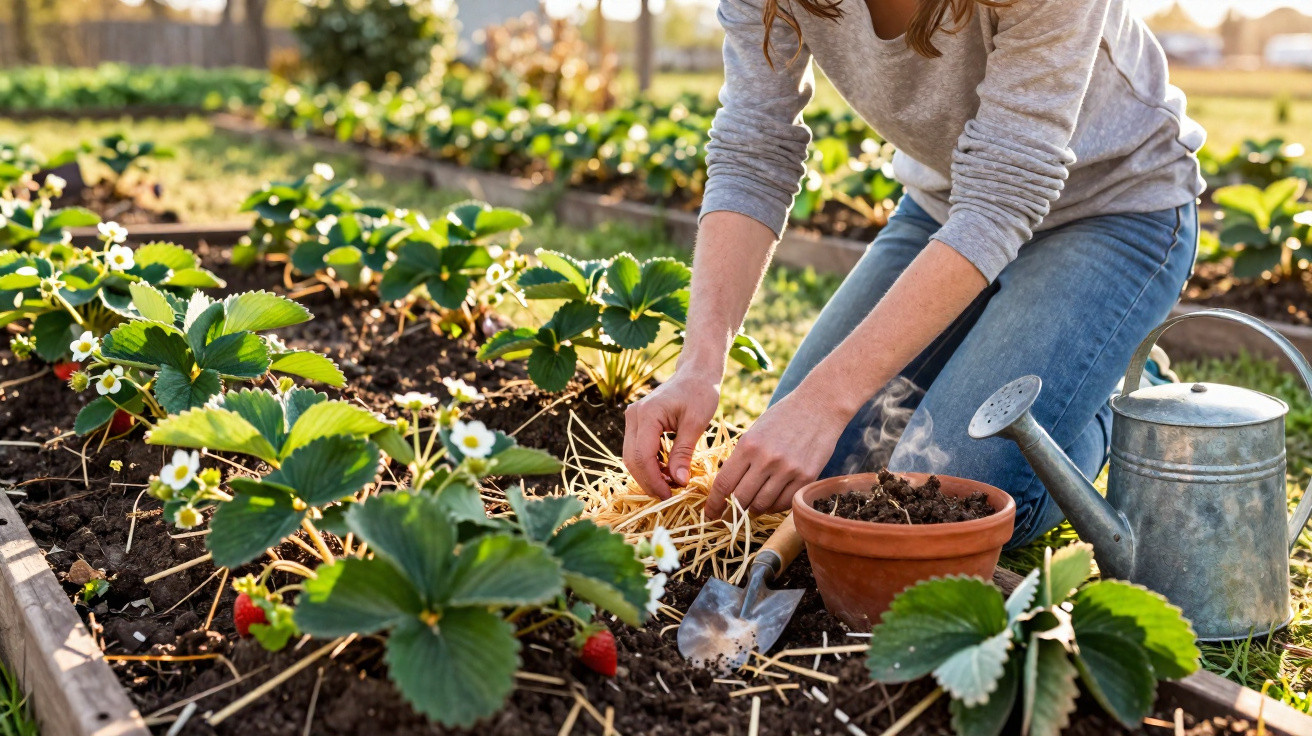
- Apply a mulch layer of around 5–8 centimetres, keeping it away from direct contact with the stem.
This mix of soil preparation, watering and mulching helps the shrub through its first year. That matters especially in small gardens, where every plant needs to make an impact quickly and fill gaps.
Care through the year: low effort, high impact
Once it has established, the easy phase begins. If you meet the basic requirements, Tecomaria is relatively straightforward to look after.
Watering, feeding, pruning
- Watering: Keep the soil evenly moist during the first summer without making it soggy. Later, watering is usually only needed during prolonged dry spells.
- Fertiliser: A modest slow-release feed or a little organic fertiliser in spring supports bud formation.
- Pruning: Tidy after the main flush of flowers. Remove old or dead stems and shorten overly long shoots.
Garden professionals often advise a confident, but not drastic, prune for flowering shrubs like this. If the plant gets too tall or loses its compact shape, cut back to just above a lower leaf joint. That encourages branching and helps rebuild a neat, compact bush.
Regular, moderate pruning keeps the shrub small, shapely and floriferous-ideal for patios, front gardens and narrow borders.
Winter protection and risk assessment for Central European gardens
In areas with frost, a winter plan is part of the deal. This is not a tough, traditional hedge shrub, but more a choice for sheltered spots or a candidate for container growing.
Practical protection measures:
- add a thick mulch layer over the root zone in late autumn
- during very cold nights, wrap the above-ground growth with horticultural fleece
- for container plants: place the pot against a sheltered house wall, wrap the container with fleece or hessian, and stand it on wood or polystyrene to reduce cold from below
If stems die back in winter, it does not necessarily mean the plant is lost. It often reshoots from the base in spring. Flowering may start a little later, but the overall effect can still be very attractive.
Ideal companion plants and design ideas
The intense orange looks most striking when paired with calmer tones. Reliable partners include, for example:
- blue-flowering perennials such as sage or catmint
- white or cream grasses that add lightness
- evergreen, compact shrubs that maintain structure if Tecomaria is cut back
In very small gardens, it pays to plan with a clear framework: one or two standout shrubs, supported by low perennials and spring bulbs. That approach keeps the display lively for months without making the space feel overfilled.
Why this shrub is especially appealing for city gardeners
If you only have a courtyard or a narrow terraced-house garden, you need plants that do several jobs at once: provide colour, give structure, attract pollinators, and avoid becoming a high-maintenance problem. Tecomaria ticks many of those boxes.
Planted as a focal point near seating, it brings insect life into the city garden, and its compact habit leaves room at ground level for other plants. The result, even on limited square metres, is a varied and lively outdoor space that feels far more like a “green oasis” than a leftover strip behind the house.

Comments
No comments yet. Be the first to comment!
Leave a Comment