
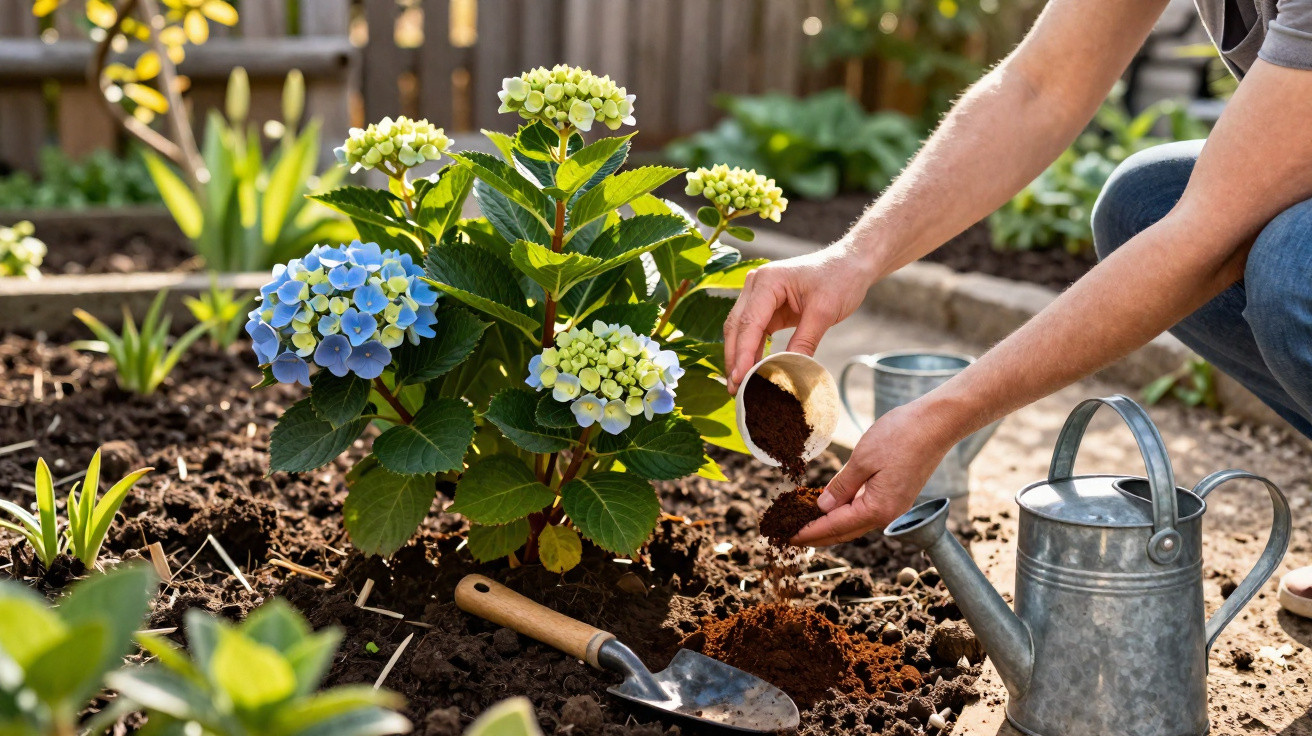
Anyone hoping to be greeted by lush, flower-laden hydrangeas in summer doesn’t have to spend a fortune on specialist feed at the garden centre. What matters most is timing - plus a natural nutrient boost that often turns up quietly in the kitchen. March, in particular, often decides whether the shrubs coast through the season or deliver their best display.
Why March decides your hydrangeas’ flower show
As March arrives, hydrangeas begin to stir after winter. Buds start to swell, the first fresh shoots appear, and the roots become active again. At this point, the plant is effectively laying the foundations for the entire gardening year.
"If you feed your hydrangeas with targeted organic fertiliser in March, you strengthen the shoots and build up the energy reserves for a generous flush of flowers."
Hydrangeas are among the more nutrient-hungry ornamental shrubs. They need plenty of feed - especially these three key elements:
- Nitrogen (N): supports strong growth and rich green foliage
- Phosphorus (P): encourages flower formation and root development
- Potassium (K): improves cell structure and overall resilience
They also benefit from trace elements such as iron, which helps leaves stay healthy and prevents yellowing. Organic options - including well-rotted compost, thoroughly aged farmyard manure, or an organic hydrangea-specific fertiliser - supply nutrients slowly and steadily. They also improve soil structure, which is a major advantage in heavy or compacted soils.
Hydrangeas generally prefer slightly acidic ground. A pH value between 5 and 6 is considered ideal. In that range, roots absorb nutrients more effectively - and for certain varieties, soil acidity can even influence flower colour, such as blue blooms in Hydrangea macrophylla when grown in more acidic soil.
Surprise fertiliser from the kitchen: coffee grounds instead of the bin
One natural helper is thrown away far too often: dried coffee grounds. Many gardeners swear by them, saying their hydrangeas look noticeably more vigorous and bloom more intensely when coffee grounds are used.
"Coffee grounds provide mainly nitrogen and create a slightly acidic soil reaction - both of which noticeably benefit many hydrangea varieties."
Once dried, the leftovers from a filter machine or bean-to-cup coffee maker can help in several ways:
- Nutrients: mainly nitrogen, plus smaller amounts of potassium and other minerals
- Soil improvement: organic matter helps loosen the soil and supports soil life and aeration
- Mild acidifying effect: useful for maintaining hydrangea-friendly pH values
There’s also a practical side-effect many gardeners report: coffee grounds scattered around the plant can make the area less appealing to certain pests. Slugs and ants often avoid those spots, which can give young shoots an extra measure of protection.
Using coffee grounds correctly: step by step
To make this kitchen waste a genuine booster - without putting stress on the roots - application matters:
- Let the coffee grounds cool after brewing.
- Spread them out thinly on a tray or plate.
- Leave to dry for at least 24 hours, until they no longer clump together.
- Apply only small quantities: around 1–2 tablespoons per shrub.
- Repeat at intervals of 4–6 weeks - not more frequently.
Fresh, damp coffee grounds shouldn’t be added to the soil in larger amounts. They can compact, reduce aeration and, in extreme cases, develop mould. That can weaken roots rather than nourish them.
The ideal March routine for strong hydrangeas
If you follow a clear care routine now, you’re often rewarded in summer with noticeably larger, more numerous flower heads. A simple, proven approach looks like this:
1. Prepare the soil around the shrub
Start by clearing the area at the base of the hydrangea. Remove old leaves, dead plant material and any visible weeds carefully. This improves air and water movement into the soil, and it takes away hiding places for pests.
Next, loosen the top layer of soil gently. A small hand cultivator is enough - deep digging isn’t necessary. The key point is not to damage roots, so keep the work shallow.
2. Work in an organic main feed
Now comes the main nutrient boost. Suitable choices include:
- mature, dark compost
- well-rotted manure (for example cow or horse manure, but only if properly aged)
- organic hydrangea fertiliser in granule form
Depending on what you’re using, spread a 2–3 cm layer across the root zone. Avoid direct contact with the shoots to prevent scorching. Then lightly mix it into the loosened soil and water thoroughly. Water helps release the nutrients and carry them down to the roots.
3. Coffee grounds as an extra, not a replacement
Dried coffee grounds can complement this base feed, but they shouldn’t replace it. Sprinkle them in a very fine, thin layer around the shrub - like a light dusted ring, keeping a small gap of a few centimetres from the stems.
Dosage is crucial: too much at once can acidify the soil too strongly and put the roots under stress. If you’re unsure, start with less than 1 tablespoon per plant and watch how it responds over the following weeks.
Consider your climate zone: don’t start at the same time everywhere
The best moment depends heavily on your local conditions. In milder areas, the March routine can often begin at the start of the month. In colder locations where late frosts are common, patience tends to pay off.
| Area | Recommended start time |
|---|---|
| Mild areas, wine-growing regions | Early March |
| Temperate inland areas | Mid-March |
| Higher ground, cooler northern areas, Alpine fringe | Late March to early April |
The buds provide the most reliable clue: once they have clearly swollen and the first green tips show, the plant is starting into growth and can make use of feed. If hard night frosts are still on the forecast, it’s worth waiting a little longer.
What else strengthens hydrangeas - and what harms them
Alongside March feeding, a few other factors make a noticeable difference:
- Position: bright shade, or sun in the morning and evening, suits them best; harsh midday sun can weaken plants.
- Even moisture: hydrangeas dislike bone-dry soil, but they also suffer in waterlogged ground.
- Mulch layer: a thin covering of bark mulch or leaves helps retain moisture and protects soil structure.
Very lime-rich soil, or irrigation water with a high limescale content, can cause problems. Leaves may turn pale while the veins remain dark green - a sign of nutrient deficiency even though you have been feeding. In that situation, a mildly acidic growing medium can help, and using rainwater may also be beneficial.
Practical examples from everyday gardening
Many gardeners report that hydrangeas fed for years with purely mineral fertiliser often look noticeably stronger after switching to an organic routine. Shoots lignify more reliably, flower heads last longer, and plants recover more quickly after dry spells.
A common scenario is an older shrub that produces only a weak display, with stems collapsing as soon as heavy summer rain arrives. If you stick to compost in March and add coffee grounds in moderation, sturdier stems and larger flower heads often become visible by the second year.
If you grow lots of plants, you can collect coffee grounds and share them around: some for the hydrangeas, and the rest for rhododendrons, blueberries or azaleas - all plants that appreciate slightly acidic soils. That turns kitchen waste into a useful building block for a healthier planting scheme across the whole garden.


Comments
No comments yet. Be the first to comment!
Leave a Comment