
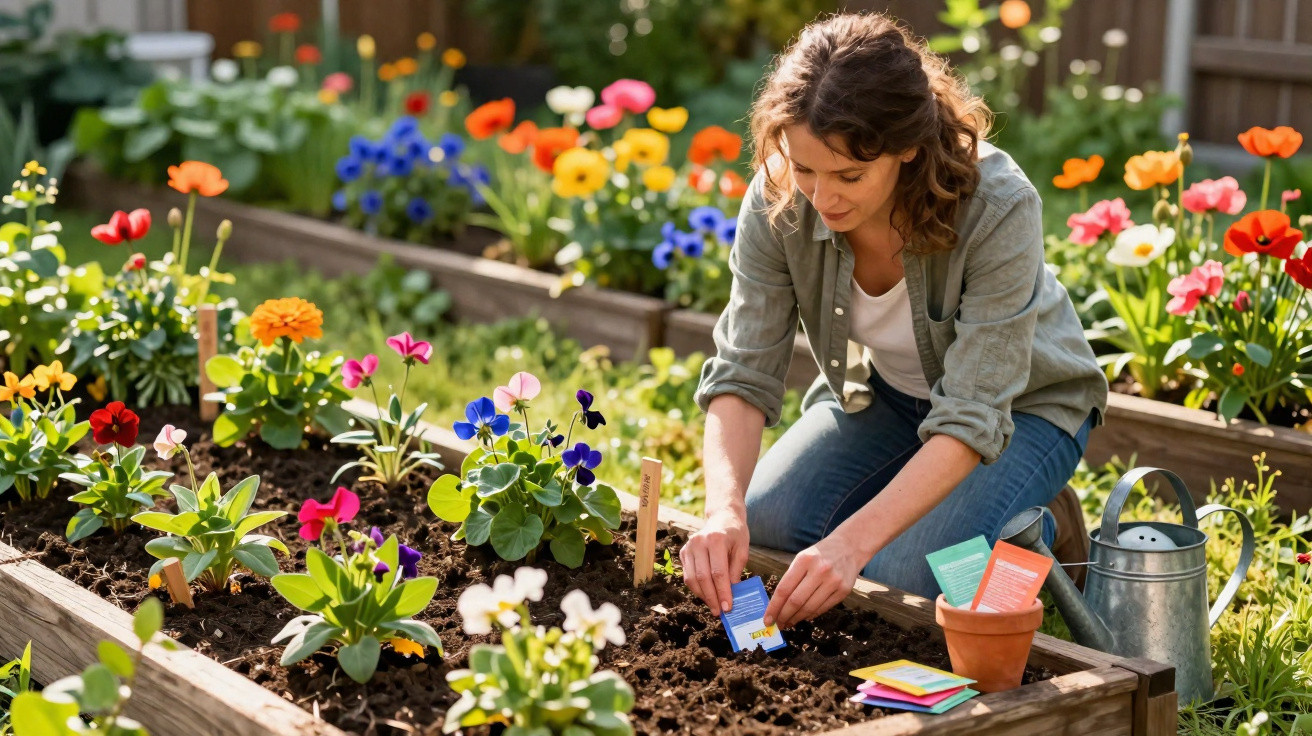
Between the dull leftovers of winter and the first mild rays of sunshine, March is when you decide how breathtaking your garden will look in summer. If you sow with purpose now, you can enjoy months of colour-without being a professional gardener and without spending a fortune.
Why March is crucial for your summer flowers
As March arrives, plenty of keen gardeners feel the urge to get started. Daylight stretches out, the sun climbs higher, and garden centres fill up with racks of seed packets. At the same time, the weather can still be unpredictable: gentle afternoons, icy mornings, and late frosts that can hang around into April.
This in-between spell is exactly when you set up the show for June, July and August. Many annual summer flowers need a head start of several weeks. Sown in March, they’re far more likely to form full, blooming beds in high summer rather than leaving you with gaps and bare patches.
"If you sow in March, you won’t face an empty garden in summer, but a continuous firework of flowers."
Another advantage: lots of summer flowers are wonderfully straightforward-they germinate quickly and usually forgive small mistakes. Perfect if you simply want colour in the garden, on a balcony or on a patio, without complicated care schedules.
How to get your display started safely before the frosts are over
Because March nights are often still sharply cold, it pays to get plants going indoors or in a sheltered spot. Many home gardeners rely on:
- bright windowsills
- a simple polytunnel cover or mini-greenhouse setup
- a light conservatory or veranda
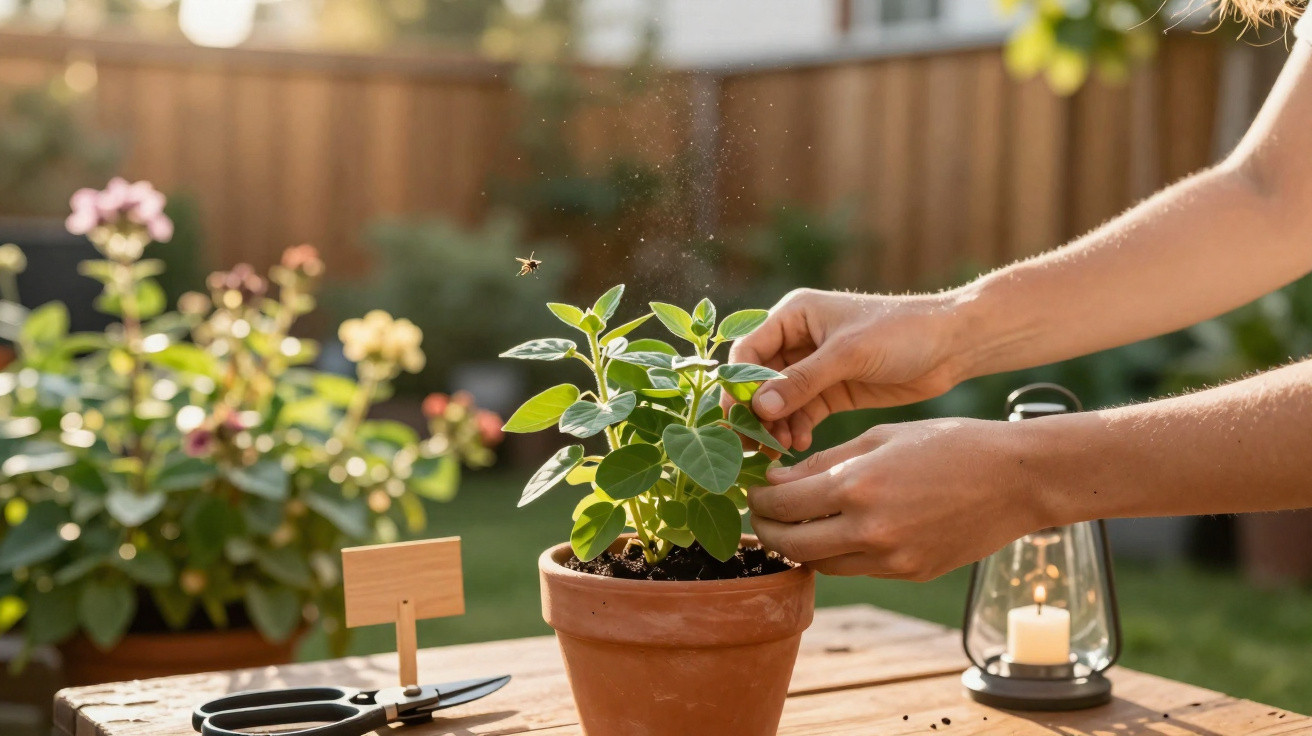
Sow into small pots or seed trays filled with loose, low-nutrient seed compost. In most cases, the seed only needs a light covering of compost. Water gently, then place somewhere warm-but not hot. The key is plenty of light, but not harsh midday sun blasting through glass.
When seedlings have two to four true leaves and nights are reliably frost-free, they can move outdoors. If you live in a particularly mild area, you can also broadcast-sow some types straight into the bed from March.
The 7 best flowers to sow in March
For the longest, most colourful summer, annuals are especially useful because they grow quickly and flower generously. Here are seven choices that are hard to go wrong with.
Zinnias – classic fireworks of colour
Zinnias are true summer headliners. Their broad blooms-often double-come in pink, red, orange, yellow or white and instantly lift a border. Depending on the variety, they reach about 30 to 90 centimetres in height.
- Position: full sun, warm, sheltered from wind
- Soil: fertile, open texture, not waterlogged
- Bonus: excellent as a cut flower and long-lasting in a vase
If you start them off in pots in March, zinnias often flower at full strength from June-and frequently keep going well into October.
Fragrant favourites: sweet peas
Sweet peas don’t just provide blooms in both soft pastels and bold shades-they also have a strong, classic summer-garden scent. As climbers, they need support such as canes, netting or a simple trellis.
One key sowing point: the seeds are quite hard. Many gardeners soak them in lukewarm water for 12 to 24 hours to improve germination. Sow into individual pots, as the roots dislike being disturbed.
Nasturtiums – pretty, tough and even edible
Nasturtiums are the ultimate low-effort all-rounder: they shoot away quickly, cover bare spots, scramble up fences or trail attractively from containers. Their vivid yellow, orange or red flowers are edible and add colour to salads.
- Use: borders, window boxes, hanging baskets
- Bonus: often treated as an “indicator plant”-aphids frequently hit it first and it can draw them away from vegetables
If you raise them in pots in March, you can plant them out after the last frosts in mid-May, and they’ll spread fast.
Giroflée (scented flower) – old-fashioned charm
These scented blooms bring to mind traditional cottage gardens. They add warm tones-from yellow through apricot to red-and on mild evenings they release a rich perfume.
They work brilliantly along paths or near seating areas, where the fragrance can be enjoyed properly. Sown in March, they can give you an early flush of flowers by early summer.
Coreopsis – sunshine in the border
Coreopsis, often known as tickseed, looks like a scatter of tiny suns. Its yellow and orange flowers shine even on grey days and the plants are impressively free-flowering.
- Position: sun to partial shade
- Special feature: flowers for a very long time, ideal for more naturalistic planting
If you regularly remove faded blooms, many varieties will keep flowering with barely a pause right into autumn.
Nigella (love-in-a-mist) – delicate, wild romance
With its fine foliage and airy flowers, nigella gives borders a soft, almost storybook feel. Later, it forms ornamental seed pods that are excellent for dried arrangements.
Nigella suits romantic, lightly untamed gardens. It’s happiest when direct-sown, but it also performs well if started in a pot from March.
Papaver (poppy) – meadow style in your own garden
If you love bright, slightly crumpled-looking petals, poppies are a great choice. They’re especially striking planted in groups and instantly create a meadow-like character.
Many varieties self-seed if you leave a few seed heads to mature. Over time, this builds a natural, self-renewing patch.
Where your seeds come from-and why it matters
Many home gardeners know the frustration: you sow carefully, check every day, and still end up with only a few weak seedlings. Often, the issue is the type or quality of the seed.
"If you choose open-pollinated varieties, you can build your own personal flower collection step by step."
Open-pollinated (seed-saving) varieties can be collected from your own plants and sown again year after year. That doesn’t just help the budget-it also gradually produces plants that are better adapted to your own garden soil.
More and more councils and community groups now run seed swap events or provide public seed boxes in libraries and community gardens. You add your own well-dried seed and take different varieties in return. It’s an easy way to boost diversity-and to meet other garden enthusiasts at the same time.
A practical plan: how to organise your March garden
| Step | What to do | Timeframe |
|---|---|---|
| 1 | Choose seed packets, paying attention to flowering period and final height | Early March |
| 2 | Prepare seed trays/pots and compost, and label everything | Immediately afterwards |
| 3 | Sow seed, press in lightly, and water carefully | Mid-March |
| 4 | Keep warm and bright; maintain lightly moist compost | Ongoing |
| 5 | Harden off seedlings and plant outside once the last frosts have passed | Late April to May |
Tips to make your summer garden genuinely spectacular
You don’t need complicated border designs for maximum impact. Three simple principles make a huge difference:
- Plant in groups: ten zinnias together creates more effect than single plants dotted about.
- Layer by height: taller varieties at the back, shorter ones at the front so everything stays visible.
- Combine colours deliberately: choose either calm pastels or punchy contrasts-both look fantastic, but mixing everything can quickly feel messy.
If you like, weave a few flowers into the veg patch too. Zinnias and coreopsis attract plenty of insects, nasturtiums can act as a “sacrificial plant” to pull pests away from lettuce, and poppies add visual highlights between potatoes or brassicas.
Drought-tolerant mixes are particularly worth considering. In hot summers, it pays to grow types that can cope with a few days without watering. Zinnias, coreopsis and nasturtiums handle heat far better than many standard bedding plants sold at DIY stores.
If you want to take it a step further, keep a small notebook each year: what you sowed and when, which varieties performed well, and what failed. After two or three seasons you’ll have a personal planting plan that keeps your garden flowering reliably from March into autumn.
Comments
No comments yet. Be the first to comment!
Leave a Comment