
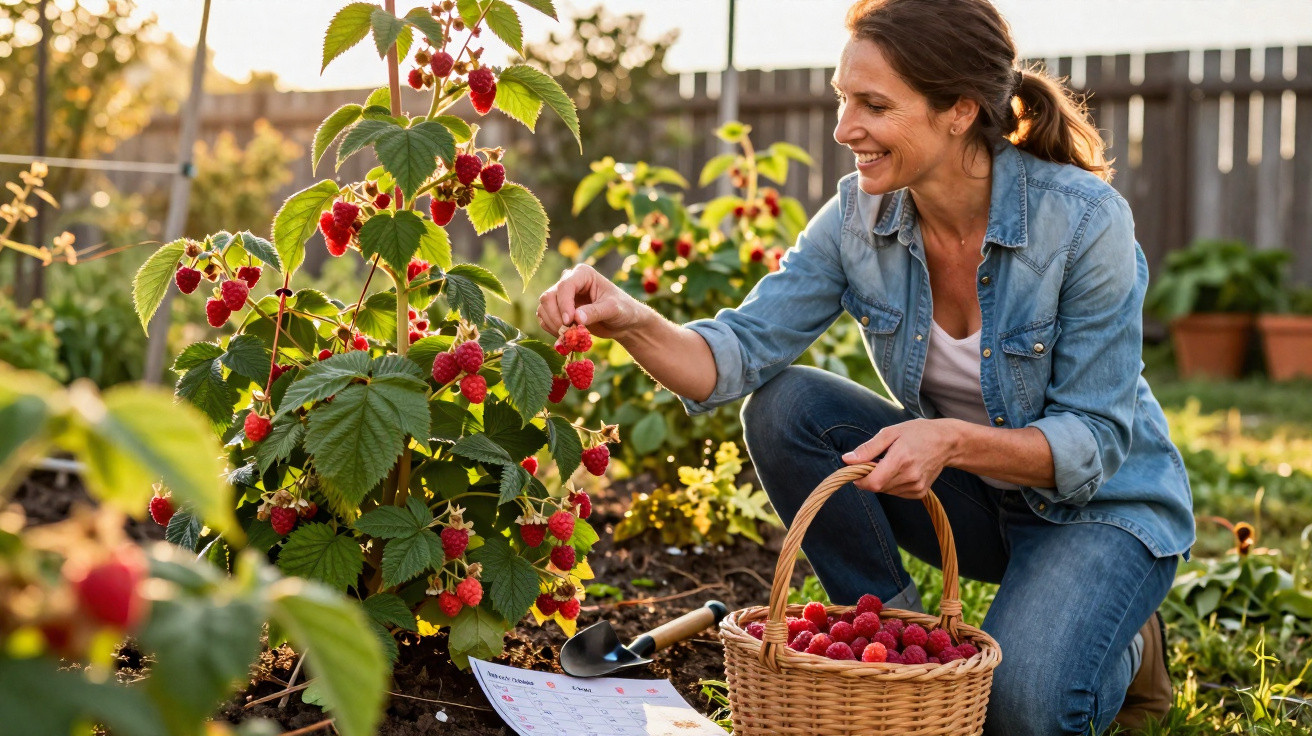
Many amateur gardeners simply pop a raspberry cane into the ground and hope for a sweet harvest next summer. But if you treat planting as a small project, you can keep your beds supplied with berries for a full decade. The key is one golden rule on site and planting time, backed up by a few practical steps that help raspberries crop reliably.
Why raspberries are such a brilliant choice for the garden
Raspberries are among the easiest berry shrubs to grow in a home garden. They establish quickly, manage with fairly modest care, and reward you with fragrant, vitamin-rich fruit. They also train well into a relaxed “snacking hedge” - perfect for families, compact gardens, or even larger planters.
"If you plan the planting carefully, a single raspberry bed can provide regular harvests for up to ten years."
Plenty of experienced gardeners will tell you the difference between a struggling plant and a berry haven isn’t made in July at picking time - it’s made in autumn when you plant.
The golden rule: plant at the right time
For long-term, vigorous raspberry plants, timing matters more than anything else. They only get off to a strong start if their roots can settle in calmly before the first spell of heat stress or a hard frost.
Best time for bare-root raspberries
Bare-root plants (not in a pot - just exposed roots) are best planted between October and March on frost-free days. In practice, autumn is clearly the better option:
- the soil is still warm
- rain is more frequent, so there’s less watering to do
- roots develop strongly before winter
- in spring, the cane starts the season with a head start
Planting in autumn is how you lay the foundation for the next ten summers of picking.
Potted raspberries: more flexible, but not unlimited
Potted (container-grown) raspberries can, in principle, be planted year-round. Even so, it pays to work with the seasons:
- best: autumn and early spring
- unsuitable: extreme heatwaves
- risky: severe frost immediately after planting
Raspberries moved in autumn from a pot usually settle in more steadily, put on new roots without stress, and repay you with dependable yields.
The perfect spot: sun, shelter and loose soil
If you want a raspberry plant to keep producing for ten years, it needs not only the right timing but also a position where it genuinely feels at home.
Light and warmth: not too much, not too little
Raspberries prefer bright conditions:
- full sun or bright partial shade are ideal
- in hotter areas, a little afternoon shade helps prevent drought stress
In too much shade, you’ll get long, thin canes with fewer fruits. Under relentless midday sun, on the other hand, berries can shrivel or scorch.
The right soil: loose, humus-rich, well drained
Raspberries do best in soil that is:
- rich in humus
- able to hold moisture without becoming waterlogged
- not too heavy and not overly chalky
Heavy, clay soils slow root growth and can lead to waterlogging. In that situation, it helps to work in generous amounts of compost and a little sand. A humus-rich garden soil with an open structure is almost a guarantee of good cropping.
Shelter from wind: protect the crop from storm damage
Raspberries are fairly tough, but strong wind dries out the canes and can snap shoots clean off. A position near a hedge, fence or a wall of the house (with some space left for airflow) creates a more sheltered microclimate where plants push stronger growth.
Preparing the soil: where a lot is decided
If you only dig a hole and drop the plant in, you’re giving away yield potential. Proper soil preparation before planting pays dividends for years.
- Clear the area thoroughly of weeds - remove perennial, root-spreading weeds such as couch grass and ground elder with care.
- Loosen the soil - work it at least 30–40 cm deep using a spade or digging fork.
- Incorporate organic matter - mix in well-rotted compost or aged farmyard manure.
- Improve drainage - on heavy soils, add a little sand or fine gravel.
"Many professionals follow a golden planting rule: feed the soil first, then plant the raspberry cane."
Well-prepared soil encourages a powerful root system - and strong roots underpin steady harvests over many years.
Step by step to a long-lived raspberry plant
1. Soak the roots (for bare-root plants)
Before planting, place bare-root raspberries in a bucket of water for about an hour. This rehydrates the roots, prevents them drying out during planting, and helps the plant settle without stress.
2. Measure out the planting hole correctly
For individual plants, a hole around 40–50 cm deep and wide is sufficient. If you’re planting a row, a planting trench is often the better approach. Key spacings are:
| Spacing | Recommendation |
|---|---|
| between plants | at least 80 cm |
| between rows | about 1.20 m |
This gives each plant room for new canes without competing for light.
3. Set the plant and spread the roots
Place the plant so the root collar (where root meets cane) sits exactly at soil level. Gently fan the roots out in all directions so they don’t curl or overlap. Then backfill with the loosened soil and firm it lightly.
4. Water in thoroughly
Right after planting, give the cane plenty of water - even if the soil already feels damp. Water helps settle soil around the roots, closes air pockets, and steadies the young plant.
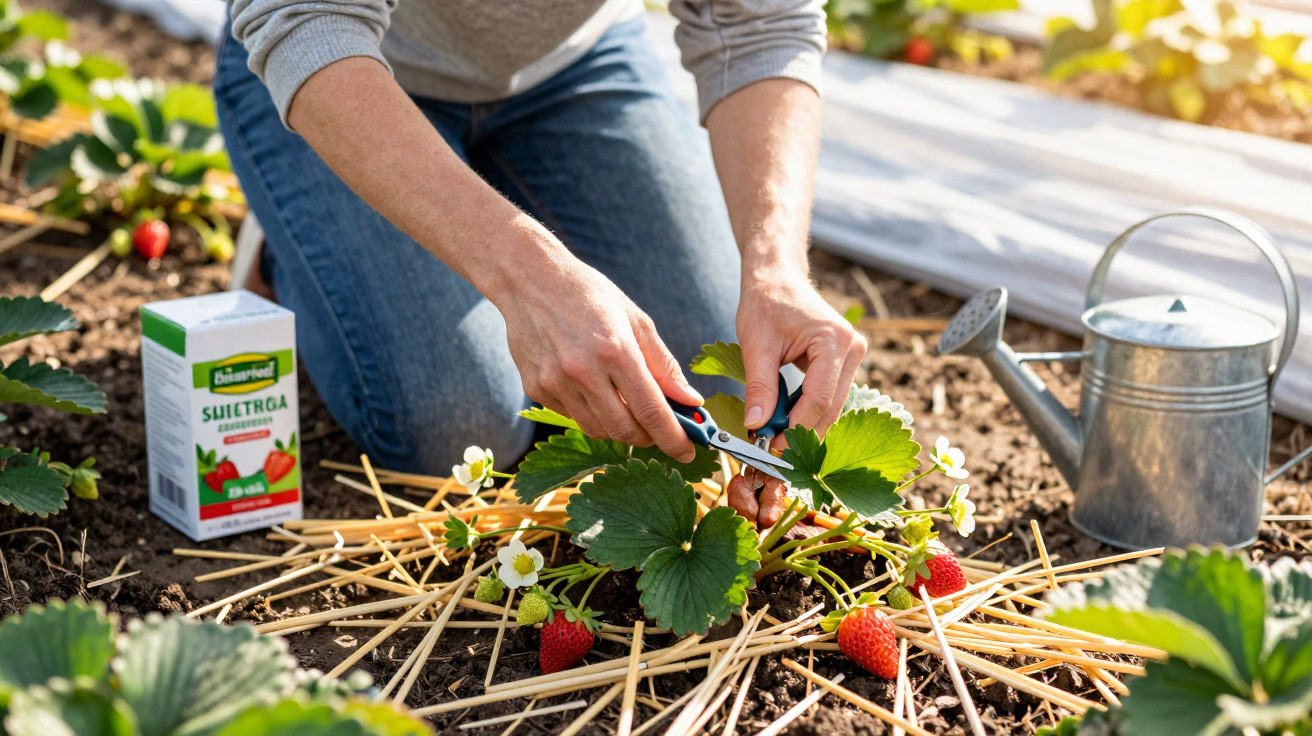
5. Add a mulch layer
Finish by applying a covering of organic material around the base: straw, bark mulch, chipped prunings or leaves all work well. This layer:
- keeps moisture in the soil for longer
- suppresses weeds
- protects roots from frost in winter
- breaks down slowly and provides fresh nutrients
Care in the years that follow: little effort, big impact
When the site and planting are right, ongoing care is straightforward. Still, a few habits can noticeably increase yields.
Water properly
Raspberries like even moisture, but not wet feet. During dry spells, a deep watering once or twice a week is usually enough. It’s better to water less often but thoroughly than to sprinkle a little every day - that encourages deeper rooting.
Pruning depends on the variety
There are two main types of raspberry:
- Summer-fruiting varieties: crop on two-year-old canes, which are removed completely after harvest.
- Autumn-fruiting varieties: produce fruit on one-year-old growth; in winter, you mainly cut out dry and weak canes.
If you’re unsure which type you have, watch the plant over the season: if it starts fruiting from June, it’s usually summer-fruiting. If harvest begins in late summer, it’s often an autumn-fruiting variety.
Replace nutrients with intent
In spring, raspberries benefit from a thin layer of mature compost around the base of the plant. Some gardeners also use diluted plant feeds, such as nettle or comfrey tea, to support growth.
Keep an eye on diseases and pests
Common issues include fungal diseases such as grey mould and infestations of aphids. Regular checks help you spot early signs quickly. Good spacing for airflow, avoiding persistent waterlogging, and minimising wet foliage from overhead watering all reduce risk noticeably.
Why this basic rule really delivers harvests for years
Experience across many gardens shows that if you plant in autumn, choose a sunny, sheltered spot, and enrich the soil generously with compost, you’re very likely to be rewarded. In the first months, plants can prioritise building strong roots instead of pouring all their energy into leaves.
These shrubs cope better with hot summers, form sturdier, thicker canes, and produce plenty of fruiting side shoots over the years. Add regular mulching, appropriate pruning and watering during dry weather, and you’ll often harvest well beyond the frequently quoted ten years - because the plants experience less stress and fail less often.
If you’re not confident, start with a small trial bed: plant two or three canes using this “golden rule”, and set a few others more casually nearby. After two to three years, the difference is striking in many gardens - especially when you want bowls filled with ripe raspberries at the height of summer.
Comments
No comments yet. Be the first to comment!
Leave a Comment