
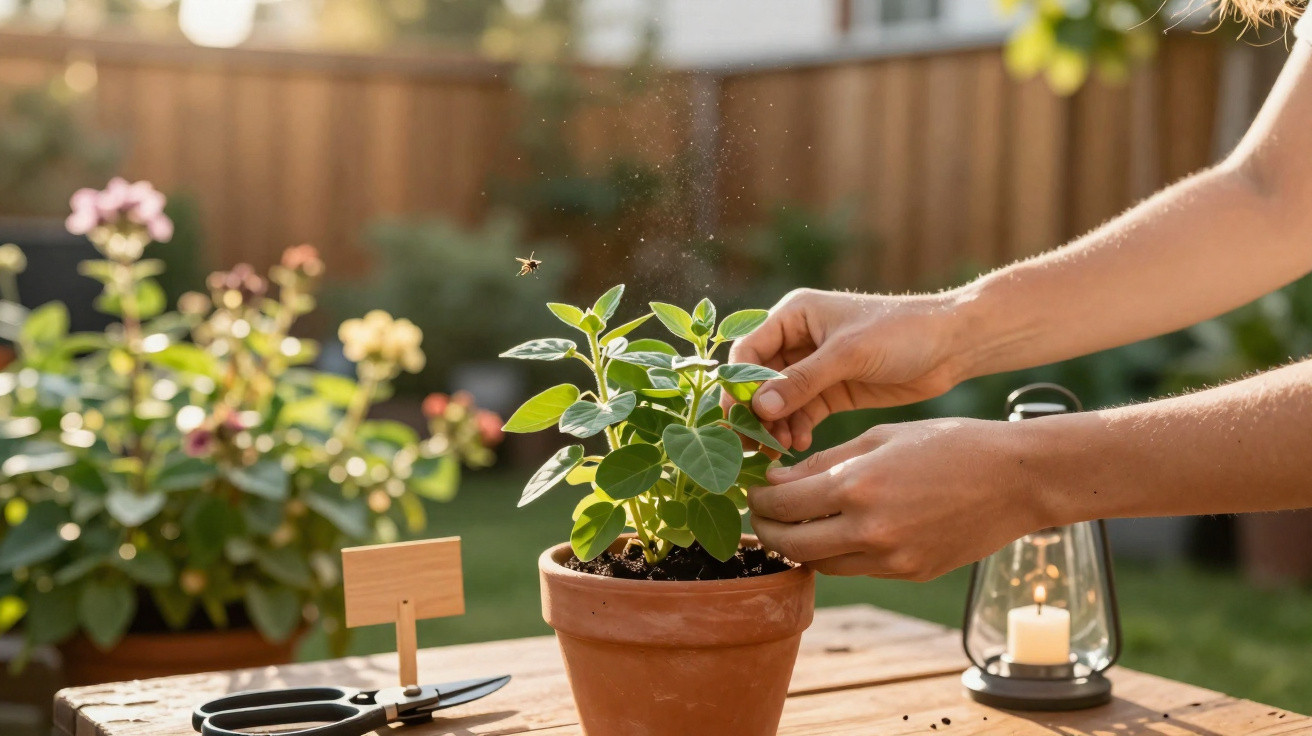
Sitting out on the patio in the evening or letting the children run around in the garden makes it obvious straight away: mosquitoes buzz around your head and ticks lie in wait in the grass. Many people reach for sprays and other chemicals. Yet an unassuming garden plant with a strong lemon fragrance can spoil the fun for these pests surprisingly well.
Why ticks and mosquitoes become a problem at this time of year
As soon as temperatures climb in spring, the garden comes to life - and unfortunately so do the bloodsuckers. Mosquitoes start appearing once the thermometer reaches around 10–15 °C. Their activity rises noticeably in late spring and peaks in midsummer, particularly near water and dense vegetation.
Ticks are even less picky. They can become active from about 7 °C and may remain a risk right through to autumn. They sit in long grass, on shrubs and in low-growing plants, often around knee or calf height. Anyone brushing past - human or animal - can quickly become a convenient host.
Typical tick and mosquito hotspots in the garden include:
- unmown lawns with longer grass
- thick hedges and overgrown corners
- compost areas with lots of moisture
- standing water such as water butts, saucers and watering cans
- shady, poorly ventilated spots behind sheds or garages
So if you don’t want your green oasis turning into a danger zone, you need an approach that goes beyond simply spraying insect repellent.
The underestimated lemon-scented repellent plant
A particularly useful ally against ticks and mosquitoes is a lemon-scented geranium type - botanically, a Pelargonium with a lemon fragrance. In shops it’s commonly sold as “lemon-scented geranium” or “scented geranium with lemon fragrance”.
It grows into bushy mounds around 40–100 centimetres high, with soft, deeply cut leaves. Visually it’s more understated than classic balcony geraniums, but its real strength is its scent: rub a leaf between your fingers and it releases an intense lemon aroma.
"The lemony scent is pleasant for many people - but for ticks and mosquitoes it’s more like a red rag to a bull."
Unlike purely decorative flowering plants, this geranium variety offers a clear added benefit: it produces natural aromatic compounds that have been shown to deter biting and blood-feeding insects.
How the plant really affects ticks and mosquitoes
The effect comes down to specific constituents, above all geraniol and citronellol. Both are used in natural cosmetics and many “anti-mosquito” products, including candles, sprays and aroma diffusers.
Studies indicate that geraniol can reduce the likelihood of ticks attaching. At certain concentrations, a clear reduction in tick fixation has been measured. Mosquitoes show a similar pattern: in outdoor settings, geraniol-based diffusers noticeably lowered the number of insects flying in.
The plant itself is not a replacement for insect repellent on your skin, but it can reduce the pest pressure in the immediate area. It won’t create a perfect protective bubble - but it can form an irritating scent barrier for the insects.
"The lemon-scented geranium acts like natural interference: it disrupts mosquitoes and ticks as they try to orient themselves in search of blood."
How to position the plant cleverly in the garden
In Central European climates, this scented geranium isn’t fully frost-hardy. That’s why it’s best grown in pots, tubs and window boxes. This also brings a major advantage: you can place it exactly where people spend time.
The ideal spot
- Light: full sun to bright conditions; the more light, the stronger the scent
- Soil: nutrient-rich, loose compost, with good drainage
- Containers: pots with drainage holes so waterlogging can’t build up
- Start of the season: plant out or repot once the risk of hard frost has passed
These positions are especially useful:
- around the patio area
- right next to the garden table and chairs
- on bedroom and living-room windowsills
- to the left and right of balcony or patio doors
- along the edge of children’s play areas, without children constantly picking at the leaves
If you’re eating outdoors in the evening, gently rub a few leaves shortly before sitting down so the lemon aroma spreads more strongly around the seating area.
How to care for lemon-scented geranium for maximum protection
Looking after it is straightforward and similar to other balcony plants - it simply dislikes being too wet. A simple routine is enough.
| Care aspect | Recommendation |
|---|---|
| Watering | Water regularly, but only once the top layer of compost has dried out |
| Feeding | About every two weeks with a liquid feed for balcony plants |
| Pruning | Pinch back shoot tips so the plant stays bushy |
| Overwintering | Keep bright and frost-free, ideally between 5 and 10 °C |
| Pest checks | Regularly inspect leaf undersides for aphids and spider mites |
If you bring the plant indoors before the first night frosts, you can keep it going for several years. In spring, it can move back outside.
Use: from rubbing leaves to essential oil
In day-to-day life, there are several practical ways to make use of the plant’s effect.
Directly from the plant
- Rub a leaf between your fingers and transfer the scent to curtains, a tablecloth or chair cushions.
- Before a walk through long grass, rub a little plant material on trouser legs and socks (not suitable for very sensitive skin).
- Place small posies made from cut stems in vases on the garden table.
With essential oil
Commercial essential oils from lemon-scented geranium often rely on the same active substances as the plant. They can be used to strengthen the protective effect:
- Add a few drops to an aroma diffuser in a conservatory or out on the patio.
- Dilute heavily with a carrier oil (for example, almond oil) and dab a light scented film onto clothing.
- Mix into homemade poured wax candles that burn on the table in the evening.
If you have children, pets or someone who is pregnant in the household, follow the product guidance carefully and, if in doubt, use a smaller amount.
What the plant can do - and what it can’t
As helpful as the scent is, no plant can protect you 100% from the bite of an infected tick. That’s why a few basic rules remain essential.
- After spending time in long grass, do a quick body check - especially behind the knees, underarms, groin and behind the ears.
- For dogs and cats, check the coat after every visit to woodland or meadows.
- Regularly tip out or cover any collections of water in the garden.
- Don’t let the lawn and grass areas become completely overgrown; instead, create zones with shorter grass.
Used alongside these measures, lemon-scented geranium makes a practical addition: placing several pots around seating areas creates a kind of scented belt that reduces the number of mosquitoes flying in and helps keep ticks away from where you spend time.
Further practical tips for a relaxed summer in the garden
This plant pairs well with other aromatic herbs such as lavender, rosemary or thyme. If you plant a large container combining scented geranium with Mediterranean herbs, you get two benefits at once: a wonderfully fragrant display and fewer irritating bites.
It also helps to show children early on how to behave in the garden: wear shoes on the grass, have a quick shower after playing, and choose light-coloured clothing so ticks are easier to spot. Combining sensible habits with well-placed scented plants can noticeably reduce the risk - without turning summer into a season of worry or constant chemical use.
If you’re already redesigning your patio or planting up window boxes, it’s easy to include lemon-scented geranium in the plan. It costs no more than other ornamental plants, but offers real added value: less buzzing by your ear, less anxiety about ticks, and a pleasant lemon aroma that gives many summer evenings an almost Mediterranean feel.

Comments
No comments yet. Be the first to comment!
Leave a Comment