
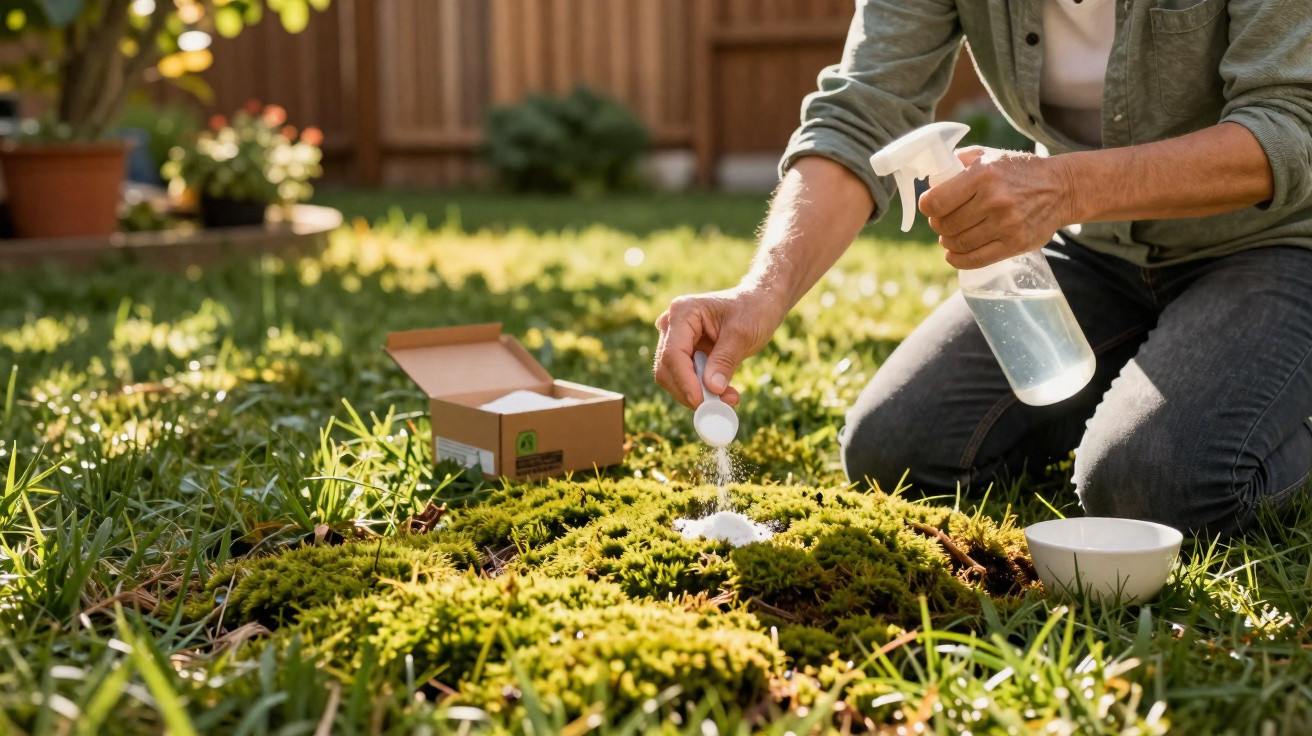
Many amateur gardeners know the springtime horror: instead of lush green grass, they’re greeted by a dark, slippery patchwork. The children stop wanting to play on it, the mower struggles, and every step feels like walking through a bog. Before you spend money on pricey specialist treatments at the garden centre, more and more lawn fans are relying on a simple powder trick that costs well under a euro.
Why moss spreads so readily in lawns
Moss isn’t proof of “bad gardening” - it’s a sign that the conditions suit it. It takes advantage of every weakness in the lawn and doesn’t waste the opportunity.
- Wet ground: waterlogging after rain or poor drainage.
- Compacted soil: areas that are walked on heavily and rarely loosened.
- Lots of shade: trees, walls and hedges block the light the grass needs.
- Very low mowing height: cutting too short weakens the grasses.
- Acidic soil: a low pH gives moss an easier time than grass.
Winter tends to make everything worse. Grass barely grows, stays vulnerable, and moisture lingers in the soil for longer. Moss uses that window to push into the gaps where the blades have weakened. If nothing changes, some of the moss may later die back in places - but what’s left behind are unattractive bare patches.
"If you only ‘remove’ moss without changing the causes, it will come back year after year."
The surprising 75-cent solution from the kitchen
A method from the United Kingdom is currently being debated enthusiastically in gardening forums: ordinary sodium hydrogencarbonate - better known as bicarbonate of soda (also called baking soda). A tub usually costs less than a euro in supermarkets or discount shops, and many people already have it in the cupboard.
The thinking is straightforward: bicarbonate of soda shifts the conditions on the mossy surface so the moss can’t cope. Grass generally tolerates the treatment far better, especially when you apply it only where needed.
How to mix the bicarbonate of soda solution
You don’t need much to make a simple spray:
- use a standard garden sprayer or an old, clean spray bottle
- fill it with tap water
- stir in two to three tablespoons of bicarbonate of soda until the powder is largely dissolved
This isn’t a corrosive concoction - it’s a mildly alkaline solution. Use it right after mixing so the powder doesn’t settle back down at the bottom.
Application: how gardeners do it step by step
A methodical approach makes the trick far more reliable:
- Wait for dry weather: ideally choose a warm, dry day with no rain forecast for the next 24 hours.
- Pick a small test patch: treat only a limited mossy area first to see how the lawn responds.
- Spray with precision: apply the solution only to moss patches, not to borders or sensitive ornamental plants.
- Let it work: check results over the next two to three days.
- Remove discoloured moss: once the tufts look dry and brownish, lightly pull them out with a rake.
In suitable conditions, the moss dries out and turns yellowish to brown. The grass underneath can look a little stressed at first, but with continued growth it often recovers.
"Many amateur gardeners report that moss patches visibly shrink after applying bicarbonate of soda, without the whole garden being affected."
Where this home remedy reaches its limits
Bicarbonate of soda mainly affects the moss you can see. In other words, it tackles the symptom rather than the root causes. If you only spray and change nothing else, you’ll very likely be dealing with green felt again after the next damp winter.
There’s also a practical downside: in strong wind, or if you spray too broadly, droplets can land on other plants. Delicate ground cover and young plants may react badly. Pets should also be kept off freshly treated areas, especially to prevent them licking the surface.
How to stop moss coming back
For a lawn that stays resilient over the long term, it helps to combine the bicarbonate of soda trick with targeted care. Gardening experts recommend several measures across the year.
Loosen and aerate the soil
Compaction is one of moss’s best friends. Regular aeration gets oxygen deeper into the ground and helps water drain away.
- in spring, scratch up the lawn surface with a rake or use a scarifier
- on heavy soils, also use an aerator to punch holes into the ground
- work in fine sand to keep pores open
This improves drainage and reduces waterlogging - removing one of moss’s biggest advantages.
Adjust cutting height and mow correctly
A very short lawn can look “tidy” at first glance, but it drains the plants. Short blades dry out more quickly, roots stay shallower, and light reaches the soil surface - which is exactly what moss spores want.
A cutting height of around four centimetres is considered a good compromise for many home gardens. If you avoid scalping the grass, you encourage stronger blades and a denser root system. The ground is shaded more effectively, and moss has fewer opportunities.
Check soil reaction: keep an eye on pH
Moss prefers more acidic soils, while lawn grasses generally do better in slightly acidic to neutral conditions. A simple soil test from a garden centre will show whether your pH is in range.
| pH value | Effect on the lawn |
|---|---|
| below 5.5 | lawn grasses weakened, moss has a clear advantage |
| 5.5 to 6.5 | acceptable for many lawn seed mixes |
| above 6.5 | moss often less dominant, nutrients readily available |
If the soil is strongly acidic, a lime-based feed can gradually raise the value. It should be applied carefully rather than “just in case”, so testing first with a strip is worthwhile.
Feed, overseed, and close the gaps
Once moss is removed, bare patches are almost inevitable. If you leave those areas unattended, you’re effectively inviting the green cushions straight back.
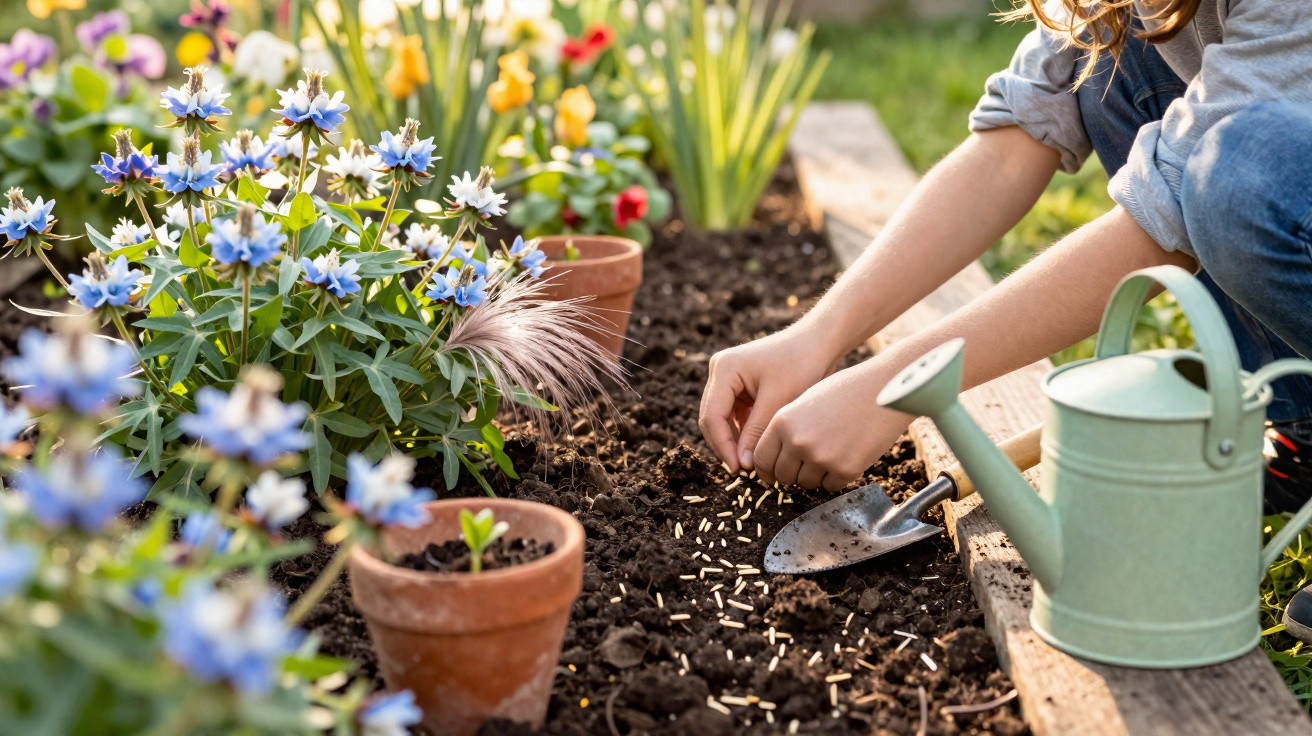
- scatter fresh grass seed over the exposed areas
- cover lightly with soil or sand
- keep evenly moist during the first few weeks
- apply a lawn-specific fertiliser in spring and autumn
A dense, well-nourished lawn lets very little light reach the soil - and that puts moss under far more pressure than any one-off trick ever could.
Why many gardeners choose bicarbonate of soda over vinegar or chemicals
Online, you’ll find countless suggestions involving vinegar or even harsh cleaning products. They can deliver quick visible results, but they often also damage soil life, earthworms, and surrounding plants. Vinegar in larger quantities, in particular, can disrupt the soil’s microbiome.
Bicarbonate of soda is noticeably milder and can be applied in small, targeted amounts. It isn’t completely harmless, but its effects tend to stay more confined to the treated area. Many gardeners see it as a practical middle ground between effectiveness and consideration for garden soil.
If you also commit to routine lawn care - from aeration and sensible mowing to targeted feeding - you typically won’t need chemical moss killers or aggressive household cleaners. The 75-cent tub of bicarbonate of soda becomes one part of a bigger plan: less moss, a stronger sward, and the simple pleasure of wanting to walk barefoot across your own lawn again.

Comments
No comments yet. Be the first to comment!
Leave a Comment