
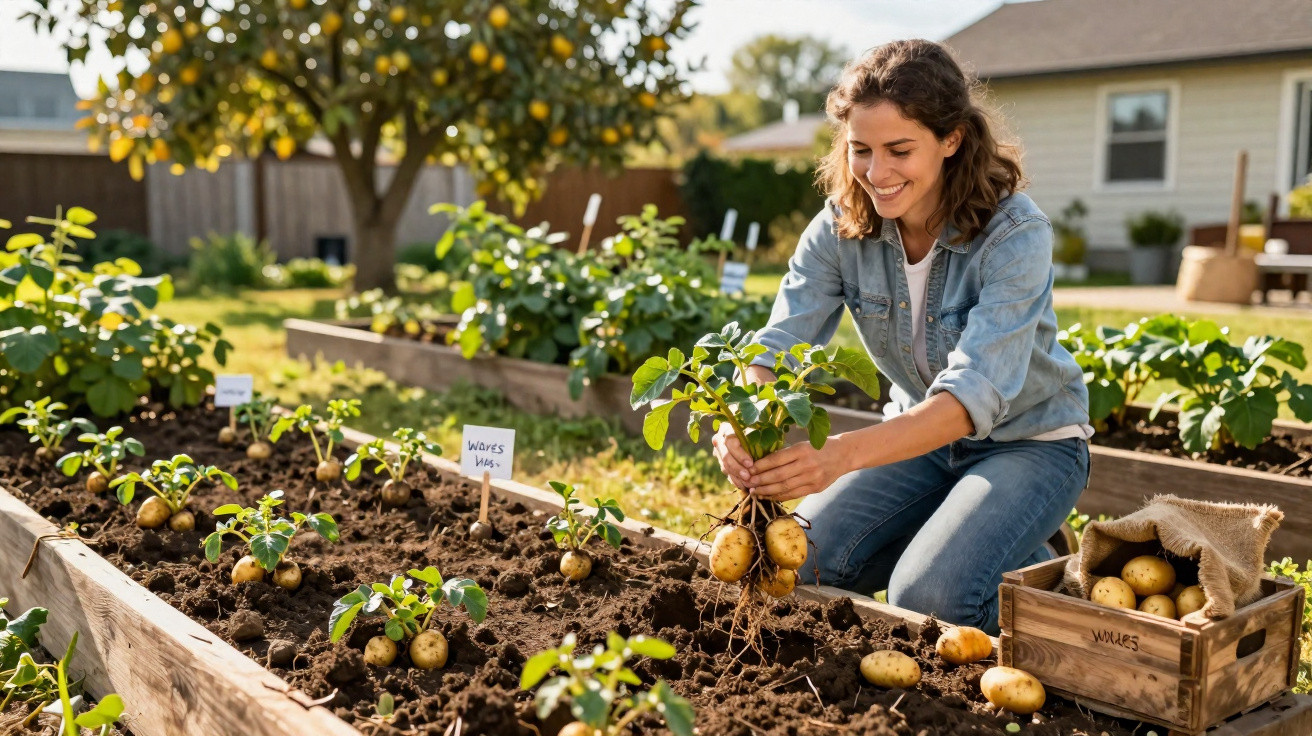
Many home gardeners would love a crop that doesn’t finish after three weeks, but keeps coming for months. The good news is you don’t need a professional greenhouse or a move to a warmer climate. One straightforward, often overlooked planting rule is enough to turn a potato bed into an almost year-round pantry.
Why most potato beds only produce for a short spell
In plenty of gardens, the pattern repeats itself every year: all the seed potatoes go into the ground in one weekend in spring. Summer brings one huge harvest - and then there’s nothing for months. That’s exactly where the key mistake sits.
Potatoes are highly sensitive to temperature and moisture. Below about 10°C they get going slowly, and prolonged heat can hold back tuber formation. If you plant everything in one go, you’ll get everything back in one go. That’s convenient for a single big harvest day - but not for keeping the kitchen supplied across the season.
"The length of the harvest isn’t determined by how much space you have in the bed, but by your planting rhythm."
That rhythm is precisely what this lesser-known, but very effective rule addresses: instead of planting once, you plant several times in small stages.
The golden rule: plant potatoes in waves
The method sounds almost too simple: don’t plant potatoes all at once, but in several waves about a fortnight apart. Garden professionals have worked this way for years - stretching the harvest without needing any extra ground.
How staggered planting works in day-to-day practice
Start the first round in spring once the soil is no longer frozen and has warmed to roughly 10–12°C. After that, add further rows at regular intervals.
- Round 1: depending on your area, late March to mid-April
- Round 2: around 10–14 days later
- Round 3: another 10–14 days later
- Optional Round 4: in warmer locations, right into June
Each planting wave pushes the harvest date a little further back. The result is that the potato basket doesn’t fill just once, but again and again - typically from June through to autumn.
"If you plant every two weeks in spring, you often end up harvesting for three months straight."
In cooler areas - such as upland regions - staggered planting begins later; in milder spots it can start earlier. What matters is that the soil is neither frozen nor covered in snow, and that it’s dry enough to work.
Site, soil and planting depth: the basics must be right
For the staggered system to deliver properly, the bed needs the right baseline conditions. Otherwise, the benefit of the clever timing is lost.
The most important requirements at a glance
- Full sun: potatoes thrive on light and warmth; part shade slows growth.
- Loose soil: ideally sandy loam, deeply loosened and well drained so waterlogging doesn’t develop.
- Humus and nutrients: work in mature compost or well-rotted farmyard manure in autumn or early spring.
- Slightly acidic pH: a value between about 5.5 and 6.5 is well tolerated.
For planting, shallow trenches work well. Make them about 12 cm deep and roughly 60 cm apart. Set seed potatoes at around 30 cm spacing, with the “eyes” facing upwards. Then cover lightly with soil and water in well so moisture stays even.
Mix varieties: from very early to very late
Staggered planting on its own lengthens the harvest, but combining varieties is what really amplifies the effect. Potato varieties differ noticeably in how long they take to mature.
| Variety type | Example | Maturity (approx.) | Use |
|---|---|---|---|
| Early | Charlotte, Amandine | 60–80 days | New potatoes from early summer |
| Second early | Annabelle, among others | 80–110 days | Main season in summer |
| Late | classic storage and floury types | 120–150 days | Harvest in autumn, supplies for winter |
If you combine these groups, you’ll lift tender new potatoes first, followed later by sturdy storage tubers. It creates a kind of chain: early potatoes from June, second earlies in high summer, and late potatoes in autumn for the winter store.
Potatoes in containers: extra mini-waves for balconies and patios
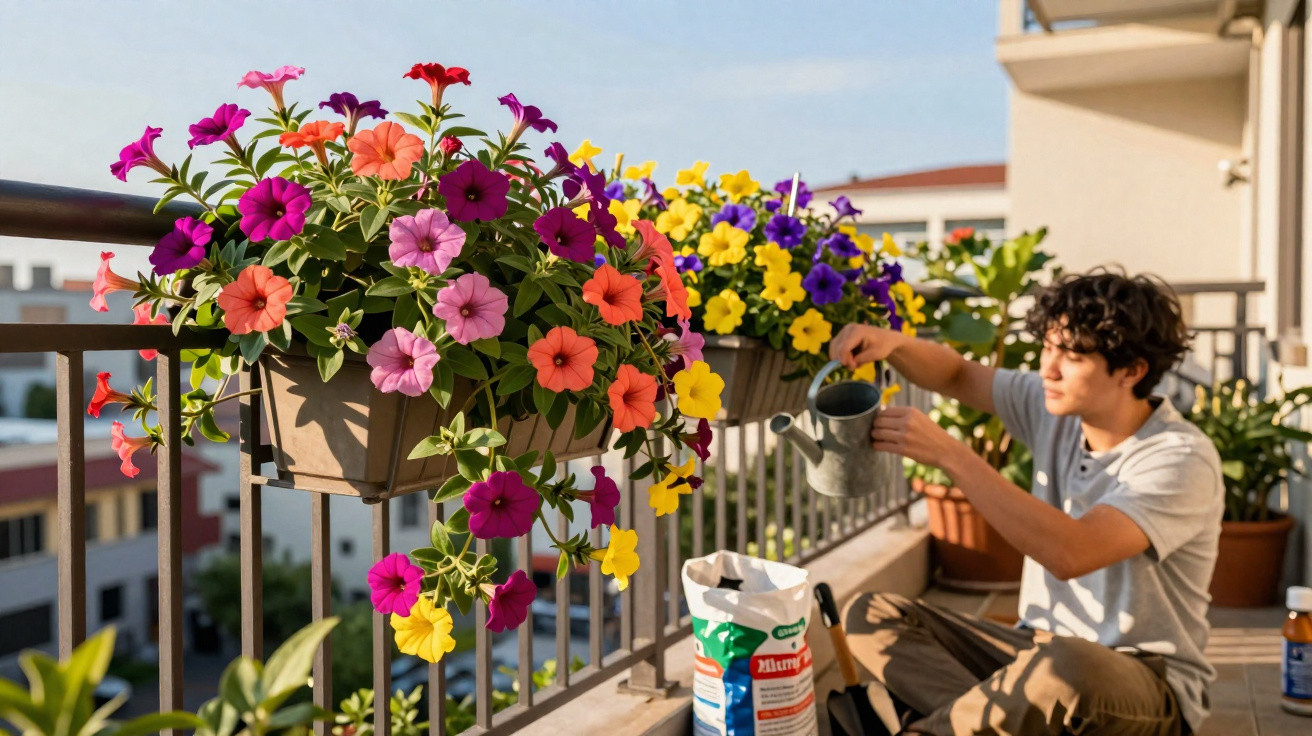
This “staggered” rule doesn’t only work in beds. Pots, growing bags and large buckets are also ideal for adding a few extra small harvest waves.
How to grow potatoes successfully in a pot
- Choose a container with at least 30–40 litres capacity.
- Add drainage at the bottom using expanded clay pellets or gravel.
- Mix loose vegetable compost with added compost.
- Plant 2–3 seed potatoes per container.
- Put the container in a warm, sunny position.
The advantage is flexibility: if late frosts threaten, you can shift containers to a sheltered wall or even move them into a garage for a short time. That can bring the start of the season forward - and in autumn, late plants can often stay outside longer because containers warm up more quickly.
"A few moveable containers turn a balcony into a flexible potato reserve."
Healthy soil through breaks and crop rotation
If you want to dig potatoes from your own garden for as much of the year as possible, you also need to protect soil health. Potatoes are heavy feeders, drawing plenty of nutrients from the ground, and they can encourage certain pests and fungal diseases.
That’s why a simple rule of thumb applies: plant potatoes on the same patch only every three to four years. In the meantime, grow other crops there - such as peas, beans, brassicas or salads. This significantly reduces the risk of issues like late blight, nematodes and Colorado potato beetle.
How close you can get to “potatoes all year round”
In Central and Northern Europe, outdoor growing can’t be truly continuous without a break. However, if you combine smart planting intervals, different varieties and good storage potential, you can close the gaps surprisingly well.
- Early potatoes provide fresh tubers for early summer.
- Second earlies secure supplies for barbecue and salad season.
- Late storage potatoes keep in a dark, cool place and often last into spring.
- Container crops bridge weather-related pauses.
With a cool, dry storage space - for example, a cellar with good air circulation - many late varieties keep for months. The autumn harvest can be stored in crates or wooden boxes, protected from light so the tubers don’t turn green.
Practical tips that make the difference
If you follow this strategy, a few simple habits make it work far better:
- Use a calendar: write down planting dates and expected harvest windows to keep track of each wave.
- Watch the forecast: if late frost is predicted, cover young plants with horticultural fleece or straw.
- Don’t forget to earth up: once the haulms are about 15–20 cm high, pull soil up around the plants. This shields tubers from light and encourages more growth.
- Water in moderation: potatoes like steady moisture but not waterlogged soil. Only water heavily during genuinely dry spells.
If you’re new to this method, start with half a bed and learn as you go. By the second year, you can usually improve the planting plan noticeably because you’ll know which varieties in your garden respond best to staggered planting.
Many families also find it useful to combine this with other vegetables: after early potatoes come out, you can replant the same space with quick-growing crops such as lamb’s lettuce or spinach while the soil is still warm. That keeps the area working efficiently, and your own mini “supply system” in the garden becomes stronger step by step.
Comments
No comments yet. Be the first to comment!
Leave a Comment