
A modest-looking perennial can knit your borders together so tightly that weeds barely get a look-in.
Anyone who tends a flower bed or the ground beneath trees knows the routine: you spend a weekend weeding, and before long the next wave of unwanted growth is already pushing through. With chemical weedkillers now largely off the table for home gardens, many gardeners want an option that works without toxins. That is where a tough, surprisingly undemanding perennial earns its place-spreading across the soil like a living carpet.
Living ground cover instead of chemicals: how one perennial slows weeds down
Garden advisers have been talking for years about “living mulch”: ground-cover plants that grow so densely they shade the soil and deny weeds both light and space. Used well, these plants can cut the emergence of wild weeds by 70 to 90 percent-without any sprays.
The idea: rather than fighting every single unwanted plant, permanently close the bare patches in the bed.
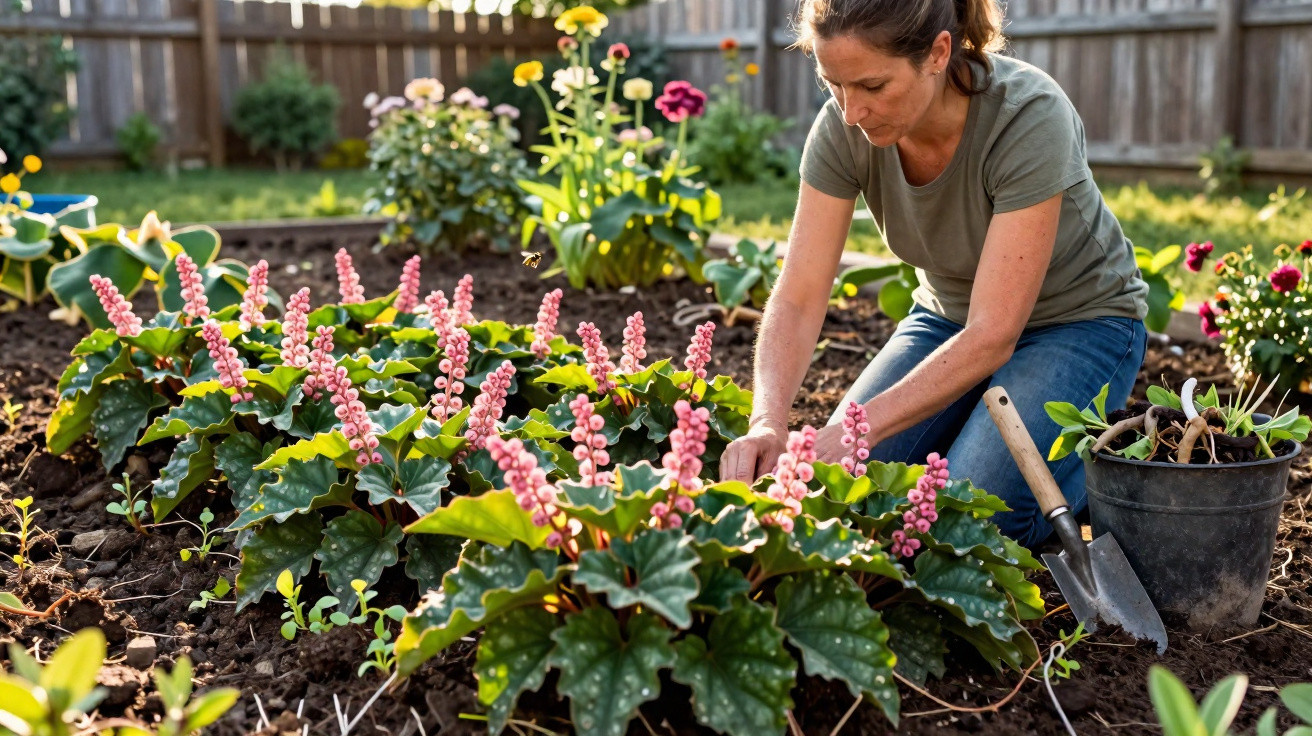
Among the many ground covers available, one perennial stands out in particular: the Bergenia hybrid, usually sold simply as “Bergenia”. It brings together several strengths that make it especially appealing for busy-or simply comfort-loving-gardeners.
- evergreen, thick leaves that cover the soil completely
- extremely hardy, coping with double-digit sub-zero temperatures
- early spring flowering with pink to purple panicles
- happy in sun, partial shade and even dry shade
- very little attention needed once established
Over time, its strong, leathery foliage forms a dense cushion. Light reaches the ground only through narrow gaps-so the odd seedling may still appear, but big mats of couch grass, chickweed or ground elder are far less likely to take hold.
Bergenia profile: straightforward, resilient and ornamental
Bergenia originally comes from mountainous regions of Asia, so it is well adapted to tough conditions. Several features make it such a good fit for domestic gardens.
Growth habit and appearance
Depending on the variety, a single plant reaches around 30 to 50 centimetres in height and spreads about 40 to 70 centimetres across. The leaves are rounded to spoon-shaped, thick and glossy green, with an almost rubbery feel. In cold winters many varieties take on red to purple tones, adding welcome colour to the border.
From early spring onwards, the plant sends up sturdy flower stems. At the tips sit dense flower heads in shades of pink, red or white. The blossom draws in bees and other insects early in the year, providing an important nectar source.
Position and soil
Bergenias rightly have a reputation as “problem solvers” for awkward spots:
- Sun: it manages well, provided the position is not extremely hot and dry
- Partial shade: ideal, especially at the edge of shrubs and trees
- Dry shade: even under large trees is possible, as long as the ground is not waterlogged
When it comes to soil, Bergenia is not fussy as long as excess water can drain away. A light improvement with compost is enough to create a dense carpet even in lean areas.
The right timing: when to reach for the trowel
In central European gardens, two planting windows are particularly suitable: spring and autumn. Spring-especially March and April-works well because the soil is still cool and moist, yet already warming up. Roots can establish calmly before summer heat arrives.
Anyone planting in spring often sees far fewer weeds between the perennials in the same year.
Autumn planting can also be very successful, particularly in areas with mild winters. The ground retains warmth after summer, and more frequent rainfall supports establishment.
Where Bergenia stops weeds most effectively
Because of its growth pattern, this plant suits almost any garden situation where bare soil looks untidy or creates extra work. It has proved particularly reliable in the following places:
- Border edges along paths: it helps stop grasses migrating from joints and cracks into the bed.
- Under deciduous trees: it gets ample light in spring and then continues steadily in partial shade.
- Slopes and banks: its dense root network helps stabilise the soil, while the leaves suppress weeds.
- Transitions to shrub edges: a green carpet that visually tidies up the end of perennial plantings.
- Rock gardens or natural stone walls: between larger stones it adds colour accents while covering bare earth.
In very dark, damp corners, Bergenia grows more slowly. In those spots, it pairs well with tough companions such as cranesbill or periwinkle, so the planting still closes into a seamless cover.
Step by step: creating a long-lasting Bergenia carpet
Preparing the ground
Before anything goes into the soil, a bit of groundwork pays off. Starting thoroughly means far less trouble later on:
- Remove existing weeds including their roots, especially runners such as ground elder.
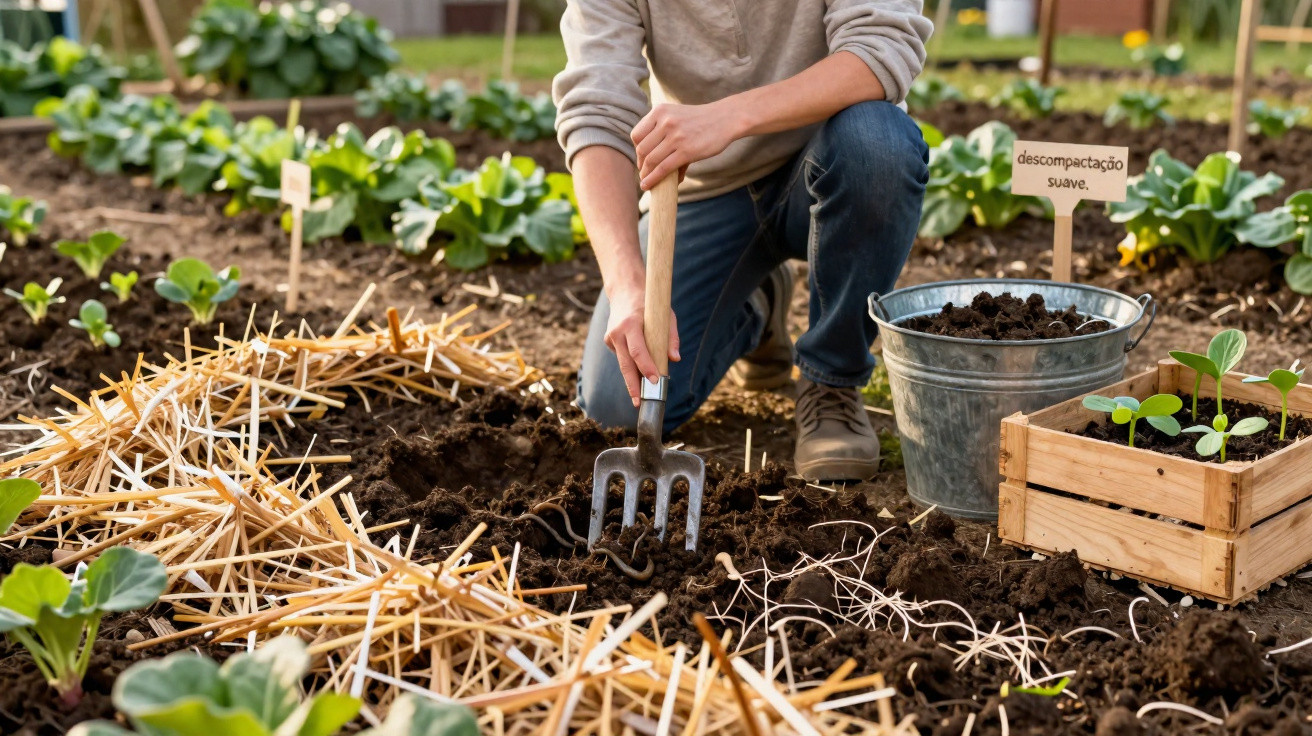
- Loosen the soil to a depth of about 20 centimetres, taking out stones and leftover root pieces.
- In very heavy soils, work in sand or grit; in poor soils, mix in well-rotted compost.
Then dig the planting holes. Make them a little wider than the root ball so the roots can grow into the surrounding soil more easily.
Correct spacing and first-year care
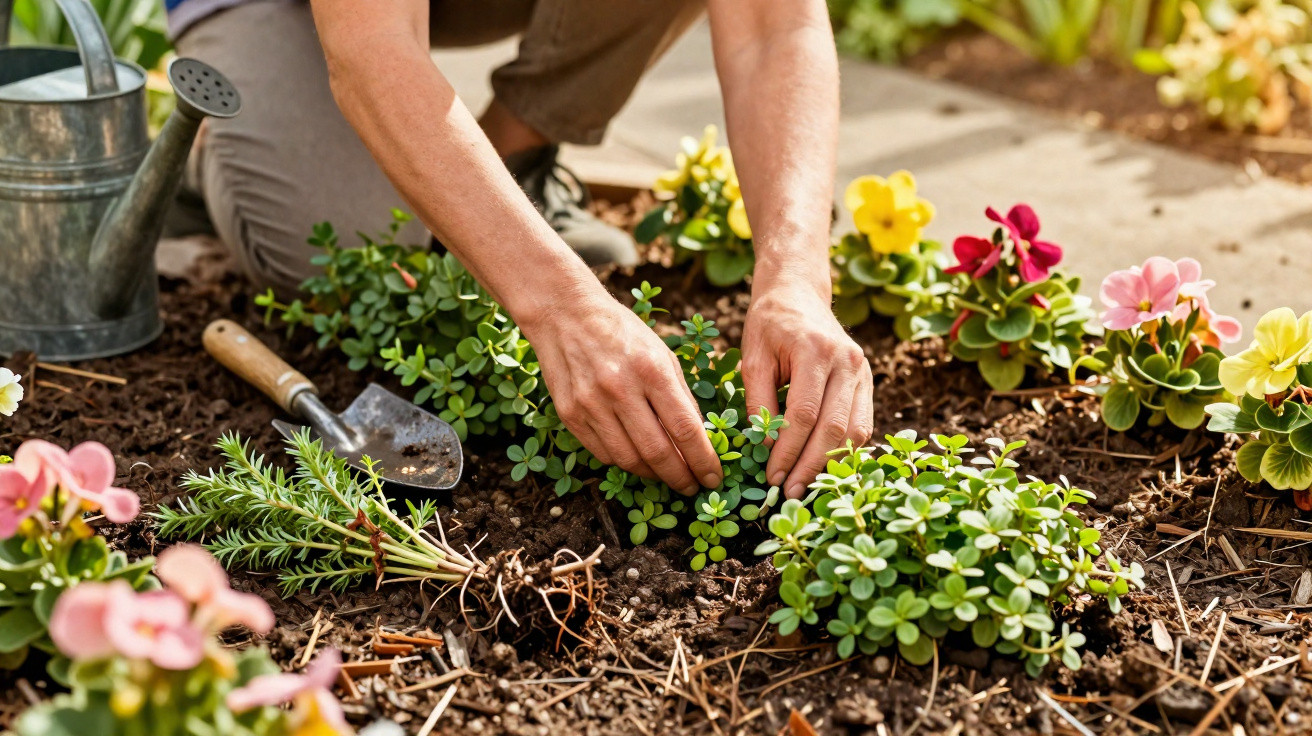
For a closed carpet, a spacing of around 35 to 40 centimetres between plants has proved effective. If you want the area to fill in particularly quickly, plant closer together-although that obviously increases the number of plants needed.
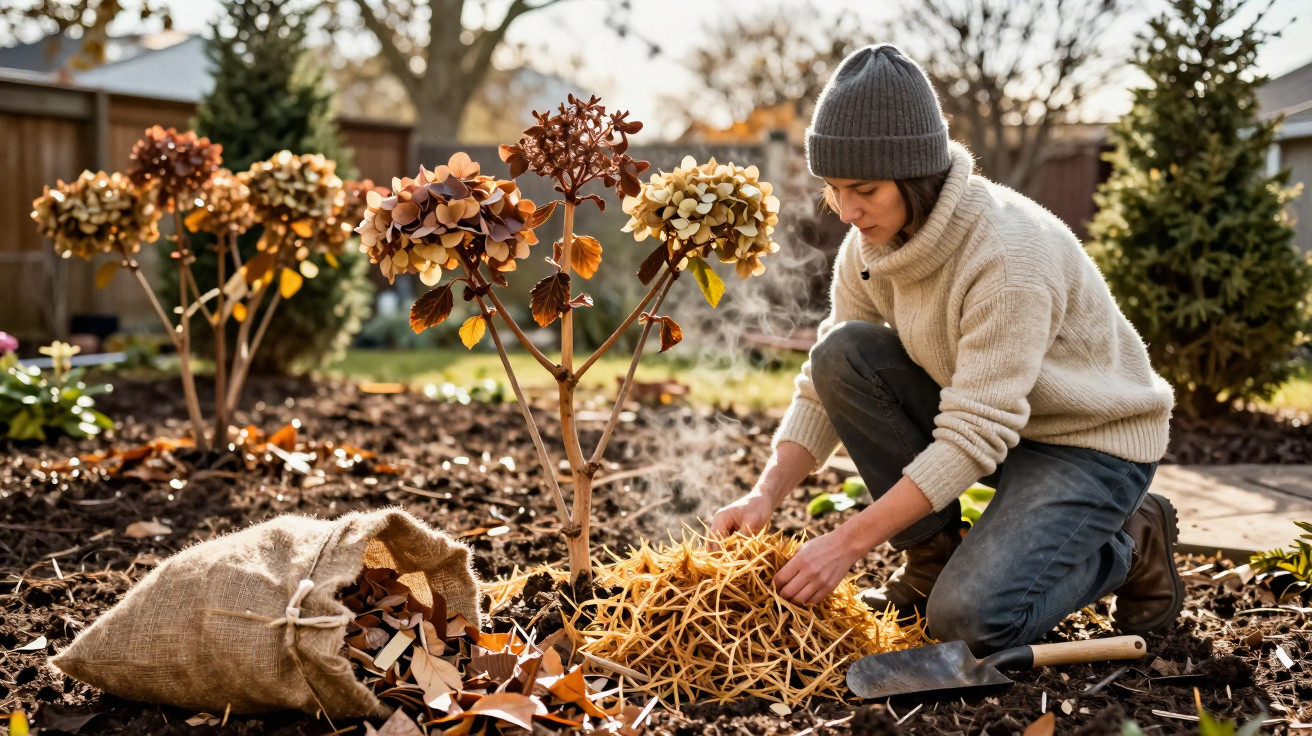
When planting, keep the root ball at the same depth it sat previously; the join between root and stem should be level with the soil surface. Firm the soil, water thoroughly, and finally apply a light mulch such as fine bark humus or leaves.
The most important care in the first year: water regularly but moderately, keeping the soil fresh without making it soggy.
Once the plants are well rooted, they manage with much less water. After that, it is usually enough to give the area an occasional watering can during extended dry spells.
Keeping Bergenia strong over the long term
Once the carpet has closed, this plant becomes a notably low-maintenance garden companion. A few simple tasks help it stay vigorous for many years:
- cut off spent flower stems to direct energy into leaves and roots
- remove withered or heavily damaged leaves in spring
- divide larger clumps every three to five years and replant
Division is remarkably straightforward: use a spade to slice off part of the clump, lift sections with several leaves and roots, and replant them elsewhere. This refreshes the planting and allows you to spread it gradually around the garden.
What gardeners should consider when combining plants
Bergenias look particularly effective as a contrast to finer foliage and delicate flowers. In mixed perennial borders they work well with:
- grasses with narrow leaves
- spring bulbs such as tulips and daffodils
- sun-loving perennials behind them, for example delphiniums or daylilies
The key point is that taller plants should not be completely overrun by the Bergenia. A little extra spacing-or a narrow unplanted strip around more delicate perennials-is usually enough.
Why this perennial also scores points ecologically
Choosing to garden without chemicals protects soil life, insects and groundwater. A dense plant cover helps keep soil temperature steadier, reduces evaporation, and absorbs heavy rain better than bare ground. Earthworms and other soil organisms benefit from the more stable conditions.
Its early flowers provide nectar for pollinating insects at a time when other food sources are still scarce. That makes the plant not only a weed blocker, but also a small building block for greater biodiversity in built-up areas.
So anyone who rethinks their borders from the ground up can save time, water and frayed nerves in the long run. Instead of reaching for the hoe every spring, living ground covers such as Bergenia do the job quietly in the background-dependable, day after day, with very little effort.

Comments
No comments yet. Be the first to comment!
Leave a Comment