
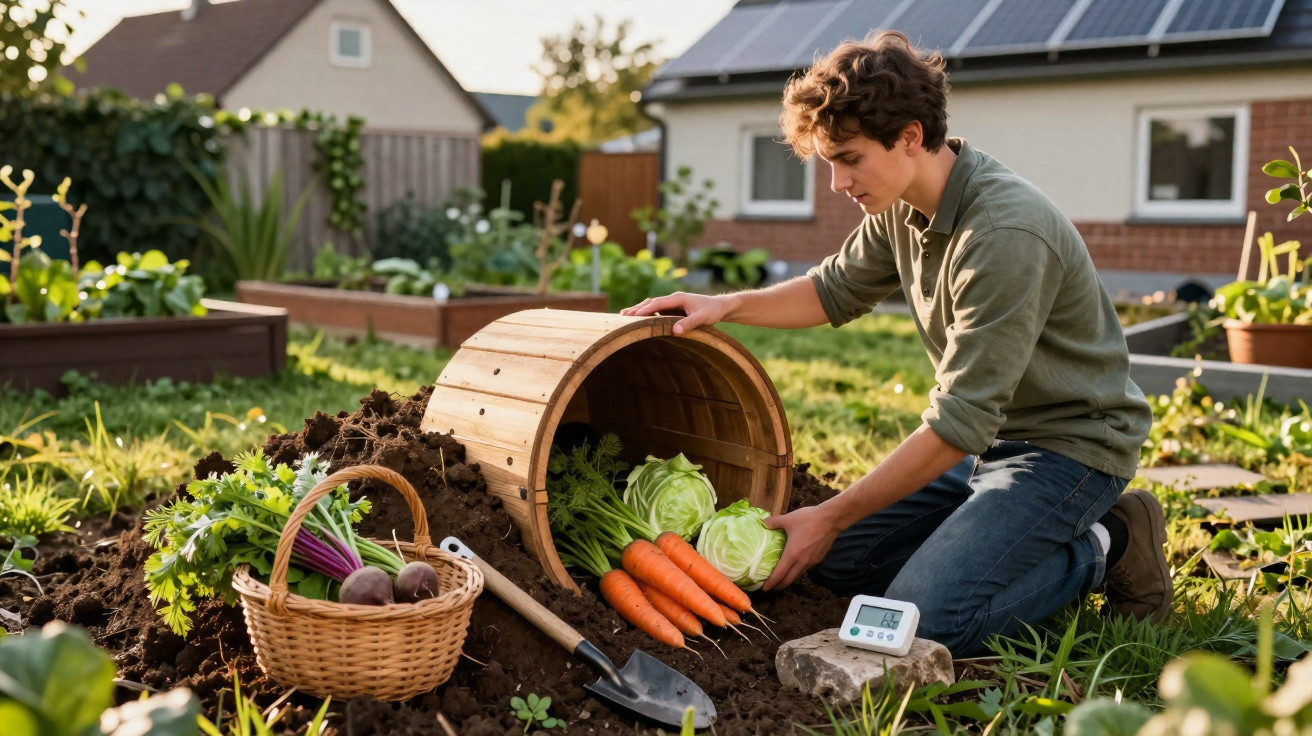
Gardeners and small-scale growers across Europe and North America are rediscovering an unexpectedly simple way to keep crops going through winter: a buried vegetable silo, often known as an earth clamp or root cellar silo. This once-standard farm practice can hold carrots, beetroot or potatoes for months, all without using a single watt of electricity.
The quiet comeback of the earth silo
Food culture in 2026 tends to focus on apps, AI-driven meal planning and ever-smarter kitchen kit. Meanwhile, in gardening forums and homesteading circles, a different set of tags is gaining traction: #earthsilo and #rootclamp. The method is refreshingly direct: excavate a space, add insulation, pack in vegetables, and rely on the ground to do the cooling.
A few pressures are feeding this return. Energy prices continue to fluctuate, winters feel harder to predict, and more people want a measure of food independence. Many who started growing during lockdowns are now looking for ways to carry that effort beyond the first frost.
The earth silo sits halfway between a fridge and a tiny underground pantry, using stable soil temperature instead of electricity.
Compared with a standard refrigerator-which can dry produce and depends on uninterrupted power-a properly made silo draws on the soil’s natural coolth and humidity. It keeps roots crisp and stores staple calories exactly where previous generations kept them: beneath their feet.
How an earth silo actually works
Underground, temperatures shift gradually rather than dramatically. In temperate climates, once you get down a few dozen centimetres, winter soil often stays in the 0 to 4°C range-just above freezing-even when the air temperature swings sharply. That steady, near-freezing band is ideal for many root crops.
An earth silo is essentially a small, managed “pocket” within the ground. Insulating materials such as straw, dry leaves or sand help shield the harvest from frost, excess damp and pests. Done well, it forms a microclimate that lets roots stay firm, sweet and nutrient-rich for months.
Instead of fighting winter, the silo uses it: cold enough to slow decay, not cold enough to damage the harvest.
Which vegetables actually store well
Silos are not suited to every crop. Leaves tend to shrivel; tomatoes break down. The real winners are roots and storage vegetables that are already adapted to darkness and cool soil conditions.
- Carrots
- Beets and beetroot
- Parsnips
- Turnips and rutabagas
- Celeriac (celery root)
- Potatoes (non-early, firm varieties)
- Black radish and winter radish
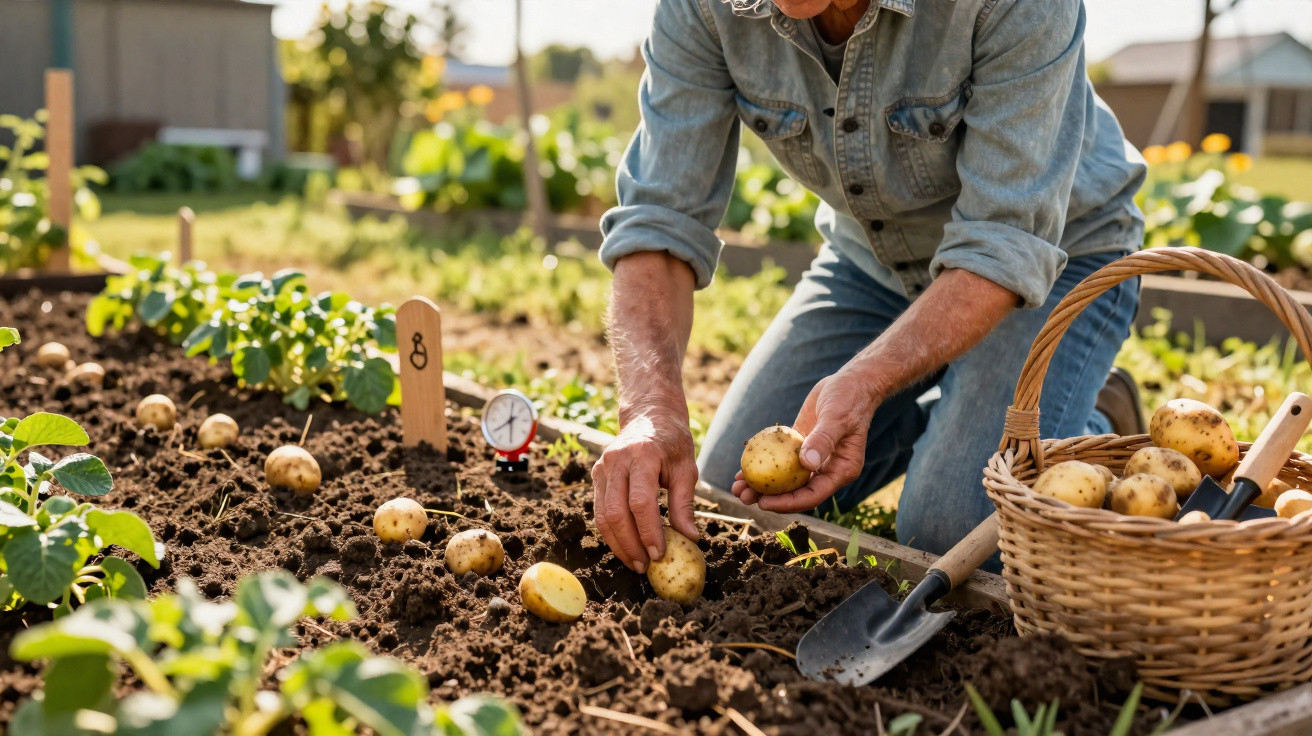
Most growers lift these on a dry day. They knock off heavy soil but generally don’t wash them, as additional surface moisture can accelerate rot. Leaves are usually cut back to a few centimetres above the crown so the vegetable stops trying to grow and instead settles into storage.
Vegetables that should not go in
Some produce typically performs poorly in a silo and is better kept elsewhere indoors:
| Not ideal for a silo | Better storage method |
|---|---|
| Onions and garlic | Cool, dry, very airy room or hanging nets |
| Winter squash and pumpkins | Dry shelves at 10–15°C, not buried |
| Apples and pears | Boxes in a cool shed, wrapped or spaced |
| Leafy greens | Short-term fridge or cold frame outside |
Three main silo styles gardeners use in 2026
The classic buried silo
This is the most discreet and generally the most thermally reliable approach. Home gardeners commonly:
- Choose a free-draining, slightly elevated site away from places where water collects.
- Dig a pit roughly 50–70 cm deep, scaled to the amount you want to store.
- Add a deep base layer of straw, dry ferns or wood shavings for insulation.
- Arrange vegetables in loose layers (never pressed down), separating them with straw or slightly damp sand.
- Cap it with a substantial cover-boards or a lid-then a waterproof layer, then more straw and sometimes a final layer of soil.
Straw helps buffer small changes in moisture and prevents bruising. Sand gives support and can moderate humidity. The essentials are gentle contact without crushing, and avoiding any pooling water.
The surface bunker for difficult ground
Some sites simply aren’t suitable for digging: rock close to the surface, heavy clay, or rented plots where excavations aren’t allowed. In those situations, a surface version works more like a low, insulated store on top of the ground.
Typically, people form a simple enclosure from wooden pallets, reclaimed boards or concrete blocks. They line the base with straw, stack the vegetables with insulating layers between, then drape the entire structure with a waterproof sheet and a thick layer of straw or leaves. In colder areas, an added “roof” of scrap metal or plastic is sometimes used to throw off rain and snow.
The surface silo trades a bit of thermal stability for accessibility: no shovel needed in mid-January to grab a few carrots.
The recycled washing machine drum
A more striking 2026 trend is repurposing the perforated stainless-steel drum from an old washing machine. Its ready-made cylinder becomes a compact storage container.
Growers either sink it partway into the ground or keep it on the surface, pack it with alternating layers of roots and straw, and top it with a lid or a heavy-duty tarpaulin. The drum’s holes encourage airflow while discouraging rodents. The round form also sheds some water, and the metal is robust enough to last for years.
Daily life with a silo: routines and risks
Although the concept is straightforward, it benefits from occasional checks during the storage season. Many seasoned users set a prompt every two or three weeks to look in on their underground pantry.
- Any vegetables that have softened or developed mould are removed before spoilage spreads.
- The insulation is checked by hand: waterlogged straw is replaced, and any icy crust is broken up.
- In hard frosts, the silo is kept open only briefly to prevent sudden temperature changes.
The biggest hazards are still water getting in, rodents, and unintended freezing during extreme cold snaps. Practical tweaks can reduce the chances: create a slight fall to carry rain away, add fine mesh below and above the store, and use a doubled layer of straw and tarpaulin when deep frost arrives.
The principle stays simple; the craft lies in adaptation: to your soil, your climate, and the size of your harvest.
Why 2026 gardeners care about this low-tech trick
Beyond the nostalgic appeal of “grandparents’ methods”, the earth silo speaks to present-day worries. Many households want less reliance on round-the-clock refrigeration. Preppers and city growers aim to build a few weeks of food resilience. Families watching their spending want to avoid losing crops they worked hard to grow.
For people who eat a lot of vegetables, traditional winter storage can take a noticeable bite out of energy costs. A large fridge often ends up running mainly to keep produce cool. Moving bulky roots and cabbages outside creates space indoors and can lower both running costs and wear on appliances.
Nutrition is part of the story as well. Roots that finish maturing in autumn chill and then rest in a silo often keep their texture and sweetness. Some gardeners say carrots stored in sand beneath the soil taste less “fridgey” and stay crunchier well into February.
Who benefits most from a DIY silo
In 2026, this approach fits several types of grower:
- Backyard gardeners with extra carrots, beetroot or potatoes.
- Community gardens aiming to supply soup kitchens later in winter.
- Small farms that want to offer winter veg boxes without enlarging cold-storage capacity.
- Rural households dealing with power cuts and grid instability.
Even a small clamp holding only one or two crates of roots can transform winter cooking. Instead of relying on frozen packets or imported vegetables, families can pull from their own stores for stews, roasts and purées.
Going further: combining storage methods
Many experienced growers avoid putting all their trust in one system. A silo outdoors is often used alongside a cool cupboard, a small chest freezer and a ventilated pantry. Potatoes might stay underground, onions may hang in nets in the garage, and squash can sit on shelves in a spare room.
This layered approach spreads the risk. If persistent rain floods part of the plot, only a portion of the harvest is threatened. If an indoor freezer fails, the underground reserve is still available. Each crop ends up in the place where its biology keeps it best.
Practical exercise for new gardeners
For newcomers, a trial run is a sensible way to learn before storing a whole crop. One easy option is to keep a single bucket of carrots and beetroot in a mini-silo made from a large plastic tub with holes drilled into the sides and base, half-buried in soil and filled with damp sand.
Watching those roots over three winter months teaches practical lessons: how quickly the sand loses moisture, whether mice are active in that part of the garden, and how local weather patterns influence soil temperature. Those observations can then inform a larger, better-designed structure the following season.
Beyond vegetables: a gateway to low-energy habits
The renewed interest in the earth silo sits alongside other subtle shifts: herb racks on windowsills, solar dehydrators, shared seed libraries and neighbourhood compost points. People who begin by burying a couple of crates of roots often start reconsidering how many kitchen devices truly need to run all day.
From a policy perspective, these small, household-scale solutions rarely draw attention, but their collective impact can be meaningful. If a row of townhouses each avoids running one oversized fridge, local energy demand drops. If community gardens maintain winter clamps, fresh produce can stay accessible for vulnerable residents without major infrastructure.
As 2026 continues with its blend of high-tech food systems and smart appliances, the earth silo offers a different lesson: sometimes an older, half-forgotten method still works-quietly and effectively-just below the surface.
Comments
No comments yet. Be the first to comment!
Leave a Comment