
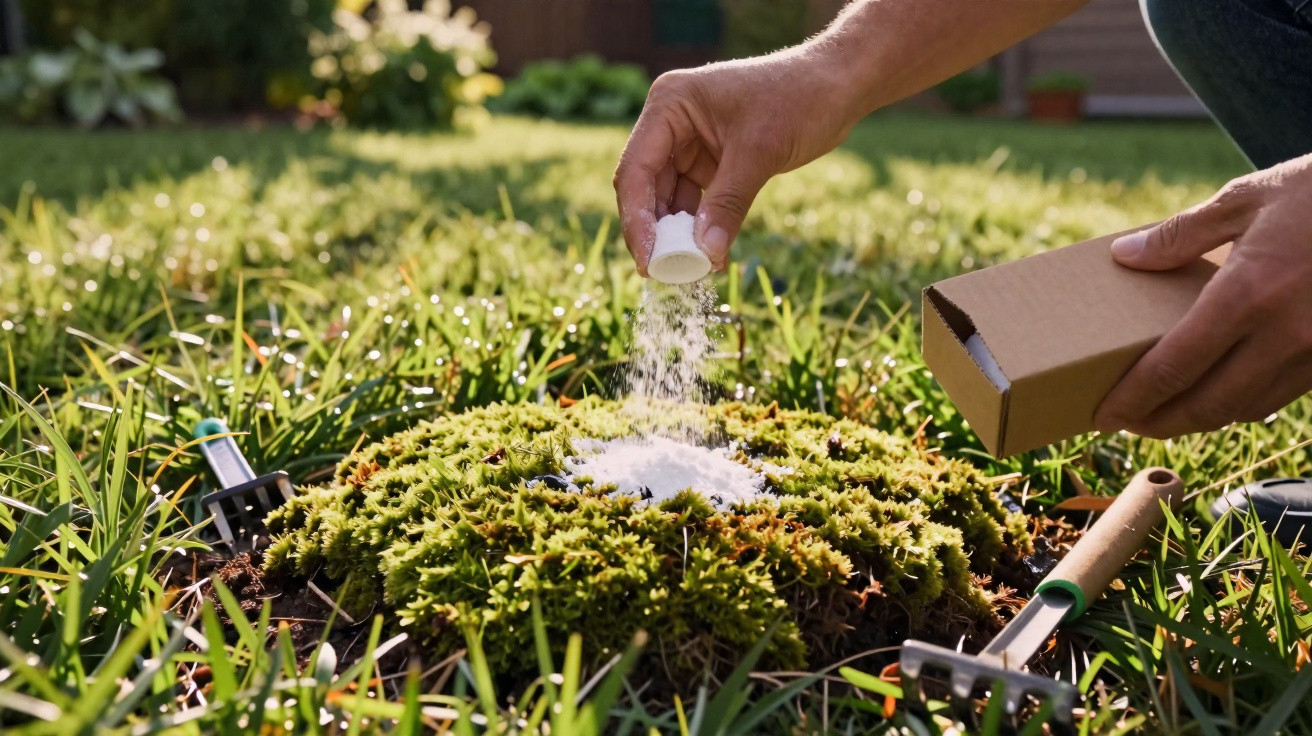
Heading into the garden in spring can bring an unpleasant surprise: instead of a lush green lawn, you’re met with a soft, dark layer of moss. The ground looks waterlogged, feels spongy underfoot and is anything but inviting. For many people, harsh chemicals or digging everything over isn’t an option. That’s exactly why a simple trick-currently making the rounds in the UK-is attracting so much attention.
When the lawn turns into a moss carpet
Moss in a lawn isn’t a sign you’ve been lazy; it’s a signal that the soil is under strain. Moss takes advantage of every weakness in the grass without mercy. Common triggers include:
- constantly damp areas that don’t dry out properly
- compaction from frequent footfall or heavy equipment
- lots of shade from trees, hedges or buildings
- grass cut extremely short
- acidic soil with a low pH
After wet winters, grass often struggles to grow with any real vigour. Moss, on the other hand, thrives: low light, plenty of moisture and very little competition. When you finally look closely in spring, you may find a thick cushion that has quietly spread for months.
If you simply leave it, some of the moss may die back in summer-but it often leaves ugly bare patches behind. That’s why many home gardeners look for an approach that stops moss reliably, doesn’t permanently harm the lawn and doesn’t burden the soil.
The 75p kitchen-powder solution
A tip currently doing the rounds in British gardening forums and media sounds almost too straightforward: bicarbonate of soda-ordinary bicarbonate used for baking or household cleaning. In discount shops it can cost well under a pound.
The idea is simple: dissolve a few tablespoons of the powder in water in a pump sprayer. Then spray the mixture directly onto the mossy areas-ideally on a warm, dry day so the lawn isn’t put under extra stress.
"A cheap everyday ingredient from the kitchen is enough to visibly dry out moss cushions in the lawn-without using vinegar or chlorine cleaners."
Gardeners who’ve tried it say the moss dries out and turns brown within a few days. The surrounding turf can usually recover after a brief shock. The key is not to spray large areas indiscriminately, but to treat only the patches where moss is actually present.
Step-by-step: how to use bicarbonate against moss
If you want to try this method, it’s best to be methodical and start with a small test patch. Here’s how to do it in practice:
- Wait for dry weather: Choose a warm day with no rain, so the solution can stay on the leaves.
- Mix it up: Add two to three tablespoons of bicarbonate to a standard garden sprayer filled with water, then shake thoroughly.
- Treat only the moss: Spray the affected spots precisely. Avoid flower beds and ornamental plants.
- Watch what happens: After two to three days, the moss shifts from green to yellowish-brown and begins to dry out.
- Rake it out: Remove the dead material with a rake and dispose of it with garden waste.
- Repair the gaps: Lightly loosen any bare areas, overseed if needed, and water in.
If you apply too much or spray in harsh, blazing sunshine, you can scorch the grass. When in doubt, use a weaker dose and increase gradually. The rule is always the same: trial a small corner first before treating the whole garden.
Why does bicarbonate work on moss?
The precise effect depends on concentration and location, but the general mechanism is clear: the salt alters conditions on the leaf surface. Moss is more sensitive to this than most lawn grasses. Its cells dry out, and the patch collapses. Grass roots sit deeper and tend to be more resilient-as long as the solution isn’t heavily overdosed.
Unlike aggressive chlorine products or highly concentrated acids, this approach uses a substance that’s widely used around the home anyway. That still doesn’t mean it should be used carelessly: even supposedly “gentle” remedies can damage plants when applied in high doses.
Only treating the symptom: how to prevent moss coming back
The powder removes visible moss, but it doesn’t fix the underlying cause. If you don’t change the lawn’s growing conditions, the next wet winter will likely bring back the same problem. That’s why experts recommend a year-round plan that strengthens the grass.
Relieve compaction and improve aeration
Compacted ground is a dream scenario for moss. You can loosen the soil with a few straightforward measures:
- lightly scarify in spring to remove thatch and old plant debris
- use a garden fork or an aerator to punch holes in heavily trodden areas
- brush sand into the holes so rainwater drains away more easily
This effort is particularly worthwhile on heavy, clay-rich soils. The ground dries more quickly, roots get more air, and the risk of moss reduces.
Mow correctly and check the pH
Another familiar mistake is cutting the lawn too short. Chasing a golf-course finish in summer puts grass under severe strain. Roots stay shallower and the plants have less strength to fight back.
A useful rule of thumb is to mow a little higher-around 4 to 5 centimetres-and cut regularly. That way the grass shades the soil slightly and denies moss the space it needs.
The pH also matters. Many lawns become more acidic over time, for example due to acid rain or decaying leaves. A simple soil test from a garden centre will show where you stand. If the value is too low, a targeted application of lime in late winter or early spring can help. More neutral soil supports grass growth, while moss tends to cope less well.
Fertiliser, overseeding and care: strengthen the lawn instead of feeding moss
A dense, healthy lawn is the best moss prevention there is. Thin, open turf is quickly taken over by moss and weeds. That’s why an anti-moss plan should include a sensible nutrient routine:
- apply an appropriate lawn fertiliser in spring
- overseed bare patches after removing moss
- avoid mowing in extreme heat in midsummer; choose cooler days
- during dry spells, water less often but more deeply
By following these steps, you gradually improve the lawn’s ability to compete. Moss then has far fewer opportunities to spread.
Where bicarbonate reaches its limits-and what gardeners should watch for
Not every area is suitable for bicarbonate. On very young lawns, freshly sown sections, or close to sensitive perennials and groundcover plants, the risk increases that desirable plants could also be harmed.
This technique is most useful where tight moss nests have formed-such as in shaded corners under trees or along persistently damp, north-facing sides of a house. If you need to treat larger areas, it’s wiser to mix a much weaker solution and proceed with patience.
There’s also a bigger point: bicarbonate is no substitute for long-term lawn management. Without improved drainage, a better mowing height and proper nutrition, the green cushion will return sooner or later. In other words, the powder is a tool in the kit-not the entire solution.
Extra tips for tricky parts of the garden
In deeply shaded spots, it can be worth asking a more radical question: does traditional lawn really need to grow there? Shade-tolerant groundcovers, bark-mulch paths or small seating areas can permanently take the pressure off difficult zones. That can spare you the ongoing frustration of moss and brown patches.
If you want to tackle the issue more thoroughly, it helps to learn about concepts such as “soil structure”, “drainage” and choosing plants suited to the site. Many local councils and gardening clubs offer advice sessions where home gardeners learn how to read their soil. With that knowledge, it’s easier to use simple household remedies like bicarbonate sensibly and responsibly-and to turn your lawn into a robust, hard-wearing green space over the long term.




Comments
No comments yet. Be the first to comment!
Leave a Comment