
Anyone with a narrow terraced-house garden, a mini patio or a tucked-away courtyard will know the dilemma: you hesitate to plant a shrub because you fear it will turn into a green monster that eventually swallows the whole space. The result is often the same - a few perennials, a couple of pots - and by July the display can start to look sparse and tired. That is exactly where a lesser-known flowering star earns its place: it delivers a surprising amount of impact without demanding much room.
The compact, long-flowering plant with a bold colour hit
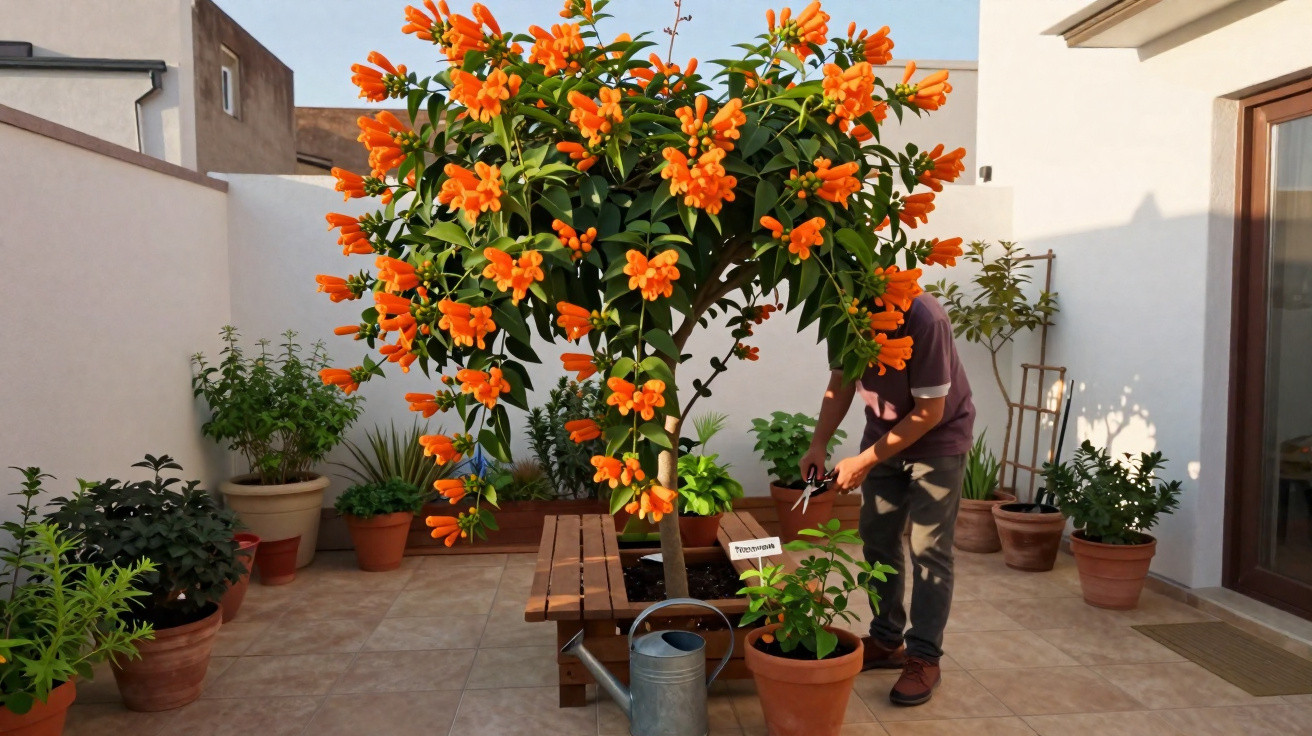
The ornamental plant in question is Tecomaria ‘Cape Town Orange’. Botanically, it sits within the trumpet-vine family and comes from warmer parts of the world. Think of it as a scaled-down version of a shrub that is normally far larger - and that’s precisely why it’s so useful in small gardens.
"Tecomaria ‘Cape Town Orange’ stays compact, flowers for months, and still looks like a ‘proper’ shrub."
In typical conditions it grows to around 1.50 metres in height and roughly 1.80 metres in width. That may sound generous, but for a shrub it’s refreshingly controlled. Rather than throwing out rampant runners, it forms a dense, cushiony, bush-like shape that gives beds definition without visually overpowering them.
Its strongest selling point is the bright orange clusters of flowers. The trumpet-shaped blooms generally start appearing from around May and, depending on the climate, keep going well into autumn - and in very mild areas, sometimes even longer. That extended flowering period means the garden doesn’t peak and fade after a few weeks; it stays eye-catching deep into the season.
Why this particular shrub lifts small gardens
In slim city plots, the magic formula is simple: compact, low-effort, and decorative for the long haul. Tecomaria delivers on all three.
- Moderate size: not a dominating giant, but a manageable shrub.
- Long flowering season: colour from spring to autumn, not a brief one-off show.
- Structure: its dense habit neatly frames seating areas, paths or raised beds.
- Minimal upkeep: once established, it needs relatively little water.
- Insect-friendly: nectar-rich flowers attract bees and butterflies.
That combination makes it a strong solution for the usual awkward spots: the corner beside the patio, the edge of a driveway strip, a sunny wall, or the gap between neighbouring plots. One plant can act as a vivid anchor; three in a row can read as a small, contemporary ribbon of colour.
Position, climate and soil - where Tecomaria thrives
Because it originates in warmer regions, this plant is often described in horticultural terms as a tropical, perennial ornamental. In very mild climates - broadly comparable to USDA zones 9 to 11 - it can remain evergreen all year and may even continue flowering through winter.
Across much of Central and Northern Europe, winters are noticeably colder. In practical terms:
- In mild wine-growing areas or sheltered inner-city locations, it can sometimes get through winter outdoors with solid winter protection.
- In harsher areas, it’s best grown in a large container that can be moved to a protected place over winter.
The ideal position is full sun. In extremely hot regions, a touch of light shade at midday is welcome. The soil should be free-draining yet not bone-dry. It copes far better with short dry spells than with waterlogging.
| Factor | Requirement |
|---|---|
| Light | Full sun to light partial shade |
| Soil | Humus-rich, well-drained, evenly moist |
| Water needs | After establishment, fairly low; water during hot spells |
| Climate | Mild spots outdoors; otherwise container growing with winter protection |
How to plant and care for the shrub properly
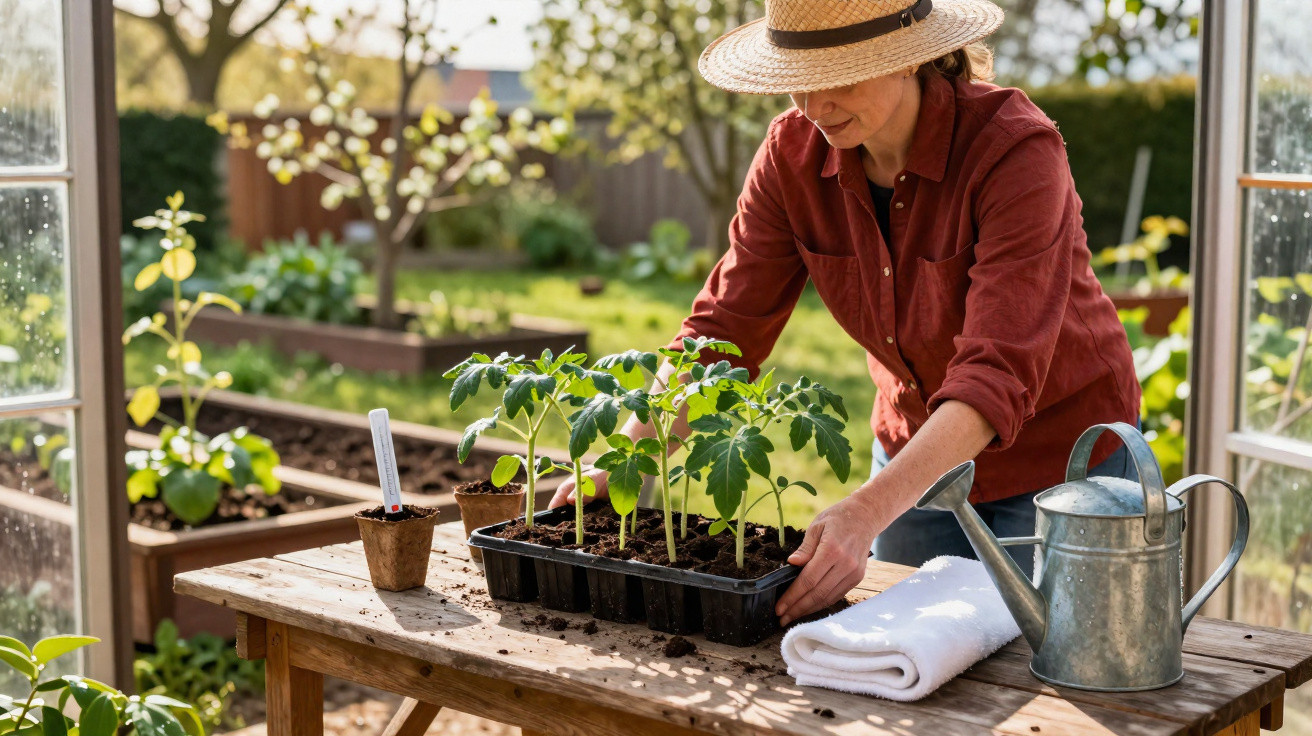
Spring is the best time to plant. That gives the shrub a full growing season to build roots before its first winter arrives.
Step-by-step planting guide
- Dig a planting hole about twice as wide as the pot/rootball.
- Loosen any compacted soil at the base so excess water can drain away more easily.
- Set the plant so the root flare sits level with the surrounding soil - not deeper.
- Backfill with a free-draining mix and firm gently to remove air pockets.
- Water thoroughly so soil and roots settle into good contact.
- Add a 5–8 cm mulch layer, keeping it away from the stem.
During the first couple of years, don’t let the soil dry out completely in summer. Once well rooted, Tecomaria is impressively restrained in its water use - provided it isn’t struggling in a tiny pot. A spring feed with a general-purpose garden fertiliser or well-rotted compost is usually enough to support strong flowering.
Pruning: keeping the plant compact and floriferous
If left unpruned, the shrub can start to look a little untidy and put its energy into long shoots. A purposeful prune after the main flowering flush makes it easy to keep in shape.
"A confident cut back after flowering encourages new branching - and therefore more flowers the following year."
In practice, that means:
- Remove any dried-out or frost-damaged shoots completely, cutting back into healthy wood.
- Shorten overly long, thin growth by roughly one third to one half.
- Cut to strong, outward-facing buds so the plant branches out rather than crowding its centre.
If space is extremely limited, you can cut back harder. The plant generally responds with vigorous regrowth, forming a rounder, denser bush. A severe prune after a hard winter can also help if the top growth has suffered badly - it can restart from the base, as long as the roots haven’t been killed by frost.
Winter protection and risks in cooler climates
In areas that get proper frost, the obvious question is whether Tecomaria will cope. In general, the top growth is more frost-sensitive than the root zone - and a little support can make a big difference.
Helpful measures include:
- A thick mulch layer of bark chips, leaves or straw over the root area.
- When cold snaps are forecast, cover the shrub with horticultural fleece or a hessian sack.
- For container plants, move the pot close to a house wall in winter and add extra insulation around the container.
The biggest risk is waterlogging combined with frost. If the plant sits in wet soil all winter, the roots and crown can quickly suffer. A free-draining site with a slight fall, so rainwater can run away, is a safer option.
Ideal for wildlife-friendly, low-maintenance gardens
The nectar-rich trumpet flowers provide valuable food for many insects. If you want to encourage honeybees, solitary bees and butterflies, Tecomaria pairs well with other pollinator-friendly plants such as lavender, sage or catmint. The result is a lively, buzzing garden that still looks intentional rather than overgrown.
A useful point for rural settings: in its native range, the shrub is considered less attractive to deer. That makes it an interesting choice for front gardens and boundary areas where wildlife regularly passes through. It isn’t a guarantee, but it does reduce the chance of the shrub being stripped compared with some other ornamentals.
Practical ideas: where this shrub looks best
If you’re unsure where it should go, these common scenarios are a good starting point:
- Next to the patio: a single specimen creates a colourful backdrop behind a seating area.
- Along a fence: two or three plants make a relaxed, low flowering hedge.
- In a pot on a balcony: in a suitably large container with a drainage layer, it reads as a Mediterranean-style focal point.
- By the front door: one plant on each side of the steps gives a welcoming look.
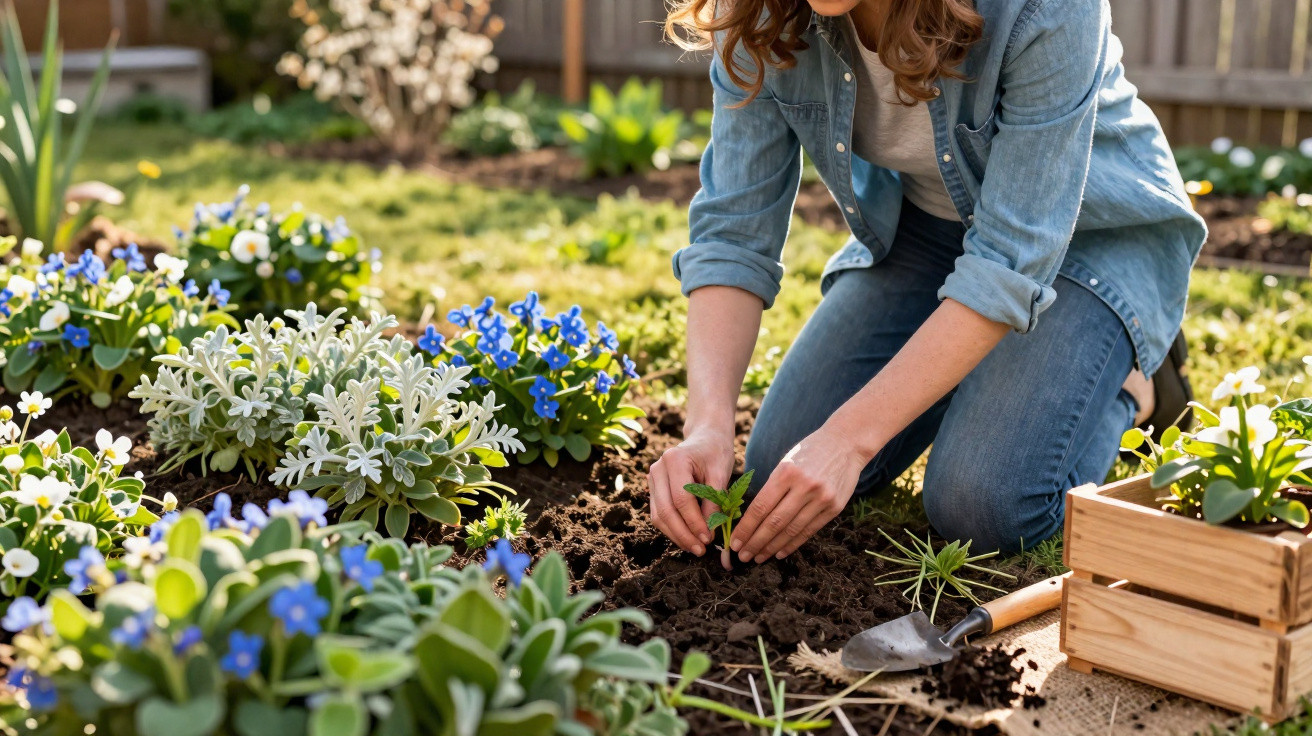
If you like playing with foliage colour, set the orange flowers against dark-leaved shrubs or alongside silvery perennials such as cotton lavender. It makes a small garden feel far more layered and interesting without taking up any extra space.
All in all, Tecomaria ‘Cape Town Orange’ proves that even a very small garden or tight courtyard can accommodate a real shrub - if the choice is smart. Its compact habit, long flowering season, moderate water needs and hint of exotic character make it a quietly brilliant option for anyone wanting maximum visual impact from minimal space.
Comments
No comments yet. Be the first to comment!
Leave a Comment