
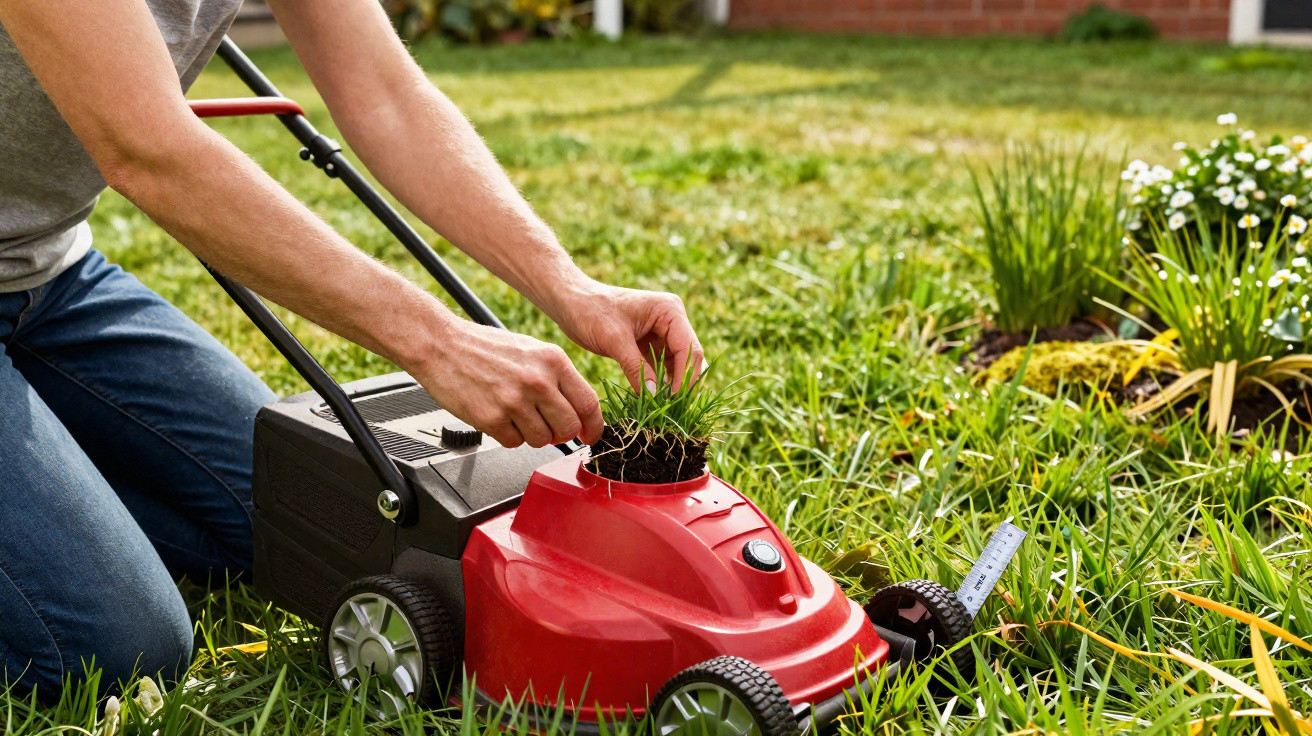
Spring is in the air, the sun is finally back, and the shed is calling with the year’s first run of the mower. Around now, plenty of gardeners unknowingly decide whether they’ll be lounging on a thick, deep-green carpet in summer-or staring at a patchy quilt of moss and yellow marks. One straightforward rule in March, often ignored, is what makes the difference.
Why the first lawn cut in spring matters so much
After winter, your lawn is still running on low power. The grasses have come through short days, limited sunshine and cold ground. The blades might look long and untidy, but that extra length is also protection.
Grass leaves work like tiny solar panels: the more surface area they have, the more light they capture, and the more energy the plant can put into new roots and fresh growth. If you scalp the lawn in March to something like a bowling-green height, you strip away that energy reserve at exactly the wrong time.
"The first cut after winter decides whether the lawn can recharge-or slips into a long-term crisis."
That’s why specialists advise holding off. The first mow should only happen once three things line up:
- The ground is no longer consistently waterlogged or frozen.
- Soil temperatures settle steadily above about 7°C.
- The grass blades have reached roughly 8–10 cm.
In many areas, that pushes the first cut to late March, or even into April. Starting earlier increases the risk that weakened roots won’t recover well, leaving gaps where moss and weeds quickly take over.
The most important rule: never remove more than a third
The key advice from professionals is easy to say, but frequently ignored: the so-called one-third rule. It means you should never cut off more than one third of the blade height in a single pass.
"If the lawn is about 9 cm tall, cut it back to a maximum of 6 cm-not lower."
This can feel unsatisfying if you like a very neat finish. For the grass, though, it’s gentle recovery rather than shock treatment. Enough leaf remains to keep collecting energy, so the plant doesn’t have to burn all its reserves on frantic emergency regrowth.
Dropping to 3–4 cm in spring forces the plants into survival mode. Typical results include:
- The blades yellow more quickly on bright, sunny days.
- More light reaches the soil surface, encouraging moss and wild plants to germinate.
- The lawn looks thin, uneven and full of holes.
A healthier approach is to stick to these guide values:
| Situation | Recommended growth height | Height after mowing |
|---|---|---|
| First mow in spring | 8–10 cm | 5–6 cm |
| Normal use (family lawn) | 7–8 cm | 4.5–5.5 cm |
| Hot spells in summer | 9–10 cm | 6–7 cm |
Before the first cut: protect the soil, build stronger roots
Before you even start the mower, it pays to look down-not just at the blades, but at the ground itself. Driving over wet patches or frozen areas compresses the soil. Roots then get less oxygen, water can sit in the ground, and the lawn takes far longer to bounce back.
Waiting for a few dry days is usually the sensible move. If you can walk on the lawn without your shoes sinking in or leaving clear marks, you can use a garden fork or lawn aerator to lightly spike the surface. Small holes at regular intervals loosen the soil and improve airflow.
"Loosened soil in spring works like a fitness programme for the roots-little effort, big impact."
If you wish, you can work in a little fine sand or a thin layer of compost after aerating. This is especially useful on heavy, clay-rich soils that are prone to waterlogging.
How to set up your lawnmower properly in March
The biggest mistake often happens before you even touch the grass: many mowers are left set very low by default. That may look like an “English lawn”, but early in the year it doesn’t suit a tired, winter-worn turf at all.
For the start of the season:
- Set the cutting height to one of the highest settings.
- Sharpen the blade beforehand, or have it checked.
- Walk steadily rather than rushing the mower.
- Take only the tips off-don’t scalp it.
Blunt blades tear the grass instead of cutting cleanly. The ends fray, dry out and become easy entry points for disease. Sharp blades leave a smooth cut surface that recovers faster.
After the first cut: mow more often, but gently
Once that first pass is done, the real rebuilding phase begins. Instead of hacking it back every two or three weeks, light but regular mowing produces a noticeably denser lawn.
In spring, a good pattern is roughly once a week, depending on how fast it’s growing. Each time, the one-third rule still applies. This encourages the grasses to branch more, the surface looks more even, and bare patches gradually fill in.
No Mow March: leaving wild corners for insects
At the same time, a movement is spreading in many countries that calls for a more relaxed approach to mowing. The idea is to leave certain areas uncut in March-or delay mowing-so wildflowers, clover and early blooms can stay standing.
If you have enough space, you could do it like this:
- Maintain play and seating areas as normal.
- Let border strips, back corners of the garden, or areas under trees grow longer.
- Mark out small “islands” in the lawn that won’t be mown in spring.
Bees, bumblebees and other pollinators benefit because they urgently need nectar and pollen after winter. Meanwhile, you still keep a tidy area near the house for children, garden furniture or a hammock.
What’s really behind moss, gaps and yellow patches
If you’ve battled moss for years, it’s easy to blame shade or rainy weather. Often, though, the real cause is mowing: too low, too early, too harsh. Short grass doesn’t shade the soil well, moisture lingers longer, and moss takes advantage.
Yellow or brown patches in spring are also frequently stress reactions caused by the wrong cutting height. Soil structure, pH and nutrient levels matter too-but how you handle that first cut acts like a lever: mow gently and the lawn stabilises; scalp it and the problems keep coming.
Taking things a little slower in March pays off all summer. The lawn looks fuller, feels softer under bare feet, and copes better with a long picnic or children running about without immediately turning into bare spots.
For many hobby gardeners, this is the biggest shift in mindset: not the earliest possible cut, but the smartest start-at a higher cutting height-gets you the lawn you want. If you follow one simple rule and never remove more than one third of the blade length, you give your grass exactly what it truly needs after winter: time, light and air to get going.





Comments
No comments yet. Be the first to comment!
Leave a Comment