
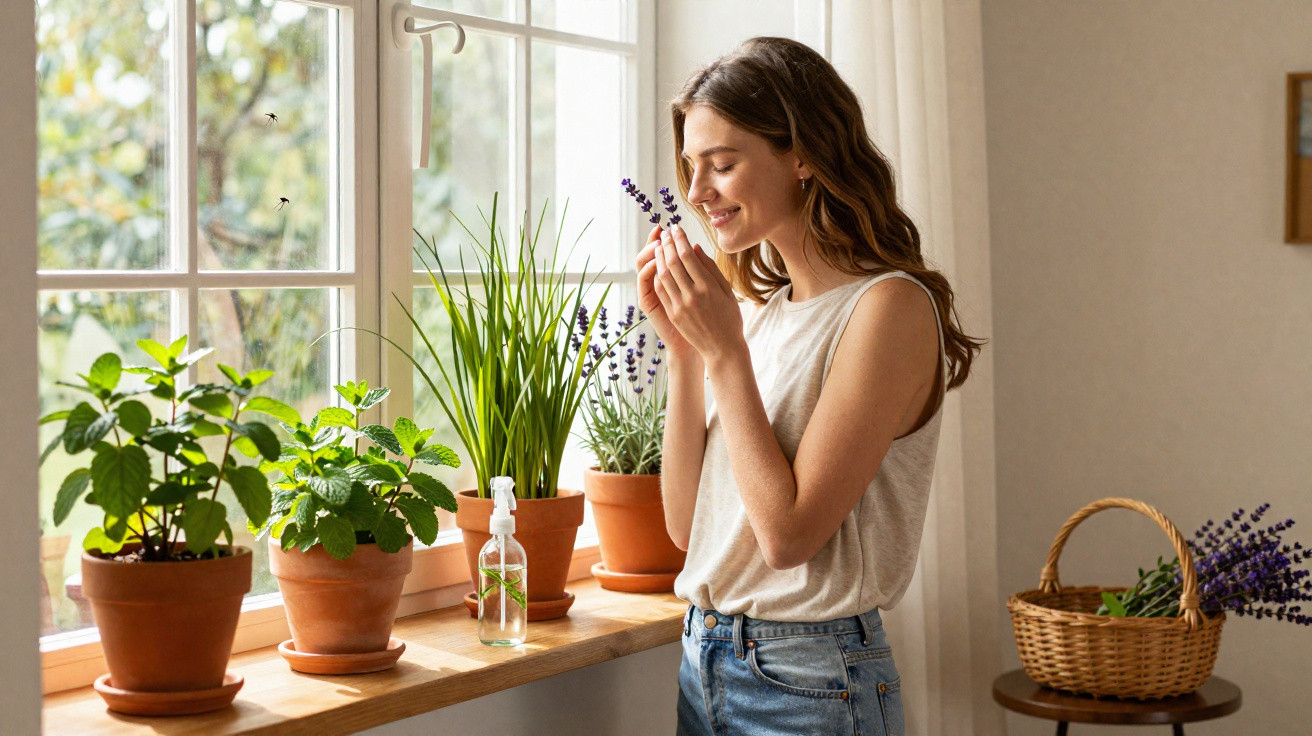
Keeping plants that repel mosquitoes at home is an easy, low-effort trick that can solve a lot without relying only on sprays and insecticides. Whether you live in a flat, a house with a garden, have a small balcony, or just a spot by the kitchen window, you can use a few potted species to help deter biting mosquitoes, brighten the space, add fragrance, and still keep day-to-day care very manageable.
Do plants that repel mosquitoes actually help at home?
These plants will not do the whole job on their own, but they can work as an extra line of defence. It is still important to fit mesh screens on windows, avoid leaving standing water, and stay on top of drains, gutters, and any damp corners.
Placed in the right spots, they release a scent that mosquitoes dislike and can create a kind of “aromatic barrier”. Because they are grown in pots, you can position them on a balcony, in the garden, on a window ledge, or on the kitchen worktop-without using chemical products.
Watch the video below on the YouTube channel TV Aparecida showing 7 plant species that help keep insects away:
Citronella in pots to keep mosquitoes away-practically
Citronella is the classic choice when the goal is to deter mosquitoes. The essential oil in its leaves, rich in citronellal and geraniol, disrupts the insect’s “radar”, making it harder for mosquitoes to track people by body scent.
It tends to perform best in airy locations, such as balconies and doorways that open onto outdoor areas. To get the most from the plant while keeping the pot in good condition, a few simple care habits can make a noticeable difference:
- Put it somewhere with direct sun for a few hours each day;
- Choose a pot with good drainage and a light compost mix, avoiding waterlogged soil;
- Trim back overly long tips and remove dry leaves regularly;
- Refresh the top layer of compost once a year.
Mint and lavender as everyday natural repellents
Mint is useful for teas and cooking, and it can also help mask body odours that attract mosquitoes. Menthol and other compounds in the leaves are pleasant to us but irritating to biting mosquitoes-especially when the leaves are lightly crushed.
Lavender is well known for its gentle, calming fragrance, yet its essential oil-rich in linalool-is also unwelcome to insects. Lavender prefers full sun and free-draining soil, while mint does better in partial shade with slightly more moisture in the soil, which makes it easy to use each one in different parts of the home.
How to combine repellent plants at home effectively
When citronella, mint, and lavender are used together, the blend of scents increases discomfort for mosquitoes. Before you place the pots around the house, it helps to check the light and airflow in each area so each species can thrive where it is put.
A practical arrangement is to keep citronella near entry points, place mint in food-prep areas and shared living spaces, and use lavender in bedrooms and quiet corners for rest. With moderate watering, light pruning, and attention to sunlight, the usual outcome is fewer mosquitoes, more greenery indoors, and a pleasant atmosphere without overdoing chemical products.

Comments
No comments yet. Be the first to comment!
Leave a Comment