
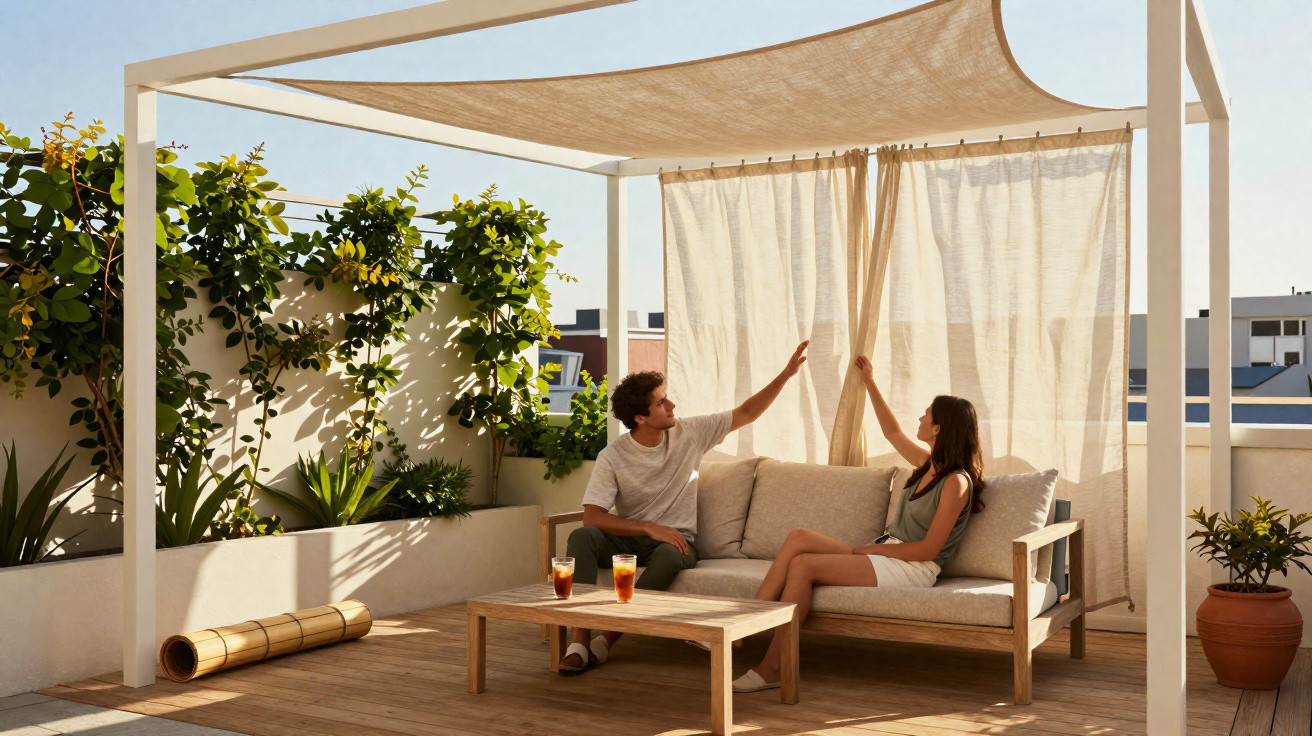
With the arrival of hotter weather, many people start to reconsider how they protect their outdoor areas. Terraces and balconies become part of everyday living, and relying solely on a traditional awning no longer covers every need for those who want comfort, style and practicality-driving interest in lighter, more current solutions that adapt better to the climate.
What are the best alternatives to an awning for terraces and balconies?
Among the most popular options are lightweight pergolas, cantilever parasols, shade sails, climbing plants and outdoor curtains. Each approach suits different requirements in terms of space, budget and how intensively the area is used, making it possible to set up anything from a compact corner to a generous social space.
When weighing up these alternatives, it is worth considering how much sun protection you need, the level of airflow you want, and how easy the solution is to put up and take down. In places with strong sun for most of the year, hard-wearing materials and adjustable systems matter more; in changeable climates, more flexible, removable coverings tend to work better.
Watch a video on the YouTube channel Doma Arquitetura that discusses modern covering solutions, awnings and parasols for creating cosy shaded areas in outdoor spaces:
https://www.youtube.com/watch?v=E_tM0f1I1rQ
How can pergolas and parasols become the centrepiece of your outdoor area?
Lightweight pergolas-made from metal or timber-act as a frame for the space, allowing you to add canvas, fabric panels, natural fibres or open structures that diffuse the light. There are fixed and demountable versions, which suit anyone who wants to change the layout between summer and winter or minimise the impact of wind.
Cantilever parasols, meanwhile, work especially well on medium-sized balconies or small terraces. Because the support sits to the side, the middle of the space stays clear, and the canopy can be angled to follow the sun’s position. If you want to choose with more confidence, these practical points help when comparing the options:
- Lightweight pergolas for anyone who wants a decorative structure and the freedom to combine different types of cover.
- Cantilever parasols for compact areas, with directed shade and strong manoeuvrability.
- Demountable models for use only during the hottest season or in rented properties.
How can you create shade with shade sails and climbing plants?
Shade sails stand out for their contemporary look and installation flexibility, using tensioners fixed to walls, boundary walls, posts or masts. Typically made from technical fabrics, they help block UV rays, allow air to circulate and, when waterproof, can be set on a slope so rainwater runs off.
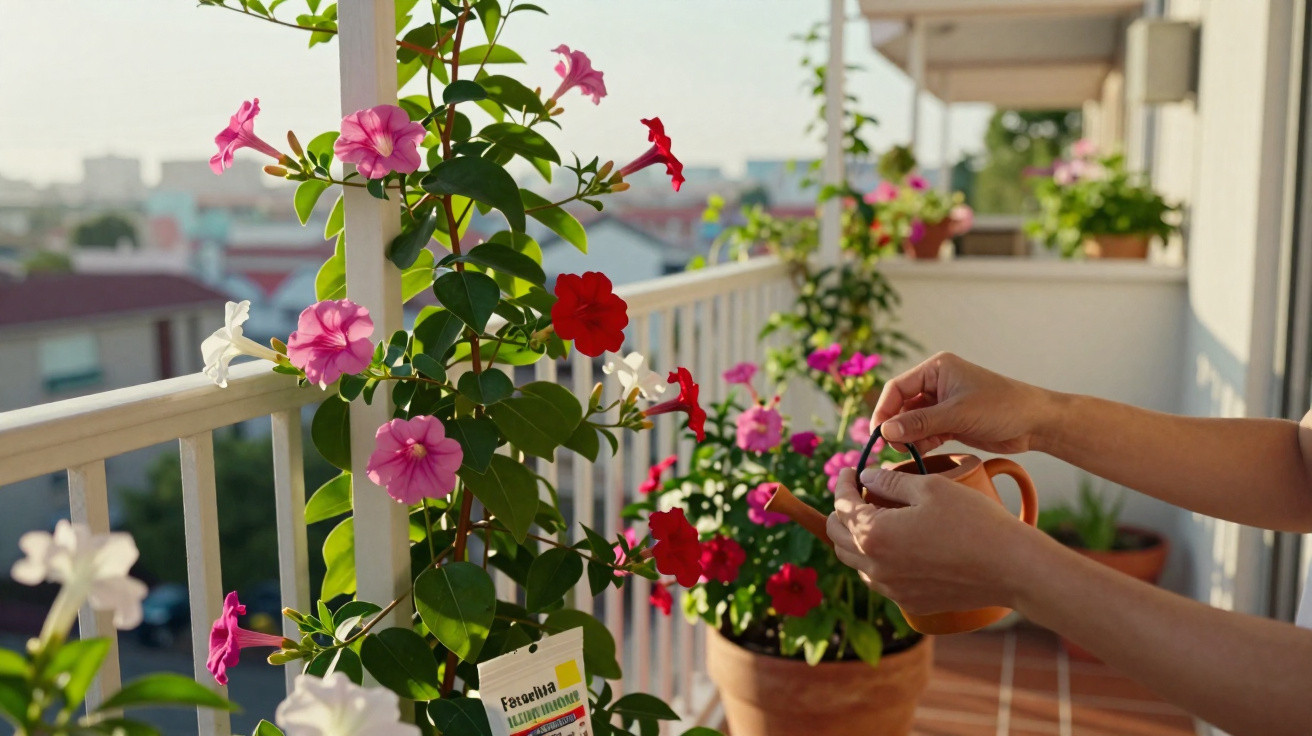
Climbing plants, in turn, create a green ceiling when trained over pergolas, trellises or railings, filtering light gradually and easing the temperature. As well as improving the local microclimate, they deliver a welcoming feel, reduce direct radiation on walls and only need periodic pruning to manage the amount of shade.
How do outdoor curtains and blinds help control light and privacy?
If you want something straightforward to install, outdoor curtains and roller blinds are strong alternatives for covered balconies or areas beneath canopies. Made from bamboo, synthetic fabrics or mixed fibres designed for outdoor exposure, they let you fine-tune light levels and improve privacy without completely cutting off ventilation.
In windier spots, it is common to use locks or side cables to prevent excessive swaying, which helps the pieces last longer. With the right choice of material and colour, these solutions sit neatly within the décor, keep conditions more comfortable and encourage the use of terraces and balconies throughout the summer.

Comments
No comments yet. Be the first to comment!
Leave a Comment