
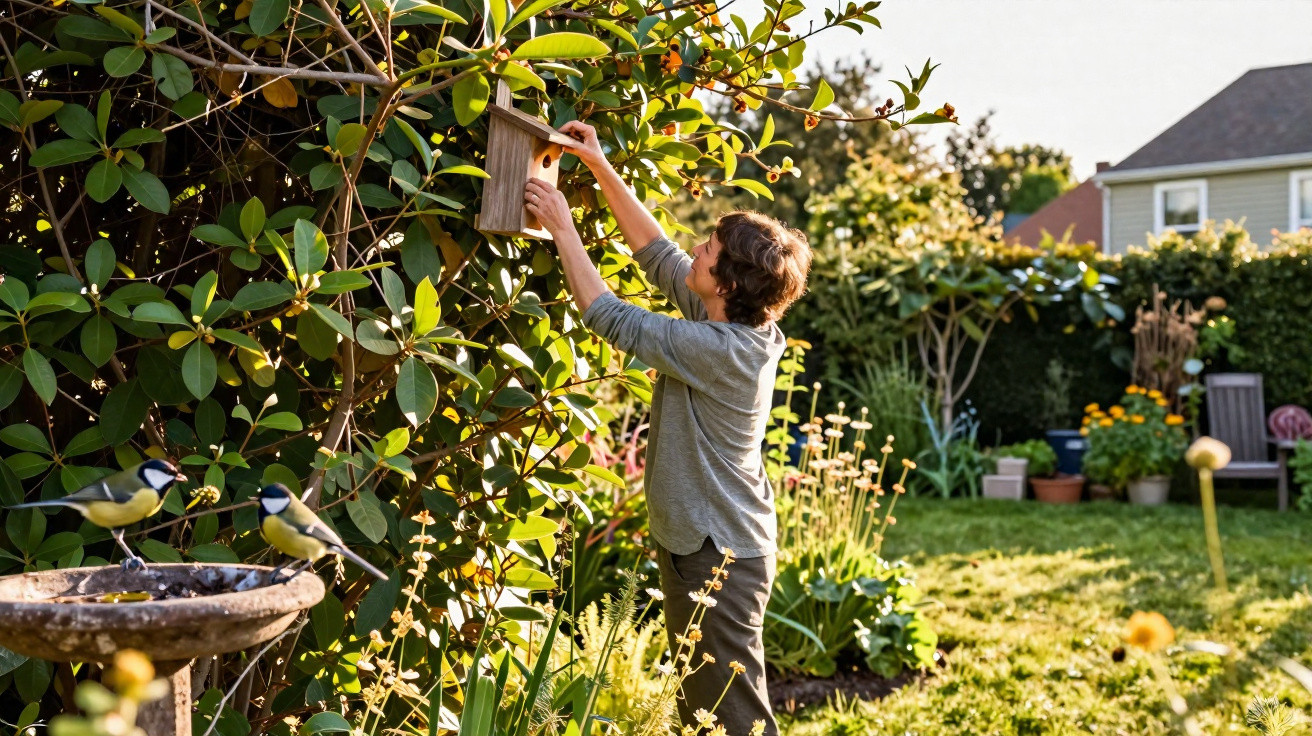
Many garden owners hurriedly put up new nest boxes in spring and hope for feathered tenants. Often, though, it stays at wishful thinking. Bird conservation experts are clear: tits only move in reliably when the whole garden works for them - not just a smart-looking box on a tree.
Why tits need a good garden right now
As soon as temperatures settle above freezing, the busiest time of year begins for tits. They start hunting for nesting cavities, checking food sources, and judging whether they’ll be able to raise their young safely later on. If you set the right things in motion now, your garden can become a prime address in the local territory.
"Tits aren’t looking for a decorative paradise, but for a functioning mini ecosystem with food, shelter and nesting sites."
A bare lawn, clipped neatly short, may look tidy, but to birds it feels like a desert. There’s no cover, too few insects, and nowhere to hide. If you genuinely want to attract tits, you’ll need a bit of confidence to let parts of the garden be “wild”.
The overlooked mistake: a nest box on its own isn’t enough
Nest boxes are useful, but they don’t solve everything by themselves. Tits happily use them when the surrounding conditions are right. If food, structure and natural hiding places are missing, the box will sit empty or be inspected only briefly.
Keep natural nesting places - the real insider tip
Specialists stress how important natural cavities and crevices are. Older trees in particular, gaps in masonry, or hollow spaces in sheds can make ideal breeding sites. When everything in a garden is “smoothly renovated” and sealed up, these options disappear.
- Leave old fruit trees with hollows standing where possible.
- Don’t fully seal cracks and gaps in older walls.
- Accept wood piles, dense corners and climbing frames as hiding places.
- Put up nest boxes as an addition, not as the only nesting option.
Great tits and blue tits in particular - but also other garden birds such as sparrows, black redstarts or swifts - make use of these kinds of structures. A garden that offers such niches quickly becomes a meeting point for many species.
A living garden instead of a sterile ornamental plot
The biggest lever for more tits in spring is planting. If you rely only on exotic ornamentals or sterile cultivated varieties, you interrupt the natural cycle. Many of these plants produce hardly any pollen or seeds and attract very few insects.
Native plants as an insect magnet
Tits feed their young almost entirely on insects: caterpillars, beetles, spiders and larvae. Without this prey, breeding doesn’t work. So a garden that draws in insects automatically becomes highly attractive to tits.
"If you encourage insects, you feed tit chicks - that’s the core of the whole strategy."
Native shrubs, wild perennials and flowers are especially valuable when they bloom across the seasons and later set seed. A few examples:
- Spring: blackthorn, Cornelian cherry, willow
- Summer: blackberry, elder, knapweed, oxeye daisy
- Autumn: rose hips, and leave wild perennials standing with their seed heads
If you turn part of your lawn into a wildflower meadow, you’ll often see a clear increase in insect numbers after just one year - and, with that, more songbirds.
Hedges as a multi-occupancy home for birds
Uniform lines of thuja provide very little food. Mixed hedges made up of different native shrubs are far better. They offer berries, seeds, cover and nesting opportunities.
Popular shrubs for a bird-friendly hedge:
- rowan
- black elder
- hedgerow rose
- privet (single-flowered, fruiting)
- hawthorn
A hedge like this buzzes with insects in summer and provides berries in autumn. For tits it’s a refuge, a food source and a flight corridor all at once.
The right nest box - location matters more than design
Used sensibly, nest boxes can noticeably improve your chances. What matters most is not the look, but the practical details.
| Aspect | What to look for |
|---|---|
| Material | Untreated wood, good ventilation, not plastic |
| Entrance hole size | For blue tits about 26–28 mm, for great tits about 32 mm |
| Height | At least 2 to 3 metres above the ground |
| Orientation | Ideally facing east or south-east, sheltered from wind |
| Peace and quiet | No constant disturbance from a patio, barbecue area or play equipment |
Nest boxes should be cleaned in late summer. Carefully remove old nests, parasites and droppings using gloves and a dry brush. Chemical cleaning products have no place inside.
Protection from wind, rain and predators
Tits pay close attention to cover. Dense evergreen shrubs such as yew, holly or cherry laurel (prefer native alternatives where possible) provide shelter from cats, martens and birds of prey. They act as stopover points and safe escape cover.
"A garden with plenty of ‘stopover points’ feels safe to birds - open spaces make them nervous."
If you have cats, you can also help by using a collar bell during the breeding season or keeping them indoors at certain times. Thorny shrubs under popular perches can also slow down hunting cats.
What you can do straight away - practical step-by-step ideas
- Let part of the lawn grow longer, or sow it with wildflower seed.
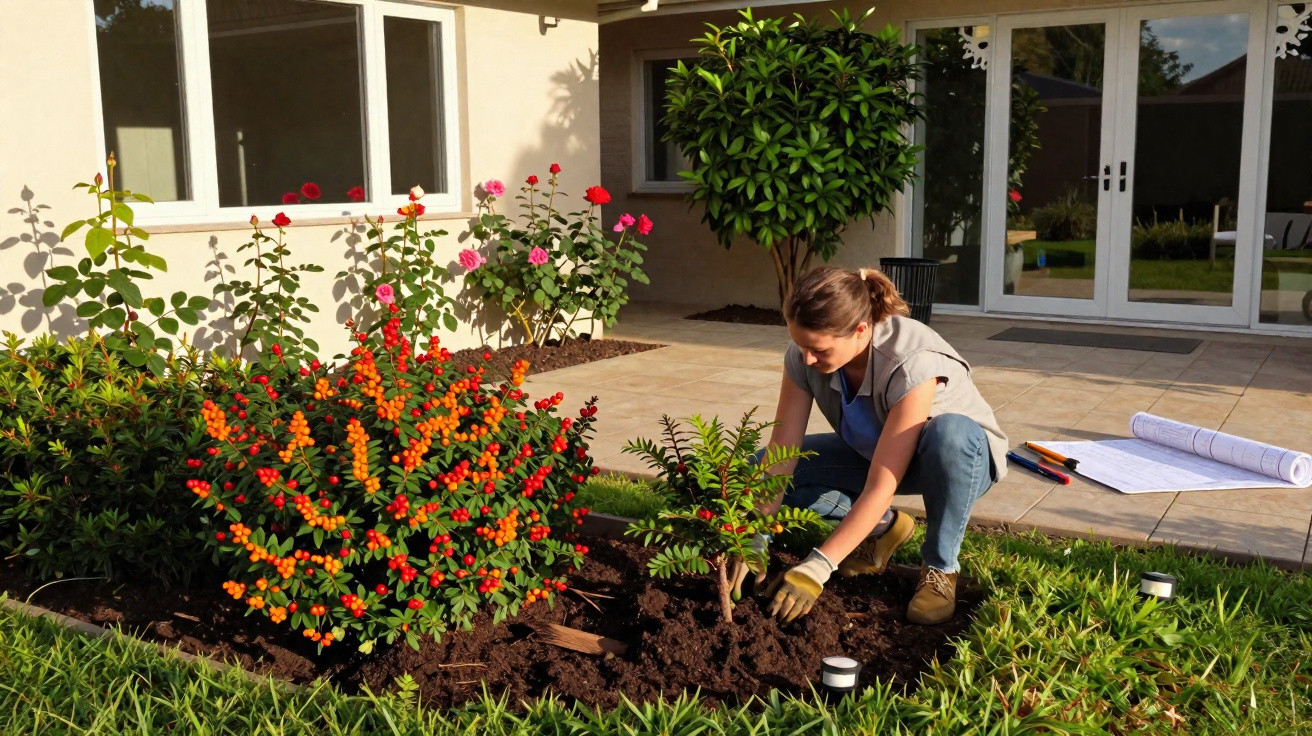
- Plant at least one mixed hedge using native shrubs.
- Don’t clear away old piles of wood and stones completely; deliberately keep them as a sheltered hiding zone.
- Hang a suitable nest box, with the right entrance hole size for tits.
- Don’t use insecticides - every caterpillar you spray is one less for a tit to carry to the nest.
If you’re unsure which plants suit your local area, contact nearby nature conservation groups. Many volunteers know the regional conditions very well and can offer practical advice - often even during a walk around your own garden.
Why tits are so useful - not just for the soundtrack
Tits aren’t only attractive to watch and pleasant to hear. They eat large quantities of caterpillars and other pest insects. A single breeding pair can collect several thousand insect larvae in spring, which visibly reduces pressure on fruit trees and beds.
In years with heavy caterpillar outbreaks, a well-structured wildlife-friendly garden really pays off. Many hobby gardeners report they can avoid sprays if enough birds live in the garden. That closes the loop: a more natural garden needs less chemistry and brings more birdsong.
If you already have children - or garden with neighbours’ children - you can turn it into a project: build nest boxes together, plant shrubs, and identify bird species. Children learn playfully how a garden works as a small ecosystem, and they’ll be delighted when the first tit peeks curiously out of the entrance hole.



Comments
No comments yet. Be the first to comment!
Leave a Comment