
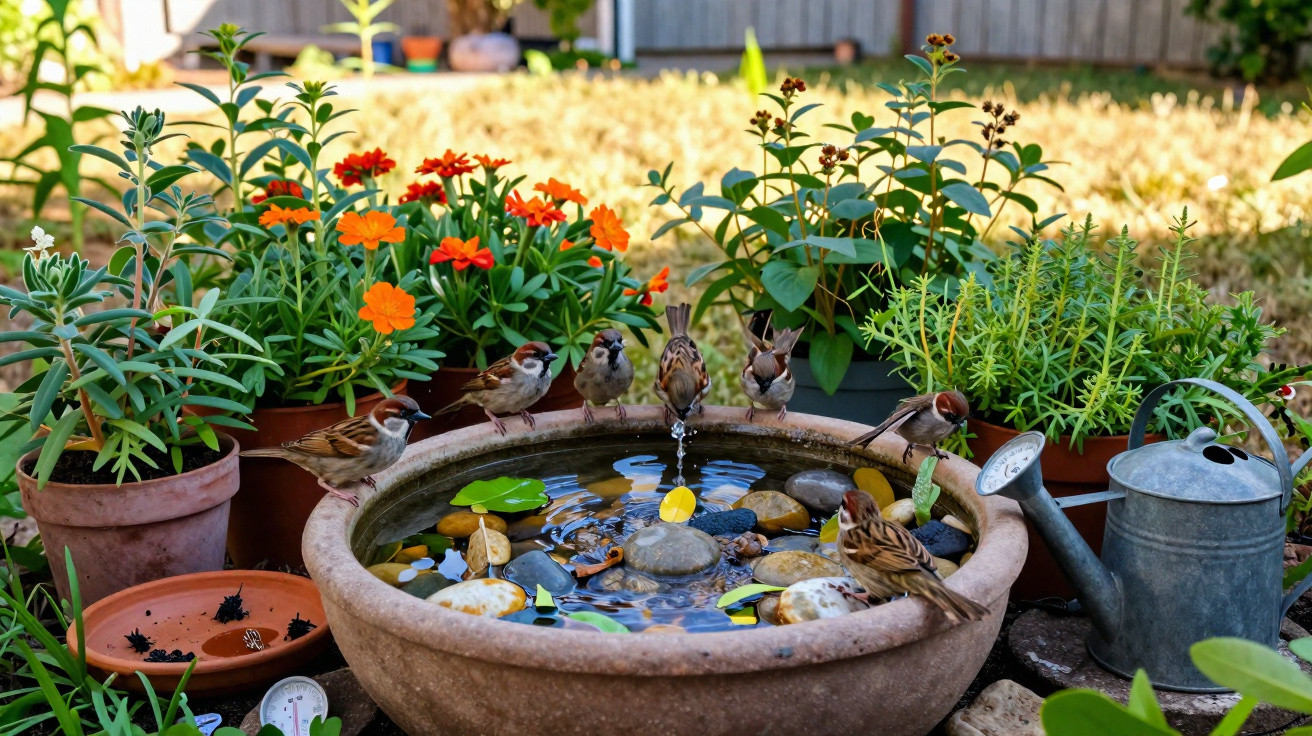
Urban gardens - and even small balcony spaces filled with pots - can become an important refuge for local wildlife. Among the regular visitors, birds stand out for the way they help keep pests in check and support plant health, especially during spells of extreme heat and low rainfall, which have been happening more often in 2026. By providing water, shelter and food, residents can help stabilise small ecosystems right in the middle of the city.
Why are birds in the garden important for ecological balance?
Birds that use gardens feed on insects, larvae, snails and other organisms that damage vegetable patches and ornamental beds. In practice, that means a natural pest-control service, lowering the need for chemical treatments and supporting a more sustainable approach to gardening.
With many species experiencing population declines over recent decades, well-thought-out green spaces can act as safer refuges. Beyond reducing caterpillars, aphids and slugs, many birds also help spread seeds and contribute to indirect pollination, increasing plant diversity in back gardens and on balconies.
Watch a video on the YouTube channel Orchard and Vegetable Garden in Pots with creative ideas for attracting birds and pollinators to your garden by using drinking stations and well-chosen plants:
https://www.youtube.com/watch?v=F0B6bUjscb4
How do heatwaves and drought affect birds in the garden?
During extended dry periods, many birds struggle to find clean water for drinking and bathing. Water scarcity can change their feeding and resting patterns, which in turn affects pest balance and the overall vigour of plants in gardens.
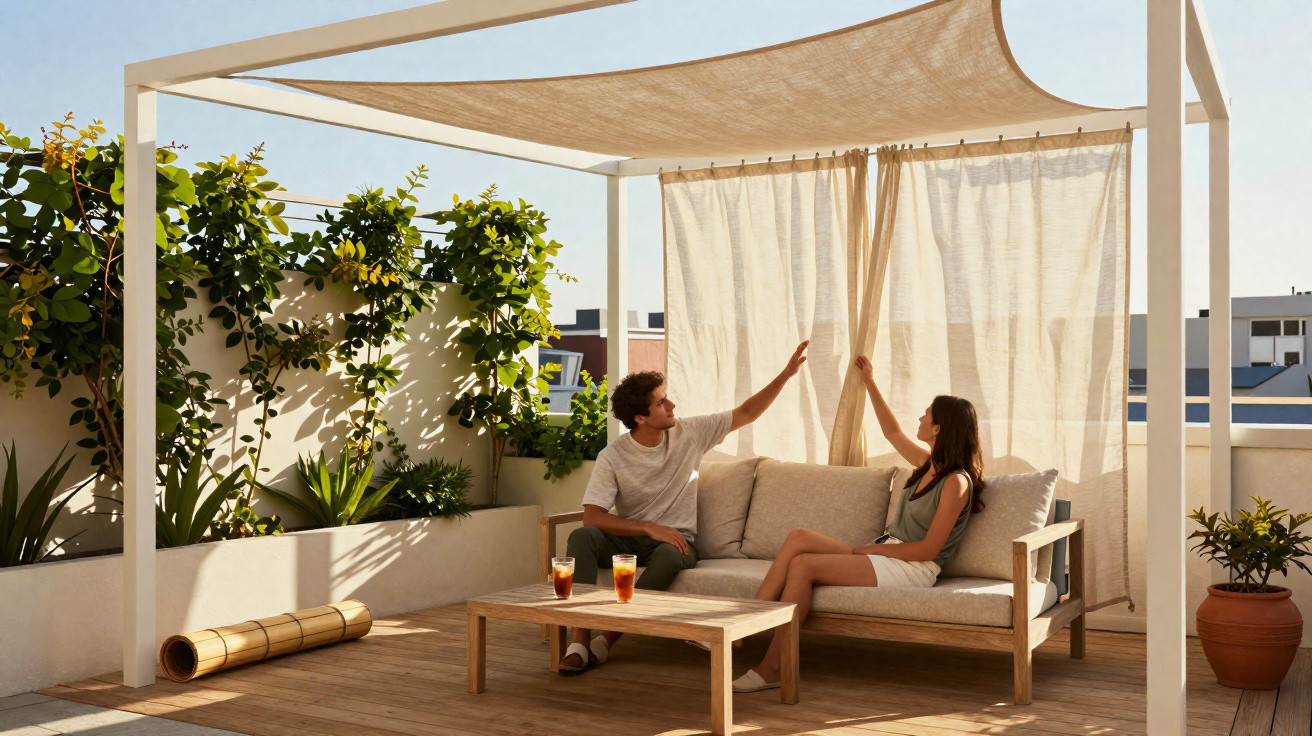
That is why water points in gardens and on balconies become especially valuable during heatwaves. Small measures - such as partial shade and cool, fresh water - can reduce heat stress and help birds remain a consistent presence even when conditions are at their toughest.
How to set up a small pond for birds in the garden or on a balcony
A small pond is a shallow water reserve made with simple containers such as washing-up bowls, plant saucers or old pans. Ideally, it should be stable, not too deep, positioned in partial shade, and easy for animals to get in and out of - including in flats.
To make sure it works well and stays safe, a few basic steps help prevent accidents, avoid creating insect breeding sites, and reduce rapid water loss, making the drinking and bathing spot last longer:
- Choose a spot with partial shade to limit overheating and slow evaporation.
- Use containers that are stable and sturdy, with a depth between 3 and 10 centimetres.
- Add stones, branches or bricks as ramps so animals can enter and exit easily.
- Change the water regularly, removing leaves, droppings and insect larvae.
- Keep plants nearby to provide partial shade and a greater sense of security.
What other animals benefit from mini ponds and damp areas
Mini ponds and strips of damp soil support far more than garden birds; hedgehogs, toads, frogs and pollinating insects also use these spots to drink, cool down and, in some situations, breed. When the container sits at ground level, access becomes easier for a wider range of creatures.
Where the reservoir needs to be raised, adding simple "stairs" made from branches, stones or wood helps prevent animals from becoming trapped, reducing drowning and encouraging more use of the space. By keeping varied depths, offering partial shade, avoiding chemical products and monitoring regularly, people in urban and rural areas can create an integrated cycle connecting water, soil, plants and wildlife - strengthening ecological balance even in the smallest gardens or on balconies.
Comments
No comments yet. Be the first to comment!
Leave a Comment