
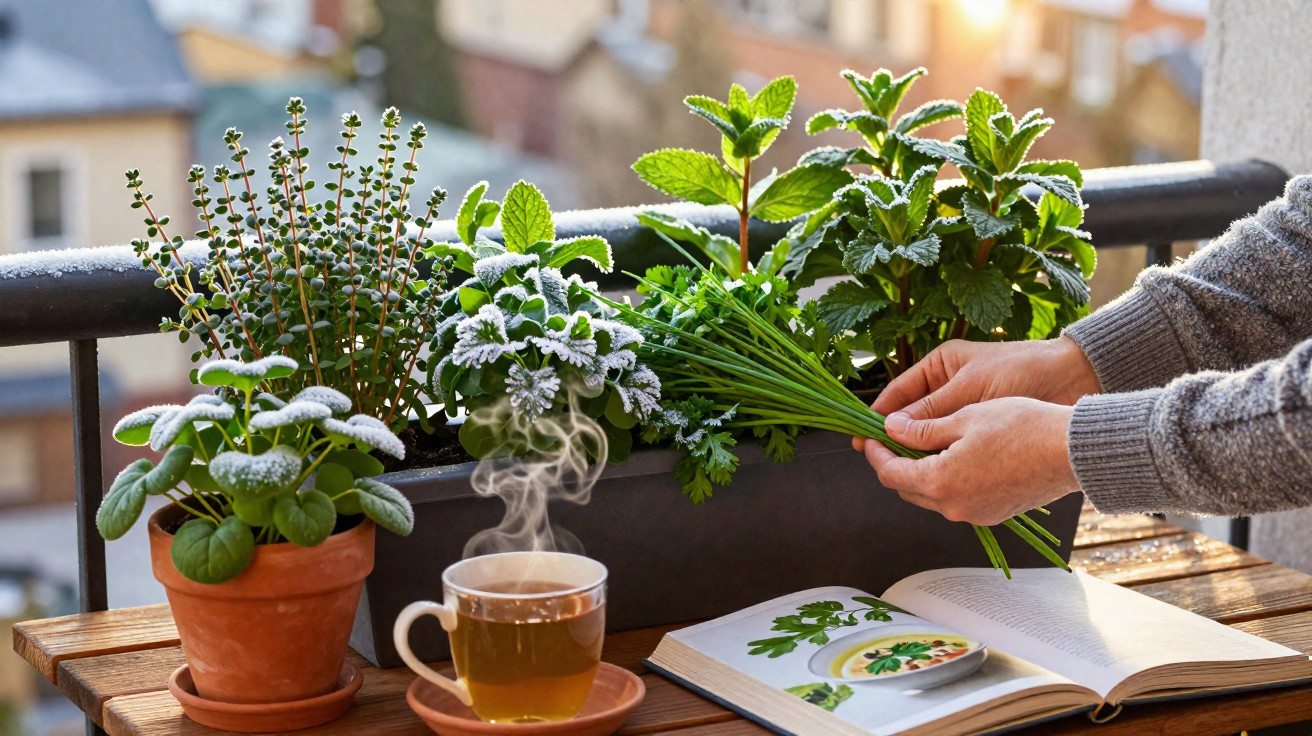
While plenty of hobby gardeners are still impatiently flicking through catalogues in January and picturing trays of tomato and pepper seedlings, something else is already stirring in the beds. A handful of culinary herbs wake up noticeably earlier than most plants and can give you fresh green leaves well before British-grown bunches reappear in the supermarket. With a few smart plantings, you can lock in this low-effort supply of flavour - without having to sow again every year.
Why winter-hardy herbs are a real insider tip right now
The usual winter-garden scene is familiar: soggy beds, maybe a couple of lonely leeks, and not much else. That picture is exactly why many people miss the opportunity the colder months offer. The reality is that some herbs begin their next growth cycle as soon as temperatures briefly creep above freezing.
"These perennial herbs are like a savings account in the bed: set them up once, harvest for years - with hardly any work."
Unlike annual herbs, these plants store energy down in roots, rhizomes, or bulbs. Above ground everything can look brown and lifeless, but underneath, the plant is very much at work. As the days lengthen, they push out new shoots quickly and provide fresh leaves at a time when the shelves are otherwise dominated by imports.
The seven perennial herbs that shrug off most winters
This is not about exotic rarities, but dependable kitchen favourites that many people already know - they’re just rarely used consistently as a multi-year, always-there source of herbs.
Chives - no fancy name needed
Chives are often among the first splashes of colour in the February bed. Their hollow stems regularly poke up through melting snow. They grow from a bulb-like base that handles frost with ease, and once established, they reappear reliably year after year.
- Position: sunny to partially shaded
- Soil: humus-rich, moderately moist
- Care: cut regularly so the stems stay tender
Wild tang: sorrel
Sorrel brings a bright, citrus-like sharpness to winter food. It starts showing its first leaves in late winter and, over time, forms dense clumps.
It works well along the edge of a bed or tucked into a corner where it can stay put for years. Key point: don’t leave harvesting too late - the younger leaves are the softest and most delicate.
The underrated workhorse: parsley
Parsley is often treated as a one-season herb, but many varieties make it through winter well, especially curly types. If it has rooted in strongly by late summer, it will tolerate light frost and then set off again in the run-up to spring.
"If you deliberately grow parsley as a biennial crop, you save yourself an entire generation of sowing every year."
After it flowers in its second year the flavour declines, and that’s the moment to plant replacements or let it self-seed.
Nuisance or blessing? The truth about mint
Mint has a reputation - deservedly - for spreading eagerly through the bed. Yet that same habit is what makes it so tough. The above-ground growth often dies back completely, but the underground runners sit safely in the soil and restart right on schedule in spring.
If you want to keep it under control, grow it in a large pot or install a root barrier in the bed. When fresh shoots appear, they’re ideal in winter for tea, smoothies, or simply to flavour water.
Mediterranean trio: thyme, oregano and tarragon
These three herbs add a Mediterranean note to winter cooking - and once they’re established, they cope with frost surprisingly well.
| Herb | Winter characteristic | Typical use |
|---|---|---|
| Thyme | often evergreen, can be picked even under snow | stews, tray-baked vegetables, soups |
| Oregano | leaves often stay on the stems, flavour very intense | pizza topping, tomato sauces, meat dishes |
| Tarragon | dies back, then reshoots from the root in spring | vinegar infusions, chicken, delicate sauces |
Thyme and oregano prefer a dry, sunny spot - a wall crevice or the edge of a raised bed suits them well. Tarragon needs a little more moisture and nutrients, but pays you back with a fine, slightly aniseed-like aroma.
How these herbs save you all the propagation effort
The big advantage of these seven plants is that they largely look after themselves. No heat mat, no artificial lighting, no daily misting of seed trays.
Their annual rhythm runs on autopilot: in autumn they pull nutrients back and store them in their reserves. Above ground, growth can dry out completely. To beginners it can look as if the plant has died, but it’s simply dormant.
"With longer daylight from the end of January, the plants switch back into growth - often faster than you’d expect."
If you want to give them a slight head start, clear away dead stems in late winter. That lets sunlight reach the base directly, warms the soil more quickly, and encourages fresh shoots to break through earlier.
How to use the herbs properly in winter cooking
Many people leave winter herbs untouched because they don’t realise how useful they are at this time of year. In truth, just a few simple steps can make heavy winter meals taste lighter and far more aromatic.
- Sorrel in scrambled eggs, omelettes, or with fish adds a fresh sour note.
- Chives on potatoes, stirred into quark, or scattered over soups - always cut just before serving.
- Parsley roughly chopped over stews, lentil dishes, or bakes.
- Thyme and oregano can simmer along with the dish: their essential oils suit braises and oven-roasted vegetables perfectly.
- Mint for tea, couscous, or salads once the first tender shoots show.
- Tarragon for vinegar infusions or refined sauces with poultry.
Regular cutting encourages plants to put out new growth. Plucking a stem here and there is less effective than a confident trim with scissors - for chives, around 2–3 cm above the soil.
Act now: the best route to your own herb corner
If you don’t already have these herbs in the garden, you don’t need to wait until May. Garden centres and markets often have young plants in pots early in the year. As soon as the ground is no longer frozen solid, you can plant them straight into the bed.
"Planted once, most of these herbs will provide harvests for many years - with no meaningful additional cost."
A practical approach is to create a small herb corner rather than scattering individual pots around. A sunny spot close to the house is ideal - for example along the path to the patio or right by the kitchen door. When the walk is short, the herbs naturally make it into the pan more often.
Where these herbs work especially well in the garden
With a little planning, you can get even more from them. These tried-and-tested combinations work well:
- Along the edge of the vegetable plot: thyme, oregano, and tarragon - they form an aromatic border and attract plenty of insects.
- Under fruit trees: parsley and mint benefit from partial shade and brighten up the tree circles.
- In a raised bed: chives and sorrel provide fresh green leaves all year and stay within easy reach.
At the same time, the aromatic oils in some herbs can confuse pests. Thyme and oregano planted among cabbages or carrots can often reduce damage from caterpillars and flies - not a guarantee, but a noticeable effect.
Long-term value: sustainability, flavour and less stress
Perennial herbs aren’t only convenient; they also fit beautifully into a more sustainable approach to gardening. They generally need less water than many annuals, manage without synthetic fertiliser, and handle changeable weather far better.
Especially as extreme weather becomes more common, tough perennials come into their own. High heat or late frosts can hit newly sown plants hard, while established clumps of thyme or chives usually continue growing with little fuss.
For anyone new to growing some of their own food, these herbs are a perfect starting point. They forgive mistakes, deliver quick, visible results, and introduce the idea of “perennial growing” in a straightforward way. Once you’ve watched the first green tips push up through melting snow in February, it’s hard to think of herbs only as a flimsy seed tray on the windowsill.
A final bonus: many of these plants thrive in containers on a balcony or patio, too. With a large pot for mint, a window box of chives and parsley, and a trough for thyme and oregano, you can cover a good share of your yearly needs even without a garden - fresh, fragrant, and without plastic packaging.


Comments
No comments yet. Be the first to comment!
Leave a Comment