
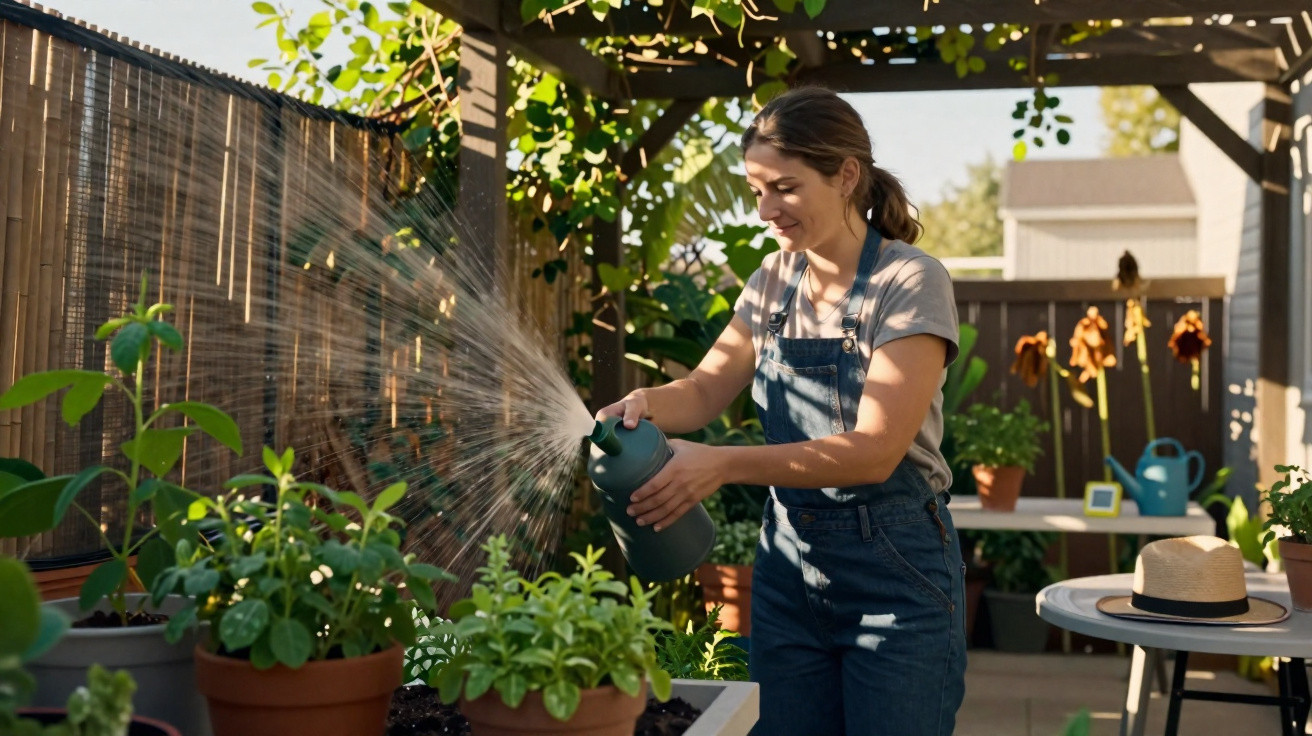
The first time I watched my garden bake through a July heatwave, I took it as a personal affront.
Leaf tips turned brittle, flowers collapsed by lunchtime, and the soil looked like crushed biscuits. I zig-zagged about with the hose like an over-caffeinated firefighter, convinced that more sunshine, more watering and more effort would somehow tip the balance.
Spoiler: I didn’t.
The petunias gave up, the lettuce bolted, and my cherished hydrangea looked as though it had aged a decade in a single week. I blamed the heat, the climate, and my bad timing. What I didn’t blame was my fixation on full sun.
The moment things shifted was the day I did nothing more dramatic than drag a faded umbrella across the lawn and prop it beside a struggling planter. The plants beneath it didn’t merely limp through the next scorcher - they looked… relieved.
That was when I stopped treating shade as the enemy and started making space for it.
When I stopped worshipping full sun
For years, my gardening logic was simple: more sun meant more flowers, more fruit, more “success”. Seed packets boast about “full sun”, garden centre labels repeat it, and Instagram adores a bright, slightly overexposed border. I designed my beds like a sunbathing contest.
Then the summers began to ramp up. Not the “oof, it’s a bit warm” sort of hot, but the kind where the air turns thick and, by 3 pm, the whole garden looks like it’s quietly pleading for mercy. I kept watering, feeding, and rallying the plants. The sun kept winning. At some point, it dawned on me that I was gardening as though it were still 1998.
One afternoon last summer, the heat index reached a figure that made the weather app feel almost cheeky. By midday, my tomatoes were rolling their leaves into tight little fists. The basil - normally swaggering and upright - drooped like it had stayed out all night.
I was just about to haul the hose out again when I noticed my neighbour strolling along the fence. Her garden, only a few metres away, looked oddly composed. Her hydrangeas were tucked under a high, dappled canopy from a small tree. Her hostas sat beneath a light shade cloth, clipped on with clothes pegs.
“"My trick?" she said, shrugging. "I just stopped pretending they love full afternoon sun."”
It lodged in my mind more firmly than any gardening book on my shelf.
The more I paid attention, the more obvious it became. The plants that got a break from the fiercest sun didn’t just look nicer - they looked calmer. Their leaves were thicker and less burnt. The soil nearby held on to moisture for an extra day or two.
Shade was acting like a buffer, taking the edge off the extremes. Rather than lurching from cool nights to savage midday glare, those plants existed in a gentler, steadier pocket of light. And plants, like people, cope far better when the change isn’t a slap in the face.
I’d always assumed shade was something that “stole” light. What I finally understood was that light can be too much of a good thing, and shade is simply the garden’s way of saying, “Let’s slow this down a bit.”
How I started inviting shade on purpose
The first practical change was almost laughably basic: temporary shade.
I rummaged through the house for anything that could take the sting out of the afternoon blaze without plunging plants into gloom. A battered beach umbrella. A white bedsheet. A cheap, breathable shade cloth from the DIY shop.
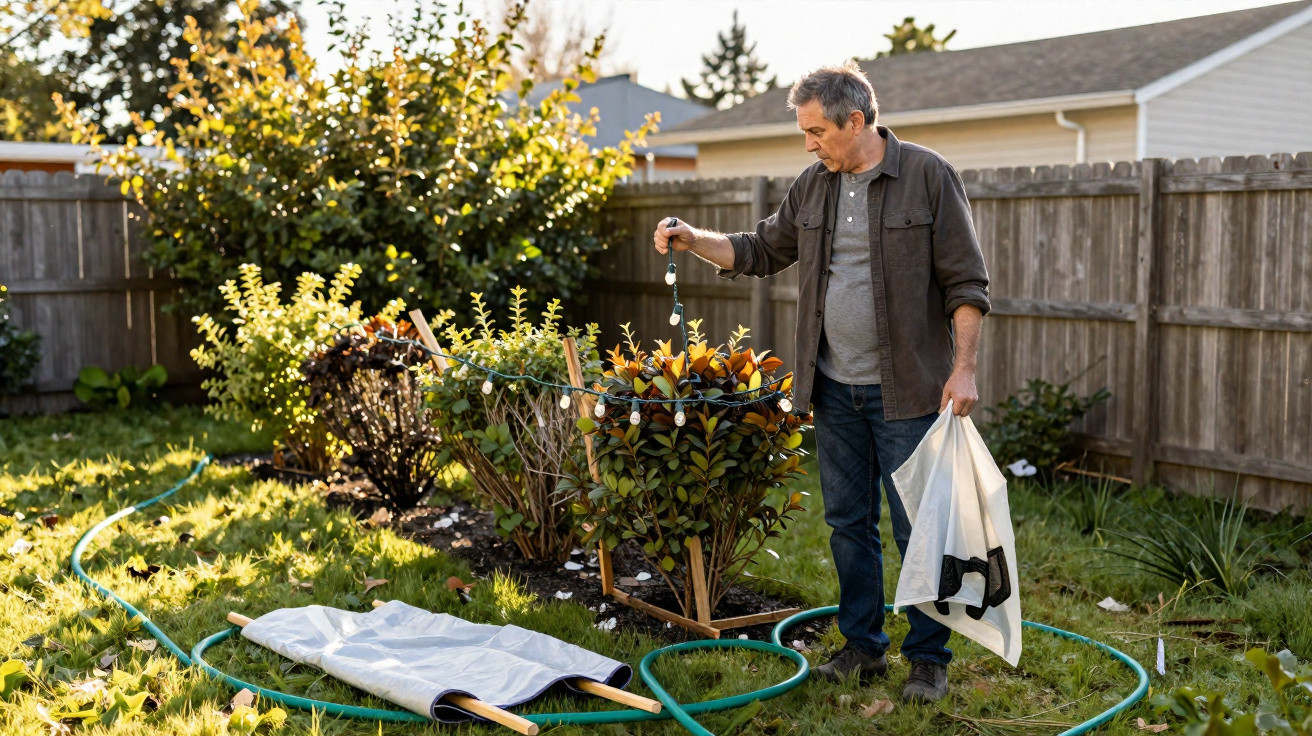
I angled the umbrella so it shaded my thirstiest pots from 1 pm to 5 pm. I clipped the bedsheet to a couple of bamboo canes, turning it into a loose, fluttering sail that softened the light over the lettuce bed. Call it DIY, call it a bit chaotic - but when the next heatwave arrived, those sections stayed green instead of turning pallid and sad.
That tiny win gave me the nerve to redraw the garden map in my head.
After that came the “big” decision: growing things that would create shade deliberately.
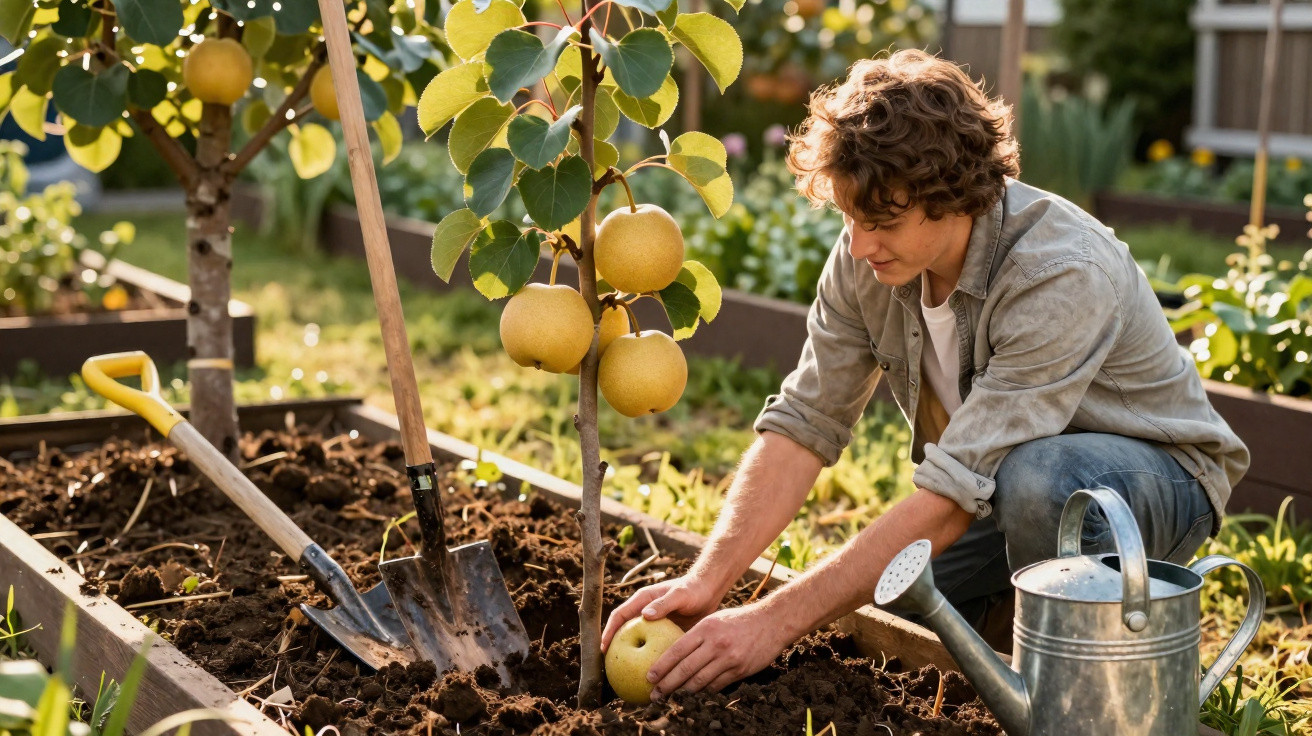
I picked a small ornamental tree instead of another rose bush, putting it where the afternoon sun used to slam straight into the patio border. The aim wasn’t to blot out the light entirely - it was to make that shifting, softened shade you get beneath street trees.
I also began using taller plants as living parasols: sunflowers along the back of the border, bushy tomatoes sheltering lettuce at their feet, cosmos forming a high, airy screen. The lettuce didn’t bolt quite so quickly. The soil under those little canopies stayed cool when I touched it.
And, honestly, hardly anyone re-plans their garden like a professional landscape designer every single year. Sometimes you just notice that the plants under the taller ones look less miserable and think, “Right - I should do more of that.”
The final step was in my head rather than in the ground: dropping the guilt.
I used to feel that if a plant was labelled “full sun”, giving it shade was somehow cheating - as if I was failing to provide the conditions it “deserved”.
Then I read more about how “full sun” used to mean something less intense. Thirty years ago, it might have been six to eight hours in a gentler climate. Now, in many places, “full sun” can mean nine to ten hours of high-intensity heat during record-breaking summers. Same labels, different planet.
We don’t live in our grandparents’ climate anymore, so we don’t have to garden by their rules.
- Shift the labels in your head: Treat “full sun” as “needs good light but may still appreciate afternoon shade.”
- Watch the plants, not the tag: Curled leaves, crisp edges and flowers that vanish overnight are all tiny protest placards.
- Use shade as a tool, not a last resort: Umbrellas, cloth, taller plants - even a chair placed in the right spot - can be allies.
What changed once I made peace with shade
The first proper test arrived during a late-summer heat dome - the sort that usually leaves my garden looking like a depressing “before” photo.
This time, the lettuce shared a bed with tall marigolds. The most sheltered corner became home to pots that used to sizzle by the fence. And a simple shade cloth was stretched across part of the veg patch in the afternoons.
I still lost a few things. A hanging basket called it quits, and a potted dahlia decided it had done its time. Even so, the survival rate was miles better than the year before. The tomatoes looked worn-out but not finished. The hydrangea, now under its new tree-friend, didn’t scorch at all. It felt less like a battleground and more like a hard day that everyone managed to get through.
What surprised me was how much it changed the garden for me, not just for the plants.
In those softened pockets of light, I found myself lingering. I sat longer, moved more slowly, and actually watched the bees instead of sprinting around ticking off chores. The garden looked less “Instagram-bright” and more like a place you could genuinely breathe.
That emotional shift matters.
We’ve all had that moment: you look at your wilting plants and feel as if you’ve personally let them down. Shade eased some of that pressure. I wasn’t locked in combat with the sun anymore - I was working around it with a bit more tact.
Sometimes the most radical change in a garden is just allowing yourself to stop pushing so hard.
Now, when a heatwave alert flashes up, I don’t panic-water or dash outside at midday.
I walk the garden in the morning and ask one simple question: where will the light be harshest, and how can I soften it for a few hours? An umbrella here, a chair shifted there, a pot nudged into the shadow of something taller.
My plants still get plenty of light. They still bloom, fruit, and make a mess. They just don’t have to endure a spotlight all day - and neither do I.
If your garden has been losing its fight against rising temperatures, perhaps the answer isn’t more effort, more fertiliser, or more tough-love full sun. Perhaps it’s as small as letting a bit of shade in where you used to resist it - and seeing what happens when your plants finally get the chance to exhale.
| Key point | Detail | Value for the reader |
|---|---|---|
| Use shade as a tool | Temporary covers, umbrellas, and shade cloth during peak hours | Reduces plant stress and heat damage during extreme days |
| Rethink “full sun” | Modern heat makes classic labels misleading for many climates | Helps avoid scorch, wasted plants, and constant replanting |
| Plant living shade | Taller plants, small trees, and layered beds create natural protection | Builds a more resilient, self-regulating garden over time |
FAQ:
- Question 1 Can full-sun plants really benefit from shade during heatwaves? Yes. Most so-called full-sun plants cope well with bright light but struggle in extreme heat. A few hours of afternoon shade often boosts flowering and reduces leaf scorch.
- Question 2 Will giving shade stop my plants from blooming? Not if the mornings stay bright. Morning sun, plus a break from the harshest afternoon rays, is usually enough for healthy blooms and fruit.
- Question 3 What’s the easiest way to add shade in a small space? Choose movable options: a parasol, a light-coloured sheet on poles, or tall containers that throw shade over smaller pots during peak sun.
- Question 4 How do I know my plants are getting too much sun, not too little water? Crisp, bleached patches on leaves and sudden flower drop often indicate sun scorch. Wilting that improves in shade - even when the soil is moist - is another clue.
- Question 5 Is shade cloth worth buying, or can I just use old fabric? Either can work. Shade cloth is made to breathe and filter light evenly, while light cotton sheets are a quick, low-cost fix, especially during brief heat spikes.
Comments
No comments yet. Be the first to comment!
Leave a Comment