
Planting the same varieties year after year means missing a genuine hidden gem for amateur gardeners. There’s a hardy fruit tree from Asia that produces juicy, crisp fruit, asks for very little attention and, in summer, has people peering over the garden fence in surprise. It’s worth taking a closer look at this unusual tree.
A fruit tree that looks like an apple and tastes like a pear
What makes Nashi so interesting in the garden
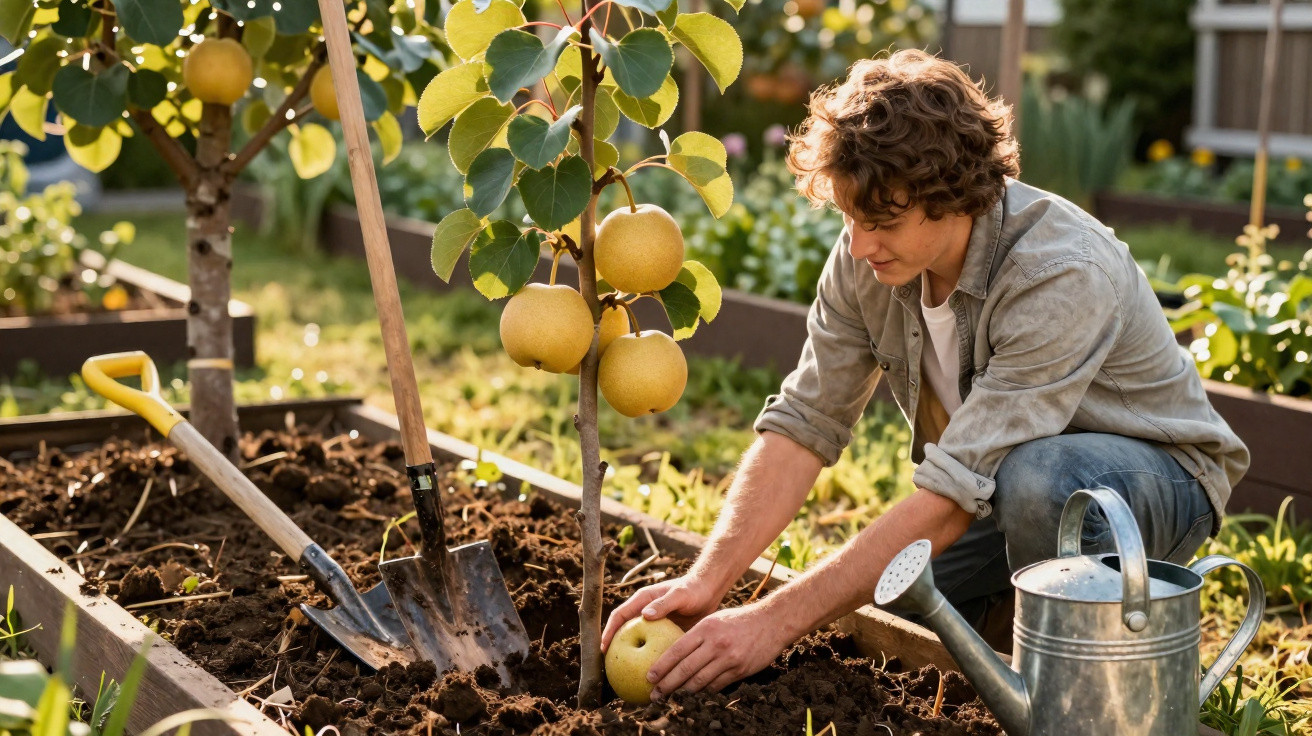
The star here is the Nashi, often known in the UK as the apple pear. The fruits are apple-round, with a smooth skin that ranges from yellowish to bronze, and they can look fairly unremarkable in the fruit bowl. The real surprise comes with the first bite.
The texture is as crisp as an apple, but the flavour is distinctly pear-like: gentle, sweet, very juicy and wonderfully refreshing. On hot late-summer days, one of these fruits can feel almost like a natural thirst-quencher.
"Nashi combines the best of two worlds: firm to bite like an apple, aromatic and juicy like a pear."
It also scores highly for ornamental appeal. In spring, the tree is covered in numerous white blossoms; in summer, it carries masses of round fruits that ripen to golden yellow or a coppery shade depending on the cultivar. If you want more variety than the classic orchard staples, this tree is a strong choice.
Tough, winter-hardy and well suited to small gardens
Nashi trees are considered robust and tolerant of cold. Many cultivars cope with German-style winters without trouble, provided the location is right. For smaller plots, there are low-vigour rootstocks and espalier forms that can be trained against house walls. That means this “exotic” can fit comfortably even in a terraced-house garden.
The ideal spot: plenty of sun and controlled watering
Why light determines how sweet the fruit becomes
To get the best from the tree, give it a position in full sun. The more light reaches the canopy, the better the fruit develops in aroma and sweetness. In partial shade, Nashis quickly turn watery and bland - a waste of their potential.
A breezy location is also beneficial, as the crown dries more quickly after rain. That alone reduces the risk of fungal problems from the outset.
Soil: loose, free-draining, yet still nutrient-rich
Nashi roots react badly to waterlogging. Heavy, consistently wet soils slow growth and can damage the root system. If your garden soil is clayey, mix in plenty of sand or fine gravel when planting. Adding compost supplies nutrients and improves the soil’s crumbly structure at the same time.
"Rule of thumb: if rainwater drains away quickly, the soil is usually suitable for Nashi as well."
A simple check after a heavy downpour is often enough: if water sits in the planting hole for any length of time, the soil must be improved or you should choose a slightly raised position instead - for example, a gentle mound bed.
How to plant successfully in spring, step by step
Why late March is an ideal window
The best time to plant is around the end of March. By then the ground has warmed a little, the risk of hard frost is easing, and the tree can establish a fresh root system before summer heat arrives.
Plant too early and young shoots may be damaged by frost. Leave it too late and the tree is put under pressure because it has to grow, flower and push new roots at the same time.
The planting hole: bigger is better
Planting is straightforward if you stick to a few basics:
- Dig a hole roughly twice as wide and twice as deep as the root ball.
- Loosen any compacted soil around the sides of the hole with a spade.
- Mix the excavated soil with compost and - on heavy ground - add sand.
- Set the tree so the top of the root ball sits level with the surrounding soil.
The graft union (the slight swelling above the roots) should remain a few centimetres above soil level. If it ends up buried, the tree may develop problems later.
Support: a stake prevents wind damage
Newly planted fruit trees often rock back and forth in windy weather. That movement can tear off fine new roots and slows establishment. A sturdy stake solves the issue.
Put the stake into the hole before you backfill, so the roots aren’t damaged afterwards. Tie the trunk with a broad, soft tie in a figure-of-eight, keeping it secure without constricting it. After two to three years, once the tree is firmly rooted, the support can usually be removed.
Without a partner, the tree stays almost fruitless
Why Nashi shouldn’t be planted alone
One key detail is often overlooked: many Nashi cultivars are not self-fertile. They may flower heavily but set only a small number of fruits unless a suitable partner is nearby. For good crops, the tree needs pollen from a different variety.
"If you plant just one Nashi, you may be staring at an almost empty canopy in summer."
Pollination is carried out by insects - especially bees. They move between trees and transfer pollen from blossom to blossom. If compatible trees are too far apart, that exchange is limited.
Suitable pollinators and planting distances
In many situations, a standard European pear tree nearby is enough - for example a variety such as Williams, or other common dessert pears. What matters is overlapping flowering times, so bees visit both trees during the same period.
As a rule of thumb, pollination usually works well within 20 to 30 metres. In built-up residential areas, it’s worth looking beyond your own boundary: if a neighbour already has a pear tree, that can serve as a pollinator too.
| Criterion | Recommendation for good harvests |
|---|---|
| Pollinator tree | Pear tree with a similar flowering time |
| Distance | At most a few dozen metres |
| Insects | Bee-friendly planting in the garden |
No water, no start: why the first watering matters
A thorough soak immediately after planting
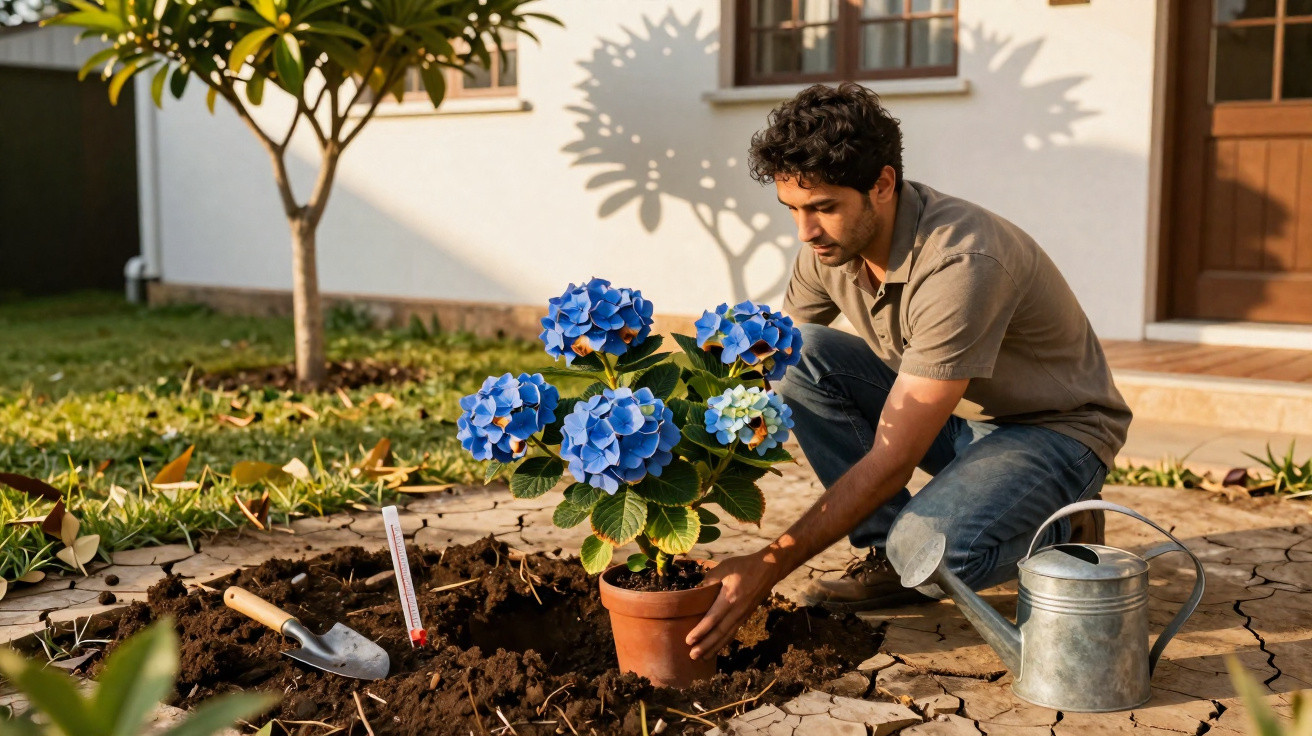
Once the hole has been refilled, the tree needs a generous initial watering. Around 15 to 20 litres is sensible, even if the soil seems damp or rain is forecast.
This heavy watering washes soil into any air pockets and ensures close contact between the root ball and the surrounding soil. Only then can fine root hairs grow into new areas and take up nutrients.
Finding the balance between drought stress and waterlogging
In the first months after planting, keep a close eye on soil moisture. Cracks in the ground, drooping leaves or curled young shoots point to a lack of water. When that happens, a deep soak is better than frequent small amounts.
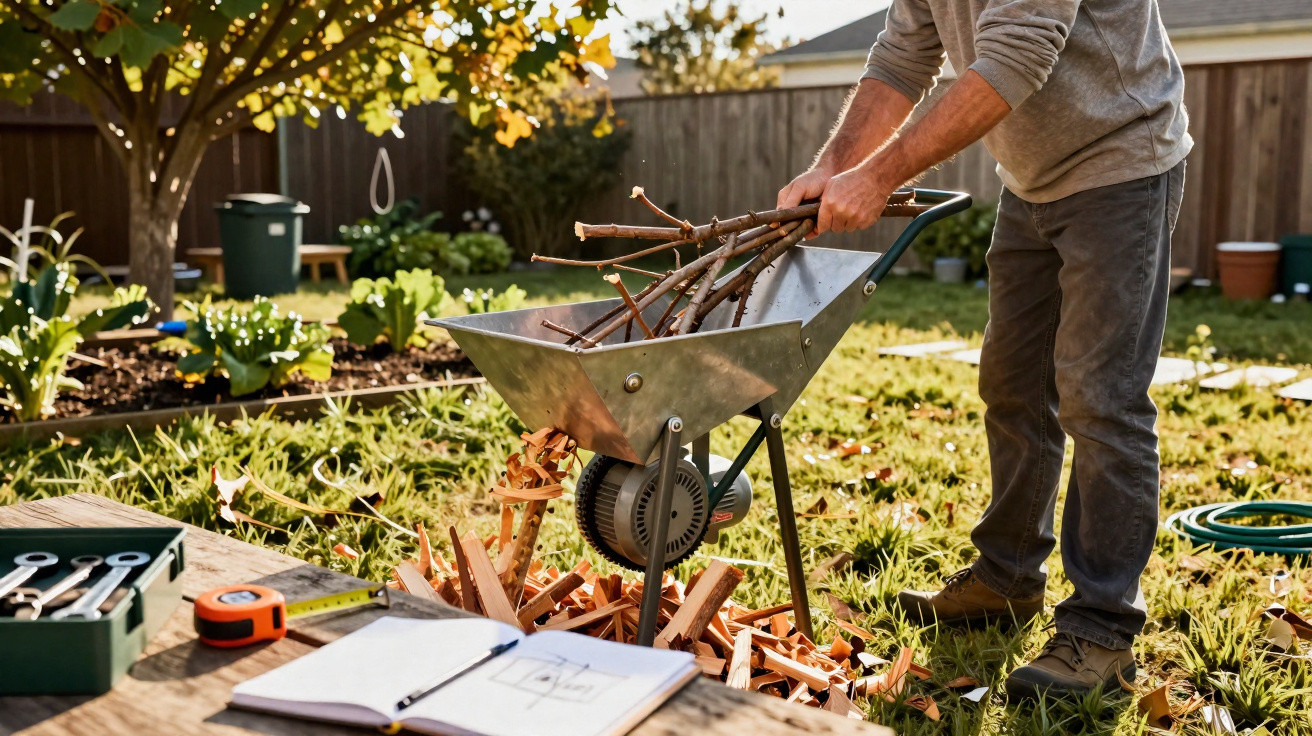
A thick mulch ring around the base acts like a protective layer. Bark chips, grass clippings or shredded prunings help the soil retain moisture, suppress weeds and, over time, improve soil structure.
When the first fruits arrive - and what they taste like
Patience pays off
A worthwhile harvest usually comes after a few years, depending on the starting size of the young tree. In good seasons, branches can become so heavily laden that you may need a prop under a fruiting fork to prevent breakage.
Depending on the cultivar, ripe fruits turn yellow through to a bronze tone. The best picking moment is when the skin yields slightly and the fruit comes away with a gentle twist of the stalk. Fruits picked fully ripe from the tree taste noticeably better than imported shop fruit, which is often harvested while still hard.
How to use them in the kitchen and day to day
You can eat the fruits straight from the hand, but they’re also excellent:
- diced fresh in a fruit salad
- thinly sliced in a green salad with nuts
- as a crunchy addition to cheeseboards
- in Asian-inspired dishes, for example finely grated into marinades
Because they contain so much water, they’re less suited to being cooked down into a classic purée, but they work well as a compote with a little lime and ginger.
What beginners should also know
Pruning, diseases and choosing a cultivar
Pruning is similar to pear: in winter, remove shoots that cross, thin out older branches slightly, and shape an airy crown. Many cultivars are quite resilient in the home garden. If you want to prevent issues, focus on good airflow through the canopy, avoid persistently wet soil, and support the tree with applications of compost in spring.
When choosing a cultivar, pay attention to ripening time and eventual size. Early varieties crop in late summer, while later ones ripen more towards autumn. Low-vigour rootstocks are ideal for small plots or for espalier training along a fence.
Nashi as a way to add more diversity to the fruit garden
With a Nashi tree, a gardener adds a type of fruit many neighbours have never seen growing on a tree at home. That increases diversity in the garden, attracts pollinating insects and provides an easy talking point at the next barbecue.
If you’re already considering planting a new fruit tree, choosing the apple pear instead of yet another apple variety can be a bold move. With the right position, a compatible partner tree and careful watering in the first few months, the chances are good that you’ll soon be biting into your own crisp Nashi fruits.
Comments
No comments yet. Be the first to comment!
Leave a Comment